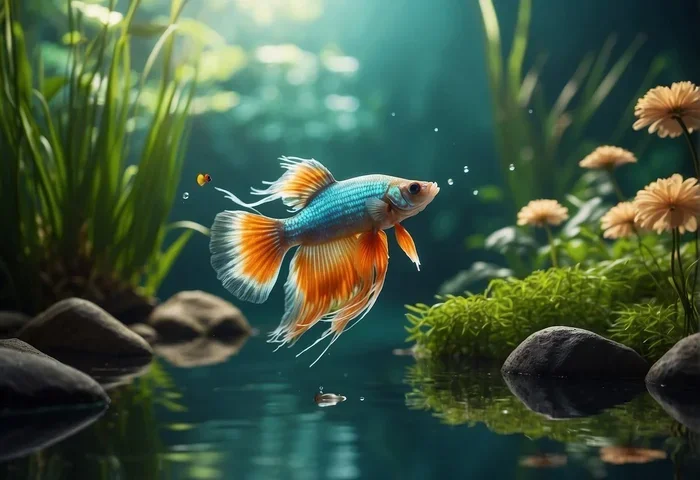
How Long Can a Betta Fish Live
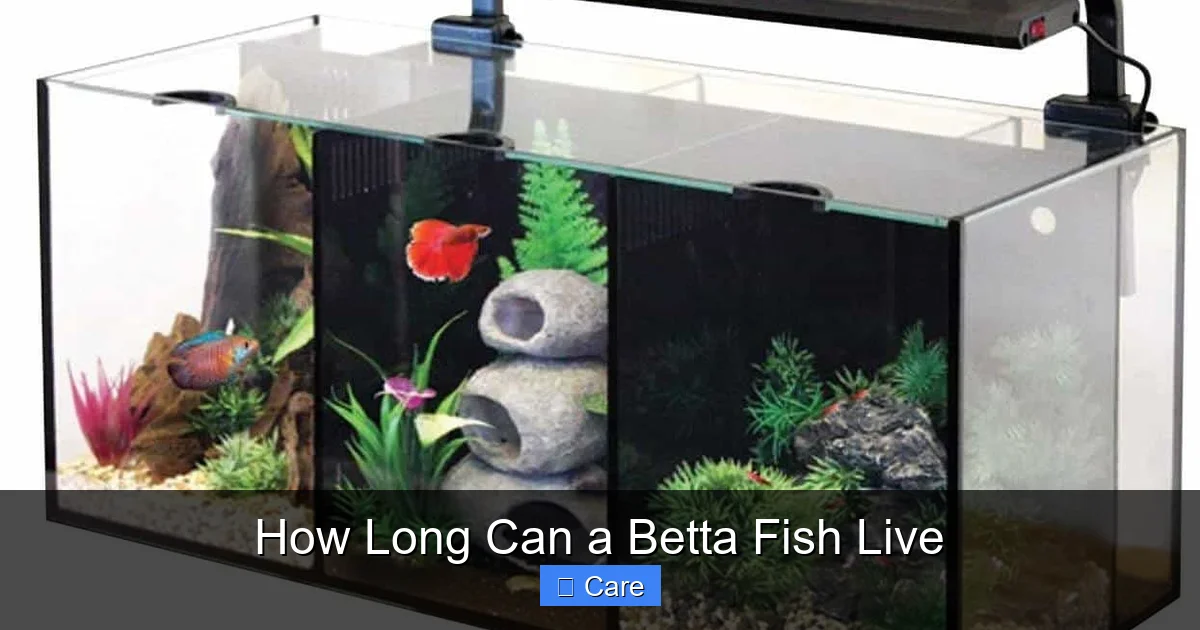
Contrary to popular belief, betta fish don’t just live for a year or two. With optimal care, their average lifespan soars to 3-5 years, and some even reach 7-10! The key lies in replicating their natural tropical environment, providing a protein-rich diet, and maintaining pristine water quality. Ditch the tiny bowl; a filtered, heated tank is non-negotiable for a long, healthy life.
Key Takeaways
- The average lifespan is 3-5 years with proper care, not 1-2. The common “year or two” myth stems from poor pet store conditions and inadequate home setups like small, unheated bowls.
- Water quality is the #1 factor determining longevity. Ammonia and nitrite poisoning from infrequent water changes in a small volume of water is a leading cause of premature death.
- A minimum 5-gallon tank is the absolute baseline. Smaller volumes cause rapid toxin buildup and extreme temperature swings, causing chronic stress that shortens life.
- Heating and filtration are mandatory, not optional. Bettas are tropical fish requiring a stable 78-80°F (25.5-26.5°C). A gentle filter maintains the nitrogen cycle, which is essential for safe water.
- Diet directly impacts health and lifespan. A varied diet of high-quality pellets, frozen or live foods (like brine shrimp or daphnia), and occasional treats prevents constipation and malnutrition.
- Genetics and source matter. Bettas from reputable breeders or healthy pet stores often have stronger genetics and start life with fewer health issues than mass-produced “feeder” bettas.
- Enrichment and stress reduction are crucial. Providing plants, hiding spots, and a calm environment reduces stress, which suppresses the immune system and makes fish susceptible to disease.
📑 Table of Contents
- Debunking the Myth: The Shocking Truth About Betta Lifespan
- The Biological Blueprint: Understanding the Betta’s Natural World
- The Pillars of Longevity: The Big Four Care Factors
- Common Mistakes That Cut Lifespan Short: A Checklist of Failure
- Myths vs. Reality: Setting the Record Straight
- The 5-Year (and Beyond) Betta: Your Action Plan for Maximum Lifespan
- Conclusion: A Commitment to a Decade of Beauty
Debunking the Myth: The Shocking Truth About Betta Lifespan
Walk into any big-box pet store, and you’ll see them: vibrant, flowing Siamese fighting fish, often labeled as “easy” or “beginner” pets, crammed into tiny plastic cups. The implied message, and the common wisdom passed around, is that how long can a betta fish live is a short, sad story—maybe a year, maybe two. This is the single biggest misconception in the aquarium hobby, and it’s a disservice to these intelligent, beautiful creatures. The truth is far more hopeful and empowering. With the right knowledge and commitment, your betta can be a vibrant companion for three to five years, and sometimes even longer. This article will dismantle the myths, lay out the science of betta care, and give you a concrete, actionable roadmap to maximize the lifespan of your own betta fish. We’re going far beyond the basics to answer the real question: not just how long they *can* live, but how you can ensure yours *does*.
The Biological Blueprint: Understanding the Betta’s Natural World
To understand how long a betta fish can live in captivity, we must first look at its origins. The betta splendens, or Siamese fighting fish, hails from the shallow, slow-moving rice paddies, floodplains, and ditches of Thailand, Cambodia, Laos, and Vietnam. These are not pristine, crystal-clear mountain streams. They are warm, often vegetated, and can experience dramatic shifts in water chemistry due to rain and evaporation. This background is critical. Bettas are anabantoids, meaning they possess a labyrinth organ—a specialized structure that allows them to gulp atmospheric air. This adaptation lets them survive in oxygen-poor, stagnant water that would suffocate other fish. It’s why they *can* survive in a small bowl for a while, but it is not an indication of what they *need* to thrive for a decade.
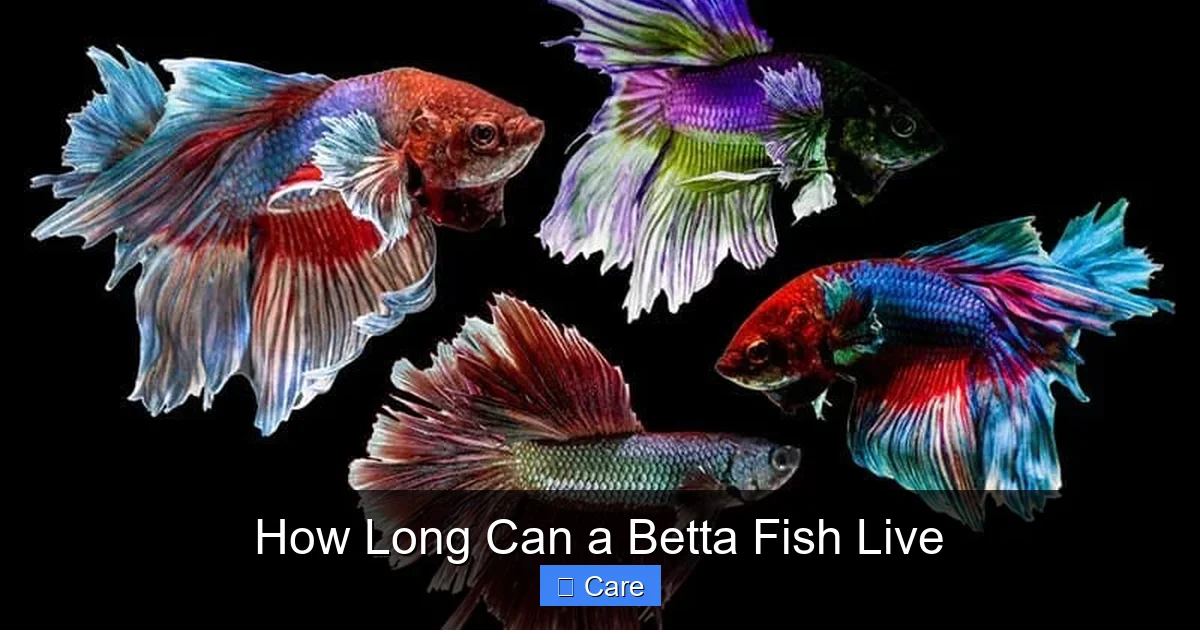
Visual guide about How Long Can a Betta Fish Live
Image source: petpad.net
Wild vs. Captive Genetics: A Lifespan Disparity
The bettas you see in stores are the result of over a century of selective breeding for color, fin length, and aggression. Wild bettas are typically green, brown, or grey with short fins, built for survival and brief, territorial sparring. Their lifespans in the wild are estimated at 2-3 years, a harsh reality driven by predation, disease, and environmental hazards. Our domesticated bettas, shielded from these threats, have the potential for a much longer life. However, intense inbreeding to achieve certain “fancy” traits (like massive halfmoon tails) can also bring health problems—spinal deformities, weakened immune systems, and fragile fins. A betta from a quality breeder focused on health and vigor will almost always have a longer, healthier life than one from a chain store where aesthetics are the sole priority. When asking how long can a betta fish live, the starting genetic lottery is your first variable.
The Pillars of Longevity: The Big Four Care Factors
If genetics load the dice, environment rolls them. There are four non-negotiable pillars that directly dictate how long your betta fish can live. Fail in one, and you drastically shorten its potential lifespan. Master all four, and you create the foundation for a 5+ year companion.
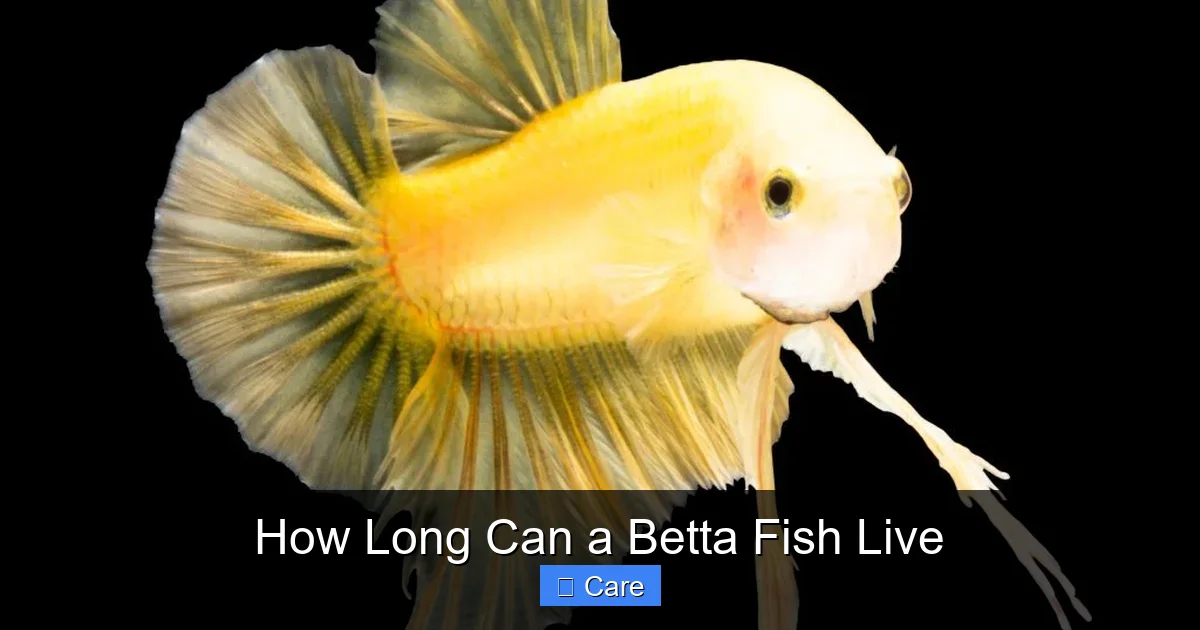
Visual guide about How Long Can a Betta Fish Live
Image source: fishkeepingadvice.com
1. Tank Size & Environment: Beyond the “Bettas in Bowls” Fallacy
Let’s be unequivocal: a betta should never be kept in a bowl, vase, or anything under 5 gallons. The “betta in a bowl” trend is animal cruelty disguised as aesthetics. A small volume of water (like in a 1-gallon bowl) experiences explosive temperature swings from room air, and toxins from fish waste (ammonia) build to lethal levels within days, even with weekly water changes. A 5-gallon tank is the absolute minimum. It provides thermal mass to stabilize temperature, dilutes toxins, and allows for a proper filter and heater without creating a dangerous current. A 10-gallon tank is significantly better, offering more stable parameters and room for non-aggressive tank mates (like snails or certain shrimp). The environment must also include soft, silk plants or live plants (like Java fern or Anubias). Bettas are intelligent and curious; they need places to rest (a betta leaf hammock is perfect) and explore. A bare tank is a stressful, barren prison that accelerates aging.
2. Water Quality: The Silent Killer
This is the most common point of failure. Ammonia and nitrite are toxic to fish at any concentration. In a cycled, filtered tank, beneficial bacteria convert these toxins to less harmful nitrate. But in a small, unfiltered bowl, ammonia spikes are constant. The result is ammonia poisoning: burns on the gills and fins, lethargy, and a slow, painful death. The solution is a three-part system: filtration, cycling, and maintenance. You must establish a complete nitrogen cycle in your tank before adding the betta (a process taking 4-6 weeks). Then, you need a gentle filter (a sponge filter is ideal for bettas with long fins). Finally, you must perform weekly water changes of 25-50% (depending on tank size) to remove nitrate and any other dissolved wastes. Testing your water with an aquarium test kit (API Freshwater Master Test Kit is the gold standard) is not optional; it’s essential monitoring to ensure your parameters ( Ammonia & Nitrite = 0, Nitrate < 20 ppm) are safe. Consistent, clean water is the single biggest thing you can do to extend how long a betta fish can live.
3. Heating & Temperature: A Stable Tropics
Bettas are tropical fish. Their optimal temperature range is 78-80°F (25.5-26.5°C). Anything below 76°F slows their metabolism, depresses their immune system, and makes them prone to diseases like Dropsy or Fin Rot. Temperatures above 82°F increase metabolic stress and oxygen demand. A reliable, adjustable aquarium heater with a thermostat is mandatory for any tank under 10 gallons in a non-tropical climate. A 25-watt heater is sufficient for a 5-gallon tank. Crucially, use a separate thermometer to verify the heater’s accuracy. A stable temperature is as important as the correct one. Fluctuations of more than 2 degrees in a day are hugely stressful. The heater should be placed near the filter output to ensure even heat distribution, and the tank should be kept away from drafts, direct sunlight, or heating vents.
4. Nutrition: Fuel for a Long Life
“Just feed pellets” is another dangerous myth. In the wild, bettas are carnivorous micro-predators, eating insects, larvae, and zooplankton. A diet of solely dry pellets, especially low-quality ones, leads to constipation, swim bladder disorder, and malnutrition. A proper diet is varied and high-protein. Base it on 2-3 high-quality betta pellets (Hikari Betta Bio-Gold or New Life Spectrum Betta are excellent) fed once daily, with one fasting day per week to aid digestion. Supplement 2-3 times a week with frozen or live foods: daphnia (great for digestion), brine shrimp (a treat), or bloodworms (a rare treat due to high fat). Soak frozen foods in a vitamin supplement (like Seachem Garlic Guard) for added nutrition and to entice picky eaters. Overfeeding is a major problem—a betta’s stomach is the size of its eye. Feed only what it can consume in 2-3 minutes, and remove any excess. Good nutrition builds a robust immune system, directly impacting how long a betta fish can live by fighting off disease.
Common Mistakes That Cut Lifespan Short: A Checklist of Failure
Even with the best intentions, well-meaning owners make critical errors that turn a potentially 5-year fish into a 1-year statistic. Here are the most frequent, deadly mistakes.

Visual guide about How Long Can a Betta Fish Live
Image source: japanesefightingfish.org
The “Just a Water Top-Off” Fallacy
Many people think maintaining water level is the same as a water change. It’s not. Topping off replaces evaporated water but does nothing to remove nitrate, phosphates, or other dissolved wastes that accumulate. You must remove a portion of the old, dirty water and replace it with fresh, dechlorinated water. This is the core of the weekly maintenance ritual.
Using Untreated Tap Water
Tap water contains chlorine and chloramine, which are lethal to beneficial bacteria and fish. You must use a reliable water conditioner/dechlorinator (like Seachem Prime) on every single drop of water added to the tank, whether for a top-off or a full water change. Prime also detoxifies ammonia for 24 hours, providing a safety net.
Overcleaning the Filter
When you rinse your filter media under the tap, you are washing away the very bacteria that cycle your tank. This causes a “mini-cycle” where ammonia and nitrite spike dangerously. Instead, rinse filter media (sponges, bio-balls) in a bucket of old tank water you’ve just removed during a water change. This cleans the debris while preserving the bacterial colony.
Ignoring Signs of Illness or Stress
Bettas are masters of hiding illness until it’s severe. A healthy betta is curious, flares at its reflection, and has flowing, intact fins. Signs of trouble include:
- Faded color or clamped fins
- Lethargy, resting at the bottom
- Ragged, torn, or rotting fins (Fin Rot)
- White spots (Ich), cotton-like growth (Fungus), or raised scales (Dropsy)
- Swimming erratically, floating upside down (Swim Bladder)
Early intervention with improved water, medication (like Kanamycin for bacterial infections), or fasting (for swim bladder) is critical. Waiting almost always means a shorter lifespan.
Myths vs. Reality: Setting the Record Straight
Let’s tackle the pervasive myths that directly harm bettas and answer the core question of how long can a betta fish live with misinformation.
Myth: “Bettas can live in a small bowl because they breathe air.”
Reality: Yes, they have a labyrinth organ, but this is a survival adaptation for low-oxygen water in the wild, not a license for poor housing. A small bowl has zero dilution for toxins and zero thermal stability. The labyrinth organ allows them to survive the conditions, not thrive in them. It’s like saying humans can survive on junk food because we have a stomach—technically true, but the result is a shortened, unhealthy life.
Myth: “Bettas are loners and should be kept alone.”
Reality: Male bettas are indeed territorial and aggressive toward other male bettas. However, they can often coexist peacefully with certain, carefully selected tank mates in a properly sized, planted tank. Good candidates include: small, peaceful schooling fish like ember tetras (in a 10+ gallon), Kuhli loaches, snails (mystery, nerite), and shrimp (cherry, ghost). A well-chosen community reduces boredom and stress, potentially increasing lifespan. The key is ample space and visual barriers.
Myth: “They only live a year or two, so don’t get too attached.”
Reality: This is the most damaging myth of all. It creates a self-fulfilling prophecy. Because people believe they are disposable, they provide minimal care, and the fish dies quickly, “proving” the myth. When you provide the care outlined here, you will almost certainly see your betta live 3-5 years, with many reaching 6, 7, or even 10. They recognize their owners, learn feeding routines, and display distinct personalities. They deserve a chance at a full life.
The 5-Year (and Beyond) Betta: Your Action Plan for Maximum Lifespan
So, you want to be one of the owners who sees their betta live a long, vibrant life. Here is your consolidated, step-by-step protocol.
Step 1: The Right Start – Tank & Cycle
Purchase a 5-gallon (or larger) glass or acrylic tank with a secure lid (bettas are jumpers!). Set it up with a gentle sponge filter, a 25-watt adjustable heater, a thermometer, and several silk/live plants. Add substrate (sand or fine gravel). Now, you must cycle the tank. This means establishing a colony of beneficial bacteria. Add an ammonia source (pure ammonia or a piece of shrimp), test water daily, and wait until you see a spike in ammonia, then nitrite, followed by a drop in both and a rise in nitrate. Once ammonia and nitrite are 0 and nitrate is present, the cycle is complete. This takes 4-6 weeks. Only then add your betta.
Step 2: Daily & Weekly Rituals
Daily: Check water temperature with a thermometer. Feed a high-quality pellet (only what it eats in 2-3 minutes). Observe your betta for 30 seconds. Is it active? Are fins intact? Is color bright? Weekly: Perform a 25-50% water change. Use a gravel vacuum to clean debris from the substrate. Test water parameters ( Ammonia, Nitrite, Nitrate, pH). Clean the filter media by squeezing it in old tank water. Trim any dying plant leaves. This routine is sacred. Skipping it is a direct ticket to a shortened lifespan.
Step 3: Environmental Enrichment
Don’t let your betta be bored. Change the layout of plants and decorations slightly every month. Provide a variety of textures: broad leaves for resting, smooth rocks for exploring. A secure, stable betta leaf hammock near the surface is essential. Consider a safe, smooth piece of Indian almond leaf (catappa) which has mild antibacterial properties and can mimic its natural tannin-stained habitat. A curious betta is a healthy betta.
Step 4: Health Vigilance
At the first sign of trouble (clamped fins, loss of appetite, spots), immediately test your water. 90% of illnesses are stress-induced by poor water. Perform an extra 50% water change. Isolate the fish in a hospital tank if necessary. Research the symptoms. Have a basic medicine chest: Kanamycin (bacterial), Malachite Green or Methylene Blue (fungal/parasitic), Epsom salts (for swelling). Early, aggressive treatment of water issues and disease is the final key to unlocking the full answer to how long a betta fish can live.
Conclusion: A Commitment to a Decade of Beauty
The question how long can a betta fish live is not a matter of fate or genetics alone. It is a direct reflection of the care it receives. The myth of the disposable, short-lived betta is born from ignorance and commercial exploitation. You, as an informed and dedicated owner, have the power to shatter that myth. By providing a spacious, heated, filtered home; by maintaining pristine water through diligent testing and changes; by feeding a varied, high-quality diet; and by enriching its environment and monitoring its health, you create the conditions for your betta to not just survive, but to flourish. You give it the opportunity to become a true companion, displaying its full personality and breathtaking beauty for five years, seven years, or even a decade. That betta in the store cup has the potential for a long, rich life. The choice, and the responsibility, now lies with you. Commit to the care, and you will be rewarded with one of the most resilient and beautiful pets in the aquatic world.
Frequently Asked Questions
Can a betta fish really live 10 years?
Yes, but it’s exceptionally rare and requires near-perfect genetics and optimal care from a very young age. The verified record is around 10 years. Most bettas with exemplary care live 5-7 years. Aiming for 5+ is a realistic and fantastic goal.
Why do bettas from pet stores often die so quickly?
Pet stores often keep Bettas in small, unheated cups with poor water quality, causing immense stress and weakening their immune systems before you even buy them. This “starting deficit” means many are already sick or dying when brought home, leading to a short lifespan if not nursed back to health aggressively.
Is it okay to keep a betta alone in a small tank with no filter or heater if I change the water often?
No. While frequent water changes help, they don’t solve the problem of temperature instability. A small tank will heat and cool rapidly with room temperature, causing chronic stress. A filter is also essential to establish a stable biological cycle that processes toxins continuously, which water changes alone cannot do reliably.
How can I tell if my betta is happy and healthy?
A happy, healthy betta is active, curious, and flares at its reflection or a new object. Its fins are fully extended and undamaged, colors are bright, and it eats eagerly. It will rest on a plant leaf or hammock but be alert when you approach. Lethargy, clamped fins, faded color, or loss of appetite are red flags.
What is the single most important thing I can do for my betta’s lifespan?
Maintain pristine water quality. This means having a cycled tank with a filter, performing consistent weekly water changes (25-50%), and regularly testing water parameters with an aquarium test kit. Clean water is the foundation of all other health and directly prevents the most common causes of death.
Can I put other fish with my betta?
It depends on your tank size and the betta’s personality. In a 10+ gallon heavily planted tank, peaceful, non-flashy schooling fish like ember tetras or harlequin rasboras, bottom dwellers like Kuhli loaches, or invertebrates like snails and ghost shrimp can work. Never house another betta with it. Always have a backup “hospital” tank ready in case aggression occurs.