How Long Will a Betta Fish Live
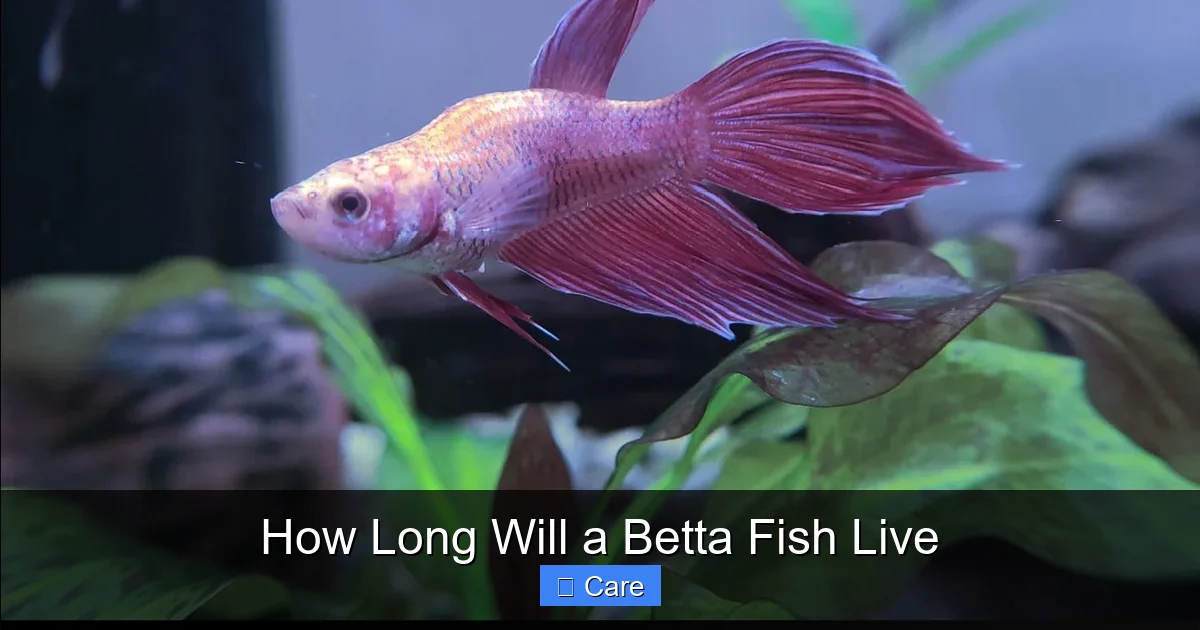
The average betta fish lives 2-4 years in captivity, but with optimal care, they can thrive for 5 years or more. Their lifespan is not set in stone; it’s directly shaped by your daily choices. Key factors like tank size (not a bowl!), pristine water quality, a high-protein diet, and consistent warm temperatures are non-negotiable for longevity. Understanding their needs and providing a stable, enriched environment is the ultimate secret to maximizing your betta’s time with you.
So, you’ve brought home a vibrant, flowing-finned betta fish, maybe in a tiny vase or a small desk tank. You’re charmed by its personality and curious gaze. The big question inevitably pops into your head, often with a mix of excitement and a touch of worry: how long will a betta fish live? It’s a fair question. You’re making a commitment to a living creature, and you want to know what you’re signing up for. The short answer is both hopeful and a call to action. With proper care, your betta can be a colorful companion for several years. But without it, that lifespan can be cut tragically short. This guide will dive deep into every factor that influences a betta’s longevity, transforming you from a curious beginner into a confident, informed caretaker ready to maximize every moment with your aquatic friend.
Let’s start by shattering a pervasive myth right away. You’ve probably seen them—betta fish in tiny cups or bowls at a store or a fair. This cruel practice has led many to believe bettas are disposable pets with a lifespan of just a year or two. This is absolutely false. The Betta splendens, or Siamese fighting fish, is a resilient tropical species. In the wild, they live in the shallow, warm waters of Thailand’s rice paddies and floodplains. Their natural environment, while not vast ocean, is still a complex ecosystem with plants, hiding spots, and consistent warmth. The “bowl” or “vase” myth is a marketing gimmick that ignores their biological needs and guarantees a short, stressful life. Your goal is to replicate, as best as you can, the stable, clean, and enriched conditions they thrive in. The answer to how long will a betta fish live is a direct reflection of how well you do that.
Key Takeaways
- Average Lifespan: A well-cared-for betta fish typically lives 3-5 years, with some reaching 7-10 years under exceptional conditions.
- Tank Size is Crucial: A minimum of 5 gallons is essential for a single betta; smaller containers severely stress and shorten their life.
- Water Quality is #1: Regular partial water changes (25-50% weekly) and a cycled filter are vital to prevent toxic ammonia and nitrite buildup.
- Temperature Matters: Bettas are tropical fish requiring a stable water temperature between 78°F and 80°F (25.5°C – 27°C) using a reliable heater.
- Diet Directly Impacts Health: Feed a varied diet of high-quality pellets, frozen or live foods (like brine shrimp), and avoid overfeeding.
- Genetics & Source Play a Role: Bettas from reputable breeders or specialty stores often have stronger genetics and better initial health than big-box store fish.
- Enrichment Reduces Stress: Providing plants, caves, and gentle stimulation combats boredom and stress, which are major contributors to disease and early death.
📑 Table of Contents
- The Realistic Betta Lifespan: Separating Myth from Reality
- The Non-Negotiable Foundation: Tank Size and Environment
- Water Quality: The Daily Ritual for Longevity
- Nutrition: Fueling a Long, Healthy Life
- Health and Disease: Prevention Over Cure
- Senior Betta Care: Nurturing the Golden Years
- The Ultimate Answer: It’s Up to You
The Realistic Betta Lifespan: Separating Myth from Reality
Let’s talk numbers. What should you genuinely expect? The widely cited average lifespan for a betta fish in captivity is 2 to 4 years. This is the baseline for a fish that receives basic care: regular feeding, a tank of some size, and water changes. However, this is the average, meaning many fish live less, and many dedicated owners see their bettas surpass this. With diligent, informed care—the kind we’re about to outline—it’s very reasonable to expect your betta to live 5 to 7 years. There are anecdotal reports and verified cases of bettas living 9 or even 10 years, though these are the exceptional outliers, akin to a human centenarian.
Captivity vs. Wild: A Complex Comparison
Estimating the lifespan of a wild betta is tricky. In their natural habitat, they face predators, pollution, habitat loss, and territorial fights. Their average life is likely shorter due to these external threats, but they also have a complex environment to explore. In captivity, we remove predators and provide consistent food, but we are entirely responsible for their environment’s quality. A poorly kept tank is more dangerous than the wild. Therefore, a captive betta’s potential lifespan is largely in your hands. The recorded maximum lifespan for a betta in captivity is often cited as around 10 years, but this requires impeccable genetics from the start and flawless, unwavering care throughout its life.
The Role of Genetics and Your Betta’s Starting Point
Before you even bring a fish home, its genetic lottery ticket has been drawn. Bettas from large chain stores are often mass-bred for color and fin length, sometimes at the expense of hardiness. They may have a higher predisposition to certain diseases or a weaker immune system. In contrast, bettas from reputable local fish stores (LFS) or specialized online breeders are often selected for vigor and health alongside appearance. These fish frequently have a stronger genetic foundation, giving them a better starting line in the race of life. When you buy, ask about the fish’s source. A healthy-looking, active fish from a good source has already overcome a significant hurdle.
The Non-Negotiable Foundation: Tank Size and Environment
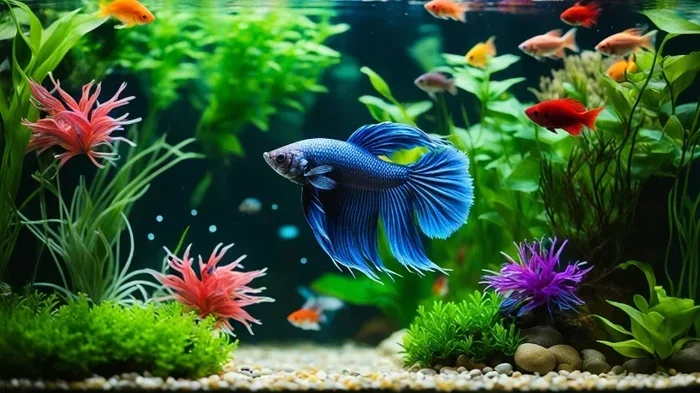
This is the single most common and critical mistake new betta owners make. The enduring image of a betta in a decorative vase or a one-gallon “desk tank” is the primary reason their lifespans are so often truncated. Let’s be unequivocal: a betta does not belong in a bowl. The absolute minimum tank size for a single betta is 5 gallons. Why is this so important?

Visual guide about How Long Will a Betta Fish Live
Image source: bestfishkeeping.com
- Water Volume Stability: More water means toxins (ammonia, nitrite) from fish waste are diluted to less harmful concentrations. In a 1-gallon tank, a single defecation can spike ammonia to lethal levels. In a 5-gallon tank, that same waste is diluted five times over, giving your filter and beneficial bacteria a fighting chance.
- Swimming Space: Bettas are active, curious fish. They need room to explore, flare at their reflection, and patrol their territory. Confinement in a tiny space causes severe stress, which suppresses the immune system and leads to disease.
- Temperature Stability: Small volumes of water heat and cool erratically. A stable tropical temperature is impossible to maintain in a tiny container, leading to dangerous temperature shocks.
- Enrichment Potential: A 5-gallon tank allows for a proper substrate, live or silk plants, caves, and other decorations that provide mental stimulation and reduce stress.
Setting Up the Perfect Betta Home: A Checklist
If you’re setting up a new tank, here’s what your betta’s forever home needs:
- Tank: A 5-gallon (or larger) glass or acrylic aquarium. Long, shallow tanks are often preferred over tall, narrow ones as bettas are labyrinth fish that frequently gulp air from the surface and prefer horizontal swimming.
- Heater: A reliable, fully submersible aquarium heater with a thermostat. For a 5-gallon tank, a 25-watt heater is usually sufficient. Never rely on room temperature or “ambient” warmth.
- Filter: A gentle filter is essential. Bettas have delicate fins and originate from slow-moving waters. Sponge filters are an excellent, gentle choice. Hang-on-back (HOB) filters can work if you baffle the outflow (use a sponge or mesh to diffuse the current). The filter must run 24/7 to house the beneficial bacteria that process waste.
- conditioner: A water conditioner to dechlorinate tap water is mandatory. It neutralizes chlorine and chloramines, which are deadly to fish and beneficial bacteria.
- Substrate & Décor: Sand or smooth gravel. Provide plenty of plants (live plants like Java fern or Anubias are fantastic for water quality) and silk plants. Avoid plastic plants with sharp edges that can tear fins. Include caves, logs, or other hiding spots.
- Secure Lid: Bettas are notorious jumpers. A tight-fitting lid is non-negotiable.
The Nitrogen Cycle: The Invisible Lifeline
Setting up the tank is just step one. The most important process you must understand and complete is the nitrogen cycle. This is the establishment of a colony of beneficial bacteria that convert toxic fish waste (ammonia) into less harmful nitrite, and then into relatively safe nitrate. Adding your betta to an uncycled tank is like moving him into a house with a broken toilet—waste will rapidly poison him. Cycling a tank takes 4-6 weeks. You must add an ammonia source (fishless cycling using pure ammonia is best), test the water regularly with a liquid test kit, and wait until ammonia and nitrite read 0 ppm and nitrate is present before adding your fish. This process is the foundation of long-term water quality and health.
Water Quality: The Daily Ritual for Longevity
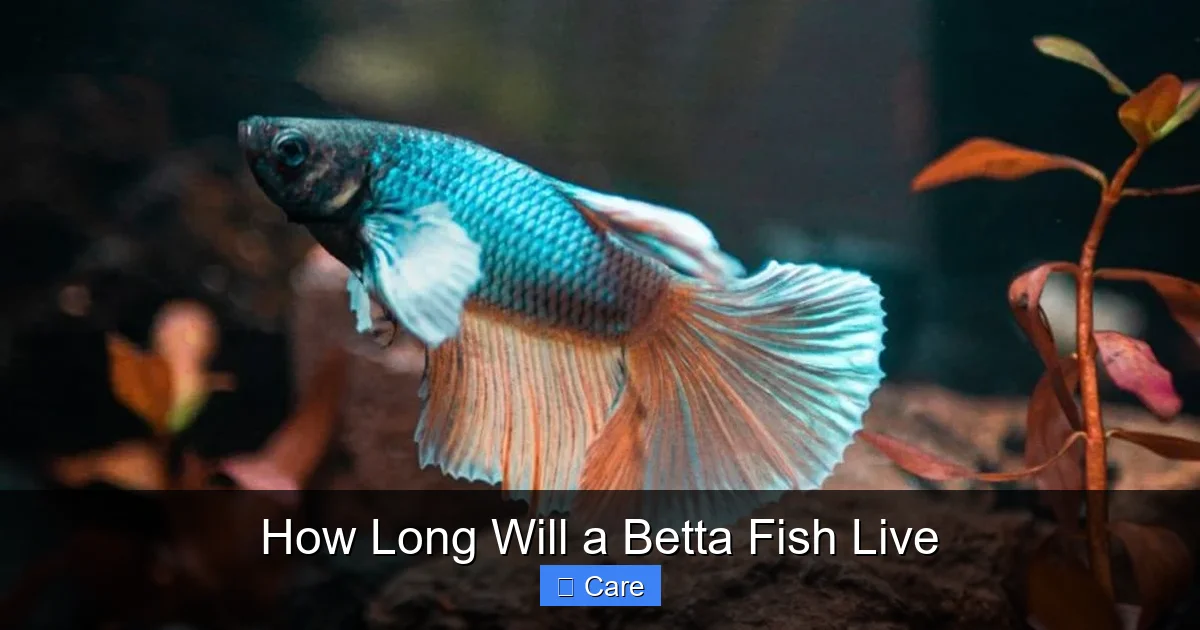
Once your tank is cycled and your betta is home, your primary ongoing responsibility is maintaining pristine water quality. This is the single biggest factor you control that directly impacts how long your betta fish will live. Poor water quality is the root cause of nearly all betta ailments—from fin rot to ich to internal organ failure.
Visual guide about How Long Will a Betta Fish Live
Image source: cafishvet.com
The Weekly Water Change Ritual
This is your most important maintenance task. Even with a filter, you must perform regular partial water changes to remove built-up nitrate (the end product of the cycle) and other dissolved organics.
- Frequency: Once a week, without fail.
- Volume: Replace 25-50% of the tank’s water weekly. For a 5-gallon tank, that’s 1.25 to 2.5 gallons.
- Method: Use a gravel vacuum to siphon debris from the substrate while removing the old water. This cleans the tank bottom and removes waste in one step.
- New Water: The replacement water must be dechlorinated with a water conditioner and matched closely to the tank’s temperature (within 1-2 degrees). Never add cold tap water directly.
- Never remove and replace 100% of the water at once unless it’s an emergency. This destroys the beneficial bacterial colony and crashes the cycle.
Understanding Your Water Parameters
You don’t need to be a chemist, but you need to understand three key numbers. Invest in a liquid water test kit (like the API Freshwater Master Test Kit). Test strips are notoriously inaccurate.
- Ammonia (NH3/NH4+): Should always be 0 ppm. Any detectable ammonia is toxic and burning your fish’s gills.
- Nitrite (NO2-): Should always be 0 ppm. Nitrite prevents blood from carrying oxygen, essentially suffocating the fish.
- Nitrate (NO3-): Should be kept below 20 ppm. While less toxic, high nitrate causes stress and organ damage over time. Water changes are your only tool to control this.
- pH: Bettas are adaptable but prefer a slightly neutral to slightly acidic range (6.5-7.5). Stability is more important than hitting an exact number. Avoid sudden swings.
Nutrition: Fueling a Long, Healthy Life
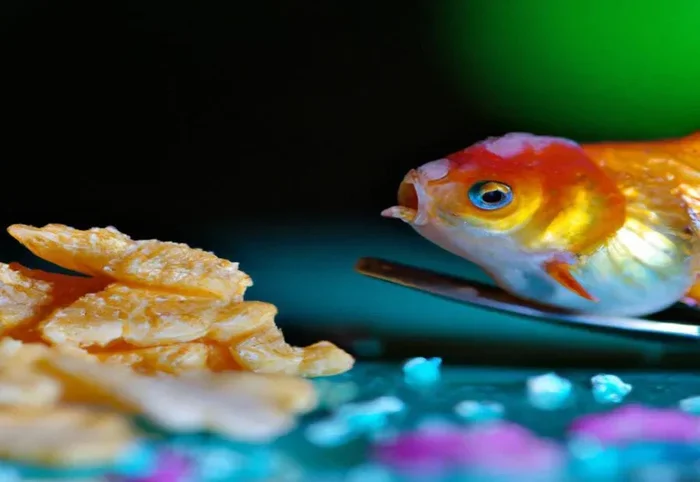
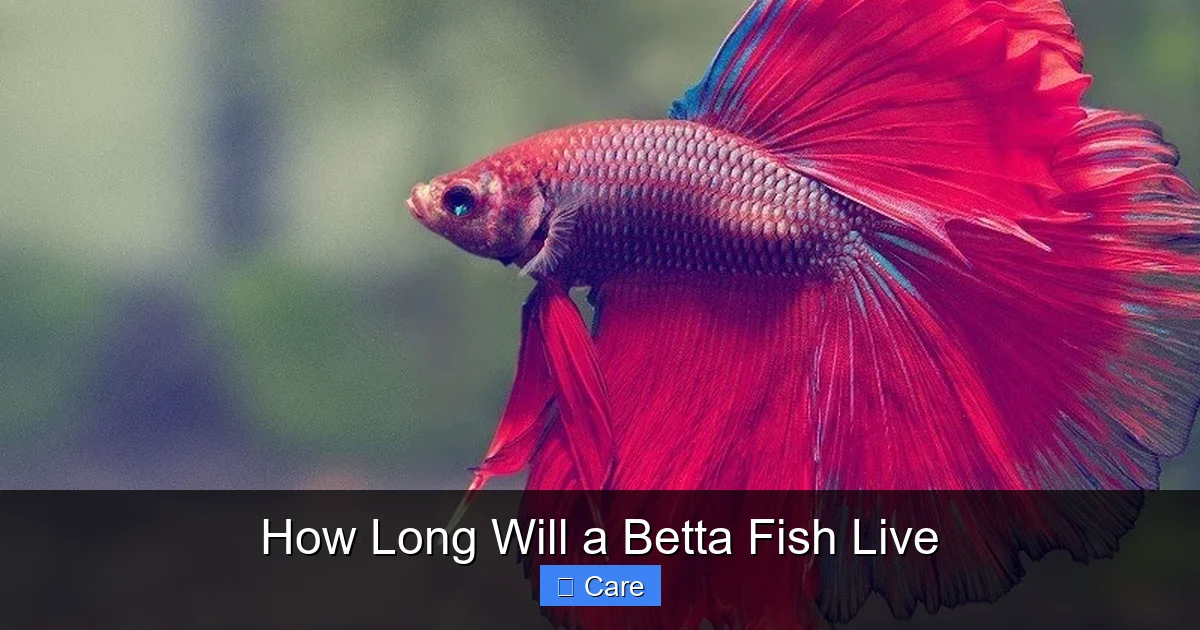
You are what you eat, and that goes for bettas too. A proper diet is the fuel for a strong immune system, vibrant colors, and flowing fins. The staple of a betta’s diet should be high-quality betta pellets. Look for pellets where the first few ingredients are whole fish or seafood (e.g., salmon, shrimp, krill), not fillers like wheat or soy.
Visual guide about How Long Will a Betta Fish Live
Image source: petsofun.com
Building a Varied and Balanced Diet
Pellets alone are like eating only cereal. They should be the base, but variety is key.
- Staple: Feed 2-3 high-quality pellets once or twice a day, only what your betta can consume in 2-3 minutes. Overfeeding is the #1 cause of water quality problems and constipation.
- Treats/Frozen Foods: 2-3 times a week, supplement with a small portion of frozen foods like brine shrimp, daphnia, or bloodworms. These are high in protein and closely mimic their natural diet. Thaw frozen food in a dish of tank water before offering.
- Live Foods: Occasionally, you can offer live foods like microworms or cultured brine shrimp. This provides excellent stimulation but carries a slight risk of introducing parasites if not from a trusted source.
- Fasting: It’s a good practice to fast your betta one day a week. This gives their digestive system a rest and helps prevent constipation, a common cause of swim bladder issues.
Foods to Absolutely Avoid
Stay away from generic “tropical fish flakes” – bettas are surface feeders and often won’t eat sinking food. Never feed live foods caught from unknown sources (like mosquito larvae from a pond) due to parasite risk. Most importantly, never overfeed. A betta’s stomach is roughly the size of its eye. Excess food rots in the tank, polluting the water and harming your fish.
Health and Disease: Prevention Over Cure
A healthy betta in a pristine tank is a resilient betta. Most common betta diseases are directly linked to poor water quality, stress, or poor diet. The best way to answer how long will a betta fish live is to prevent disease before it starts.
Common Ailments and Their Roots
- Fin Rot: A bacterial infection causing frayed, shredded, or blackened fin edges. Cause: Poor water quality, especially high ammonia/nitrite, or physical injury.
- Ich (White Spot Disease): A parasitic infection causing tiny white salt-like spots on the body and fins. Fish will scratch against objects. Cause: Stress from poor water conditions, temperature fluctuations, or introduction of an infected fish/object.
- Swim Bladder Disorder (SBD): The fish floats upside down, sinks, or swims erratically. Cause: Most commonly overfeeding leading to constipation. Can also be from bacterial infection or physical injury.
- Velvet: A parasitic infection causing a gold or rust-colored dusting on the fish. Fish will become lethargic and scratch. Cause: Stress and poor water quality.
Your First Line of Defense: The Hospital Tank
Always have a small, bare “hospital tank” (2-5 gallons) set up and cycled. If you notice your betta showing signs of illness (clamped fins, loss of appetite, lethargy, spots, frayed fins), immediately move it to the hospital tank. This allows you to treat the fish with medications without harming the beneficial bacteria in your main display tank or exposing other fish (if you have any). Treatment often involves raising the water temperature slightly (to 82-84°F) and using appropriate medications (e.g., malachite green for velvet, antibiotics for bacterial fin rot) following dosage instructions precisely.
Senior Betta Care: Nurturing the Golden Years
If you’ve followed all the advice so far, you may find yourself with a betta that surpasses the 4-year mark. This is a testament to your excellent care. Senior bettas, like all aging pets, need some adjustments.
Recognizing the Signs of Aging
You’ll notice your betta slowing down. Flaring and active patrolling may decrease. Colors might become slightly less vibrant. Fins may not be as full or may develop a slight curl. This is normal aging, not necessarily illness. Their metabolism slows, so you may need to slightly reduce food quantity and ensure it’s highly digestible.
Adjustments for an Elderly Betta
- Softer Filtration: A strong filter current that was fine for a young betta can become exhausting for an older one with less energy. Ensure the flow is very gentle or use a sponge filter.
- Easier Access to Food: If your betta has trouble reaching the surface due to buoyancy issues or weakness, consider using a feeding dish on the tank bottom or offering food that sinks slowly.
- Warmer, Stable Temperature: Keep the temperature at the higher end of the range (79-80°F) to help with digestion and circulation, but ensure it is rock-solid stable. Temperature swings are extra dangerous for seniors.
- Closer Monitoring: Check on your senior betta daily. Be extra vigilant about water quality, as their immune systems are not as robust. A slight drop in water quality can cause a rapid decline.
- Comfort Over Enrichment: While enrichment is still good, prioritize calm, easy-to-access resting spots near the water surface (bettas like to rest on leaves). Remove any décor that might be difficult to navigate.
The Ultimate Answer: It’s Up to You
So, after all this, how long will a betta fish live? The biological potential is 5-7 years with excellent care, with outliers living longer. But the real answer, the one that matters, is this: your betta will live as long as you choose to provide for its needs. The lifespan is a direct equation: Quality of Care = Length and Quality of Life.
You now hold the blueprint. You know the bowl is a death sentence and the 5-gallon tank is the starting line. You understand that crystal-clear water, achieved through cycling and diligent weekly changes, is the elixir of life. You know that a warm, stable environment and a protein-rich, varied diet are the daily vitamins. You can spot the early signs of stress and disease and know how to respond. You are prepared to adapt as your betta ages.
The journey of betta ownership is one of quiet fascination. Watching your fish explore its planted kingdom, flare at its own reflection, or gently take a food pellet from your fingers is a unique joy. By committing to the knowledge and routine outlined here, you are not just asking how long it will live; you are actively deciding to give it the best possible life for as long as you can. That vibrant little life in your care is a testament to your dedication. Start with the right tank, master the water changes, and enjoy the years of beauty and personality that follow.
Frequently Asked Questions
Can betta fish live in a bowl or vase?
No. A bowl or vase is too small to maintain stable water temperature, quality, or provide adequate swimming space. It leads to rapid toxin buildup and severe stress, drastically shortening a betta’s lifespan. A minimum 5-gallon cycled aquarium with a filter and heater is essential for health and longevity.
How often should I change my betta’s water?
Perform a 25-50% partial water change once a week, every week, without exception. Use a gravel vacuum to clean the substrate and always treat the new water with a dechlorinator before adding it to the tank. This removes toxic waste buildup and is the single most important maintenance task.
What temperature should a betta tank be?
Bettas require a stable tropical water temperature between 78°F and 80°F (25.5°C – 27°C). You must use an aquarium heater with a thermostat; room temperature is not sufficient or reliable. Sudden temperature drops are extremely stressful and can lead to illness.
How can I tell if my betta is healthy or sick?
A healthy betta is active, alert, has fully extended, vibrant fins, and eats readily. Signs of sickness include lethargy, clamped fins, loss of appetite, faded colors, frayed or torn fins (fin rot), white spots (ich), gold dust (velvet), or abnormal swimming (swim bladder issues). Poor water quality is the most common cause.
Do betta fish need tank mates?
Bettas are solitary and territorial by nature. A single betta in its own tank is the safest and least stressful setup. While some experienced keepers successfully house bettas with specific, peaceful community fish in larger, heavily planted tanks (a “community tank”), it is not recommended for beginners and always carries a risk of aggression or stress.
Do betta fish recognize their owners?
Yes, bettas are intelligent and can learn to recognize the person who feeds them. They will often come to the front of the tank when they see their owner and may even follow a finger along the glass. They can be trained to do simple tricks like jumping for food, showcasing their personality and awareness.