How Do You Know If Your Betta Fish Likes You

Figuring out if your betta fish likes you is easier than you think. Your betta shows affection through bright colors, flaring, bubble nests, and swimming patterns. This guide covers every clear sign that your betta fish is happy and bonded with you.
Have you ever wondered if your betta fish actually knows you exist? It might seem like your fish just swims around all day, ignoring everything. But the truth is, betta fish are more aware than most people think. They can recognize their owners, respond to routines, and even show affection in their own unique ways.
So, how do you know if your betta fish likes you? There are several clear signs that reveal your betta’s feelings. From bright colors to playful swimming, your fish tells you a lot more than you might expect. In this guide, we will walk you through every sign of betta fish affection. You will learn what behaviors to watch for and how to strengthen your bond.
Understanding your betta’s body language is the first step toward becoming a better fish owner. Whether you are a beginner or have had bettas for years, this guide will help you read the signs. Let us dive in and explore how your betta fish shows love.
Key Takeaways
- Color changes: A betta that likes you will show vibrant, bright colors when you approach the tank.
- Flaring behavior: Gentle flaring is a sign of excitement and curiosity, not always aggression.
- Bubble nests: Building bubble nests shows your betta feels safe and comfortable in its environment.
- Swimming patterns: A happy betta swims to the front of the tank and follows your movements.
- Food begging: Your betta will eagerly anticipate feeding time and recognize you as the provider.
- Body language matters: Relaxed fins and smooth movements signal trust and comfort around you.
- Bonding takes time: Consistent care, gentle interaction, and a clean tank help build lasting trust with your betta.
📑 Table of Contents
Signs Your Betta Fish Likes You
Betta fish may not wag their tails or bark, but they communicate in their own way. Once you know what to look for, their signs of affection become obvious. Here are the top signals that your betta fish feels comfortable and happy around you.
Bright and Vibrant Colors
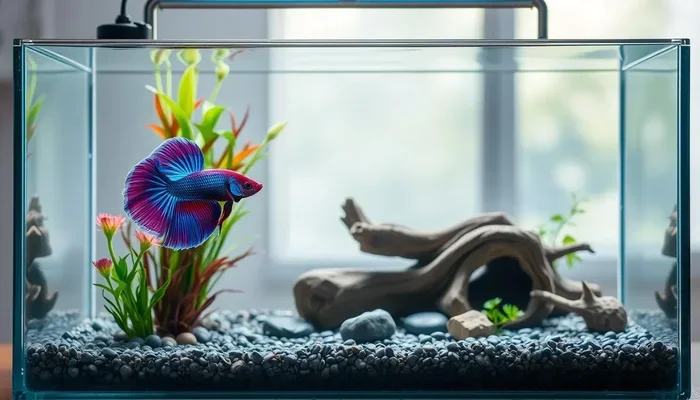
A betta fish that likes you will show off its best colors. When your fish sees you approaching, watch for a sudden glow in its fins and body. Dull or faded colors often mean stress or illness. But vibrant, intense colors signal a happy and relaxed betta.
This color change happens because your betta feels safe around you. When a fish is stressed, it releases hormones that dull its appearance. A comfortable betta, on the other hand, displays its full beauty. If your fish looks especially bright when you walk by, that is a great sign.
Flaring at You
Many people think flaring means aggression. But flaring can also mean excitement. When your betta flares its gills and fins gently as you approach, it is paying attention to you. A quick, short flare is different from prolonged aggressive flaring at another fish.
Think of it like your betta saying, “Hey, I see you!” Some bettas even flare during feeding time because they are excited. If your fish flares and then settles back down calmly, that is a healthy response. It shows curiosity and interest, not fear or anger.
Bubble Nests
Bubble nests are one of the most interesting signs of a content betta fish. Male bettas build these floating clusters of bubbles at the surface of the water. A healthy bubble nest means your betta feels secure and comfortable in its environment.
While bubble nests are related to breeding behavior, they also show overall happiness. A stressed betta will not build bubble nests. So if you notice one forming, take it as a compliment. Your betta feels right at home, and that includes feeling good about its surroundings and you as its caretaker.
Swimming to the Front of the Tank
A betta that likes you will often swim to the front of the tank when you are nearby. This is one of the clearest signs of recognition. Your fish has learned your presence and associates you with interesting things, like food and interaction.
If your betta hides behind decorations or stays in corners, that could mean stress. But a fish that greets you at the glass is showing trust. Try waving gently or tapping softly on the tank. If your betta swims closer, it is saying hello in its own way.
Food Begging and Recognizing You
Betta fish are smart creatures. Over time, they learn to recognize the person who feeds them. If your betta swims to the front of the tank when you walk into the room, that is a strong sign of recognition.
Food begging is a natural behavior that shows your betta associates you with mealtime. To keep your betta healthy, follow a proper feeding schedule. Most bettas do well with feeding twice a day in small amounts. This routine helps build trust and keeps your fish happy.
Understanding Betta Fish Body Language
Reading your betta fish body language is like learning a new language. It takes patience, but once you get the hang of it, you will never look at your fish the same way again. Every movement, color change, and fin position sends a message.
Relaxed Fins vs. Clamped Fins
When your betta is happy and comfortable, its fins will be open and flowing. The fish will glide smoothly through the water with ease. Clamped fins, where the fins are held close to the body, signal stress or illness. This is one of the most important body language cues to learn.
If you notice clamped fins, check your water quality immediately. Poor water conditions are a leading cause of stress in betta fish. Proper betta care includes regular water changes and maintaining the right temperature.
Tail and Fin Movements
A betta that likes you may follow your finger or a moving object outside the tank. This slow, deliberate swimming shows interest and curiosity. The tail and fins move with purpose, not frantically.
On the other hand, rapid darting or jerky movements indicate fear or agitation. A happy betta moves with grace and calm energy. Watch how your fish moves during different times of day to better understand its mood patterns.
Color Fading as a Warning Sign
We mentioned bright colors as a positive sign. But the reverse is also true. If your betta’s colors start fading, something is wrong. Color loss can indicate stress, poor diet, illness, or an uncomfortable tank environment.
Use a simple checklist to assess what might be causing the change:
- Is the water temperature between 76 and 82 degrees Fahrenheit?
- Have you changed the water recently?
- Is the tank too small or overcrowded?
- Are there aggressive tank mates?
- Is your betta getting a balanced diet?
Addressing these factors can bring back your betta’s vibrant colors and overall wellbeing.
Behaviors That Show Affection
Beyond body language, betta fish display specific behaviors that show affection and trust. These actions are easy to spot once you know what they mean.
Following Your Hand Around the Tank
Some bettas will follow a hand that moves along the outside of the tank. This behavior shows curiosity and a desire to interact. It is one of the most endearing signs that your fish enjoys your presence.
Try slowly moving your hand near the glass during feeding time. If your betta follows the motion, it has accepted you as part of its daily routine. Not all bettas will do this, but many do when they feel safe.
Responding to Your Voice
Betta fish can detect vibrations in the water. While they may not understand words, they can sense when you are talking near the tank. Some owners report that their bettas swim to the surface when they hear familiar voices.
Speaking softly to your betta during water changes or feeding can help build familiarity. Over time, your fish will associate your voice with positive experiences. This is a simple but effective way to strengthen your connection.
Playing and Interacting
Betta fish enjoy mental stimulation, and some even enjoy playing with their owners. You can use a small mirror briefly to see your betta flare, or place a finger on the glass to encourage swimming. Playing with your betta fish is a great way to bond and keep your fish mentally active.
Just remember that playtime should be short and gentle. Too much stimulation can stress your betta. A few minutes of interaction a day is plenty to keep your fish engaged and happy.
How to Build Trust With Your Betta Fish
Building trust with a betta fish takes consistency and patience. Your fish needs to feel safe in its environment and comfortable around you. Here are proven ways to strengthen your bond.
Maintain a Clean and Stable Tank
A clean tank is the foundation of a happy betta. Regular water changes remove harmful toxins and keep conditions stable. Most experts recommend changing 25 to 30 percent of the water every week. Keeping the tank clean on a consistent schedule reduces stress and promotes healthy behavior.
Stick to a Routine
Betta fish thrive on routine. Feed them at the same times each day. Perform water changes on a predictable schedule. The more consistent you are, the faster your betta will learn to trust you.
Routines help your fish feel secure. When a betta knows what to expect, it spends less time being anxious and more time showing natural behaviors, including affection toward you.
Approach the Tank Calmly
Sudden movements or loud noises near the tank can startle your betta. Approach the tank slowly and speak softly. Over time, your betta will learn that your presence is not a threat.
Avoid tapping on the glass repeatedly. While some bettas get used to it, others find it stressful. Gentle interactions build trust much faster than startling your fish.
Common Signs Your Betta Fish Is Unhappy
It is just as important to recognize when your betta is unhappy. Catching warning signs early can prevent serious health problems. Here are the most common indicators of a stressed or unhappy betta.
- Hiding constantly: A betta that hides all the time is likely stressed or sick.
- Loss of appetite: Refusing food for more than a day or two is a red flag.
- Dull colors: Faded or pale coloring often signals unhappiness or illness.
- Clamped fins: Fins held close to the body indicate discomfort.
- Rapid breathing: Fast gill movement can mean poor water quality or stress.
- Lethargy: A betta that barely moves may be unwell or in an unsuitable environment.
If you notice any of these signs, check your water parameters and tank conditions right away. Sometimes a simple water change makes all the difference. For more detailed guidance on identifying illness, check out how to tell if your betta fish is sick.
Tips for Strengthening Your Bond
Want to take your relationship with your betta to the next level? Try these practical tips that experienced betta owners swear by.
- Feed by hand: Offer a few pellets from your fingers during feeding. This creates a direct positive association with your presence.
- Talk to your betta daily: Even a few minutes of soft talking helps your fish get used to your voice and vibrations.
- Decorate the tank thoughtfully: Add plants, caves, and open swimming space. A well-designed tank makes your betta feel at home.
- Keep the tank in a quiet area: Avoid placing the tank near loud electronics or high-traffic areas. A calm environment reduces stress.
- Be patient: Some bettas warm up to their owners faster than others. Give your fish time to adjust and trust you.
Remember that every betta has its own personality. Some are outgoing and social, while others are shy and reserved. Both types can form strong bonds with their owners. The key is to respect your fish’s individual temperament and adjust your approach accordingly.
Expert Insights on Betta Fish Bonding
Experienced betta owners and aquatic specialists agree that bonding with a betta is very possible. According to many hobbyists, the bonding process typically takes two to four weeks of consistent care. During this time, the betta learns to recognize its owner’s presence and routine.
Some experts suggest that bettas can even distinguish between different people. They may swim eagerly toward the person who feeds them and ignores others. This level of recognition shows just how intelligent and perceptive these beautiful fish really are.
The most important factor in bonding is consistency. A betta that receives reliable care, clean water, and gentle interaction will always be more responsive and affectionate. The effort you put into understanding your fish pays off in a rewarding relationship.
Conclusion
Now you know exactly how do you know if your betta fish likes you. From bright colors and gentle flaring to bubble nests and swimming at the front of the tank, your betta has many ways of showing affection. Paying attention to these signs helps you become a better owner and creates a deeper connection with your fish.
Remember that every betta is unique. Some will show affection openly, while others are more subtle. The most important thing is to provide a clean, safe, and stimulating environment. With patience and consistent care, your betta will reward you with trust and recognizable bonding behaviors.
Start paying closer attention to your betta’s behavior today. You might be surprised by what your fish has been trying to tell you all along.
Frequently Asked Questions
How long does it take for a betta fish to recognize its owner?
Most betta fish recognize their owner within two to four weeks of consistent interaction. Feeding on a regular schedule and speaking softly near the tank helps speed up this process. The more time you spend near the tank, the faster your betta will learn to associate you with positive experiences.
Can a betta fish bond with more than one person?
Yes, bettas can recognize multiple people, especially those who feed them or interact with the tank regularly. However, they often show the most excitement toward their primary caregiver. The person who maintains the tank and provides food most consistently will usually receive the strongest response from the betta.
Why does my betta fish flare at me but still seem happy?
Gentle flaring is a normal sign of curiosity and excitement, not necessarily aggression. If your betta flares briefly and then returns to normal swimming behavior, it is likely just acknowledging your presence. Prolonged or aggressive flaring at another fish in the same tank, however, could indicate territorial stress.
What should I do if my betta fish hides when I approach the tank?
Hiding often means your betta is stressed or not yet comfortable with your presence. Try approaching the tank more slowly and avoid making sudden movements. Check your water quality and make sure the tank has plenty of hiding spots and plants. Over time, with gentle and consistent care, most bettas will become more confident and visible.
Do betta fish remember their owners?
Yes, betta fish have been shown to have memory capabilities that go beyond simple instinct. They can remember feeding routines, recognize their owners, and even recall specific interactions. This is why bettas often swim to the front of the tank when their owner approaches, showing recognition and anticipation.
How can I tell if my betta fish is happy or just not stressed?
A truly happy betta displays bright colors, active swimming, interest in its surroundings, and regular appetite. A fish that is simply not stressed may still be dull and inactive. Look for a combination of vibrant coloring, eagerness at feeding time, and curious exploration of the tank to confirm genuine happiness and contentment.