What Fish Can I Put with a Betta

Looking to share your betta’s home? This guide reveals the safest fish companions, tank set‑up basics, and practical tips so your betta and tank mates thrive together. Read on to avoid aggression and keep the aquarium peaceful.
Key Takeaways
- Size matters: Choose small, fast‑moving fish that won’t fit into a betta’s mouth.
- Temperament is key: Peaceful, non‑aggressive species reduce the risk of fin‑nipping.
- Tank space: A minimum of 10 gallons is recommended for most community setups.
- Water parameters: Keep temperature, pH, and hardness similar to betta’s needs.
- Introduce slowly: Quarantine new fish and add them gradually to watch behavior.
- Plants and hiding spots: Live plants, caves, and driftwood give your betta places to retreat.
- Observe daily: Early signs of stress mean it’s time to re‑evaluate the community.
📑 Table of Contents
- Introduction: Can Betta Fish Have Friends?
- Understanding Betta Behavior
- Essential Tank Requirements
- Top Fish Species That Usually Get Along
- Species to Avoid
- Step‑by‑Step Guide to Introducing New Tank Mates
- Maintaining Harmony Over Time
- Frequently Asked Questions (FAQs)
- Conclusion: Creating a Peaceful Betta Community
Introduction: Can Betta Fish Have Friends?
Betta fish, often called Siamese fighting fish, are famous for their bright colors and feisty personalities. Many beginners wonder, “what fish can i put with a betta?” The short answer is yes—under the right conditions, a betta can share a tank with carefully chosen companions.
In this article we’ll walk through the factors that decide compatibility, list the top fish species that usually get along, and share practical set‑up tips. Think of it as a chat over coffee with a fellow fish lover, where we keep the language simple and the advice realistic.
Understanding Betta Behavior
Territorial instincts
Male bettas are especially territorial. In the wild they defend small stretches of water, and in a small aquarium that instinct can turn into aggression toward anything that looks like a rival. Female bettas are generally less aggressive but can still be protective of their space.

Visual guide about What Fish Can I Put with a Betta
Image source: media-be.chewy.com
Fin‑nipping risk
Betta mouths are designed for surface feeding, not for catching fast swimmers. However, they may nip at long, flowing fins of other fish, mistaking them for another betta. Choosing short‑finned or fast‑moving tank mates helps prevent this.
Essential Tank Requirements
Size and layout
Even the most peaceful community needs room to establish territories. A 10‑gallon (38 L) tank is the practical minimum for a male betta with one or two small companions. Larger tanks (20+ gallons) give you more flexibility and reduce stress for all fish.

Visual guide about What Fish Can I Put with a Betta
Image source: buildyouraquarium.com
Water parameters
- Temperature: 76‑82°F (24‑28°C) – same as betta’s preferred range.
- pH: 6.5‑7.5 – slightly acidic to neutral.
- Hardness: 5‑20 dGH – moderate.
Keeping these values stable is crucial because sudden shifts can trigger aggression.
Filtration and flow
Betas appreciate calm water, so use a gentle sponge filter or a low‑flow hang‑on‑back unit. Too much current will stress the betta and may also push slower swimmers into the betta’s territory.
Plants and hiding places
Live plants like Java fern, Anubias, and hornwort create natural barriers. Add driftwood, caves, or PVC tubes to give shy tank mates places to retreat. This also helps break the line of sight, which can calm a betta.
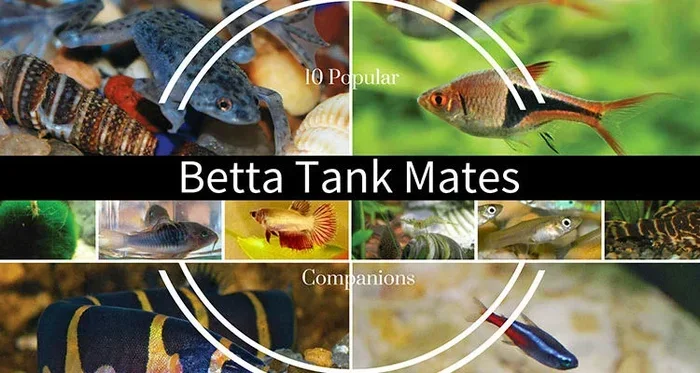
Top Fish Species That Usually Get Along
Below are the most reliable companions. Remember, individual personalities vary, so always monitor new introductions.

Visual guide about What Fish Can I Put with a Betta
Image source: petshun.com
1. Neon Tetras
- Size: 1.5 in (4 cm)
- Temperament: Peaceful, schooling
- Why they work: Their fast swimming and tiny fins make them uninteresting to a betta’s aggression.
2. Ember Tetras
- Size: 0.8 in (2 cm)
- Temperament: Very calm, prefers groups of 6‑8.
- Why they work: Their bright orange hue adds color without provoking the betta.
3. Harlequin Rasboras
- Size: 1.5‑2 in (4‑5 cm)
- Temperament: Semi‑active, schooling.
- Why they work: They stay in the mid‑water column, leaving the betta’s surface territory alone.
4. Corydoras Catfish
- Size: 2‑2.5 in (5‑6 cm)
- Temperament: Bottom‑dweller, very peaceful.
- Why they work: They scavenge the substrate, keeping waste down, and they rarely interact with the betta.
5. Kuhli Loaches
- Size: 2‑3 in (5‑7 cm)
- Temperament: Shy, nocturnal.
- Why they work: They hide in sand and driftwood, providing activity without confronting the betta.
6. Small Snails (Nerite or Mystery)
- Size: 0.5‑1 in (1‑2.5 cm)
- Temperament: Non‑aggressive, algae eaters.
- Why they work: They help control algae and are ignored by most bettas.
7. Dwarf Shrimp (Cherry or Crystal)
- Size: 0.5‑1 in (1‑2.5 cm)
- Temperament: Peaceful, quick.
- Why they work: Shrimp can coexist if the betta is not a fin‑nipper; provide plenty of hiding places.
Species to Avoid
Fin‑nipping risks
Long‑finmed fish such as guppies, fancy goldfish, or fancy bettas are usually a bad idea. Their flowing tails are tempting targets for a betta’s mouth.
Aggressive or large fish
Cichlids, larger barbs, and aggressive tetras can challenge a betta and cause stress on both sides.
Other bettas
Never keep two male bettas together. Even two females can become territorial, especially in small tanks.
Step‑by‑Step Guide to Introducing New Tank Mates
1. Quarantine the newcomers
Keep any new fish in a separate tank for at least two weeks. This prevents disease and lets you observe their temperament.
2. Adjust the tank layout
Before adding companions, rearrange plants and decorations. A new layout breaks the betta’s established territory and reduces aggression.
3. Gradual introduction
Use a clear plastic bag or a breeding box to place the new fish in the betta’s tank for 15‑30 minutes each day. Watch for signs of stress (rapid fin movement, hiding).
4. Full release
If the betta remains calm, gently net the new fish and release it into a quiet corner of the tank. Keep an eye on interactions for the first 24‑48 hours.
5. Ongoing monitoring
Check daily for torn fins, faded colors, or unusual hiding. Early detection lets you act before serious injury occurs.
Maintaining Harmony Over Time
Regular water changes
Change 25‑30 % of the water weekly to keep parameters stable. Use a water conditioner to remove chlorine and chloramines.
Feeding routines
Feed bettas high‑quality pellets or frozen foods once or twice daily. Offer sinking wafers or micro‑worms to bottom dwellers. This reduces competition at the surface.
Trim plants and clean décor
Overgrown plants can block sight lines, making the betta feel cramped. Trim regularly and clean decorations to prevent algae buildup.
When to separate
If aggression escalates—persistent chasing, fin loss, or the betta hiding all day—it’s time to move one of the fish to a separate tank.
Frequently Asked Questions (FAQs)
Can I keep a male betta with a female guppy?
Generally no. Guppies have long, flowing fins that a male betta may see as a rival, leading to fin‑nipping.
Is it safe to keep a betta with a dwarf shrimp colony?
Yes, if the betta is not a known nipper. Provide plenty of plants and hideouts so the shrimp can escape.
Do bettas need a heater when kept with other fish?
Yes. All community fish should share the same temperature range (76‑82°F) to stay healthy.
Can I add a betta to an existing community tank?
It’s possible, but only if the tank is large (20+ gallons) and already houses peaceful, fast‑moving fish. Introduce the betta last and monitor closely.
What’s the best way to reduce a betta’s aggression?
Provide plenty of visual barriers, keep the tank well‑planted, and avoid bright, reflective surfaces that can trigger territorial displays.
How often should I feed a community tank with a betta?
Feed small amounts 2‑3 times a day, ensuring all fish get food. Remove uneaten food within a few minutes to keep water quality high.
Conclusion: Creating a Peaceful Betta Community
Answering “what fish can i put with a betta” isn’t a one‑size‑fits‑all formula. The key is matching temperament, size, and water needs while giving the betta enough space to feel secure. By selecting compatible species such as neon tetras, rasboras, or Corydoras, setting up a well‑planted 10‑gallon (or larger) tank, and introducing new residents slowly, you can enjoy a vibrant, lively aquarium that keeps both your betta and its companions happy.
Remember to observe daily, keep water parameters stable, and be ready to re‑home any fish that shows signs of stress. With patience and the right choices, your betta can share its beautiful home without turning it into a battlefield.
Frequently Asked Questions
Can bettas live with guppies?
Usually not. Guppies have long fins that attract betta aggression, leading to fin‑nipping.
Are snails a good addition to a betta tank?
Yes. Snails such as Nerite or Mystery help control algae and are ignored by most bettas.
What temperature should a community tank with a betta maintain?
Keep the water between 76‑82°F (24‑28°C) to suit the betta and most compatible fish.
How many fish can I keep with a single male betta?
In a 10‑gallon tank, 2‑3 small schooling fish (like neon tetras) work well; larger tanks allow more variety.
Do bettas need a filter?
A gentle filter is recommended to maintain water quality while providing low flow that won’t stress the betta.
What signs show that a betta is stressed by tank mates?
Frequent hiding, faded colors, frantic fin movement, or loss of appetite indicate stress and may require re‑evaluation of community members.