Is Betta Fish Dead
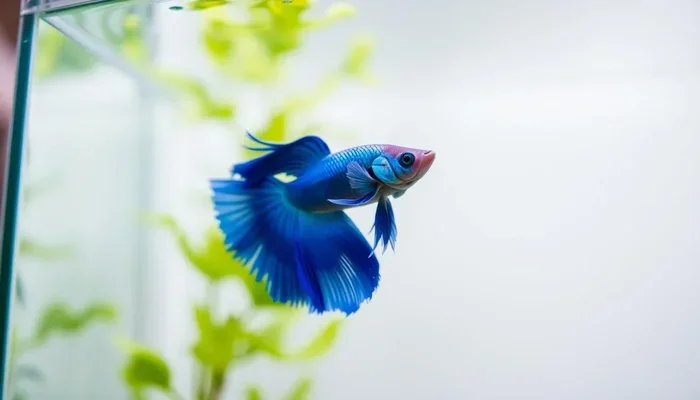
Figuring out if your betta fish is dead can be stressful and confusing. Many fish owners panic when their betta stops moving or floats strangely. This guide covers the clear signs of a dead betta fish, the top causes of death, and practical steps you can take to check your fish’s health. We also share tips on betta fish care that can help prevent future problems and keep your fish thriving.
Key Takeaways
- Look for stillness, lack of gill movement, and clouded eyes as the top signs your betta fish may have passed away.
- Common causes of betta fish death include poor water quality, wrong tank temperature, and untreated illness.
- Check for signs of life carefully before assuming the worst, as betta fish can sometimes appear dead when they are not.
- Quick water changes and proper tank setup go a long way in keeping your betta fish healthy and alive.
- Knowing the difference between a sleeping betta and a dead one saves many owners from unnecessary worry.
- Revival is possible in some cases if you act fast and address the root cause of your betta’s condition.
📑 Table of Contents
How To Tell If Your Betta Fish Is Dead
Finding your betta fish not moving can be scary. You stare at the tank, waiting for some sign of life. But how do you really know if your betta fish is dead? The answer is not always obvious. Many betta fish owners have panicked, only to find their fish was just sleeping or resting.
The good news is that there are clear signs you can look for. These signs help you figure out what is really going on with your fish. Let us break them down one by one so you can check with confidence.
Check for Gills and Fins
Start by looking at the gills. A living betta fish will have slow, steady gill movement. If the gills are completely still, that is a warning sign. Next, check the fins. A healthy betta will occasionally move its fins. Even a tiny fin flick means your fish is alive. If all fins are completely limp and still for a long time, your betta may have passed away.
Look at the Body Position
Betta fish that have died often sink to the bottom of the tank. Some may float at the surface. A dead betta fish usually lies flat on its side or stomach. The body may look stiff or rigid. If your fish is floating at the top and does not respond to anything, this could be a sign of death. You can also check if betta fish float when they are dead, as floating behavior is one of the most common indicators owners notice.
Check the Eyes and Mouth
Dead betta fish often have clouded or sunken eyes. The eyes may look dull and lose their natural shine. Also, check the mouth. A living betta will occasionally open its mouth to breathe. If the mouth stays shut and the body does not move at all for several hours, something is very wrong.
Common Signs Your Betta Fish May Have Passed Away
Not all signs of a dead betta fish are dramatic. Sometimes the clues are subtle. Here are the most common signs that owners notice when their betta has died.
- No response to food: Drop a tiny bit of food near your betta. A living fish will usually show interest. If the food sits untouched and the fish does not move, this is a red flag.
- Complete stillness: All betta fish rest sometimes. But if your fish stays completely still for many hours and does not respond to anything, that is unusual.
- Loss of color: A healthy betta has bright, vibrant colors. A fish that has passed away often turns pale or white. This fading of color happens because blood flow has stopped.
- Foul smell: This is the most obvious and unpleasant sign. A dead fish starts to smell within hours. If you notice a bad odor coming from your tank, check your fish immediately.
- Limp body: A living betta holds its body upright with a slight curve. A dead betta often goes completely limp and lies flat.
If you notice several of these signs at once, your betta fish may have died. It is a hard truth, but catching it early helps you take the right next steps.
Is My Betta Fish Sleeping or Dead?
Many owners confuse a sleeping betta with a dead one. Betta fish do sleep. They often rest on the tank floor or hide among plants. A sleeping betta will still breathe slowly. Its gills will move, even if just a little. The body may look relaxed but not stiff. If you shine a light near your fish and it shows no reaction at all, it might be dead rather than sleeping.
Some owners also wonder, why does my betta fish act dead, when the fish is actually alive but stressed or sick. Understanding this difference is important for proper care.
Why Betta Fish Die: Top Causes
Knowing the signs is only half the battle. Understanding why betta fish die helps you prevent it from happening. Most betta fish deaths come from a few common causes. Let us look at each one.
Poor Water Quality
This is the number one killer of betta fish. Dirty tank water builds up harmful chemicals like ammonia and nitrite. These toxins damage your fish’s organs over time. Even if your betta looks fine one day, bad water can make it very sick the next. Regular water changes and proper filtration are essential for betta fish care.
Wrong Tank Temperature
Betta fish are tropical fish. They need warm water to stay healthy. Water that is too cold slows down their body functions. Water that is too hot stresses them out. The ideal temperature for betta fish is between 76 and 82 degrees Fahrenheit. If the temperature drops too low, your fish can go into shock and die.
Overfeeding
It is easy to love your betta with too much food. But overfeeding causes serious problems. Uneaten food rots in the tank and pollutes the water. A bloated belly can also lead to internal problems. Feed your betta small amounts once or twice a day. Remove any leftover food after a few minutes.
Illness and Disease
Betta fish can get sick just like any other pet. Common diseases include fin rot, ich, and fungal infections. These illnesses can become deadly if not treated quickly. Signs of a sick betta include white spots, torn fins, and loss of appetite. If you notice any of these symptoms, act fast to treat your fish.
Old Age
Betta fish have a limited lifespan. On average, they live between 3 and 5 years. Some may live a bit longer with excellent care. As your betta gets older, its body slows down naturally. This is a normal part of life, and it is not something you did wrong.
Stress and Poor Tank Setup
Betta fish need a proper environment to thrive. A tank that is too small, too bright, or has aggressive tank mates causes constant stress. Over time, stress weakens the immune system. A stressed betta becomes more vulnerable to illness and death. Make sure your tank has enough space, gentle lighting, and peaceful companions.
Can You Revive a Dead Betta Fish?
This is the question every betta owner wants to know the answer to. The honest truth is that you cannot bring a truly dead fish back to life. However, many fish owners have mistaken a very sick or unconscious betta for a dead one. In those cases, quick action can save your fish.
If you catch the problem early, there are steps you can take to try and revive your betta. First, check the water temperature. Make sure it is in the right range. Second, do a partial water change with clean, treated water. Third, add aquarium salt to the tank. Aquarium salt helps reduce stress and supports gill function.
Some owners have had success with these revival methods. If you want to learn more about bringing your fish back, you can explore detailed guide on reviving a dead betta fish. Acting quickly and calmly gives your fish the best chance of survival.
When Revival Is Not Possible
Sometimes, despite your best efforts, your betta fish cannot be saved. If the body is stiff, the eyes are clouded, and there is no response to any stimuli, your fish has likely passed on. This is a sad moment for any fish owner. It is okay to grieve. You gave your fish a home and care, and that matters.
How To Prevent Your Betta Fish From Dying
The best way to deal with a dead betta fish is to prevent it from happening in the first place. Good prevention starts with a solid care routine. Here are the most important steps you can take.
Keep the Tank Clean
Change 25 to 30 percent of the tank water every week. Use a gravel vacuum to remove waste from the bottom. Clean the filter media gently in old tank water, not tap water. Clean water means a healthy betta fish.
Maintain the Right Temperature
Use a reliable aquarium heater to keep the water warm. Check the temperature daily with a thermometer. Avoid placing the tank near windows, air conditioners, or heaters that cause temperature swings.
Feed Properly
Give your betta high-quality pellets or frozen food. Feed only what your fish can eat in two minutes. Skip one feeding day per week to help your fish digest food properly.
Watch for Early Warning Signs
Pay attention to changes in your betta’s behavior. If your betta is hiding more than usual, not eating, or staying at the bottom of the tank, something may be wrong. Catching problems early gives you time to fix them before it is too late.
Choose the Right Tank Size
A small bowl is not enough for a betta fish. The best tank size for a betta fish is at least 5 gallons. A larger tank gives your fish room to swim and keeps water parameters more stable. You can learn more about choosing the right tank size here.
When To Accept That Your Betta Fish Has Died
Losing a pet fish is never easy. It can feel like a small loss to some people, but for betta fish owners, it is a real emotional experience. Your betta fish is a living creature that depended on you for care. Give yourself permission to feel sad.
Once you have confirmed that your betta fish has died, the next step is to handle the body properly. Do not flush a dead fish down the toilet. Wrap it in a paper towel and place it in a small container. You can bury it in your garden or dispose of it according to local guidelines. Cleaning the tank thoroughly after a death also helps protect any remaining fish.
If you have other fish in the tank, monitor them closely for the next few days. Sometimes illness spreads before you even notice the first fish has died. A water test kit can help you check for harmful chemicals in the water after a loss.
Many owners find comfort in learning from the experience. Understanding why did my betta fish die helps you provide better care for your next fish. Every loss teaches you something valuable about betta fish care and the responsibility of keeping aquatic pets healthy.
You can also check out our article on what does a betta fish look like when it is dead for more detailed visual descriptions of what to expect.
Conclusion
Figuring out if your betta fish is dead requires careful observation and patience. Look for the key signs: stillness, lack of gill movement, clouded eyes, and loss of color. Understand the common causes of death, including poor water quality, wrong temperature, illness, and old age. Act quickly if you think your fish is still alive, because early intervention can make all the difference. And most importantly, focus on prevention through proper betta fish care, clean water, and a well-set-up tank. Your efforts give your betta fish the best chance at a long, healthy, and happy life.
Frequently Asked Questions
How can I tell if my betta fish is dead or just sleeping?
A sleeping betta fish will still have slow gill movement and may respond to food or light. A dead betta fish will be completely still with no gill movement, clouded eyes, and a limp body. Wait a few hours and observe carefully before drawing any conclusions.
What causes betta fish to die suddenly?
Sudden death in betta fish is often caused by poor water quality, extreme temperature changes, or severe illness. Ammonia spikes in the tank are one of the most common hidden killers. Regular water testing helps prevent these sudden problems.
Can a betta fish come back to life?
A truly dead betta fish cannot be revived. However, many fish that appear dead are actually in a state of shock or severe illness. Quick water changes, proper temperature, and aquarium salt can sometimes bring a very sick betta back to health.
How long does a betta fish live?
On average, betta fish live between 3 and 5 years. With excellent care, proper diet, and clean water, some betta fish can live even longer. Genetics and tank conditions play a big role in their lifespan.
Should I remove a dead betta fish from the tank right away?
Yes, remove a dead fish as soon as you confirm it has passed away. A dead fish will start to decompose quickly, which can pollute the water and harm other fish in the tank. Use a small net or container to remove the body safely.
What should I do with my dead betta fish?
Wrap the body in a paper towel and place it in a sealed container. You can bury it in soil or dispose of it according to local waste guidelines. Never flush a dead fish down the toilet, as this can spread disease to water systems.