Why Do Betta Fish Tanks Get Dirty So Fast
Betta tanks turn cloudy quickly because of tiny fish waste, excess food, and the lack of proper filtration. Understanding the biology of bettas and setting up a routine cleaning schedule will stop the grime and keep your fish thriving.
Key Takeaways
- Small volume = fast waste buildup: A 2‑gal tank fills with harmful compounds far quicker than a larger aquarium.
- Over‑feeding is the biggest culprit: Uneaten flakes turn into sludge and fuel algae growth.
- Filtration matters: Even a gentle sponge filter can dramatically slow water clouding.
- Regular water changes are essential: Swapping 25‑30% of water weekly keeps nitrate and ammonia low.
- Tank decor and plants help: Live plants absorb waste, while smooth surfaces reduce debris sticking.
- Temperature and heater choice affect water quality: Poor heater placement can create dead zones where waste settles.
- Monitoring is key: Test kits and visual checks let you spot problems before they harm your betta.
📑 Table of Contents
- Introduction: The Mystery of the Murky Betta Tank
- 1. The Biology Behind the Mess
- 2. Over‑Feeding: The Fastest Route to Filthy Water
- 3. The Role of Filtration (Or Lack Thereof)
- 4. Water Changes: The Reset Button
- 5. Tank Setup: Decor, Plants, and Substrate
- 6. Temperature, Heater Placement, and Water Flow
- 7. Monitoring and Maintenance Routine
- Conclusion: Keep It Simple, Keep It Clean
Introduction: The Mystery of the Murky Betta Tank
If you’ve ever set up a bright, colorful betta tank only to watch it turn cloudy within days, you’re not alone. Many new betta owners ask, why do betta fish tanks get dirty so fast? The short answer is a mix of biology, tank size, and husbandry choices. The longer answer digs into the tiny waste particles a betta produces, how that waste interacts with food, and why a small volume of water can’t “dilute” the problem the way a larger aquarium can.
In this article we’ll break down the science, point out the most common mistakes, and give you a step‑by‑step plan to keep your water sparkling. Think of it as a friendly chat over a cup of tea, with plenty of practical tips you can start using tonight.
1. The Biology Behind the Mess
What a Betta Actually Produces
Bettas are small, but they’re not low‑maintenance when it comes to waste. Every bite of food creates ammonia in the gut, which is then excreted as waste. In a 2‑gallon tank that waste represents a much larger percentage of the total water volume than in a 20‑gallon system.

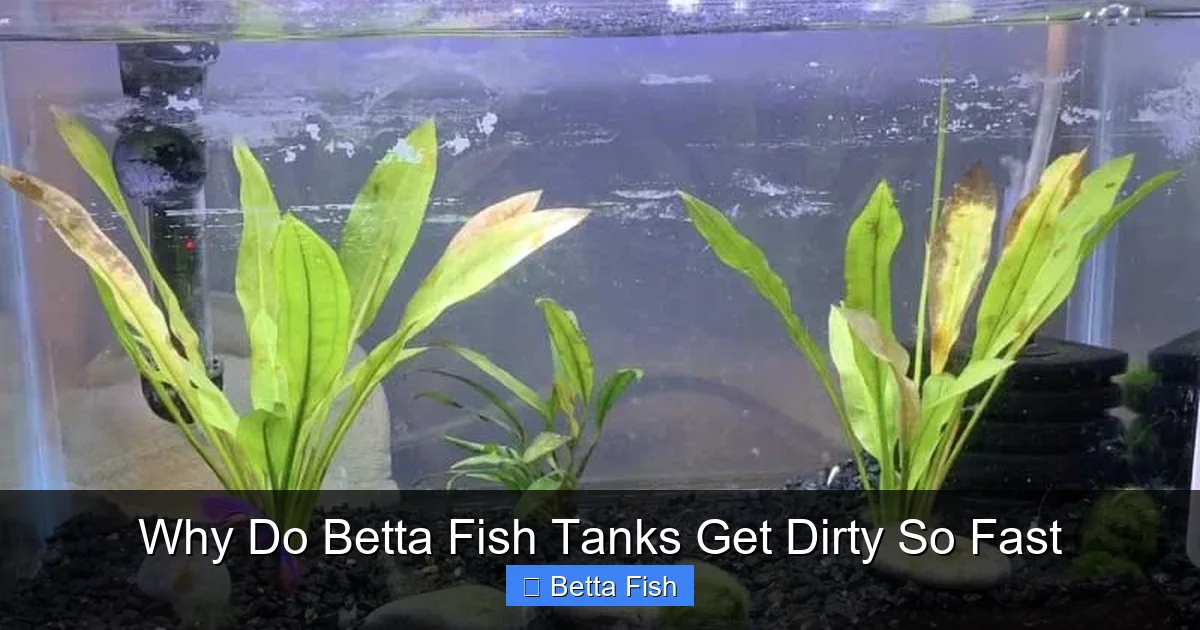
Visual guide about Why Do Betta Fish Tanks Get Dirty So Fast
Image source: bettafishnest.com
Ammonia → Nitrite → Nitrate
In a fully cycled tank, beneficial bacteria convert ammonia to nitrite and then to nitrate. However, a tiny betta tank often lacks enough surface area for a robust bacterial colony. This means the conversion process is slower, allowing ammonia and nitrite to build up quickly—both of which cloud the water and stress the fish.
Why the Water Turns Cloudy
Cloudiness isn’t just “dirt.” It’s a cocktail of:
- Fine fish feces (often invisible to the naked eye)
- Uneaten food particles
- Algal spores that bloom when nutrients are abundant
- Suspended bacteria and protozoa
All of these are amplified in a small tank, which is why the answer to our title question often starts with “because the tank is small.”
2. Over‑Feeding: The Fastest Route to Filthy Water
How Much Is Too Much?
Bettas have tiny stomachs. A pinch of high‑quality betta pellets or a few frozen brine shrimp twice a day is more than enough. Yet many owners give a handful of flakes, thinking “more food = a happier fish.” The excess never gets eaten, sinks, and begins to decompose.

Visual guide about Why Do Betta Fish Tanks Get Dirty So Fast
Image source: animalslog.com
Food That Fuels Algae
When food sits in the water, it releases phosphates and nitrates—two key nutrients for algae. In a small tank, even a little extra food can trigger a green, fuzzy film on the glass within 24‑48 hours.
Practical Feeding Tip
Use the “two‑second rule”: feed an amount that disappears in two seconds. If any remains, remove it with a small net or a turkey baster. This simple habit can cut waste production by half.
3. The Role of Filtration (Or Lack Thereof)
Do Betta Tanks Need Filters?
Even though bettas are often sold in “bowl‑style” setups, they still benefit from gentle filtration. A sponge filter, hang‑on‑back (HOB) filter, or even a small internal filter can keep particles suspended long enough for beneficial bacteria to work.

Visual guide about Why Do Betta Fish Tanks Get Dirty So Fast
Image source: animalslog.com
Choosing the Right Filter
Look for a filter with a flow rate of 3‑4 times the tank volume per hour. For a 2‑gallon tank, a 6‑8 GPH sponge filter is perfect. It provides surface area for bacteria, gently circulates water, and prevents dead zones where waste settles.
Internal Link Example
If you’re wondering whether a filter is truly necessary, read our guide on Do Betta Fish Need Filtered Tanks for a deeper dive.
4. Water Changes: The Reset Button
How Often Should You Change Water?
For most small betta tanks, a 25‑30% water change every 5‑7 days keeps nitrate levels under 20 ppm and removes suspended particles. If you notice cloudiness sooner, increase the frequency to twice a week.
Step‑by‑Step Water Change
- Turn off the heater and any air pumps.
- Use a siphon to remove 25‑30% of the water, stirring the substrate gently to lift debris.
- Rinse the siphon hose with tank water (not tap water) to avoid killing beneficial bacteria.
- Refill with water that matches tank temperature (within 1 °C) and is dechlorinated.
- Turn the heater back on and check the filter flow.
Why Dechlorinator Matters
Tap water contains chlorine or chloramine, which instantly kills the bacteria you’re trying to cultivate. A few drops of a water conditioner neutralize these chemicals, protecting both the fish and the bio‑film.
5. Tank Setup: Decor, Plants, and Substrate
Live Plants as Natural Filters
Plants like Anubias, Java fern, and Marimo moss absorb nitrates and provide hiding spots, reducing stress. They also compete with algae for nutrients, slowing down the green bloom.
Substrate Choices
Fine gravel can trap uneaten food, while sand may compact and create anaerobic pockets. A thin layer (1‑2 cm) of fine, inert substrate is ideal; it’s easy to vacuum and doesn’t harbor much waste.
Cleaning Decor Without Disrupting Bacteria
When you need to clean a rock or plant leaf, rinse it in tank water rather than tap water. This preserves the beneficial microbes that live on the surfaces.
6. Temperature, Heater Placement, and Water Flow
Heater Hotspots
Placing a heater at one corner creates a warm “dead zone” where water movement is low. Waste can settle there, turning the water murky. Position the heater near the filter inlet for better circulation.
Do Betta Fish Need Heaters?
Bettas are tropical; they thrive at 76‑82 °F (24‑28 °C). If your home temperature drops below 75 °F, a reliable heater is essential. For more details, see Do Betta Fish Need Heaters In Their Tanks.
Ensuring Adequate Flow
Too strong a current stresses bettas, but zero flow lets waste settle. Aim for a gentle swirl—just enough to keep particles moving without making the fish constantly fight the current.
7. Monitoring and Maintenance Routine
Testing Water Parameters
Invest in a basic test kit for ammonia, nitrite, nitrate, and pH. Test weekly and record the numbers. If you see ammonia or nitrite above 0 ppm, perform an immediate partial water change.
Visual Checks
Every day, spend a minute looking at the water surface. Bubbles, film, or a slight tint are early warning signs. A quick scrape with a soft algae pad can prevent a full‑blown cloud.
Monthly Deep Clean
Once a month, dismantle the filter, rinse the media in old tank water, and clean the glass with a non‑abrasive pad. Replace filter cartridges if they’re worn.
Conclusion: Keep It Simple, Keep It Clean
So, why do betta fish tanks get dirty so fast? The answer lies in the combination of a small water volume, the betta’s natural waste production, over‑feeding, and insufficient filtration. By understanding each factor and applying a consistent care routine—right amount of food, a gentle filter, regular water changes, and thoughtful tank setup—you can dramatically slow down the grime and give your betta a crystal‑clear home.
Remember, a clean tank isn’t just about looks; it’s the foundation of a healthy, vibrant betta. Start with one small change today, and watch the difference in both water clarity and your fish’s happiness.
Frequently Asked Questions
Why does my betta tank become cloudy after feeding?
Uneaten food releases nutrients that fuel algae and bacterial blooms. Removing excess food and feeding smaller amounts prevents cloudiness.
Can I keep a betta in a bowl without a filter?
A bowl without filtration can become dirty quickly because waste has nowhere to be processed. Using a small sponge filter is a much better option for water quality.
How often should I test my betta’s water?
Test the water weekly for ammonia, nitrite, nitrate, and pH. If any levels are out of range, perform a partial water change immediately.
Do live plants really help keep the water clear?
Yes. Live plants absorb nitrates and compete with algae for nutrients, reducing the amount of waste that turns the water murky.
Is a heater causing my tank to get dirty?
A heater placed in a corner can create a warm dead zone where waste settles. Position the heater near the filter inlet to ensure good water circulation.
What’s the best filter for a small betta tank?
A low‑flow sponge filter (6‑8 GPH) provides surface area for beneficial bacteria and gently circulates water without stressing the fish.