How Do the Betta Fish Live
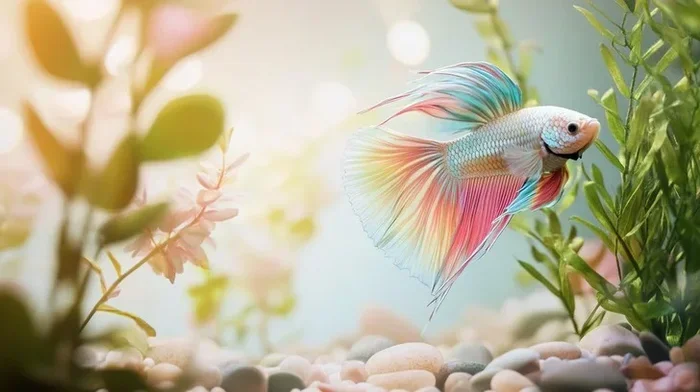
So how do the betta fish live? Betta fish thrive in warm, slow-moving waters in Southeast Asia, and they can live 3 to 5 years with proper care. Understanding their natural habitat, diet, and tank needs is the key to helping your betta fish live a long and healthy life.
Have you ever wondered how do the betta fish live in their natural home? These colorful little creatures seem tough, but they have very specific needs. Whether you are a new fish owner or a seasoned hobbyist, understanding the betta fish life cycle and daily habits makes a huge difference.
Betta fish, also known as Siamese fighting fish, come from the warm, shallow waters of Southeast Asia. They survive in rice paddies, floodplains, and slow-moving streams. But here is the thing — how a betta fish live in captivity is very different from life in the wild. Tank conditions, diet, and even tank mates all play a role in their overall well-being.
In this guide, we will walk through everything you need to know. From their natural habitat to the best tank setup, you will find practical tips that actually work. By the end, you will know exactly what it takes to help your betta thrive. Let us dive right in.
Key Takeaways
- Wild Habitat Matters: Bettas naturally live in warm, shallow waters like rice paddies and slow streams across Southeast Asia.
- Lifespan Depends on Care: A betta fish live longer when kept in clean tanks with the right temperature and diet.
- Tank Size Is Critical: A 5-gallon tank or larger gives your betta the space it needs to thrive and explore.
- Diet Affects Longevity: Feeding high-quality food and avoiding overfeeding keeps bettas healthy and active.
- Water Quality Is Non-Negotiable: Regular water changes and proper filtration prevent common health problems.
- Know the Signs of Stress: Recognizing early warning signs helps you act fast and extend your betta’s life.
📑 Table of Contents
Where Betta Fish Live in the Wild
Before we talk about tank life, let us look at where bettas come from. Understanding their natural habitat helps you recreate the best possible home for them.
The Native Homes of Betta Fish
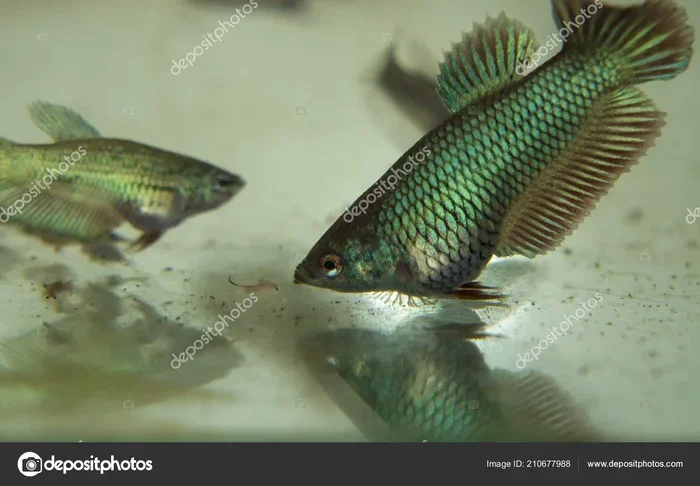
Wild bettas live in warm, shallow bodies of water across Thailand, Cambodia, Vietnam, and Malaysia. They are not deep-water fish. In fact, they prefer standing or very slow-moving water. Think rice paddies, marshes, and even small puddles during the dry season.
These environments are warm, usually between 76°F and 82°F. The water is often murky and low in oxygen, which is why bettas have a special organ called the labyrinth organ. This lets them breathe air directly from the surface. It is one of the reasons bettas can survive in places where other fish cannot.
Knowing this helps you set up a tank that feels familiar. How do the betta fish live in the wild? They explore calm waters, hide among plants, and hunt small insects and larvae. Your tank should mimic that peaceful, plant-filled environment as closely as possible.
How Long Do Betta Fish Live in the Wild?
In the wild, bettas face many challenges. Predators, pollution, and seasonal droughts all affect their survival. On average, a wild betta may live 1 to 2 years. Captive bettas, on the other hand, often live longer because they do not face the same threats.
If you want to learn more about the differences between wild and captive life, check out our article on how long betta fish live.
How Long Do Betta Fish Live in Captivity?
This is the question most fish owners ask. The answer depends on several factors, but with good care, bettas can live a surprisingly long time.
Average Lifespan of a Pet Betta
Most pet bettas live between 3 and 5 years. Some lucky owners report their bettas reaching 6 or even 7 years. But this only happens when the fish receives proper care from day one.
So what determines whether a betta fish live longer or shorter? Here are the main factors:
- Tank size: A small bowl or cup shortens a betta’s life. A proper tank gives them room to swim and stay healthy.
- Water quality: Dirty water leads to stress and disease. Clean water keeps the immune system strong.
- Temperature: Bettas need warm water. Cold water slows them down and makes them sick.
- Diet: Quality food fuels a long, active life. Overfeeding causes health problems fast.
- Stress levels: Aggressive tank mates and bright lights increase stress and reduce lifespan.
How Long Do Female Betta Fish Live?
Female bettas often live just as long as males, sometimes slightly longer. If you are curious about the differences, our guide on how long female betta fish live covers this in detail.
The key takeaway is simple: how do the betta fish live longer in captivity? By giving them a clean, warm, and stress-free environment.
What Bettas Need to Thrive
Now that you understand where bettas come from and how long they live, let us talk about what they actually need every day. A happy betta is a healthy betta.
The Right Tank Setup
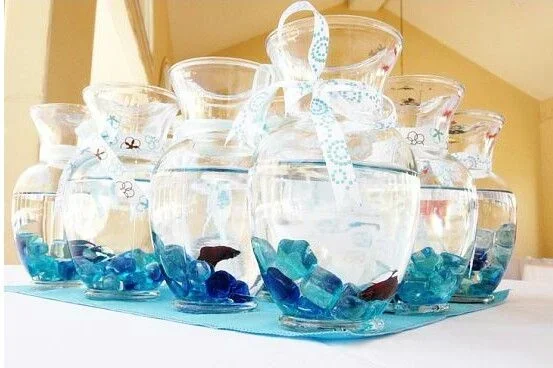
A common mistake is keeping a betta in a tiny bowl. Bettas need at least a 5-gallon tank. This gives them enough space to swim, explore, and establish a comfortable territory. Smaller tanks cause stress, and stressed fish get sick more easily.
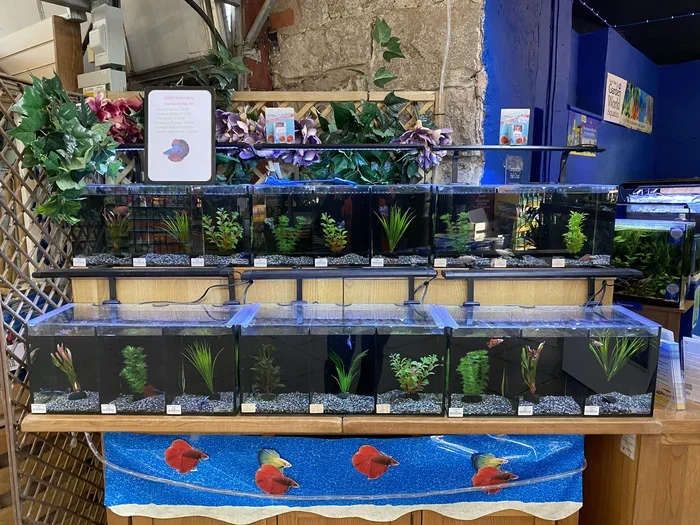
Here is what a good betta tank setup looks like:
- Filter: A gentle sponge filter keeps water clean without creating strong currents. Bettas prefer calm water.
- Heater: A small aquarium heater maintains a steady temperature between 78°F and 80°F.
- Plants: Live or silk plants give your betta places to hide and rest. Avoid sharp plastic plants.
- Substrate: A soft, smooth gravel or sand substrate works well and looks natural.
- Hiding spots: Caves or driftwood give your betta a sense of security.
Water Conditions That Matter
Betta fish are sensitive to water changes. They do best in slightly acidic to neutral water with a pH between 6.5 and 7.5. Ammonia and nitrite levels should always be zero. Nitrate should stay below 20 ppm.
Regular water changes are essential. Aim for a 25% water change every week. This keeps the environment fresh and reduces the buildup of harmful chemicals.
Want more details on tank-specific care? Read our article on how betta fish live in a 5 gallon tank for practical setup tips.
Feeding Your Betta the Right Way
Diet plays a huge role in the betta fish life cycle. In the wild, bettas eat small insects, larvae, and tiny crustaceans. In your tank, you should replicate this diet as closely as possible.
Here are the best food options for bettas:
- Betta pellets: High-quality pellets are the staple of a betta diet. Look for ones with real fish meal as the first ingredient.
- Frozen or live bloodworms: These make excellent treats. They are packed with protein and bettas love them.
- Brine shrimp: Another great treat option that boosts nutrition.
- Daphnia: This small aquatic crustacean aids digestion and adds variety.
Feed your betta 2 to 3 pellets twice a day. Do not overfeed. Uneaten food sinks to the bottom and pollutes the water. A good rule of thumb is to feed only what your betta can eat in 2 minutes.
Common Health Problems and How to Prevent Them
Even with the best care, bettas can get sick. Knowing the signs early makes a big difference. Here are the most common issues:
- Fin rot: Frayed or discolored fins caused by poor water quality. Fix it with regular water changes and clean tank conditions.
- Ich (white spot disease): Small white spots on the body and fins. Caused by sudden temperature drops. Slowly raise the temperature to 82°F and treat with medication.
- Swim bladder disease: Difficulty swimming or floating upside down. Often caused by overfeeding or constipation. Feed a single peeled pea to help.
- Stress stripes: Horizontal lines on the body. These appear when the fish feels threatened or uncomfortable. Remove stressors and check water parameters.
Prevention is always better than cure. Keep the tank clean, maintain stable temperatures, and feed a balanced diet. Your betta will be much less likely to get sick.
Common Mistakes That Shorten Betta Lives
Many betta fish die earlier than they should because of simple mistakes. Let us look at the most common ones so you can avoid them.
Keeping Bettas in Tiny Bowls
This is the number one mistake. A small bowl does not give your betta enough room to swim or explore. It also makes it hard to maintain stable water conditions. How do the betta fish live in tiny bowls? They struggle. They get stressed, bored, and sick much faster than they would in a proper tank.
Ignoring Water Temperature
Betta fish are tropical. They need warm water to stay active and healthy. Cold water slows their metabolism and weakens their immune system. A good heater is not optional — it is essential.
Overfeeding
Bettas have small stomachs. Overfeeding leads to bloating, constipation, and poor water quality. Stick to a feeding schedule and remove any uneaten food after a few minutes.
Adding Aggressive Tank Mates
Male bettas are territorial. Placing them with aggressive fish causes constant stress. Even some peaceful fish can nip at betta fins. If you want tank mates, research carefully. Some good options include snails, shrimp, and certain peaceful community fish.
How to Give Your Betta the Best Life Possible
Now for the fun part — making sure your betta lives its happiest, healthiest life. Here are some expert-backed tips that make a real difference.
Create a Stimulating Environment
Bettas are curious creatures. They enjoy exploring their surroundings. Add plants, caves, and gentle decorations to keep them mentally stimulated. A bored betta becomes a stressed betta, and stress leads to illness.
You can even add a mirror briefly to watch your betta flare. Just keep these sessions short — a few minutes at a time. Too much mirror time causes chronic stress.
Monitor Water Parameters Regularly
Get a simple liquid test kit and test your water weekly. Watch for ammonia, nitrite, nitrate, and pH levels. Catching problems early prevents bigger issues down the road. This small habit can add years to your betta’s life.
Handle With Care
Bettas have delicate fins and scales. Avoid chasing them around the tank. Use a soft net when you need to move them. Keep the tank in a quiet area away from loud noises and vibrations. A calm environment helps your betta feel safe and relaxed.
If you are wondering about how long betta fish live with these practices in place, the answer is much longer than you might expect. Many owners report their bettas thriving for 5 years or more when they follow a consistent care routine.
Quick Tips for a Happy Betta
- Keep the tank at least 5 gallons for a single betta.
- Maintain water temperature between 78°F and 80°F.
- Perform weekly 25% water changes.
- Feed high-quality food in small amounts twice a day.
- Avoid placing the tank in direct sunlight or near drafty windows.
- Watch for changes in behavior, appetite, or appearance.
- Quarantine new plants or decorations before adding them to the tank.
How do the betta fish live their best life? With patience, consistency, and a little love. These fish may be small, but they have big personalities and deserve a great home.
Conclusion
Understanding how do the betta fish live is the first step toward becoming a great betta owner. From their natural homes in warm Southeast Asian waters to the cozy tank you set up at home, every detail matters. The right tank size, clean water, proper diet, and a stress-free environment all add up to a longer, happier life for your fish.
Remember, a betta fish life is in your hands. Small daily choices — like feeding the right amount and keeping the water clean — make a big impact over time. You do not need to be an expert. You just need to care and stay consistent.
Start with the basics, learn as you go, and enjoy watching your betta thrive. There is nothing quite like seeing a colorful, active betta swimming happily in a well-kept tank. Your fish will thank you with years of vibrant, joyful life.
Frequently Asked Questions
How long can a betta fish live in a small bowl?
Bettas in small bowls often live less than 2 years. Small spaces lead to poor water quality, stress, and illness. A 5-gallon tank or larger gives your betta the best chance at a full, healthy lifespan.
Can betta fish live with other fish?
Yes, but it depends on the tank mates. Male bettas should not live with other aggressive fish. Female bettas can sometimes live in small groups. Always research compatibility before adding new fish to the tank.
What is the average betta fish lifespan?
The average betta fish lives between 3 and 5 years in captivity. With excellent care, some bettas reach 6 or 7 years. The key factors are tank size, water quality, diet, and stress management.
Do betta fish need a heater?
Yes, bettas are tropical fish and need warm water. A heater keeps the temperature steady between 78°F and 80°F. Without a heater, cold water weakens the immune system and shortens the betta’s life.
Why is my betta fish staying at the top of the tank?
Bettas breathe air from the surface, so spending time at the top is normal. However, if your betta stays there constantly, it may be a sign of low oxygen, poor water quality, or stress. Test your water parameters and check the temperature.
How often should I clean my betta’s tank?
Perform a 25% water change every week. You do not need to remove all the water. Regular partial changes keep the environment clean and stable, which is essential for a long and healthy betta life.