Is Betta Fish Abuse in Walmart Still Happening
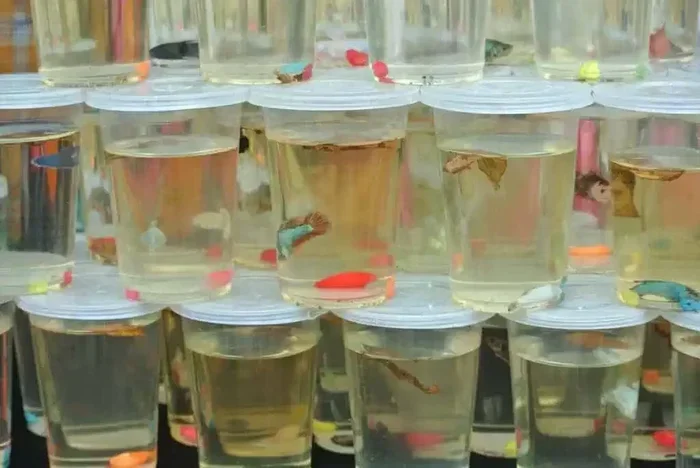
Betta fish abuse at Walmart remains a real concern for fish lovers and animal advocates. Many bettas sold at Walmart are kept in tiny cups with poor water quality, leading to serious health problems. Understanding what happens behind the aquarium aisle helps you make better choices for these beautiful fish.
Have you ever walked past the aquarium section at Walmart and felt something was wrong? You are not alone. Betta fish abuse in Walmart has been a topic of heated debate among fish keepers, animal lovers, and concerned shoppers for years. The bright colors and flowing fins of bettas can be mesmerizing, but the reality behind those store displays tells a very different story.
So, is betta fish abuse at Walmart still happening today? The short answer is yes, in many locations. But the full picture is more complex than you might think. This article dives deep into what is really going on, why it matters, and what you can do about it. Whether you are a current betta owner or just curious about betta fish welfare, you will find valuable insights here.
Key Takeaways
- Walmart betta fish conditions: Many bettas are displayed in small cups with limited filtration and infrequent water changes.
- Common health issues: Poor living conditions cause fin rot, stress, and early death in store-bought bettas.
- Signs of neglect: Cloudy water, foam buildup, and fish staying still are red flags of inadequate care.
- What you can do: Report concerns, buy from responsible breeders, and share awareness on social media.
- Proper betta care: Betta fish need filtered tanks of at least 5 gallons with clean, treated water.
- Advocacy matters: Consumer pressure has pushed some stores to improve their fish care standards over time.
📑 Table of Contents
- The Reality of Betta Fish Conditions at Walmart
- Signs That Betta Fish Are Being Mistreated
- Why Walmart and Similar Stores Sell Bettas in Poor Conditions
- What You Can Do to Help Betta Fish at Walmart
- How to Properly Care for a Betta Fish at Home
- Has Anything Changed at Walmart Regarding Betta Fish Care?
- Final Thoughts on Betta Fish Abuse in Walmart
The Reality of Betta Fish Conditions at Walmart
When you visit the pet section at Walmart, you will likely see betta fish displayed in small plastic cups or narrow containers. These containers are often filled with just a few inches of water. The fish sit there, sometimes for weeks, with little to no stimulation or proper care. This setup is far below what any betta fish needs to thrive.
Why Small Cups Are Harmful
Betta fish may look tough because they survive in shallow rice paddies in the wild. But that does not mean they thrive in tiny cups. In fact, betta fish tank conditions matter a lot. A cup provides no room for swimming, no stable temperature, and no way to maintain clean water. Over time, ammonia builds up fast in such a small amount of water.
This leads to stress, which weakens the fish’s immune system. A stressed betta is more likely to develop fin rot, fungal infections, and other common health problems. Many people buy these fish without realizing the suffering they have already endured in the store.
Water Quality Issues in Retail Tanks
One of the biggest problems with retail fish tanks at big-box stores is water quality. Walmart aquariums are often maintained by staff who may not have specialized fish care training. Water changes may happen infrequently, and filters might be undersized or broken. You may notice foam in betta fish tanks caused by protein buildup or poor filtration. This is a clear sign that the water is not being managed properly.
If you ever visit and see cloudy water, dead fish floating, or tanks that look dirty, that is a strong indicator of neglect. Healthy fish environments should look clear and well-maintained at all times.
Signs That Betta Fish Are Being Mistreated
Not every Walmart location treats bettas the same way. Some stores try harder than others. But there are clear warning signs that indicate betta fish cruelty or at least very poor care. Knowing these signs helps you become a more informed shopper and advocate.
Fish Staying Still or Lethargic
If you notice a betta staying still for long periods, that is not normal behavior. Healthy bettas are curious and active swimmers. A fish that barely moves may be sick, stressed, or dying from poor water conditions. Sometimes people mistake this stillness for the fish “resting,” but bettas do not just sit still for hours on end unless something is wrong.
You can learn more about what it means when a betta stays still in its tank on our detailed guide. Understanding these behavior clues is essential for any fish owner.
Physical Health Warning Signs
Watch for these physical signs of neglect when you visit a store:
- Torn or ragged fins: This often signals fin rot caused by poor water quality.
- Faded colors: A healthy betta should display vibrant colors. Dullness suggests stress or illness.
- White spots on the body: This is a common sign of ich, a parasitic infection that thrives in dirty water.
- Bloated belly: Overfeeding or poor diet in store conditions can cause swelling and digestive issues.
- Labored breathing: Gasping at the surface means the water likely has low oxygen levels.
If you see multiple fish showing these symptoms in the same store, that is a serious red flag. No responsible retailer should allow such conditions to persist.
Why Walmart and Similar Stores Sell Bettas in Poor Conditions
The question is not just about Walmart itself. It is about a larger system that prioritizes profit over animal welfare. Understanding why betta fish living conditions in stores are so poor helps you see the full picture.
The Business Model Behind Store-Bought Bettas
Walmart sells bettas for very low prices, often around $3 to $5 per fish. The profit margin on each individual fish is thin. To keep costs low, stores buy large quantities and display them in the cheapest possible containers. The goal is volume, not quality care. This business model directly conflicts with proper fish keeping.
Staff turnover is high at big-box stores, meaning the people responsible for maintaining aquariums may have little training or interest in fish care. Water testing, proper filtration, and regular maintenance require time and knowledge that many retail locations simply do not prioritize.
Consumer Demand and Ignorance
Another factor driving poor conditions is consumer behavior. Many people buy bettas on impulse because they look beautiful in the store. They may not know that bettas need filtered tanks, heated water, and regular maintenance. This lack of awareness means stores face little pressure from buyers to improve conditions.
Education is key. When more people understand what proper betta habitat looks like, they stop accepting poor conditions and start demanding better from retailers.
What You Can Do to Help Betta Fish at Walmart
Feeling helpless after learning about betta fish abuse is natural, but there is plenty you can do. Every action counts, and together, consumers can drive real change.
Report Poor Conditions
If you visit Walmart and notice neglected fish, speak up. You can talk to a store manager or contact Walmart’s customer service line. You can also reach out to local animal welfare organizations. Documenting conditions with photos and dates strengthens your case. Most chains have policies about animal care, and repeated reports can trigger inspections.
Adopt From Rescues Instead
One of the best alternatives is to adopt a betta from a rescue organization or a reputable breeder. Many bettas in rescues were saved from terrible conditions, including those from big-box stores. When you adopt, you give a fish a second chance and send a message that responsible fish keeping matters more than cheap impulse buys.
Spread Awareness on Social Media
Social media is a powerful tool for change. Sharing photos of poor store conditions, tagging Walmart, and educating your followers about betta fish care tips can reach thousands of people. Awareness campaigns have successfully pushed major retailers to improve animal care standards in the past, and the same can happen for fish.
Choose Ethical Pet Stores
Not all pet stores treat fish poorly. Local fish shops and specialized aquarium stores often maintain much higher standards. They invest in proper filtration, regular water testing, and knowledgeable staff. Supporting these businesses with your dollars helps them thrive and sends a clear message about what consumers value.
How to Properly Care for a Betta Fish at Home
If you are thinking about getting a betta, the most important thing you can do is commit to proper care. A well-cared-for betta can live 3 to 5 years, sometimes even longer. Here is what your betta needs to live a healthy, happy life.
The Right Tank Size
Forget the tiny cups and bowls you see in stores. A betta needs at least a 5-gallon tank to truly thrive. Larger tanks are even better because they provide more stable water parameters. Do betta fish do well in big tanks? Absolutely. They love room to explore and swim. You can read more about how tank size affects betta health on our guide about whether bettas do well in big tanks.
Filtration and Water Quality
Yes, bettas need a filtered tank. Many people mistakenly believe bettas can live in unfiltered bowls. This is a myth that leads to shorter lifespans and constant health problems. A gentle sponge filter works great for bettas because it provides biological filtration without creating too much water flow.
You should test your water regularly for ammonia, nitrite, and nitrate levels. Performing partial water changes weekly helps keep the environment clean and safe. Always use a water conditioner to remove chlorine and chloramine from tap water before adding it to the tank.
Heating and Temperature
Betta fish are tropical and need warm water between 76 and 82 degrees Fahrenheit. A small aquarium heater is essential, especially in cooler climates or during winter months. Temperature swings stress the fish and make them vulnerable to disease.
Diet and Feeding
Feed your betta a varied diet of high-quality pellets, frozen bloodworms, and brine shrimp. Avoid overfeeding, as this leads to bloating and poor water quality. A good rule is to feed only what your betta can eat in two minutes, once or twice a day.
Has Anything Changed at Walmart Regarding Betta Fish Care?
Over the years, public pressure has led to some improvements at major retailers, including Walmart. Some locations have started using larger display containers, and a few have improved their water maintenance routines. However, these changes are inconsistent and far from universal.
Animal welfare organizations continue to push for stricter standards across all retail chains. The conversation around betta fish welfare has grown significantly, and more people are speaking out against the cruel practices that have been normalized for decades. Progress is slow, but it is happening.
Consumer awareness is the biggest driver of change. Every time someone chooses not to buy a betta from a store with poor conditions, or reports neglect, they contribute to a larger movement toward ethical treatment of animals in retail settings.
Final Thoughts on Betta Fish Abuse in Walmart
The truth about betta fish abuse in Walmart is not comfortable to face. But ignoring it does not help the fish. By understanding the problem, recognizing the signs of neglect, and taking action, you become part of the solution. Whether that means reporting poor conditions, adopting from a rescue, or simply sharing what you have learned with a friend, every effort matters.
Betta fish are living creatures with needs and feelings. They deserve better than a plastic cup with stale water. The next time you see a betta for sale in a store, take a moment to assess the conditions. Your awareness and choices can make a real difference in the life of a fish that cannot speak for itself.
If you want to learn more about caring for bettas properly, check out our article on why foam appears in betta fish tanks and understand what tank conditions signal about water quality. Also, explore whether betta fish truly need filtered tanks to understand the minimum standards these beautiful fish deserve.
Frequently Asked Questions
Is betta fish abuse at Walmart a recent problem?
No, concerns about betta fish conditions at Walmart have existed for many years. While some improvements have been made at certain locations, the problem persists across many stores. The low prices and high volume of fish sold make it difficult for individual stores to maintain proper care standards consistently.
Can I be fined or face consequences for reporting fish abuse at Walmart?
No, you cannot be fined for reporting suspected animal neglect. Reporting concerns to store management or local animal welfare authorities is a protected action. Your identity can usually remain anonymous if you prefer. Stores take these reports seriously because they risk their reputation and potential legal issues.
Do all Walmart locations sell betta fish in poor conditions?
Not every Walmart location is the same. Some stores maintain better aquarium conditions than others. However, the overall trend across big-box retailers shows that fish care standards are generally below what responsible fish keepers would consider acceptable. Even the better locations often fall short of ideal conditions.
What should I do if I see a betta fish dying at Walmart?
If you see a betta fish that appears to be dying or already dead, notify a store manager immediately. Ask them to remove the fish from display and check the water conditions in the tank. You can also contact your local animal control or humane society if the store does not respond. Documenting the situation with photos and dates helps build a case for follow-up.
Are bettas naturally hardy fish that can survive in small containers?
Betta fish are more resilient than many other species, which is why they survived in the pet trade for so long. However, being hardy does not mean they thrive in tiny cups or bowls. They need proper filtration, clean water, stable temperatures, and enough space to swim. Survival is not the same as living a healthy, comfortable life.
What is the best alternative to buying a betta from Walmart?
The best alternative is to adopt from a betta rescue organization or purchase from a reputable breeder who prioritizes fish health and proper care. Local fish shops with good reputations are another excellent option. These sources typically provide healthier fish and better advice for new owners, setting you up for success from day one.
=== CONCLUSION ===
Betta fish abuse in Walmart is a real and ongoing issue that affects thousands of fish every year. The conditions in many store displays fall far below what these animals need to live healthy lives. But awareness is growing, and consumers have more power than they realize. By choosing ethical sources, reporting neglect, and educating others, you help create a world where every betta fish gets the care and respect it deserves. Start today, and let your choices speak for the fish that cannot speak for themselves.