How Many Fish with Betta Fish
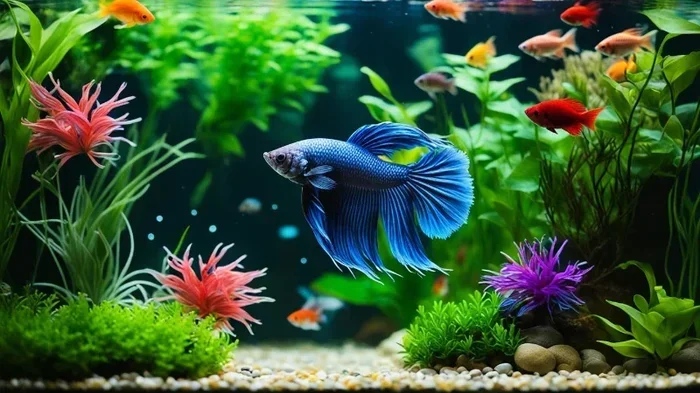
Keeping betta fish with other fish is possible, but you need to choose the right tank mates and tank size. Most experts recommend a minimum of a 5-gallon tank for a single betta, and adding compatible nano fish or peaceful species can create a thriving community aquarium. This guide covers exactly how many fish with betta fish you can safely keep, which species work best, and common mistakes to avoid.
If you own a betta fish, you have probably wondered whether you can add other fish to the tank. The answer is yes, but it is not as simple as dropping any fish into the same water. How many fish with betta fish you can keep depends on several important factors. These include tank size, temperament, and the species you choose.
Betta fish, also known as Siamese fighting fish, are beautiful and popular pets. They have long flowing fins and bright colors that make any aquarium look stunning. But they can also be territorial and aggressive, especially toward other bettas. This means choosing the right companions is essential for a peaceful tank.
In this article, we will walk you through everything you need to know. You will learn about the best tank mates, how many fish you can add, and what mistakes to avoid. Whether you are a beginner or a seasoned fish keeper, this guide will help you build a happy and healthy community aquarium.
Key Takeaways
- Tank size matters: A larger tank gives your betta and tank mates more space and reduces aggression.
- Choose peaceful species: Nano fish like corydoras and shrimp make excellent betta companions.
- Avoid fin-nippers: Fish like tiger barbs can damage betta fins and cause stress.
- Watch for signs of stress: Hiding, flaring, and loss of appetite mean your tank setup needs adjustment.
- Overcrowding is dangerous: Too many fish leads to poor water quality and health problems.
- Introduce fish slowly: Adding tank mates gradually helps your betta adjust without feeling threatened.
📑 Table of Contents
- Why Tank Size Matters for Betta Fish
- How Many Fish Can You Keep with a Betta?
- Best Tank Mates for Betta Fish
- Fish to Avoid with Betta Fish
- How to Introduce New Fish to Your Betta Tank
- Common Mistakes When Keeping Fish with Bettas
- Comparison Table: Best Tank Mates for Betta Fish
- Signs Your Betta Is Stressed with Tank Mates
- Expert Tips for a Successful Community Tank
- Conclusion
Why Tank Size Matters for Betta Fish
The size of your tank is the single most important factor when deciding how many fish to keep with a betta. A small tank creates stress, territorial behavior, and poor water quality. A larger tank gives everyone room to swim and feel safe.
Minimum Tank Size for a Betta
A single betta fish needs at least a 5-gallon tank. This is the minimum recommended by most fish experts. Anything smaller, like a tiny bowl, will limit your betta’s health and lifespan. In a 5-gallon tank, your betta has enough space to explore and stay active.
If you want to add tank mates, you need to go bigger. A 10-gallon tank is a great starting point for a betta plus a few small companions. For a small community, a 20-gallon tank gives even more room and stability. You can read more about tank sizing in our article on how many gallons for a betta fish.
How Tank Size Affects Fish Behavior
In a small tank, your betta may see every other fish as a threat. This leads to constant flaring and chasing. In a larger tank, fish can establish their own territories and avoid each other. The result is less stress and fewer fights.
Here are some quick tips for tank size:
- 5 gallons: Best for a single betta only.
- 10 gallons: Good for a betta plus 2 to 3 small tank mates.
- 20 gallons or more: Ideal for a small community of peaceful fish.
How Many Fish Can You Keep with a Betta?
The number of fish you can keep with a betta depends on the tank size and the species you choose. There is no one-size-fits-all answer, but we can give you solid guidelines based on experience and expert advice.
General Rule of Thumb
A good rule is to add no more than 2 to 3 small, peaceful fish with a single betta in a 10-gallon tank. In a 20-gallon tank, you can add up to 4 to 5 compatible tank mates. Always research each species before adding them to your betta’s home.
If you are new to this, start small. Add just one or two tank mates first and watch how your betta reacts. If things go well, you can slowly add more over time. You can also check out our guide on how many fish in a 10 gallon tank with a betta for specific numbers based on tank size.
Factors That Determine the Number of Tank Mates
Several factors play a role in deciding how many fish to add:
- Temperament: Peaceful fish work best with bettas.
- Activity level: Fast-swimming fish may stress a betta.
- Size: Very small fish may become betta food.
- Waste production: Fish that produce a lot of waste pollute the water faster.
- Territorial behavior: Some fish claim spots in the tank and fight with bettas.
Keep these factors in mind every time you add a new fish. The goal is a calm and balanced aquarium where every fish feels safe.
Best Tank Mates for Betta Fish
Not all fish get along with bettas. Some species are too aggressive, while others are too shy. The best tank mates are peaceful, non-fin-nipping fish that occupy different areas of the tank.
Top Fish Species That Work Well
Here are some of the best companions for a betta fish:
- Corydoras catfish: These small bottom-dwellers are peaceful and fun to watch. They stay out of your betta’s way and help clean the tank floor.
- Neon tetras: Small, colorful, and peaceful. They school together in the middle of the tank, which keeps them away from your betta.
- Harlequin rasboras: Another great schooling fish that is calm and easygoing.
- Kuhli loaches: These quirky, eel-like fish stay at the bottom and are very peaceful.
- Otocinclus catfish: Tiny algae eaters that are gentle and get along well with bettas.
Invertebrates as Tank Mates
Fish are not your only option. Invertebrates can also make great betta companions:
- Cherry shrimp: Small, colorful, and harmless. They clean algae off tank walls and decorations.
- Amano shrimp: Larger than cherry shrimp and excellent algae eaters.
- Mystery snails: Slow-moving and peaceful. They help clean up leftover food.
Many betta owners love keeping shrimp because they are low-maintenance and interesting to watch. Just be aware that some bettas may try to hunt small shrimp. Providing plenty of hiding spots helps keep everyone safe.
Fish to Avoid with Betta Fish
Some fish species are a bad match for bettas. Avoiding these species is just as important as choosing the right ones.
Fin-Nipping Fish
Fish that nip fins are a nightmare for bettas. Bettas have long, flowing fins that look like food to fin-nippers. These fish will chase and bite your betta, causing stress and injury.
Common fin-nippers to avoid include:
- Tiger barbs
- Serpae tetras
- Certain species of danios
- Some types of barbs
These fish are active and sometimes aggressive, which clashes with a betta’s calm nature. Even if the tank is large, fin-nippers will find your betta and cause problems.
Other Fish to Keep Away
Beyond fin-nippers, here are other species to avoid:
- Other bettas: Two male bettas will fight, often to the death. Even a male and female betta should only be kept together during breeding, and with caution.
- Guppies: Their bright, flowing fins can trigger your betta’s aggression.
- Angelfish: These grow large and can become aggressive toward smaller fish.
- Goldfish: They need cold water, while bettas need warm water. They are completely incompatible.
Sticking with peaceful, appropriately sized species is the safest approach for your betta fish.
How to Introduce New Fish to Your Betta Tank
Adding new fish to a betta tank should be done carefully. A rushed introduction can cause stress, fighting, and even injury. Follow these steps to make the process smooth and safe.
Step-by-Step Introduction Process
- Set up the tank first: Make sure your tank is fully cycled and stable before adding any new fish. A cycled tank has beneficial bacteria that keep the water safe.
- Quarantine new fish: Keep new fish in a separate tank for 1 to 2 weeks. This lets you check for diseases or parasites before introducing them to your betta.
- Add tank mates first: If possible, add the new fish before the betta. This prevents your betta from claiming the entire tank as its territory.
- Watch for aggression: After adding new fish, observe your betta closely for the first few hours and days. Look for flaring, chasing, or hiding.
- Have a backup plan: Keep a spare tank ready in case a fish needs to be removed due to aggression or stress.
For more tips on keeping your betta healthy during this process, check out our article on how to grow a bond with your betta fish.
Common Mistakes When Keeping Fish with Bettas
Even experienced fish keepers make mistakes. Here are the most common errors people make when adding tank mates to a betta tank.
Overcrowding the Tank
One of the biggest mistakes is adding too many fish. Overcrowding leads to a buildup of ammonia and nitrite, which are toxic to fish. It also increases stress and aggression. Always follow the recommended tank sizes and fish counts mentioned earlier in this article.
Ignoring Water Parameters
Betta fish need warm water, typically between 76 and 82 degrees Fahrenheit. Some tank mates prefer cooler or different water conditions. Always check that all species in your tank share similar water parameter needs.
Skipping the Quarantine
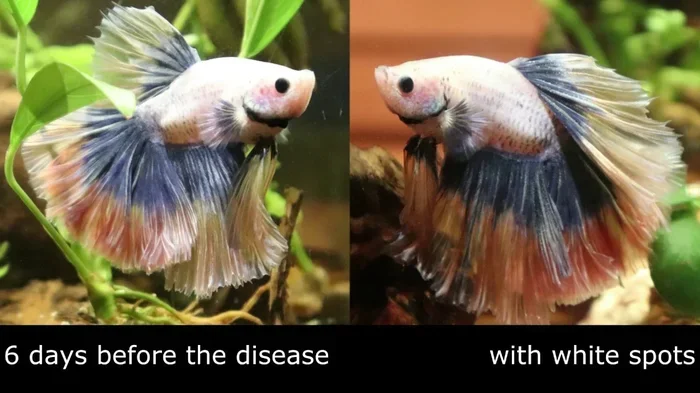
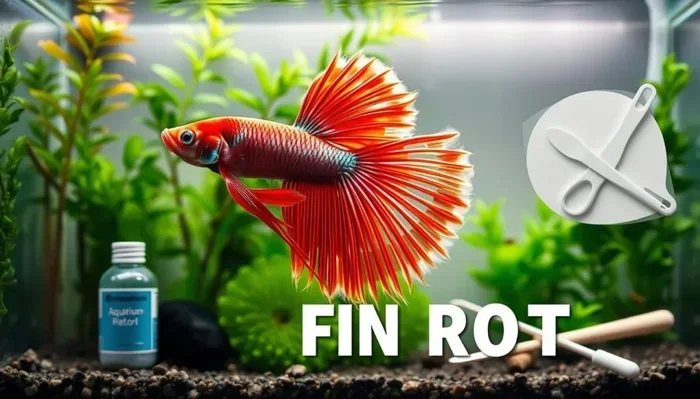
Adding new fish directly into the main tank without quarantining them can introduce diseases like ich or fin rot. These diseases spread fast and can be deadly. Always quarantine new arrivals first.
Choosing Incompatible Species
Not every peaceful fish is a good betta mate. Some fish may be peaceful by nature but still bother a betta because of their size, speed, or swimming style. Research each species thoroughly before making a choice.
For guidance on maintaining a clean and healthy environment, visit our article on how to clean a betta fish tank with filter.
Comparison Table: Best Tank Mates for Betta Fish
| Species | Tank Size Needed | Peaceful? | Risk Level |
|---|---|---|---|
| Corydoras Catfish | 10+ gallons | Yes | Low |
| Neon Tetras | 10+ gallons | Yes | Low |
| Cherry Shrimp | 5+ gallons | Yes | Low |
| Harlequin Rasboras | 10+ gallons | Yes | Low |
| Kuhli Loaches | 20+ gallons | Yes | Low |
| Tiger Barbs | 20+ gallons | No | High |
| Other Male Bettas | N/A | No | Very High |
| Guppies | 10+ gallons | Sometimes | Medium |
This table gives you a quick reference when choosing tank mates. Always prioritize low-risk species, especially if you are new to keeping bettas with other fish.
Signs Your Betta Is Stressed with Tank Mates
Even after choosing the right companions, you should watch your betta for signs of stress. Catching these signs early helps you fix problems before they become serious.
Here are the most common signs of stress in betta fish:
- Flaring constantly: Your betta flares at every fish it sees, which shows it feels threatened.
- Hiding or staying still: A stressed betta may hide behind decorations or stay in one spot.
- Loss of appetite: If your betta stops eating, something in the tank may be wrong.
- Clamped fins: Fins held close to the body signal discomfort or illness.
- Color fading: A betta that loses its bright color is often stressed or unwell.
If you notice any of these signs, consider removing the tank mate or rearranging the tank to give your betta more space and hiding spots.
Expert Tips for a Successful Community Tank
Building a community tank with a betta fish can be very rewarding. Here are some expert tips to make it a success.
First, provide plenty of hiding spots. Plants, caves, and decorations give shy fish places to retreat and help break up territories. Live plants are especially helpful because they improve water quality and create a natural environment.
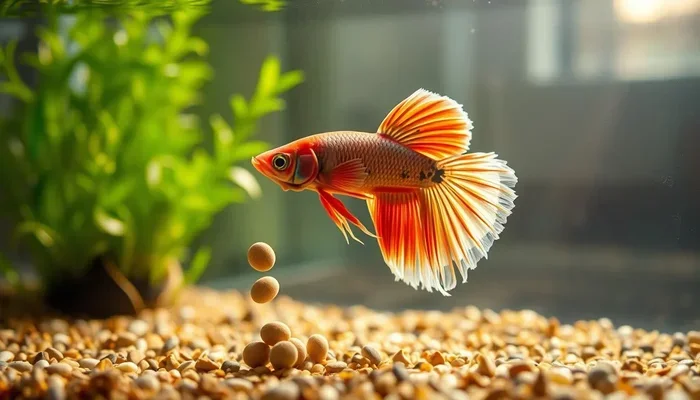
Second, feed your betta separately from other fish. Bettas are slow eaters and may miss out on food if faster fish gobble everything up. Use a feeding ring or target-feed your betta to make sure it gets enough nutrition.
Third, maintain your tank regularly. Perform partial water changes every week or two, test your water parameters often, and keep your filter running properly. A clean and stable tank keeps all fish healthy and happy.
Finally, be patient. It can take days or even weeks for fish to adjust to each other. Give them time to establish a routine and find their places in the tank.
Conclusion
So, how many fish with betta fish can you keep? The answer depends on your tank size, the species you choose, and how well you manage the environment. In general, 2 to 3 peaceful tank mates work well in a 10-gallon tank, and a 20-gallon tank can support a small community of 4 to 5 fish. Always choose peaceful, compatible species, avoid fin-nippers and aggressive fish, and introduce new tank mates slowly.
By following the tips in this guide, you can create a beautiful and harmonious aquarium where your betta and its companions thrive together. The key is patience, research, and regular tank maintenance. Start small, observe closely, and enjoy the rewarding experience of keeping a community tank with your betta fish.
Frequently Asked Questions
Can I keep two male betta fish together?
No, two male bettas should never be kept in the same tank. They will fight aggressively and can seriously injure or kill each other. Even female bettas should only be kept together in groups of five or more with plenty of space and hiding spots.
What is the best tank size for a betta with tank mates?
A 10-gallon tank is the minimum recommended size for a betta with a few small tank mates. A 20-gallon tank gives you more room and makes it easier to maintain stable water conditions.
Can betta fish live with shrimp?
Yes, bettas can live with shrimp like cherry shrimp and amano shrimp. However, some bettas may try to hunt small shrimp, so providing plenty of hiding places is important for their safety.
How do I know if my betta is getting along with other fish?
A happy betta will swim normally, eat well, and show bright colors. If your betta is constantly flaring, hiding, or refusing food, it may be stressed by its tank mates and you should reassess the setup.
Can I add too many fish to a betta tank?
Yes, overcrowding is a serious problem. Too many fish produce excess waste, which degrades water quality quickly. Always follow the recommended fish-to-tank-size ratios and add new fish gradually.
Do bettas need special food when kept with other fish?
Bettas do best with a diet of high-quality pellets, frozen or live foods, and occasional treats like bloodworms. When kept with other fish, make sure to feed your betta separately so it gets enough to eat, as faster species may eat all the food first.