How Do I Tell If My Betta Fish Is Sick
Knowing how do i tell if my betta fish is sick starts with recognizing early warning signs like faded color, loss of appetite, and unusual behavior. This guide covers the most common physical symptoms, behavioral changes, and diseases that affect betta fish. You will learn simple steps to check your fish’s health and take action fast.
Your betta fish is more than just a pretty splash of color in your living room. It is a living creature that depends on you for its health and happiness. So when something seems off, it is natural to worry. How do I tell if my betta fish is sick? The answer is closer than you think.
Betta fish are hardy, but they are not invincible. They can get sick just like any other pet. The good news is that most illnesses show clear warning signs if you know what to look for. Spotting the early signs of a sick betta fish can make all the difference between a quick recovery and a serious problem.
In this guide, we will walk you through every sign, symptom, and step you need to know. You will learn how to read your fish’s body language, spot common diseases, and take action before things get worse. Whether you are a first-time fish owner or a seasoned hobbyist, this guide will help you keep your betta healthy and thriving.
Key Takeaways
- Watch for physical changes: Faded colors, clamped fins, and swollen belly are top signs your betta may be unwell.
- Notice behavior shifts: Lethargy, hiding, and loss of appetite often signal illness early.
- Check water quality regularly: Poor tank conditions are a leading cause of betta fish sickness.
- Know common diseases: Fin rot, ich, and bloating are the most frequent health issues in bettas.
- Act quickly: Early detection and treatment greatly improve your betta’s chance of recovery.
- Keep a clean tank: Regular maintenance prevents many common fish illnesses.
📑 Table of Contents
Common Signs Your Betta Fish Is Sick
Fish cannot tell you when they feel bad. They cannot bark, meow, or whimper. Instead, they show us through their bodies and actions. Learning to read these signals is the first step in how do i tell if my betta fish is sick. Here are the most common signs to watch for.
Faded or Discolored Body
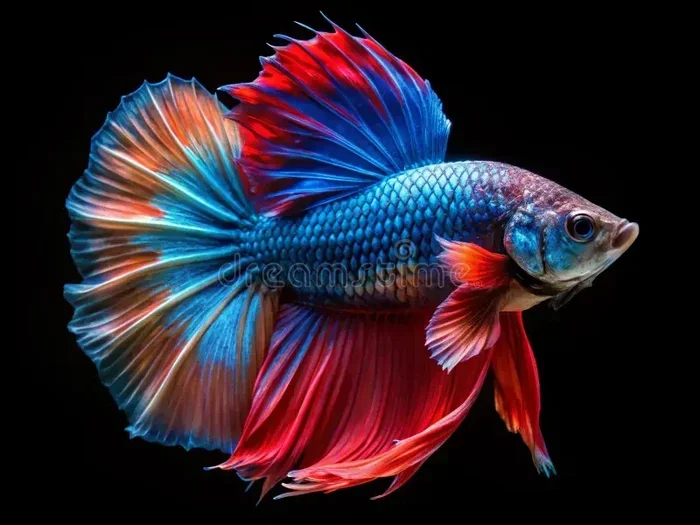
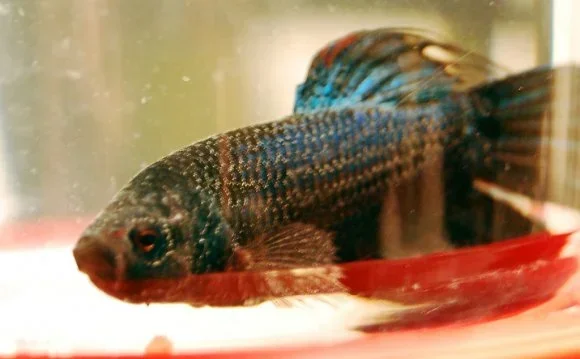
A healthy betta fish has vibrant, bright colors. When a betta gets sick, its colors often fade. You might notice white patches, dull tones, or stripes appearing on its body. This discoloration is one of the earliest and most visible sick betta fish symptoms. If your fish looks washed out, do not ignore it. Bettas that are losing their color are often telling you something is wrong with their betta fish health or their environment.
Clamped Fins
Healthy bettas hold their fins open and flowing. When a fish is unwell, it often folds its fins close to its body. This is called clamped fins. It is a classic sign of stress or illness. Clamped fins can point to many different problems, from bacterial infections to poor betta fish tank conditions. If you notice your betta holding its fins tightly against its body for more than a day, it is time to investigate further.
Swollen Belly
A slightly rounded belly is normal for bettas. But if the belly looks very large or bloated, something is wrong. A swollen belly can signal constipation, dropsy, or even a tumor. Watch your fish closely. If the scales start to stick out like a pinecone, this is a serious condition called dropsy that needs immediate attention. Early detection of a swollen belly gives you a much better chance of successful treatment.
Behavioral and Physical Symptoms to Watch For
Your betta fish’s behavior tells you a lot about how it feels. Fish are creatures of habit. Any big change in routine is worth investigating. Understanding betta fish behavior changes helps you catch problems early. At the same time, physical symptoms give you concrete clues about what might be going on inside your fish’s body.
Loss of Appetite
Bettas are generally eager eaters. If your fish suddenly refuses food, pay attention. Skipping one meal is not always a cause for alarm. But if your betta turns its nose up at food for two or more days, something is wrong. Loss of appetite is one of the most common betta fish illness signs. It can point to digestive issues, infections, or stress. A fish that stops eating is a fish that needs your help.
If you notice your betta is not eating, check out our guide on what to do if your betta fish isn’t eating for helpful tips and solutions.
Lethargy and Hiding
Betta fish are curious and active. They like to explore their tank and interact with their surroundings. A sick betta often becomes very lazy. It may hang out at the bottom of the tank, hide behind decorations, or stay in one spot for hours. This kind of lethargy in betta fish is a red flag that should not be ignored. Healthy bettas should be curious and responsive to movement outside the tank.
Rapid or Labored Breathing
Watch how your betta breathes. Healthy bettas have a slow, steady breathing pattern. If you notice your fish breathing very fast or gasping at the surface, it could be struggling with oxygen levels or a gill-related illness. Rapid breathing is a clear sign that something is wrong with your fish’s health. Poor water quality is often the culprit behind breathing difficulties. Test your water parameters right away if you notice this symptom.
Fins That Look Ragged or Rotting
Fin rot is one of the most common diseases in betta fish. You will notice the edges of the fins turning white, brown, or ragged. In severe cases, the fins start to melt away. Fin rot is usually caused by poor water quality or bacterial infections. The good news is that it is treatable if you catch it early. Regular aquarium maintenance is the best way to prevent fin rot from taking hold.
White Spots on the Body
Small white dots on your betta’s fins and body are a telltale sign of ich, also known as white spot disease. Ich is a parasite that spreads quickly. If left untreated, it can be deadly. You will also notice your fish scratching against rocks or decorations. This is one of the most recognizable betta fish disease signs. The good news is that ich is very treatable with proper medication and a slight temperature increase.
Redness or Inflammation
Red streaks on the body or red, swollen gills are signs of infection. This can be caused by bacteria, fungi, or parasites. Redness often appears around the mouth, fins, or body. If you see any inflammation, it is time to take action and improve your fish’s environment. Untreated redness can quickly progress into more serious betta fish treatment situations.
Cloudy or Bulging Eyes
A healthy betta has clear, bright eyes. Cloudy or bulging eyes can indicate a serious infection or internal issue. This condition, sometimes called popeye, can result from poor water quality or bacterial infections. It is not something to take lightly. If you notice eye changes, test your water and consider starting treatment immediately.
Common Betta Fish Diseases and Their Signs
Understanding the most common diseases helps you connect the dots between symptoms and causes. Here are the top illnesses that affect betta fish and what to look for.
Fin Rot
Fin rot is a bacterial or fungal infection that eats away at the fins. Early signs include ragged edges and fading color. Advanced fin rot can eat into the body of the fish. The main cause is usually dirty water or stress. Keeping the tank clean is the best prevention. Mild cases respond well to water changes and aquarium salt. Severe cases may need antibiotic treatment.
Ich (White Spot Disease)
Ich is caused by a tiny parasite that attaches to the fish’s body. It shows up as white salt-like spots. The fish becomes irritated and scratches against objects. Ich spreads fast and can be deadly if not treated. Raising the tank temperature slightly and using medication can help clear it up. Early intervention is key with ich because it spreads rapidly through a tank.
Dropsy
Dropsy is one of the most serious conditions a betta can face. The kidneys fail, causing the body to fill with fluid. The belly swells, and the scales stick out. Dropsy is very hard to treat and is often fatal. Prevention through clean water and good nutrition is your best defense. If you catch it early, some fish respond to antibiotic treatment, but the prognosis is often poor.
Constipation
Constipation is common in bettas, especially those fed a poor diet. A constipated fish has a swollen belly and may not poop regularly. You might also notice it refusing food. Feeding a varied diet with occasional peas can help prevent this issue. Constipation is one of the easier sick betta fish symptoms to treat with simple dietary changes.
Velvet Disease
Velvet disease is caused by a parasite that gives the fish a dusty, gold, or rust-colored appearance. The fish may scratch against objects and breathe heavily. It spreads quickly and needs prompt treatment. Copper-based medications are often effective against velvet. Keeping water clean and stress levels low helps prevent velvet from taking hold.
How to Check Your Betta Fish’s Environment
Often, the root cause of illness is the fish’s living environment. Before you jump to treatment, take a close look at the tank. Many problems start with poor water quality and lack of proper aquarium maintenance.
Test the Water Parameters
Betta fish need specific water conditions to thrive. The temperature should be between 76 and 82 degrees Fahrenheit. The pH should be around 6.5 to 7.5. Ammonia and nitrite levels should always be zero. Nitrate should stay below 20 ppm. Use a liquid test kit to check these numbers regularly. Testing your water is one of the simplest and most effective ways to protect your betta’s health.
Check the Filtration System
A good filter keeps the water clean and free of harmful toxins. But bettas are weak swimmers and do not like strong currents. Make sure your filter is not too powerful. Consider using a sponge filter for gentle but effective filtration. A properly functioning filter is essential for maintaining good fish health in any aquarium.
Clean the Tank Regularly
Dirty water is the number one enemy of betta fish. Regular water changes keep toxins at bay. Aim for a 25 to 30 percent water change every week. Use a gravel vacuum to remove waste from the substrate. If you need guidance on maintenance, check out our article on how to clean your betta fish tank for step-by-step instructions.
Avoid Overcrowding
Bettas need space to swim and explore. A tank that is too small or too crowded causes stress. Stress weakens the immune system and makes fish more vulnerable to disease. A minimum of 5 gallons is recommended for a single betta. Giving your fish enough room reduces the risk of betta fish behavior changes caused by territorial stress.
What to Do When You Spot the Signs
Once you know how do i tell if my betta fish is sick, the next step is to act. Quick response is the key to saving your fish. Here is what you should do when you notice warning signs.
Step 1: Isolate the Sick Fish
If you have other fish in the tank, move the sick betta to a quarantine tank. This prevents the illness from spreading. A separate hospital tank also makes it easier to monitor and treat the fish without affecting the main aquarium. Quarantine tanks are simple to set up and are one of the best tools in betta fish care.
Step 2: Check Water Quality Immediately
Test the water for ammonia, nitrite, nitrate, and pH. Poor water quality is the most common trigger for illness. Do a partial water change right away. Fresh, dechlorinated water can make a big difference in your fish’s recovery. Many times, simply improving the water resolves mild symptoms on its own.
Step 3: Identify the Symptoms
Go through the list of symptoms we covered above. Match what you see to the possible causes. This helps you choose the right treatment. If you are unsure, take clear photos of your fish and consult with a fish health expert or veterinarian. Having a record of symptoms makes it easier to track progress and adjust treatment as needed.
Step 4: Start Treatment
Depending on the diagnosis, you may need medication. Bacterial infections require antibiotics. Parasites need anti-parasite treatments. Fungal infections need antifungal medication. Always follow the dosage instructions carefully. Overmedicating can harm your fish more than the illness itself. If you are dealing with a sick betta and need more guidance, our article on how to help a betta fish that is sick provides detailed treatment strategies.
Step 5: Monitor Progress Daily
After starting treatment, watch your fish closely every day. Note any improvements or worsening of symptoms. Keep the water clean and maintain stable conditions. Recovery can take days or even weeks, depending on the illness. Patience and consistency are essential. Do not give up too early. Sometimes the fish needs time to respond to treatment.
Prevention and When to Seek Help
The best medicine is prevention. A healthy betta is a happy betta. By following a few simple practices, you can keep many illnesses at bay and enjoy your fish for years to come.
- Feed a balanced diet: Offer high-quality betta pellets and vary the diet with frozen or live foods like brine shrimp and bloodworms.
- Keep the tank clean: Regular water changes and filter maintenance prevent harmful toxin buildup.
- Maintain stable temperatures: Use a reliable heater to keep the water in the ideal range.
- Avoid overfeeding: Feed small amounts twice a day. Remove any uneaten food after a few minutes.
- Reduce stress: Keep the tank in a quiet area away from loud noises and sudden temperature changes.
- Quarantine new fish: If you add new fish to your tank, keep them in a separate tank for at least two weeks to monitor for illness.
Taking these steps seriously gives your betta the best chance at a long, healthy life. Prevention is always easier and less stressful than treatment.
Sometimes, home treatment is not enough. If your betta fish does not improve after a few days of treatment, it is time to seek professional help. A fish veterinarian can run tests, diagnose hidden conditions, and prescribe targeted medications. Do not wait too long. The longer you wait, the harder it becomes to save your fish. Also, if you notice rapid deterioration, such as the fish lying on its side, gasping constantly, or losing large patches of scales, seek help immediately. These are signs of a critical condition that needs urgent care.
Conclusion
How do I tell if my betta fish is sick? Now you know the answer. By watching for physical symptoms, behavioral changes, and environmental issues, you can catch illness early and give your fish the best chance of recovery. Remember, a healthy tank leads to a healthy fish. Stay proactive, stay observant, and always trust your instincts. Your betta depends on you, and with the knowledge you have gained, you are well equipped to give it the care it deserves.
Take a few minutes each day to observe your fish. Look at its colors, watch how it swims, and notice how it responds to food. These small moments of attention add up to a longer, happier life for your beloved betta. You have got this, and your fish is lucky to have you.
Frequently Asked Questions
How long can a betta fish be sick before it dies?
The timeline depends on the illness and how quickly you act. Some minor infections can clear up within a week with proper treatment. However, serious diseases like dropsy or severe fin rot can be fatal within days if left untreated. Early detection is the most important factor in survival.
Can a sick betta fish recover on its own?
In very mild cases, a betta might recover if water conditions improve. However, most illnesses require some form of treatment. Do not rely on the fish recovering by itself. Taking prompt action gives your betta the best chance at a full recovery.
Is my betta fish sick or just stressed?
Stress and illness often look similar at first. Both can cause loss of appetite and hiding. However, stress usually resolves once the cause is removed, such as fixing water quality or removing aggressive tank mates. If symptoms persist for more than a few days, illness is more likely.
What is the most common disease in betta fish?
Fin rot and ich are the two most common diseases in betta fish. Both are caused by poor water quality and can be treated effectively if caught early. Regular tank maintenance and clean water are the best ways to prevent these illnesses.
Can I treat my sick betta fish with salt?
Yes, aquarium salt can help treat certain mild bacterial and fungal infections. It also supports the fish’s natural slime coat. However, not all bettas tolerate salt well, and it should be used in the correct dosage. Always research proper salt treatment methods before using it in your tank.
How can I prevent my betta fish from getting sick?
The best prevention is maintaining clean water, stable temperatures, and a balanced diet. Regular water changes, proper filtration, and avoiding overfeeding go a long way. Quarantining new fish and reducing stress in the tank also help keep your betta healthy and strong.