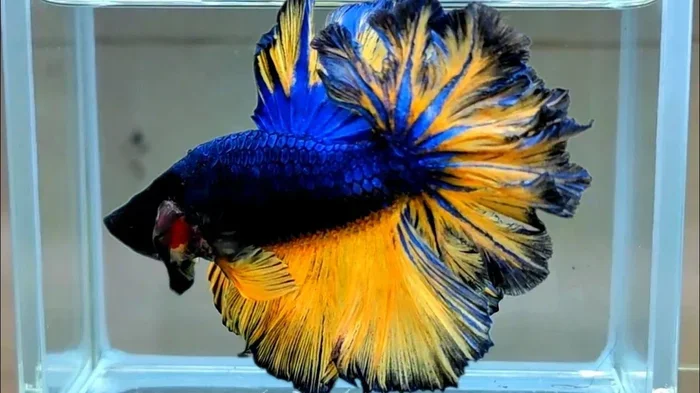
Are Bettas Goid Cycling Fish
Are bettas good cycling fish? The short answer is yes—if you give them the right environment and care. This guide explains how bettas handle new tanks, what water parameters they prefer, and how to safely introduce tank mates without stress.
Key Takeaways
- Proper cycling is essential: Bettas need a fully established nitrogen cycle before they move in.
- Gentle water parameters: Stable temperature (78‑82°F) and pH (6.5‑7.5) keep bettas healthy during cycling.
- Tank size matters: A minimum 5‑gallon tank gives enough water volume for a stable cycle.
- Community compatibility: Choose peaceful, slow‑moving fish that won’t trigger a betta’s aggression.
- Monitoring is key: Test ammonia, nitrite, and nitrate levels daily until they’re safe.
- Live plants help: Plants absorb excess nutrients and provide hiding spots for both betta and tank mates.
- Patience pays off: Rushing a betta into an uncycled tank often leads to stress and disease.
📑 Table of Contents
- Introduction: Why the Question Matters
- 1. The Basics of the Nitrogen Cycle
- 2. Are Bettas Good Cycling Fish?
- 3. Setting Up a Betta‑Friendly Cycling Tank
- 4. Introducing Tank Mates: Are Bettas Good Community Fish?
- 5. Monitoring Health During and After Cycling
- 6. Frequently Overlooked Tips for Success
- Conclusion: A Balanced Approach Wins
Introduction: Why the Question Matters
When you first bring home a betta, the excitement can be overwhelming. Their vivid colors and flowing fins make them instant stars of any aquarium. But behind the beauty lies a crucial responsibility: making sure the water is safe. Many new owners wonder, are bettas good cycling fish? In other words, can a betta thrive while a tank’s nitrogen cycle is still establishing itself?
Understanding the answer helps you avoid common mistakes that lead to cloudy water, sick fish, and costly setbacks. This article walks you through the science of cycling, the specific needs of bettas, and practical steps to create a harmonious community tank.
1. The Basics of the Nitrogen Cycle
What Is Cycling?
The nitrogen cycle is nature’s way of turning toxic ammonia (produced by fish waste) into harmless nitrate. It happens in three stages:

Visual guide about Are Bettas Goid Cycling Fish
Image source: pngmart.com
- Ammonia → Nitrite: Beneficial bacteria called Nitrosomonas convert ammonia into nitrite.
- Nitrite → Nitrate: Another set of bacteria, Nitrospira, turn nitrite into nitrate.
- Nitrate Management: Nitrate is far less toxic and can be reduced by water changes or plant uptake.
During the early days of a new tank, these bacteria are absent, so ammonia spikes. Without a completed cycle, any fish—including bettas—are at risk.
How Long Does It Take?
Typical cycling takes 4‑6 weeks, but the timeline can vary based on temperature, source of bacteria, and tank size. Warmer water (around 80°F) speeds bacterial growth, which is helpful for bettas because they love warm water.
2. Are Bettas Good Cycling Fish?
What “good” Means in This Context
Calling a fish a “good cycling fish” means it can tolerate the early, unstable phases of a new tank without severe stress. Bettas are relatively hardy; they can survive short bursts of higher ammonia than many delicate tropical species. However, “hardy” does not equal “immune.” Prolonged exposure to toxic levels will still cause fin rot, loss of color, and even death.

Visual guide about Are Bettas Goid Cycling Fish
Image source: thumb.ac-illust.com
Pros of Using Bettas During Cycle
- Low bioload: A single betta produces less waste than a school of tetras.
- Temperature tolerance: Their preferred range (78‑82°F) promotes fast bacterial growth.
- Observation benefits: Bettas are surface‑breathers; you’ll quickly notice water problems by watching their behavior.
Cons and Cautions
- Stress sensitivity: Sudden spikes in ammonia cause rapid gill damage.
- Territorial nature: A stressed betta may become overly aggressive toward any tank mates you try to add.
- Limited social interaction: Unlike schooling fish, a betta cannot “distract” itself during cycling.
Bottom Line
Yes, bettas can be used as cycling fish, but only if you monitor water quality closely and keep the tank stable. Think of the betta as a “watchdog” that alerts you to problems, not a “free pass” to skip proper cycling.
3. Setting Up a Betta‑Friendly Cycling Tank
Choosing the Right Tank Size
While bettas are often sold in tiny bowls, a minimum 5‑gallon aquarium is ideal for cycling. More water means slower fluctuations in ammonia and temperature, giving bacteria a steadier environment.

Visual guide about Are Bettas Goid Cycling Fish
Image source: putiputi.jp
Substrate, Plants, and Hiding Spots
Live plants such as Java fern, Anubias, or Marimo moss act like natural filters, soaking up nitrates and providing surface area for beneficial bacteria. They also create calming hideouts that reduce a betta’s stress while the water stabilizes.
Heating and Filtration
Invest in a reliable heater set to 80°F and a gentle filter that creates a soft current. Bettas prefer still water, so use a sponge filter or a hang‑on‑back unit with a low flow setting.
Testing the Water
Purchase a liquid test kit for ammonia, nitrite, and nitrate. Test daily during the first three weeks. You’re looking for:
- Ammonia: 0 ppm (parts per million)
- Nitrite: 0 ppm
- Nitrate: Below 20 ppm before adding fish
When to Add the Betta
Ideally, wait until ammonia and nitrite are both at 0 ppm and nitrate is under 20 ppm. If you’re eager, you can add the betta once ammonia is consistently below 0.25 ppm and nitrite is zero, but be prepared to perform immediate water changes if spikes occur.
4. Introducing Tank Mates: Are Bettas Good Community Fish?
Compatibility Basics
Bettas are often labeled as “aggressive,” especially males. However, with the right partners, they can coexist peacefully. The key is to select small, non‑fin‑nipping fish that occupy different levels of the tank.
Best Species for a Betta Community
- Neon Tetras: Their bright color adds contrast, and they swim mid‑water.
- Harlequin Rasboras: Peaceful shoalers that keep to the lower half.
- Corydoras Catfish: Bottom dwellers that rarely interact with the betta’s surface territory.
For more detailed ideas, see our guide on What Fish Do Bettas Get Along With.
How to Introduce Them Safely
- Acclimate each new fish in a separate container for 30 minutes.
- Release them near a plant or decoration, not directly into the open water.
- Observe for the first hour; any flaring or chasing means it’s time to separate.
Special Note for Male vs. Female Bettas
Male bettas are more territorial than females. If you plan a community, a single male is usually safest. For multiple bettas, consider a divided tank or a “sorority” of females with plenty of hiding spots. Learn more at Can You Keep Male Bettas With Other Fish.
5. Monitoring Health During and After Cycling
Behavioral Signs of Stress
Watch for these red flags:
- Faded colors or clamped fins
- Rapid breathing at the surface
- Frequent hiding and loss of appetite
Common Diseases Linked to Poor Cycling
High ammonia can cause “New Tank Syndrome,” leading to gill inflammation and susceptibility to Ich or fin rot. If you notice white spots or frayed fins, act fast with a water change and appropriate medication.
Regular Maintenance Routine
- Partial water change (25%) weekly.
- Gravel vacuum to remove debris.
- Trim dead plant leaves to prevent ammonia spikes.
When to Seek Help
If your betta’s condition worsens despite clean water, consult a specialist or reputable aquarium forum. Early intervention often saves the fish.
6. Frequently Overlooked Tips for Success
Use a Bacterial Supplement
Commercial starter cultures can jump‑start the cycle, reducing the waiting period to 2‑3 weeks. Choose a product labeled safe for bettas.
Consider a “Mature Water” Transfer
Adding a small amount (10‑20%) of already cycled water from an established tank introduces mature bacteria instantly. Ensure the donor tank has similar temperature and pH.
Maintain Consistent Lighting
Plants need light to thrive, and stable lighting helps keep algae in check. Aim for 8‑10 hours a day with a timer.
Keep a Logbook
Record temperature, pH, ammonia, nitrite, and nitrate each day. Patterns emerge quickly, helping you spot problems before they become crises.
Conclusion: A Balanced Approach Wins
Are bettas good cycling fish? They can be, but the responsibility lies with you. By setting up a properly sized tank, maintaining stable water parameters, and monitoring the nitrogen cycle closely, you give your betta the best chance to thrive. Once the cycle is complete, you can safely add compatible tank mates and enjoy a vibrant, community aquarium that showcases the betta’s natural beauty.
Remember, patience is your most valuable tool. A fully cycled tank not only protects your betta’s health but also creates a stable home for any future fish you may wish to keep. Happy fish‑keeping!
Frequently Asked Questions
Can I add a betta to a tank that is still cycling?
Yes, but only if ammonia and nitrite are near zero and you’re prepared to do frequent water changes. A betta can tolerate brief spikes better than many fish, but prolonged exposure is risky.
How long does a betta need to stay in a new tank before it’s fully cycled?
Typically 4‑6 weeks, but you can confirm by testing for 0 ppm ammonia and nitrite and low nitrate levels. Temperature around 80°F helps speed the process.
What are the best tank mates for a betta during cycling?
Choose small, peaceful species that stay out of the betta’s surface territory, such as neon tetras, harlequin rasboras, or Corydoras catfish. Always add them after the cycle is complete.
Do live plants help with the cycling process?
Yes. Live plants absorb nitrates and provide surface area for beneficial bacteria, making the cycle more stable and reducing the risk of algae blooms.
What signs indicate my betta is stressed by water quality?
Look for faded colors, clamped fins, rapid surface breathing, and loss of appetite. These symptoms often mean ammonia or nitrite levels are too high.
Is it okay to use a sponge filter for a cycling betta tank?
Absolutely. Sponge filters create gentle water flow, which bettas love, and they also host a lot of the beneficial bacteria needed for the nitrogen cycle.