How to Raise Healthy Betta Fish
Raising healthy betta fish starts with the right tank setup, proper diet, and consistent water care. This guide covers everything you need to know about how to raise healthy betta fish, from choosing the perfect habitat to spotting early signs of illness. Follow our practical tips to keep your betta thriving for years to come.
Raising a betta fish can bring so much joy into your home. These colorful little creatures have personality and charm that few other pets can match. But keeping them healthy takes more than just filling a bowl with water and dropping in a fish. How to raise healthy betta fish is a question every new owner should ask before bringing their pet home.
The truth is, betta fish need specific conditions to truly thrive. They are not the low-maintenance pets many people think they are. With the right betta fish care routine, you can enjoy a vibrant, active fish that lives a long and happy life. This guide walks you through every step of the process in simple, easy-to-follow terms.
Key Takeaways
- Proper Tank Setup: A 5-gallon tank with a heater and filter creates the ideal environment for your betta fish.
- Water Quality Matters: Regular water changes and conditioning keep ammonia and nitrite levels safe for your betta.
- Balanced Diet: Feed high-quality betta fish food in small amounts twice daily to avoid overfeeding.
- Watch for Warning Signs: Recognizing early symptoms of stress or disease helps you act fast and save your fish.
- Consistent Maintenance: Weekly tank cleaning and monitoring routines prevent most common betta fish health problems.
- Patience and Observation: Spending time watching your betta helps you understand its normal behavior and catch issues early.
📑 Table of Contents
Understanding Your Betta Fish Needs
Before you set up a tank, you need to understand what betta fish naturally need to stay healthy. These fish come from warm, slow-moving waters in Southeast Asia. That means they prefer warm water, gentle flow, and plenty of space to explore. Knowing their natural betta fish habitat helps you recreate a comfortable home for them.
The Right Tank Size
Many people keep bettas in tiny cups or bowls. While a betta can survive in a small container, it will not thrive. A 5-gallon tank is the minimum size for a single betta fish. This gives your fish room to swim and explore, which is essential for its mental and physical health.
Larger tanks are even better. A 10-gallon tank provides more stable water conditions and room for live plants and decorations. Bigger water volumes also dilute waste products, making it easier to maintain water quality over time.
Why Bettas Need Warm Water
Bettas are tropical fish, and they need warm water to stay healthy. The ideal temperature range is between 78 and 80 degrees Fahrenheit. Water that is too cold can make your betta sluggish and more prone to illness.
Using a small aquarium heater helps you maintain a steady temperature. Fluctuations in temperature cause stress, which weakens the immune system. If you want to keep your betta warm without extra equipment, check out our guide on how to keep your betta fish warm for simple, effective tips.
Setting Up the Perfect Tank Environment
A proper tank setup is the foundation of good betta health. Every element in the aquarium plays a role in creating a safe and comfortable space for your fish. Let us walk through the key components.
Filtration Without Strong Current
Bettas do not like strong water flow. In the wild, they live in calm, still waters. A filter is still essential because it removes harmful waste from the water. However, you need to choose a filter with adjustable flow or baffle it with a sponge.
A sponge filter works great for betta tanks. It provides gentle mechanical and biological filtration without creating a current that exhausts your fish. Clean or replace filter media regularly to keep the filtration effective.
Heating and Temperature Control
A submersible aquarium heater is a must-have for any betta tank. Look for a heater with a built-in thermostat that maintains a steady temperature. Place the heater near the filter output for even heat distribution.
Use a separate aquarium thermometer to monitor the temperature daily. Sudden drops or spikes can shock your fish. Consistent warmth supports the immune system and keeps your betta active and colorful.
Decorations and Hiding Spots
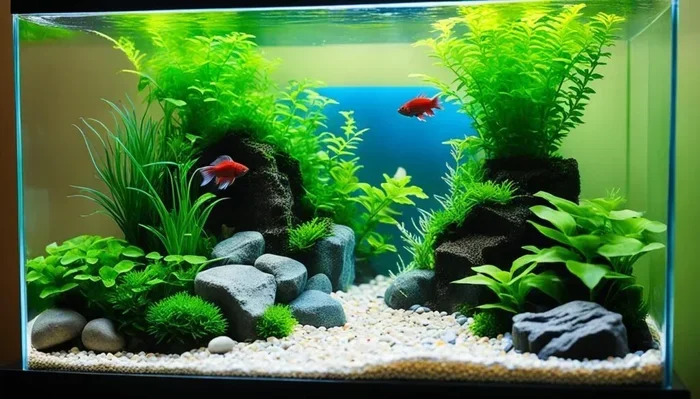
Bettas love places to hide and rest. Adding caves, plants, and driftwood gives your fish a sense of security. Live plants are especially beneficial because they absorb nitrates and produce oxygen naturally.
Avoid sharp decorations that can tear your betta’s delicate fins. Soft silk plants and smooth rocks are safe choices. If you are unsure about your setup, our article on how to set up a fish tank for betta fish provides a detailed walkthrough for beginners.
Feeding for Optimal Health
Diet plays a huge role in how healthy and vibrant your betta looks. A balanced betta fish diet supports growth, color, and energy levels. Overfeeding is one of the most common mistakes new owners make, and it can lead to serious health problems.
What to Feed Your Betta
High-quality betta pellets should form the staple of your fish’s diet. Look for pellets with fish meal as the first ingredient and avoid those filled with fillers like corn or wheat. Freeze-dried or frozen foods like bloodworms and brine shrimp make excellent supplements.
You can also prepare betta fish food at home using simple ingredients. A varied diet keeps your betta interested in eating and provides a broader range of nutrients. Offer small amounts that your fish can finish in two to three minutes.
Feeding Schedule and Portions
Feed your betta twice a day, once in the morning and once in the evening. Give only as much food as your fish can eat in a few minutes. Excess food sinks to the bottom and decays, which pollutes the water and spikes ammonia levels.
Consider fasting your betta one day per week. This gives the digestive system a break and helps prevent constipation. A healthy feeding routine is one of the simplest ways to support long-term betta fish health.
Maintaining Water Quality
Clean water is the single most important factor in raising a healthy betta fish. Poor water quality causes stress, disease, and shortened lifespan. Staying on top of your maintenance routine makes all the difference.
Water Changes and Preparation
Perform a 25 to 30 percent water change every week. This removes accumulated waste and replenishes essential minerals. Always treat new water with a water conditioner before adding it to the tank. Chlorine and chloramine found in tap water are harmful to fish.
For detailed guidance on preparing safe water, read our article on how to prepare water for a betta fish. Proper water preparation is one of the most overlooked aspects of betta fish care, and getting it right protects your fish from unnecessary stress.
Testing Water Parameters
Test your water regularly using a liquid test kit. You want to keep ammonia and nitrite at zero, and nitrate below 20 parts per million. These tests are inexpensive and give you early warning of water quality problems.
Keep a log of your test results. Over time, you will notice patterns and learn what works best for your specific setup. Stable parameters mean a stable, healthy environment for your betta.
The Nitrogen Cycle Explained Simply
The nitrogen cycle is the process that breaks down harmful waste in your tank. Beneficial bacteria convert ammonia into nitrite and then into less harmful nitrate. Cycling your tank before adding fish prevents dangerous spikes in toxic compounds.
If you are new to aquarium keeping, cycling can seem intimidating. But it is really just a matter of patience and consistency. A fully cycled tank is the safest home for your betta, and it dramatically reduces the risk of disease and fin loss.
Recognizing Signs of a Healthy Betta
Knowing what a healthy betta looks like helps you catch problems early. A happy, healthy betta displays bright colors, active swimming, and a good appetite. Familiarize yourself with these normal behaviors so you can spot anything unusual right away.
Color and Fins
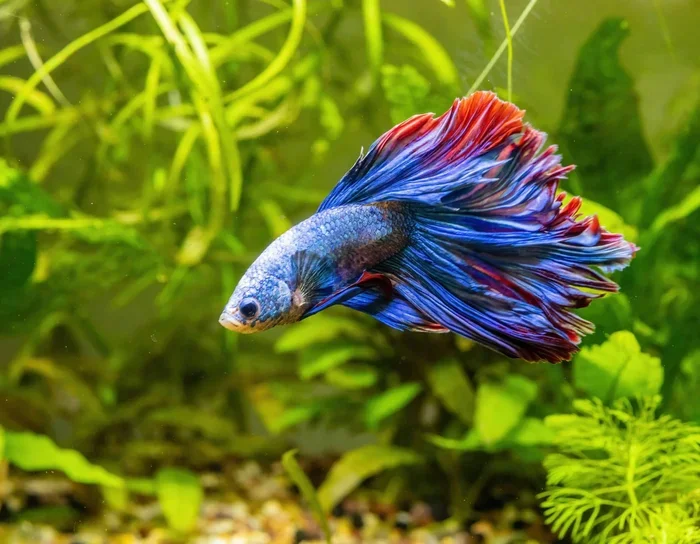
A healthy betta has vivid, evenly distributed color across its body and fins. Fins should be flowing and intact without tears or ragged edges. Fading color or clamped fins often signal stress or illness.
If your betta starts losing color, check the water parameters first. Poor water quality is the most common cause. Our guide on how to regrow betta fish fins offers helpful advice if your fish has experienced fin damage.
Appetite and Energy Levels
A healthy betta eagerly accepts food and swims actively throughout the day. Bettas are curious fish that enjoy exploring their environment. If your fish stops eating or spends most of the time hiding, something is wrong.
Track changes in behavior over a few days. A single off day is usually nothing to worry about, but persistent lethargy or loss of appetite needs attention. Early intervention often makes the difference between a quick recovery and a serious health crisis.
Preventing Common Health Issues
Most betta fish health problems are preventable with good care. Understanding the most common issues and their causes puts you in a strong position to keep your fish safe.
Ich and Parasitic Infections
Ich is one of the most common diseases in aquarium fish. It appears as white spots on the body and fins. Ich is caused by a parasite that thrives in stressed fish kept in poor water conditions.
Prevention starts with maintaining clean water and stable temperatures. If you notice white spots, act quickly. Our guide on how to treat ich on a betta fish provides step-by-step treatment instructions that are safe and effective.
Fin Rot and Bacterial Infections
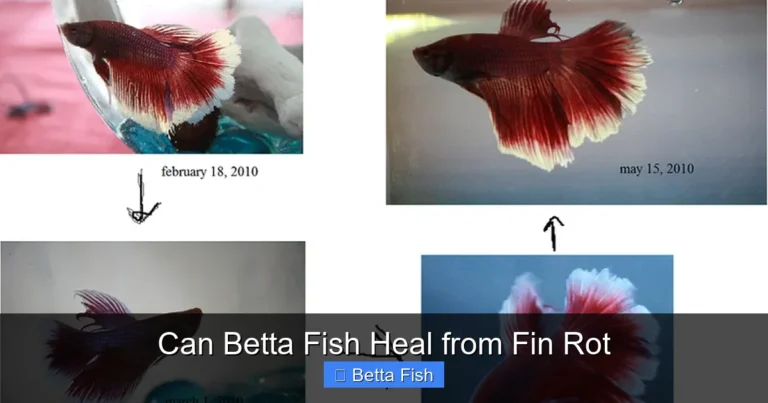
Fin rot causes the edges of the fins to turn white or black and slowly disintegrate. It is usually caused by poor water quality or physical damage from sharp decorations. Treating fin rot early with proper medication can save your fish’s fins.
Keep the tank clean and remove any rough objects that might injure fins. A healthy immune system fights off bacterial infections naturally, which is why stable water conditions and a good diet are so important.
Stress and Its Hidden Effects
Stress weakens the immune system and makes bettas vulnerable to disease. Common stressors include wrong water temperature, aggressive tankmates, and lack of hiding places. Even bright lights can stress a betta that prefers dim, natural environments.
If you suspect your fish is stressed, review the tank conditions first. Sometimes a simple adjustment like lowering the light or adding a hiding spot makes a big difference. Our article on how to treat a stressed betta fish covers practical solutions for calming an anxious fish.
Quick Tips for Prevention
- Keep water temperature stable between 78 and 80 degrees Fahrenheit.
- Perform weekly water changes of 25 to 30 percent.
- Feed high-quality food in appropriate portions twice daily.
- Avoid overcrowding the tank or adding aggressive tankmates.
- Quarantine new plants or decorations before adding them to the main tank.
- Observe your betta daily for changes in behavior or appearance.
Conclusion
Learning how to raise healthy betta fish is a rewarding journey that anyone can enjoy. The key is to focus on the basics: a properly sized tank, warm and clean water, a balanced diet, and regular observation. These simple steps create the foundation for a long, happy life for your betta.
Remember that every betta is different, and part of the joy of fish keeping is learning your individual fish’s personality and preferences. Stay patient, stay consistent, and your efforts will pay off with a vibrant, active companion that brings beauty to your home every single day. Start applying these tips today and watch your betta thrive.
Frequently Asked Questions
What is the best tank size for raising a healthy betta fish?
A 5-gallon tank is the minimum recommended size for a single betta fish. This gives your fish enough room to swim and explore while keeping water parameters stable. Larger tanks like 10 gallons are even better because they dilute waste and make maintenance easier.
How often should I feed my betta fish?
Feed your betta twice a day with small portions it can finish in two to three minutes. Overfeeding is one of the leading causes of health problems and poor water quality. Consider fasting your betta one day per week to support healthy digestion.
What water temperature is best for betta fish?
The ideal water temperature for betta fish is between 78 and 80 degrees Fahrenheit. Use an aquarium heater and thermometer to maintain a steady temperature. Cold water weakens the immune system and makes bettas more susceptible to disease.
How can I tell if my betta fish is stressed?
Signs of a stressed betta include clamped fins, loss of color, hiding frequently, and loss of appetite. Stress is often caused by poor water quality, wrong temperature, or lack of hiding spots. Check your tank conditions and make adjustments to help your fish feel safe.
Can betta fish live with other fish?
Bettas can sometimes live with peaceful, non-aggressive tankmates in a large enough tank. However, male bettas should never be housed together. Always research compatibility carefully and provide plenty of space and hiding places for all fish in the tank.
How do I prevent diseases in my betta fish?
The best way to prevent disease is through consistent water maintenance, proper feeding, and stable tank conditions. Regular water changes, testing parameters, and quarantining new additions all reduce the risk of illness. A healthy immune system is your betta’s best defense against infections and parasites.