How Do I Tell If My Betta Fish Is Pregnant
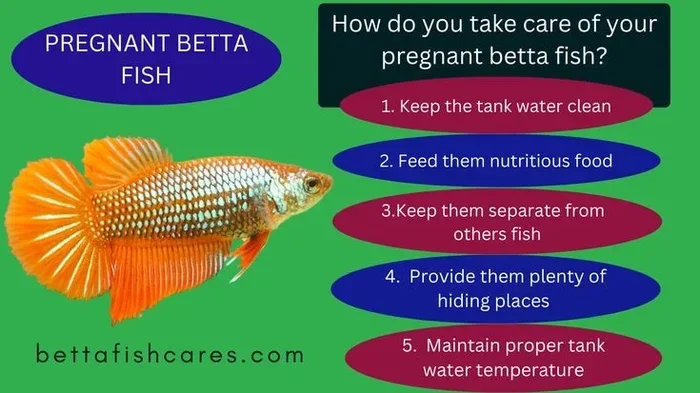
Telling if your betta fish is pregnant comes down to watching a few key signs. A pregnant female betta will develop a white dot near her belly, her belly will become rounder, and she may act more aggressive or hide frequently. Knowing these pregnancy signs early helps you prepare the right tank setup and care routine for your fish.
Have you been staring at your female betta fish and thinking, “Is she pregnant?” It is a common question among betta owners, and the answer is easier to spot than you might think. Telling if your betta fish is pregnant involves watching for a few physical and behavioral clues that show up over time.
Betta fish are fascinating creatures. They are colorful, active, and full of personality. But when a female betta starts carrying eggs, her body and behavior change in noticeable ways. Whether you are a beginner or have kept bettas for years, learning to recognize these signs helps you provide better care. Knowing how to tell if your betta fish is pregnant also prepares you for the next steps, like setting up a breeding tank or adjusting her diet.
This guide walks you through every sign of betta fish pregnancy in plain, simple language. You will learn what to look for, what to do, and how to avoid common mistakes. Let us dive in and help you become a more confident betta fish owner.
Key Takeaways
- Spot the white dot: A small white spot near the belly is one of the clearest early signs of a pregnant betta fish.
- Watch the belly shape: A round, swollen belly that gets bigger over time often means your betta is carrying eggs.
- Behavior changes matter: Pregnant bettas may hide more, eat less, or become more territorial than usual.
- Set up a breeding tank: Proper water conditions and a separate tank help keep both the mother and fry safe.
- Feed carefully: Adjusting food portions and types during pregnancy supports a healthy betta fish.
- Know the difference between sick and pregnant: Some pregnancy signs overlap with illness, so check for multiple symptoms together.
- Patience is key: The full pregnancy cycle from egg development to fry release takes time and careful observation.
📑 Table of Contents
How Do I Tell If My Betta Fish Is Pregnant
The first thing most betta owners notice is the belly. A pregnant betta fish develops a rounder, wider belly as her body produces eggs. But the belly alone is not enough to confirm pregnancy. You need to look at several signs together to be sure.
Betta fish are not livebearers. This means they do not give birth to live young. Instead, the female releases eggs, and the male fertilizes them outside the body. This process is called bubble nesting, and it plays a big role in betta breeding. Understanding this helps you know what to expect during the pregnancy timeline.
Physical Signs of a Pregnant Betta Fish
Your betta fish body gives off several clear physical clues when she is carrying eggs. Here are the main ones to watch for:
- White spot near the belly: This is called the ovipositor. It looks like a tiny white dot or tube on the underside of the belly. It appears when the fish is ready to release eggs.
- Round, swollen belly: The belly becomes wider and more rounded. It may look like she swallowed a small marble. This swelling happens gradually over days or weeks.
- Color changes: Some pregnant bettas develop vertical stripes on their body. These are called breeding bars and they signal that the fish is ready to mate.
- Larger body overall: The fish may look bulkier from above. Her scales might appear slightly stretched if the belly is very full.
If you notice these signs together, there is a strong chance your betta is pregnant. However, always compare what you see with other signs before jumping to conclusions.
Behavioral Changes in a Pregnant Betta
Body changes are only half the story. A pregnant betta fish also behaves differently. These behavior shifts can be subtle at first but become more obvious as the pregnancy progresses.
- Hiding more than usual: Pregnant bettas often seek out hiding spots. They may hover near plants, caves, or the back of the tank. This is a natural instinct to feel safe while carrying eggs.
- Eating less: You might notice your betta leaving food uneaten. A reduced appetite is common as the eggs take up space in the belly.
- Increased aggression: Some female bettas become more territorial when pregnant. They may flare at tank mates or chase other fish away.
- Flaring at reflections: Pregnant bettas can become extra defensive. If your fish flares at her own reflection more than usual, it could be a pregnancy sign.
- Resting near the bottom: A pregnant betta may spend more time resting on the substrate or near the bottom of the tank. She conserves energy while carrying the eggs.
Keep in mind that behavior changes can also signal stress or illness. Always combine behavior observations with physical signs before making a decision.
How to Confirm Your Betta Fish Is Really Pregnant
It is easy to mistake a bloated belly for pregnancy. Many things can cause a betta fish belly to swell, including overfeeding, constipation, or a serious illness like dropsy. To confirm pregnancy, you need to look at the full picture.
If you are unsure whether your fish is pregnant or sick, check out our guide on how can you tell if your betta fish is sick to learn about common illness symptoms that mimic pregnancy.
The White Dot Test
The ovipositor, or white dot, is the most reliable early sign of a pregnant betta. Look closely at the underside of the belly, near the rear area. If you see a small, white, pinhead-sized dot, your betta is likely carrying eggs. This dot is where the eggs will pass through when the time comes.
Not all female bettas show this dot clearly. It is more visible in some fish than others. If you have trouble spotting it, try shining a flashlight gently against the tank glass. The light can help illuminate the area.
Comparing Pregnancy vs. Bloat
Here is a quick comparison to help you tell the difference between a pregnant betta and a bloated betta:
- Pregnant betta: Belly is round and firm. The fish still eats small amounts. The white dot is visible. Vertical stripes may appear. The fish is otherwise active.
- Bloated betta: Belly is swollen and soft. The fish may stop eating completely. No white dot is present. The fish may float or struggle to swim. Lethargy is common.
If you are still confused, take a close look at your fish over several days. Pregnancy signs develop gradually, while bloating from illness often appears suddenly and gets worse fast.
The Betta Fish Pregnancy Timeline
Understanding the timeline helps you know what to expect and when. A betta fish pregnancy does not last forever. It follows a natural progression that you can track with daily observation.
Stage 1: Egg Development (Days 1 to 7)
During this early stage, the female betta fish body starts producing eggs. The belly may begin to look slightly rounder. You probably will not see the white dot yet. The fish eats normally and behaves much the same as usual. This is the hardest stage to detect without close observation.
Stage 2: Egg Maturation (Days 7 to 14)
The belly becomes more noticeable. The white dot starts to appear. The fish may eat a little less. Vertical breeding bars might show up on the body. This is when most owners first suspect pregnancy. If you keep a close eye on your fish, you will likely catch the signs during this stage.
Stage 3: Pre-Spawning (Days 14 to 21)
The female is now full of eggs. She may hide more and eat even less. The breeding bars are usually very visible now. If a male betta is present, he will start building a bubble nest at the surface of the water. This is a clear sign that breeding conditions are ready.
Stage 4: Egg Release (Day 21 onward)
The female releases her eggs, and the male fertilizes them. The female then needs rest and recovery. This stage requires careful attention to water quality and tank setup. After the eggs are released, you should separate the female from the male to prevent stress or harm.
If you want more details on how to care for your betta during and after this process, check out our article on how do I take care of a betta fish for practical daily care tips.
What to Do When Your Betta Fish Is Pregnant
Discovering your betta is pregnant is exciting, but it also comes with responsibility. You need to adjust the tank setup and care routine to keep your fish healthy and safe.
Set Up a Breeding Tank
A separate breeding tank is the best option for a pregnant betta. It gives the fish a calm, controlled environment. Use a tank of at least 5 gallons with a gentle filter. Add soft plants or a spawning mop where the female can deposit her eggs. Keep the water temperature between 78 and 80 degrees Fahrenheit. This warmth encourages healthy egg development.
Adjust the Diet
A pregnant betta needs good nutrition, but she may not eat as much. Offer small, frequent meals instead of one large feeding. High-quality betta pellets are a great base. You can also add frozen or live foods like brine shrimp and bloodworms. These foods are rich in protein and support egg production.
If your pregnant betta refuses to eat, do not panic. Check out our guide on what to do if my betta fish won’t eat for helpful tips on encouraging appetite during pregnancy.
Monitor Water Conditions
Clean water is essential for a pregnant betta fish. Test the water regularly for ammonia, nitrite, and nitrate levels. Perform small water changes of about 20 percent every few days. Avoid sudden changes in temperature or pH, as these can stress the fish and harm the eggs inside.
Using the right water source also matters. If you are unsure about your tap water, check out our guide on can I use tap water in my betta fish bowl to learn about safe water options for your tank.
Watch for Stress Signals
Pregnant bettas are more sensitive to stress. Keep the tank in a quiet area away from loud noises and direct sunlight. Avoid adding new tank mates during this time. If other fish are present, they may bother the pregnant female. A calm environment leads to a healthier pregnancy and better egg production.
Common Mistakes to Avoid
Even experienced betta owners can make mistakes when dealing with a pregnant fish. Here are the most common errors to avoid:
- Assuming every swollen belly means pregnancy: Bloat, constipation, and dropsy can all cause a round belly. Always check for multiple signs before assuming pregnancy.
- Overfeeding during pregnancy: A pregnant betta may eat less, but some owners try to force-feed. This can make bloating worse and harm the fish.
- Skipping water changes: Dirty water stresses pregnant fish and can lead to illness. Stick to a regular maintenance schedule.
- Keeping the male and female together too long: After the eggs are released, the male may become aggressive toward the female. Separate them to prevent injury.
- Ignoring temperature needs: Cold water slows down egg development and can harm the fish. Use a reliable heater to maintain stable warmth.
- Not doing enough research: Breeding bettas takes preparation. Learn about the process before you start so you are ready for every stage.
Avoiding these mistakes gives your pregnant betta the best chance of a healthy, successful egg cycle.
When to Call a Vet or Fish Expert
Most of the time, you can manage a pregnant betta at home. But there are times when professional help is needed. If your fish shows signs of severe bloating, white spots, frayed fins, or stays at the bottom of the tank and refuses to move, something more than pregnancy may be going on.
These symptoms could indicate a bacterial infection, parasites, or a serious condition like dropsy. In these cases, it is best to consult a fish veterinarian or experienced aquarist. Early intervention can save your fish’s life and prevent the spread of disease to other tank mates.
If you are ever in doubt about whether your betta is pregnant or sick, refer to our detailed guide on how can you tell if your betta fish is pregnant for a deeper dive into the differences between pregnancy and illness symptoms.
Conclusion
Now you know the full picture of how do I tell if my betta fish is pregnant. From the white dot on the belly to the changes in behavior, each sign plays an important role in confirming pregnancy. The key is to observe your fish daily and compare what you see over time. No single sign tells the whole story, but together they paint a clear picture.
Remember to set up the right tank conditions, adjust the diet, and keep the water clean. Avoid common mistakes like overfeeding or ignoring stress signals. With patience and care, your betta fish will have a healthy pregnancy cycle. Whether you are preparing for fry or just want to understand your fish better, this knowledge makes you a more informed and confident owner.
Keep learning, keep observing, and enjoy the rewarding experience of caring for your betta fish through every stage of life.
Frequently Asked Questions
How long is a betta fish pregnant for?
The full egg development cycle in a betta fish lasts about 3 to 4 weeks. The female carries the eggs internally during this time. After the eggs are released, the male fertilizes them and places them in a bubble nest. The female is then separated from the male to rest and recover.
Can a male betta fish look pregnant?
No, male betta fish do not get pregnant. Only female bettas carry and release eggs. However, males play an important role by building bubble nests and fertilizing the eggs after the female releases them. If you see a male with a round belly, it is likely a sign of overfeeding or bloating, not pregnancy.
What does a pregnant betta fish look like?
A pregnant betta fish has a rounder, wider belly compared to her normal shape. She may develop a small white dot near her underside, vertical breeding bars on her body, and her color may appear slightly faded. Her behavior also changes, including hiding more and eating less than usual.
Do betta fish lay eggs or give birth to live babies?
Betta fish lay eggs. The female releases eggs into the water or onto a surface, and the male fertilizes them externally. The male then collects the eggs and places them in a bubble nest he builds at the water surface. The eggs hatch after about 24 to 48 hours, and the fry become free-swimming a few days later.
Should I separate my pregnant betta from other fish?
Yes, it is a good idea to separate a pregnant betta, especially during the final stages of egg development. Other fish may stress the pregnant female or try to eat the eggs after they are released. A separate breeding tank gives the female a calm, safe space to carry and release her eggs without disruption.
What should I feed a pregnant betta fish?
Offer small, frequent meals of high-quality betta pellets, frozen brine shrimp, or bloodworms. These foods are rich in protein and support healthy egg production. Avoid overfeeding, as a pregnant betta may eat less than usual. Remove any uneaten food within a few minutes to keep the water clean.