How Long Do Betta Fish Live on Average

So, how long do betta fish live on average? Most betta fish live between 3 and 5 years with proper care, though some can reach 7 years or more. The key factors that determine betta fish lifespan include tank size, water quality, diet, and overall living conditions. This guide covers everything you need to know to give your betta the longest, healthiest life possible.
Betta fish are some of the most popular pets in the world. Their vibrant colors and flowing fins make them stand out in any room. But if you are thinking about bringing one home, a common question comes up fast: how long do betta fish live on average?
The answer might surprise you. While many people assume bettas are short-lived, the truth is that these little fish can live a long time with the right setup. Most bettas live between 3 and 5 years. But with excellent care, some bettas reach 6 or even 7 years old. Betta fish lifespan depends on several important factors that every owner should understand.
In this guide, we will break down everything that affects how long your betta can live. From tank size to diet, from water temperature to common health issues, we cover it all. Whether you are a new betta owner or have had these fish for years, you will find practical tips to help your betta thrive. Let us dive in and explore the world of betta fish longevity together.
Key Takeaways
- Average Lifespan: Betta fish typically live 3 to 5 years, with exceptional care extending their life to 7+ years.
- Tank Size Matters: A 5-gallon tank or larger significantly improves betta fish longevity compared to small bowls.
- Water Quality Is Critical: Regular maintenance and proper filtration directly impact betta fish health and lifespan.
- Diet Plays a Role: A balanced, varied diet keeps bettas healthy and supports a longer life.
- Gender Differences Exist: Female bettas often live slightly longer than males under similar conditions.
- Wild vs. Captivity: Betta fish in the wild face shorter lifespans due to environmental stressors and predators.
- Common Mistakes Shorten Lifespan: Overcrowding, poor water conditions, and incorrect feeding habits reduce betta longevity.
📑 Table of Contents
Understanding Betta Fish Lifespan
Before we get into the details, let us look at the big picture. The average betta fish lifespan is shaped by genetics, environment, and daily care. Understanding these basics helps you set realistic expectations and gives you the power to improve your fish’s quality of life.
What Is the Average Lifespan of a Betta Fish?
Most sources agree that betta fish live an average of 3 to 5 years in captivity. This is the standard range you will see in most care guides. However, the average betta fish lifespan can stretch beyond that when conditions are ideal.
Several things play a role in reaching the upper end of the spectrum:
- Genetics: Some bettas are simply bred for stronger genes and better health.
- Tank setup: A proper aquarium with filtration and heating makes a huge difference.
- Diet: High-quality food provides the nutrients bettas need to stay healthy.
- Water maintenance: Clean water prevents stress and disease.
If you want to learn more about general betta lifespan, check out our detailed guide on how long do betta fish live for additional insights.
How Long Do Betta Fish Live in the Wild?
Wild bettas face a very different reality than pet store bettas. In their natural habitats across Southeast Asia, bettas deal with changing seasons, pollution, and predators. Because of these challenges, wild bettas generally have a shorter lifespan than their captive counterparts.
In the wild, bettas typically live 2 to 3 years at most. The harsh conditions, limited food sources, and constant threats from other animals take a toll. For a deeper look at this topic, you can read our article on how long do betta fish live in the wild.
Understanding the difference between wild and captive lifespans helps you appreciate how much you can improve your pet betta’s life. A well-maintained tank gives your fish the best possible chance at a long, healthy life.
Factors That Affect Betta Fish Lifespan
Now that you know the basics, let us get into the specific factors that influence betta fish longevity. Each of these plays a meaningful role, and small changes in your care routine can lead to big improvements.
Tank Size and Setup
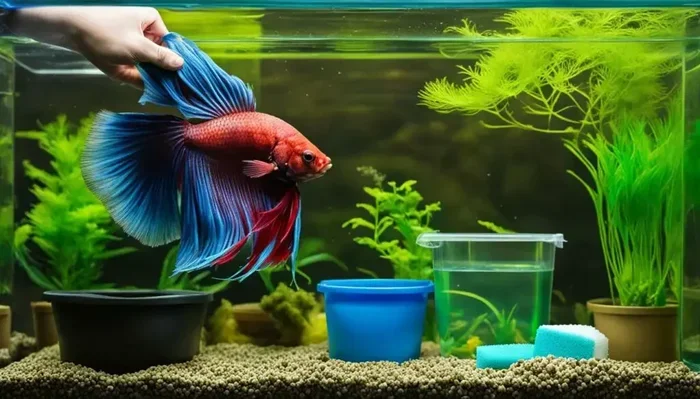
One of the biggest mistakes new betta owners make is keeping their fish in a tiny bowl. A small container limits movement, traps toxins, and causes stress. Betta fish living conditions in a cramped space are far from ideal.
A 5-gallon tank is the minimum recommended size for a single betta. This gives your fish enough room to swim and explore. It also makes it easier to maintain stable water parameters. If you want specific guidance on tank size and its impact on lifespan, our article on how long do betta fish live in a 5 gallon tank covers this topic in depth.
Here are some tank setup tips for better betta health:
- Use a heater to keep water between 76 and 82 degrees Fahrenheit.
- Add a gentle filter to maintain water flow without strong currents.
- Include plants and hiding spots to reduce stress.
- Avoid sharp decorations that can damage delicate fins.
Water Quality and Maintenance
Clean water is the foundation of a long betta lifespan. Poor water quality leads to stress, weakened immunity, and disease. Betta fish health depends heavily on the water they live in.
You should test your water parameters regularly. Key things to monitor include ammonia, nitrite, nitrate, and pH levels. A partial water change of 25 to 30 percent every week helps keep things stable.
Quick tips for maintaining excellent water quality:
- Use a water conditioner to remove chlorine and chloramines.
- Vacuum the gravel during water changes to remove debris.
- Do not overfeed, as uneaten food fouls the water quickly.
- Keep the tank away from direct sunlight and drafts.
Diet and Nutrition
What you feed your betta directly affects its health and longevity. Betta fish nutrition is not just about filling a bowl. It is about providing balanced meals that support growth, color, and immune function.
Betta fish are carnivores by nature. They thrive on protein-rich foods. A staple diet of high-quality betta pellets forms the base. You can supplement this with frozen or live foods like brine shrimp, bloodworms, and daphnia.
Feeding tips to promote a longer life:
- Feed small amounts twice a day rather than one large meal.
- Skip one feeding day per week to support digestion.
- Avoid overfeeding, which leads to bloating and poor water quality.
- Rotate food types to provide nutritional variety.
Male vs. Female Betta Fish Lifespan
You might wonder whether gender plays a role in how long bettas live. The short answer is yes, there are some differences. Male and female bettas experience slightly different lifespans and care requirements.
Male betta fish are the ones most people recognize with their long, flowing fins and bright colors. Males tend to be more showy but also more prone to stress and aggression. Their average lifespan falls within the standard 3 to 5-year range.
Female betta fish are generally hardier and slightly longer-lived in many cases. They tend to be less stressed in community tanks and have a more robust build. For more details on this topic, you can read our article on how long do female betta fish live.
Here is a quick comparison of male and female bettas:
| Factor | Male Betta | Female Betta |
|---|---|---|
| Average Lifespan | 3 to 5 years | 3 to 5+ years |
| Fin Length | Long and flowing | Shorter and rounded |
| Temperament | More aggressive | Generally calmer |
| Color Intensity | Often more vibrant | Slightly less vivid |
| Care Difficulty | Moderate | Slightly easier |
Both genders can live long, happy lives with proper care. The key is understanding their unique needs and providing the best possible environment for each.
Common Mistakes That Shorten Betta Fish Lifespan
Many betta fish do not reach their full lifespan potential because of common owner mistakes. Knowing what to avoid is just as important as knowing what to do right.
Keeping Bettas in Tiny Bowls
This is the number one mistake. Tiny bowls without filtration or heating create a stressful environment for your fish. Betta fish tank maintenance becomes nearly impossible in a small bowl because water parameters swing wildly.
Overfeeding
Bettas have small stomachs. Overfeeding leads to bloating, obesity, and poor water quality. uneaten food decays quickly and releases harmful toxins. Feed only what your fish can consume in two minutes, twice a day.
Ignoring Water Changes
Even with a filter, regular water changes are essential. Many beginners skip or delay water changes, allowing harmful chemicals to build up. This causes chronic stress and shortens your betta’s life significantly.
Housing Bettas with Aggressive Tank Mates
While bettas can sometimes live with other fish, choosing the wrong tank mates leads to constant stress. Avoid fin-nipping species and overly aggressive fish. Stress weakens the immune system and opens the door to disease.
Skipping Quarantine for New Fish
Adding new fish to your tank without quarantine can introduce diseases. If you are treating a sick betta, make sure to follow proper quarantine procedures. For guidance on this topic, see our article on how long do I quarantine my betta fish after treatment.
How to Maximize Your Betta Fish’s Lifespan
Now that you know what affects betta longevity, let us talk about how to give your fish the best chance at a long, healthy life. These practical steps are easy to follow and make a real difference.
Create a Stable Environment
Stability is the secret to a long betta life. Keep water temperature consistent, maintain a regular cleaning schedule, and avoid sudden changes in your tank setup. Bettas thrive on predictability, just like many other pets.
Provide Mental Stimulation
Bettas are smarter than people give them credit for. Adding plants, caves, and gentle water flow gives your fish things to explore. A stimulated betta is a happier, healthier betta.
Monitor Health Regularly
Watch for signs of illness such as clamped fins, loss of color, loss of appetite, or unusual swimming behavior. Catching problems early gives you the best chance to treat them successfully. Regular observation is one of the simplest yet most effective ways to protect your betta’s health.
Choose Quality Food
Invest in high-quality betta pellets from reputable brands. Look for foods with real animal protein as the first ingredient. Avoid cheap fillers that offer little nutritional value. Good food supports strong immunity, vibrant colors, and steady growth.
Expert Insights on Betta Fish Longevity
Experienced aquarists and veterinarians agree on a few key principles for extending betta fish lifespan. First, never underestimate the power of clean water. Second, do not underestimate the impact of a proper diet. And third, give your fish space to move and explore.
Many seasoned betta keepers report that their fish live 6 to 7 years or longer. These are the owners who invest time in proper tank setup, consistent maintenance, and attentive daily care. The effort pays off in a happier, healthier fish that brings joy for years.
If you are new to betta keeping, start with the basics and build from there. Learn your water parameters, establish a feeding routine, and watch your fish closely. Over time, you will develop an intuition for what your betta needs to thrive.
The journey of caring for a betta fish is rewarding in itself. Every water change, every feeding, and every moment spent observing your fish strengthens the bond between you and your pet. That connection is what makes betta keeping so special.
Conclusion
So, how long do betta fish live on average? With proper care, most bettas live 3 to 5 years, and some even reach 7 years or more. The factors that matter most are tank size, water quality, diet, and overall living conditions. By avoiding common mistakes and following the tips in this guide, you can give your betta the best possible life.
Remember, every betta fish is unique. Genetics play a role, but your daily care choices matter just as much. Provide a clean, spacious tank, feed a balanced diet, and keep a close eye on your fish’s health. These simple steps go a long way toward maximizing your betta’s longevity.
Start today by reviewing your current setup. Small improvements now can add months or even years to your betta’s life. Your fish will thank you with vibrant colors, active behavior, and a long, happy life by your side.
Frequently Asked Questions
How long do betta fish live on average in captivity?
In captivity, betta fish live an average of 3 to 5 years. With excellent care, a clean tank, and a proper diet, some bettas reach 6 or 7 years old. The key is maintaining stable water conditions and providing a spacious tank with at least 5 gallons.
Can a betta fish live longer than 5 years?
Yes, many betta fish live beyond 5 years when they receive top-quality care. Factors like genetics, tank setup, and consistent water maintenance all contribute to a longer life. Some dedicated betta keepers report their fish living 6 to 7 years or even more.
What is the oldest a betta fish can live?
The oldest recorded betta fish have lived around 7 to 10 years in exceptional cases. These are rare and usually involve fish kept in large, well-maintained aquariums with optimal conditions. While most bettas do not reach this age, proper care significantly increases their chances of a longer life.
Do male and female betta fish live the same length of time?
Female bettas tend to live slightly longer than males on average. Males are often more colorful and have longer fins, but they can also be more prone to stress. Both genders benefit greatly from proper tank setup, clean water, and a balanced diet.
Does tank size really affect how long betta fish live?
Yes, tank size has a direct impact on betta fish lifespan. A larger tank provides more stable water parameters, better oxygenation, and more swimming space. A 5-gallon tank is the minimum recommended size, but bigger tanks generally support healthier, longer-lived bettas.
What is the main reason betta fish die early?
The most common reason betta fish die early is poor water quality. Dirty water, lack of filtration, and infrequent water changes cause stress and disease. Overfeeding and keeping bettas in too-small containers also shorten their lifespan significantly. Consistent care and proper tank maintenance prevent most of these issues.