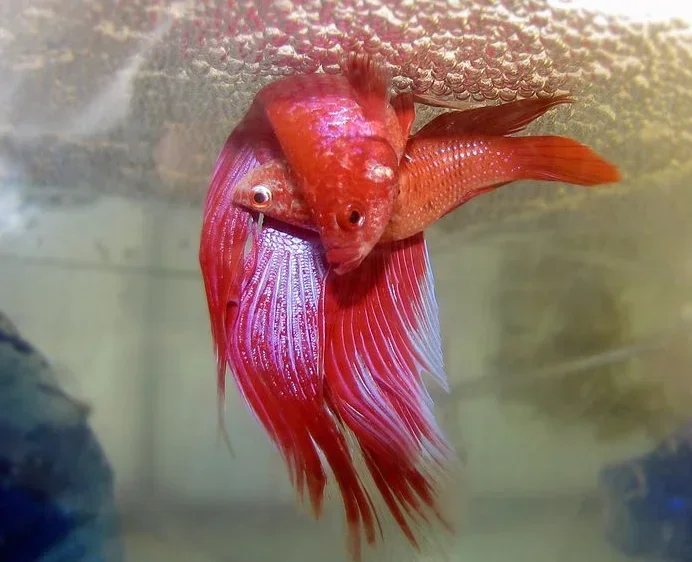
How Much Food Do You Feed a Male Betta Fish
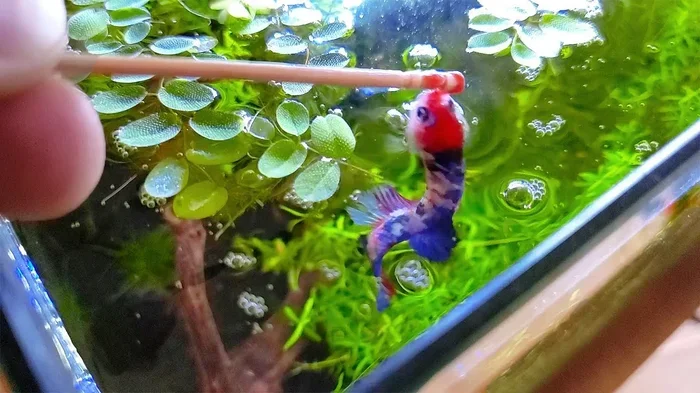
Feeding your male betta fish the right amount is one of the most important things you can do for its health and lifespan. A male betta needs about 2-3 pellets or a similar portion of flakes per meal, offered twice a day. Overfeeding is the biggest mistake new fish owners make, and it can lead to serious health problems like bloating and swim bladder issues.
Key Takeaways
- Portion Control Matters: Male bettas need small, measured portions — about the size of their eyeball per feeding.
- Twice Daily Is Ideal: Feed your betta two times a day with a consistent schedule to support digestion and energy.
- Overfeeding Is Dangerous: Excess food fouls the tank water and causes bloating, constipation, and swim bladder disease.
- Quality Food Makes a Difference: High-protein pellets and flakes designed for bettas provide the nutrition your fish needs.
- Fasting Days Help: Skipping one feeding per week gives your betta’s digestive system a chance to reset and stay healthy.
- Watch for Hunger Cues: A healthy betta will show interest in food but should not be fed on demand every time.
📑 Table of Contents
- How Much Food Do You Feed a Male Betta Fish
- Understanding Your Male Betta’s Dietary Needs
- How Often Should You Feed a Male Betta Fish
- How Much Food Should You Give at Each Meal
- Common Feeding Mistakes to Avoid
- Special Feeding Considerations for Male Bettas
- How to Tell If You Are Feeding the Right Amount
- Key Takeaways
- Conclusion
How Much Food Do You Feed a Male Betta Fish
If you just brought home a male betta fish, you might be wondering about one thing: how much food do you feed a male betta fish? It is a simple question, but the answer matters more than most people think. Too little food and your fish goes hungry. Too much and you risk serious health problems that could shorten your betta’s life.
The truth is, male bettas have small stomachs. They are not like goldfish or other community fish that will eat everything you put in the tank. A male betta’s stomach is roughly the size of its eyeball, which gives you a clear picture of how much food is enough. In this guide, we will walk you through exactly how much to feed your male betta, how often, and the mistakes you should avoid at all costs.
Getting the betta fish feeding amount right is one of the easiest ways to keep your fish healthy, colorful, and active. Whether you are a complete beginner or have had fish before, this guide will give you the confidence to feed your betta properly every single day.
Understanding Your Male Betta’s Dietary Needs
Male betta fish are carnivores by nature. In the wild, they eat small insects, larvae, and tiny crustaceans. This means their male betta diet needs to be rich in protein. Understanding what your fish eats in nature helps you choose the right food and the right portions in captivity.
Why Portion Size Is So Important
A betta fish stomach is tiny. It can only process a small amount of food at a time. When you overfeed, the extra food sits in the stomach and starts to rot. This leads to bloating, constipation, and a condition called swim bladder disease. These issues can be painful and even fatal if not addressed quickly.
The golden rule for betta fish food portions is simple: feed only what your fish can eat in two minutes. If there is leftover food floating in the tank after two minutes, you have given too much. Remove the excess immediately to keep your water quality clean.
Best Food Types for Male Bettas
Not all fish food is created equal. Here are the best options for feeding a male betta:
- Betta Pellets: These are specially formulated for bettas and contain the right protein levels. They are the most popular choice among betta owners.
- Betta Flakes: Flakes work well but can be messier. They also lose nutritional value faster than pellets.
- Frozen or Freeze-Dried Food: Bloodworms, brine shrimp, and daphnia make excellent treats. They are packed with protein and most bettas love them.
- Live Food: Live brine shrimp or micro worms are the closest thing to a natural diet. They are great for conditioning breeding males.
Always check the ingredients on the packaging. Look for a protein content of at least 30-40%. Avoid foods with fillers like cornmeal or wheat, as bettas cannot digest them well.
How Often Should You Feed a Male Betta Fish
Frequency matters just as much as portion size when it comes to betta fish feeding schedule. Most experts recommend feeding a male betta twice a day. This mimics the natural pattern of small, frequent meals that bettas would encounter in the wild.
A Typical Feeding Routine
Here is a simple routine you can follow every day:
- Morning Feeding: Give your betta a small portion of pellets or flakes once you wake up. This kickstarts their metabolism for the day.
- Evening Feeding: Offer a second small portion in the early evening. This gives your betta time to digest before resting overnight.
Stick to the same times each day. Bettas thrive on routine, and a consistent schedule helps them stay active and hungry at feeding time. If you are away for a day, skipping one feeding is perfectly fine. Bettas can go several days without food without any harm.
If you want more details on feeding frequency, check out our guide on how often you feed a betta fish for a deeper dive into the best schedule.
How Much Food Should You Give at Each Meal
This is where most people get it wrong. The betta fish feeding amount per meal is very small, and many owners accidentally give too much. Here is a clear breakdown of what a proper portion looks like.
Portion Guide for Pellets
For standard betta pellets, give your male fish 2 to 3 pellets per meal. That is it. Two to three small pellets are more than enough for a betta’s stomach. If you are using larger pellets, reduce the amount to 1 or 2.
Some owners like to pre-soak pellets before feeding. This helps them sink and expands them slightly, making them easier to digest. It also prevents the pellets from swelling inside your betta’s stomach, which can cause bloating.
Portion Guide for Flakes
If you are using flakes, pinch off a tiny amount — roughly the size of a small pea. Flakes can be tricky because they float and then soften and sink. Your betta may grab a piece and swim away with it, so make sure it actually eats what you put in.
Portion Guide for Treats (Frozen or Freeze-Dried)
Treats like bloodworms or brine shrimp should be given sparingly. A small pinch of frozen bloodworms or 2 to 3 freeze-dried pieces is a good treat portion. These are high in protein but should not replace your betta’s main diet. Think of them as a supplement, not a meal.
For more detailed information on portion sizes, you can read our article on how much to feed a betta fish, which covers this topic in greater depth.
Common Feeding Mistakes to Avoid
Even well-meaning betta owners make mistakes when it comes to feeding. Here are the most common errors and how to fix them.
Overfeeding Your Betta
This is the number one mistake. It is tempting to feed your betta extra because it looks hungry or you want to see it eat. But overfeeding causes a cascade of problems. Uneaten food decays in the tank, raising ammonia levels. This poisons the water and stresses your fish. On top of that, a full belly puts pressure on your betta’s internal organs.
If you want to learn more about the dangers of overfeeding, our article on can you feed a betta fish too much explains the risks in detail.
Feeding on Demand
Bettas are persistent eaters. They will beg for food every time you approach the tank. But begging does not mean your fish is actually hungry. If you feed your betta every time it flares at you, you will quickly overfeed. Stick to your scheduled portions and ignore the begging.
Skipping Quality Food
Cheap generic fish flakes are not good enough for a betta. They are filled with fillers and lack the protein your fish needs. Invest in a quality betta-specific food. Your betta’s color, energy levels, and overall health will thank you for it.
Not Varying the Diet
Feeding the same thing every day can lead to nutritional gaps. Mix it up between pellets, flakes, and occasional treats. This keeps your betta interested in food and ensures it gets a broad range of nutrients.
Special Feeding Considerations for Male Bettas
Male bettas have some unique needs compared to females. Understanding these can help you fine-tune your feeding approach.
Feeding a Breeding Male
If you are keeping a male betta for breeding, his nutritional needs increase. A breeding male needs more protein and slightly larger portions to support the energy demands of nest building and courting. You may increase feedings to three times a day during breeding preparation, but reduce the portion size at each meal.
Feeding a Sick or Recovering Male
A sick betta often loses its appetite. If your fish is not eating, do not force-feed it. Instead, try offering a smaller, more tempting food like a single bloodworm. If your betta still refuses food for more than two days, it is time to check for illness. Our guide on how to cure a sick betta fish can help you identify common health issues.
Feeding a Male Betta in a Community Tank
If your male betta shares a tank with other fish, feeding becomes trickier. Other fish may gobble up the betta’s food before it gets a chance to eat. In this case, you may need to target-feed your betta using a pipette or tweezers to make sure he gets his portion. Also, consider whether the tank mates are compatible with a male betta in the first place.
How to Tell If You Are Feeding the Right Amount
It is one thing to follow a guide, but it is another thing to know if your betta is actually getting the right amount of food. Here are some signs to watch for.
Signs You Are Feeding Too Much:
- Your betta leaves food uneaten after a few minutes
- The water in the tank gets cloudy or smells bad shortly after feeding
- Your betta looks bloated or has a swollen belly
- Your betta floats at the top of the tank or has trouble swimming
Signs You Are Feeding Too Little:
- Your betta becomes lethargic or less active over time
- Its colors start to fade
- It loses weight and its body looks thin from above
- It aggressively searches for food shortly after meals
If you notice any of these signs, adjust your portions and observe your fish over the next few days. Small changes make a big difference.
Key Takeaways
- Feed 2-3 pellets or a small pinch of flakes per meal: This is the right amount for a male betta’s small stomach.
- Feed twice a day at consistent times: Morning and evening feedings work best for a healthy routine.
- Never feed on demand: Begging is not hunger. Stick to your schedule to avoid overfeeding.
- Use quality betta-specific food: Look for high protein content and avoid cheap fillers.
- Include a fasting day: Skipping one meal per week helps your betta’s digestive system stay healthy.
- Watch for warning signs: Bloating, lethargy, and faded color are clues that something is off with your feeding routine.
Conclusion
Feeding your male betta fish the right amount is one of the simplest yet most impactful things you can do as a fish owner. A small, consistent portion twice a day is all it takes to keep your betta healthy, colorful, and active. Remember that how much food do you feed a male betta fish is not about quantity — it is about quality, consistency, and paying attention to your fish’s needs.
Avoid the trap of overfeeding, choose a high-quality food, and stick to a routine. Your betta will reward you with vibrant colors, energetic swimming, and a long, happy life. If you ever feel unsure, start with a smaller portion and increase slightly if needed. It is always easier to add a little more than to deal with the consequences of too much.
Take what you have learned here and put it into practice today. Your male betta deserves the best care, and proper feeding is the foundation of that care. For more betta fish care tips, explore our full library of guides on betta health, tank setup, and nutrition.
Frequently Asked Questions
Can I Feed My Male Betta Fish Once a Day Instead of Twice?
Yes, feeding once a day is fine if you give a slightly larger portion. Some owners prefer once-daily feeding combined with one fasting day per week. Just make sure your betta is still getting enough nutrition in a single meal to stay healthy and active.
What Happens If I Overfeed My Male Betta Fish?
Overfeeding causes bloating, constipation, and swim bladder disease. Excess food also decays in the tank, raising ammonia levels and polluting the water. This creates a stressful environment that can lead to illness and a shortened lifespan for your betta.
Can I Feed My Male Betta Human Food?
Some human foods like cooked peas (shelled) or small pieces of boiled fish can be given as occasional treats. However, avoid bread, crackers, or processed foods. These contain ingredients that bettas cannot digest and offer no nutritional value.
How Long Can a Male Betta Fish Go Without Food?
A healthy male betta can go up to 10 to 14 days without food, though this is not recommended as a regular practice. Skipping one day of feeding per week is a good way to give your betta’s digestive system a rest and prevent overfeeding issues.
Should I Soak Betta Pellets Before Feeding?
Yes, soaking pellets for a few minutes before feeding is a good practice. It helps them sink more easily and prevents them from expanding inside your betta’s stomach, which can cause bloating and digestive discomfort.
How Do I Know If My Male Betta Is Still Hungry After Feeding?
A healthy betta will show interest in food during feeding time but should not be constantly begging. If your fish is still searching for food long after a meal, it may simply be instinct. Stick to your scheduled portions rather than adding more food each time.