Can Betta Fish Coexist with Other Fish
Can betta fish coexist with other fish? The answer depends on your betta’s personality, tank size, and the right tank mates. Betta fish coexist with other fish successfully when you choose peaceful species, provide enough space, and set up the tank correctly. This guide covers everything you need to know about creating a harmonious community tank.
Many fish lovers dream of a beautiful community tank. But when you add a betta fish to the mix, things get tricky. The big question is simple: can betta fish coexist with other fish? The short answer is yes, but with important caveats. Not every betta gets along with other fish. It depends on temperament, tank setup, and the right choices.
If you have been wondering whether your betta can share its home, you are in the right place. This guide walks you through everything. We cover behavior, best tank mates, setup tips, and common mistakes. By the end, you will know exactly how to create a peaceful community tank with your betta fish.
Let us start with the basics. Understanding your betta is the first step toward successful betta fish coexistence. Once you know what makes your fish tick, the rest becomes much easier.
Key Takeaways
- Betta personality matters: Some bettas are calm and can live with other fish, while others are highly territorial and do better alone.
- Tank size is critical: A minimum of 10 gallons is recommended when keeping bettas with other fish to reduce aggression.
- Choose peaceful tank mates: Small schooling fish, snails, and shrimp make excellent companions for bettas.
- Avoid fin-nippers: Fish like tiger barbs and certain tetras can damage betta fins and cause stress.
- Watch for aggression signs: Flaring, chasing, and fin nipping mean your current setup needs adjustment.
- Female bettas are more social: They often tolerate tank mates better than male bettas.
- Gradual introductions work best: Always introduce new fish slowly and monitor behavior closely.
📑 Table of Contents
Understanding Betta Fish Behavior
Betta fish are fascinating creatures. They are known for their bright colors and flowing fins. But they are also called “Siamese fighting fish” for a reason. Male bettas, in particular, can be very territorial. They may flare their gills and attack other fish that look similar or move slowly.
However, not all bettas are aggressive fighters. Many bettas have calm personalities. Some enjoy the company of other fish. Female bettas tend to be less territorial than males. They often do better in community setups. This is why Can You Put Other Fish With A Female Betta is a popular topic among aquarists.
Why Bettas Can Be Aggressive
Betta aggression comes from their natural instincts. In the wild, male bettas defend small territories. They fight other males to protect their space and mates. In a small tank, this instinct can become a problem. A cramped space makes any fish more irritable.
Here are common triggers for betta aggression:
- Another fish invading their territory
- Bright lights or loud noises near the tank
- Fish with similar colors or long fins
- Overcrowding in the tank
- Poor water quality
Knowing these triggers helps you prevent problems. A well-planned tank reduces stress for everyone. This includes your betta and its tank mates.
Betta Personality Types
Each betta has its own personality. Some are bold and curious. Others are shy and reserved. When choosing tank mates, you need to consider your betta’s unique temperament.
Watch your betta for a few days before adding any companions. Does it chase other fish? Does it stay calm near the glass? These behaviors give you clues. A relaxed betta is more likely to accept tank mates. An aggressive betta may need to live alone.
Best Tank Mates for Betta Fish
Not all fish make good companions for bettas. The best tank mates are peaceful, non-fin-nipping species. They should also occupy different areas of the tank. This reduces competition and conflict.
Can betta fish coexist with other fish like tetras, corydoras, or snails? Yes, many of these species work well. Let us look at the top options.
Top Peaceful Fish for Betta Tanks
Here are some of the best choices for a betta community tank:
- Corydoras catfish: These small bottom dwellers stay out of your betta’s way. They are peaceful and fun to watch.
- Neon tetras: Small, colorful, and fast. They tend to keep to themselves and rarely bother bettas.
- Kuhli loaches: These eel-like fish are shy and gentle. They scavenge the bottom at night.
- Harlequin rasboras: Schooling fish that add movement without aggression.
- Otocinclus catfish: Tiny algae eaters that stay small and peaceful.
All of these fish share similar water parameters with bettas. They prefer warm water around 76 to 82 degrees Fahrenheit. They also do well in tanks with plants and hiding spots.
Invertebrates as Tank Mates
Fish are not your only option. Many invertebrates make excellent betta companions. Snails and shrimp are popular choices because they stay out of the way.
Can You Put Betta Fish With Other Tropical Fish and invertebrates? Absolutely. Here are some great picks:
- Amano shrimp: Great algae cleaners. They are too large for bettas to bother.
- Cherry shrimp: Colorful and hardy. They breed easily in a well-planted tank.
- Nerite snails: Excellent algae eaters. They cannot reproduce in freshwater, so they stay controlled.
- Mystery snails: Larger and slow-moving. Most bettas ignore them completely.
Invertebrates add variety without adding aggression. They also help keep your tank clean. This makes them ideal for a low-maintenance community setup.
Fish to Avoid With Bettas
Just as important as knowing what works is knowing what does not. Some fish species are a bad match for bettas. They may nip fins, compete for food, or provoke aggression.
Fin-Nipping Species
Bettas have long, flowing fins. Some fish see these fins as something to bite. Fin nippers cause stress, injury, and infection. Avoid these species at all costs:
- Tiger barbs: Known for nipping fins. They are too aggressive for bettas.
- Serpae tetras: Similar to tiger barbs in behavior. They can be nippy in groups.
- Some danios: Fast and active, they may harass slower bettas.
Even if a species is generally peaceful, individual fish can vary. Always monitor behavior when introducing new tank mates.
Fish That Compete for Territory
Bettas are territorial. Other fish that claim space or build bubble nests can trigger fights. Avoid keeping two male bettas together. Also be cautious with other anabantoids, like gouramis. These fish share similar behaviors and may clash.
If you are unsure about a specific species, research its temperament first. A quick search can save you from a stressful situation.
Setting Up a Successful Community Tank
A good tank setup makes all the difference. When you plan the environment well, your betta and its tank mates can thrive together. The setup affects behavior, health, and overall happiness.
Tank Size Matters
Size is the most important factor. A small tank amplifies aggression. A larger tank gives everyone room to breathe and establish their own space.
Here is a quick comparison:
- 5-gallon tank: Best for a betta alone. Too small for tank mates.
- 10-gallon tank: Minimum size for a betta with a few small companions.
- 20-gallon tank: Ideal for a community setup with multiple species.
- 30+ gallons: Best for larger groups and more diverse inhabitants.
The bigger the tank, the easier it is to maintain peace. More space means less confrontation and better water quality.
Plants and Hiding Spots
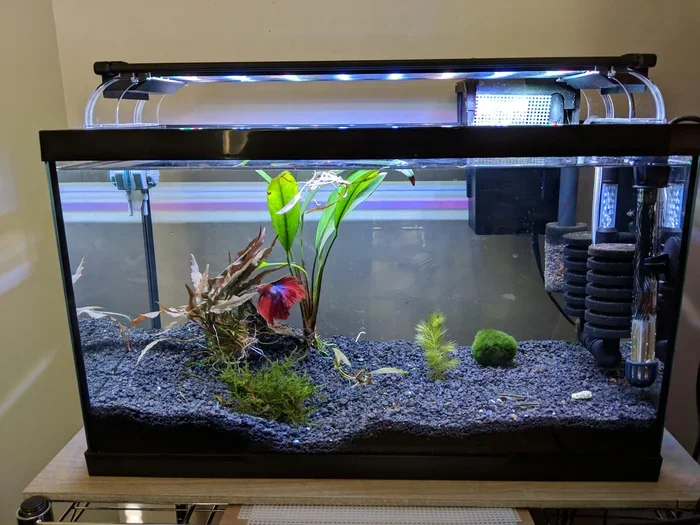
Live plants are your best friend in a community tank. They break up sightlines and give fish places to hide. This reduces tension between your betta and other fish.
Good plant choices include:
- Java fern
- Anubias
- Amazon sword
- Floating plants like frogbit or water lettuce
Floating plants are especially useful. They dim the light and make your betta feel more secure. Bettas prefer calm, shaded environments. Plants help create that feeling.
Water Parameters and Maintenance
Bettas and their tank mates need stable water conditions. Keep the temperature between 76 and 82 degrees Fahrenheit. Maintain a pH between 6.5 and 7.5. Regular water changes of 25 to 30 percent each week keep the tank healthy.
Use a gentle filter. Strong currents stress bettas. Sponge filters work great because they provide filtration without strong flow. Test the water regularly with a liquid test kit. Catching problems early keeps everyone safe.
Tips for Introducing New Fish to Your Betta
Adding new fish to a betta tank should never be rushed. A slow introduction reduces stress and aggression. Follow these steps for the best results.
Step-by-Step Introduction Process
- Quarantine new fish first. Keep them in a separate tank for two weeks. This helps you spot any diseases before they spread.
- Rearrange the tank slightly. Moving decorations changes the territory. This prevents your betta from feeling too territorial when new fish arrive.
- Add the new fish first. Put the new fish in the tank before your betta gets used to the new smells and presence.
- Feed both groups at the same time. This distracts your betta and gives the new fish a chance to explore safely.
- Watch closely for the first 48 hours. Look for flaring, chasing, or hiding. Some mild chasing is normal. Constant aggression means you need to separate the fish.
Patience is key. It can take a few weeks for everyone to settle in. Give them time and watch their behavior daily.
When to Separate Fish
Sometimes things do not work out. If your betta constantly attacks a tank mate, you need to act fast. Signs that separation is needed include:
- Persistent fin nipping
- Your betta refusing to eat
- Other fish staying hidden all the time
- Visible injuries or torn fins
Do not feel guilty about separating fish. Sometimes the best choice is to give your betta a solo home. Many bettas live happy, healthy lives on their own.
Signs Your Betta Is Stressed or Unhappy
Stress affects your betta’s health and behavior. Learning to recognize stress signs helps you fix problems early. A stressed betta is more likely to fight with tank mates.
Common Stress Signals
Watch for these warning signs in your betta:
- Constant flaring: Flaring at everything, including their own reflection, signals high stress.
- Loss of color: A vibrant betta that turns pale is likely stressed or sick.
- Clamped fins: Fins held close to the body indicate discomfort or illness.
- Loss of appetite: Refusing food for more than a day is a red flag.
- Hiding constantly: While some hiding is normal, a betta that never comes out needs attention.
If you notice these signs, check your water parameters first. Poor water quality is the most common cause of stress. Then evaluate your tank mates. Remove any fish that bully your betta.
Conclusion
Can betta fish coexist with other fish? Yes, they can. The key is choosing the right tank mates, setting up a spacious tank, and monitoring behavior closely. A well-planned community tank can be beautiful and rewarding for both you and your fish.
Remember that every betta is different. What works for one betta may not work for another. Pay attention to your fish’s personality and adjust accordingly. Start with a few peaceful species and build from there.
Whether you choose snails, shrimp, or small schooling fish, the goal is the same: a calm, healthy environment. Take your time, do your research, and enjoy the process. A successful community tank is one of the most rewarding experiences in fish keeping.
For more details on keeping bettas with other species, check out our guide on Can You Keep A Betta With Other Fish and learn about creating the perfect environment for your aquatic friends.
Frequently Asked Questions
Can male betta fish live with other fish?
Yes, male bettas can live with other fish, but it depends on their personality. Some males are calm enough to share a tank. Others are too aggressive and do better alone. Always start with a large tank and peaceful tank mates. Monitor behavior closely during the first few weeks.
What is the best tank size for a betta community?
A minimum of 10 gallons is recommended for a betta with a few small tank mates. A 20-gallon tank gives everyone more space and makes it easier to maintain stable water conditions. Larger tanks are always better for community setups.
Can bettas live with shrimp?
Yes, bettas can live with shrimp like Amano and cherry shrimp. Shrimp stay small and keep to themselves. Most bettas ignore them or see them as food. Provide plenty of plants and hiding spots so the shrimp feel safe.
How many tank mates can a betta have?
A 10-gallon tank can support a betta plus two to three small, peaceful fish. A 20-gallon tank allows for a slightly larger group. The key is not to overcrowd the tank. Each fish needs its own space to thrive.
Why is my betta chasing other fish?
Chasing usually means your betta feels threatened or territorial. It may see the other fish as an intruder. Try adding more plants and hiding spots to break up sightlines. If chasing continues, consider separating the fish to prevent injury.
Can female bettas live together?
Female bettas can sometimes live together in groups called sororities. This requires a tank of at least 20 gallons with plenty of plants and hiding spots. Not all females get along, so watch them closely and be ready to separate anyone who shows aggression.