What to Know About Betta Fish
Betta fish are stunning, hardy pets that thrive with the right care and environment. This guide covers everything from tank setup and water conditions to feeding, health, and behavior. Whether you are a beginner or looking to improve your current setup, you will find practical tips to keep your betta thriving.
Betta fish are some of the most popular pets in the aquarium world. Their vibrant colors, flowing fins, and curious personalities make them a joy to watch. But owning a betta is more than just admiring their beauty. These fish need proper care, the right environment, and a balanced diet to truly thrive. In this guide, we will walk you through everything you need to know about keeping a healthy, happy betta.
Many people think bettas are low-maintenance pets. They can survive in small bowls, right? Wrong. While bettas are tougher than most tropical fish, they still need a proper setup to live their best life. A well-planned tank, clean water, and a good feeding routine make all the difference. This guide will help you understand what your betta needs and how to provide it.
Let us dive into the essentials of betta fish care, from tank setup to daily feeding habits.
Key Takeaways
- Proper Tank Size Matters: A minimum 5-gallon tank gives your betta room to swim and stay healthy.
- Water Quality Is Critical: Clean, warm water with the right parameters prevents most common betta health issues.
- Diet Affects Everything: Feeding high-quality betta food and occasional treats supports color, energy, and longevity.
- Know the Signs of a Happy Fish: Active swimming, bright colors, and a healthy appetite mean your betta is doing well.
- Tank Mates Require Careful Selection: Not all fish get along with bettas, so choose companions wisely.
- Regular Maintenance Prevents Problems: Weekly water changes and tank cleaning keep your betta fish environment safe.
📑 Table of Contents
Understanding Betta Fish Basics
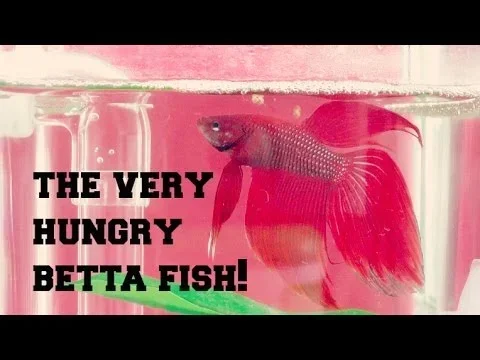
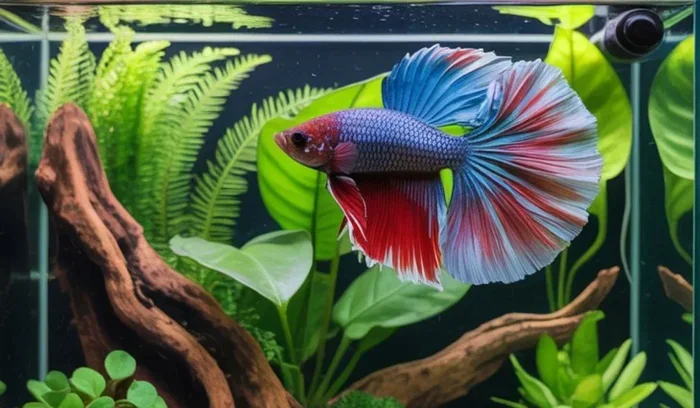
Betta fish, also known as Siamese fighting fish, originate from the warm, shallow waters of Southeast Asia. They are part of the gourami family and are famous for their long, flowing fins and brilliant colors. Male bettas, in particular, display stunning shades of blue, red, green, and purple.
These fish have a special organ called the labyrinth, which allows them to breathe air from the surface. This is why you will often see your betta swimming up to the top of the tank to take a gulp of air. It is completely normal and a key part of their biology.
Common Betta Fish Types
Not all bettas look the same. There are several varieties based on fin shape and color patterns. Some of the most popular types include:
- Veil Tail: The most common type, known for its long, drooping tail fins.
- Crowntail: Has spiky, crown-like fins that give it a unique look.
- Halfmoon: Features a tail that spreads out like a perfect half circle.
- Plakat: Shorter fins, closer to the wild type, and very active swimmers.
- Double Tail: Has two separate tail fins, giving it a distinctive appearance.
Each type has slightly different care needs, but the basics remain the same across all varieties. Understanding your specific betta fish type helps you tailor the environment to its needs.
Setting Up the Perfect Betta Tank
The tank you choose sets the foundation for your betta’s health and happiness. A proper setup reduces stress, prevents disease, and gives your fish room to explore. Let us break down the key elements of a great betta habitat.
What Size Tank Does a Betta Fish Need?
Many beginners start with a tiny bowl or a 1-gallon tank. While a betta can survive in a small container, it will not thrive. The minimum recommended tank size is 5 gallons. This gives your fish enough space to swim, explore, and establish a comfortable territory.
Larger tanks, such as 10-gallon setups, are even better. They provide more stable water conditions and room for enrichment. If you want to keep tank mates, a 10-gallon or larger tank is essential.
Essential Tank Equipment
A good betta tank needs a few key pieces of equipment. Here is what you should include:
- Heater: Bettas need warm water between 76 and 82 degrees Fahrenheit. A small adjustable heater keeps the temperature stable.
- Filter: A gentle sponge filter keeps the water clean without creating too much current. Bettas prefer slow-moving water.
- Thermometer: A simple sticker or digital thermometer helps you monitor the temperature daily.
- Lighting: Standard aquarium LED lights work well. Avoid placing the tank in direct sunlight, which can cause temperature spikes and algae growth.
- Substrate: Fine gravel or sand works great. Avoid rough substrates that could damage delicate fins.
- Decorations: Live or silk plants provide hiding spots and make your betta feel safe. Avoid sharp plastic decorations.
Water Conditions for Betta Fish
Clean water is the single most important factor in betta fish care. These fish are sensitive to ammonia, nitrite, and nitrate buildup. Here are the ideal water parameters:
- Temperature: 76 to 82 degrees Fahrenheit
- pH Level: 6.5 to 7.5
- Ammonia: 0 ppm
- Nitrite: 0 ppm
- Nitrate: Below 20 ppm
You should test your water regularly using a liquid test kit. This helps you catch problems before they become serious. For more information on the best water for your betta, check out our guide on what water to use for a betta fish.
Feeding Your Betta Fish
Feeding is one of the most important parts of daily betta care. A proper diet keeps your fish colorful, active, and healthy. Many people underestimate how much thought should go into a betta fish diet.
What to Feed a Betta Fish
Bettas are carnivorous by nature. They need a diet rich in protein. High-quality betta pellets should form the foundation of their meals. Look for pellets that list whole fish or fish meal as the first ingredient.
You can also supplement their diet with a variety of foods. Freeze-dried bloodworms, brine shrimp, and daphnia make excellent treats. For a more natural option, live foods like bloodworms and brine shrimp are fantastic. Our guide on what live food to feed betta fish covers this in detail.
How Often and How Much to Feed
Feeding your betta the right amount is just as important as what you feed them. Overfeeding is one of the most common mistakes new betta owners make. Here is a simple feeding guide:
- Adult Bettas: Feed 2 to 3 pellets twice a day, or an amount roughly the size of their eyeball.
- Baby Bettas: Feed small amounts 3 to 4 times a day with appropriately sized food.
- Treat Days: Offer freeze-dried or live treats 1 to 2 times per week.
Avoid feeding your betta every time it begs at the surface. Bettas have small stomachs and can easily become constipated if overfed. If you notice your betta refusing food, check out our article on what to do when your betta fish won’t eat for helpful solutions.
Can You Feed Betta Food to Other Fish?
Betta food is designed specifically for bettas. While other freshwater fish can eat it occasionally, it should not be their primary food source. Betta food is high in protein and may not meet the nutritional needs of omnivorous or herbivorous species.
Betta Fish Health and Common Problems
Even with the best care, bettas can face health issues. Knowing the signs of trouble early helps you act fast and save your fish. Prevention is always better than cure, but awareness goes a long way.
Signs of a Healthy Betta Fish
A healthy betta displays clear signs of vitality. Look for these positive indicators:
- Bright, vibrant colors that are consistent across the body and fins
- Active swimming with smooth, steady movements
- Healthy appetite and eagerness to eat at feeding time
- Intact fins without tearing, clamping, or rot
- Clear eyes without cloudiness or swelling
- Normal breathing at the surface without gasping or rapid gill movement
If your betta shows all of these signs, you are doing a great job. To learn more about recognizing a happy betta, read our guide on how to know if your betta fish is happy.
Common Betta Fish Diseases
Several diseases are common in betta fish. Here are the ones you should watch for:
- Fin Rot: Caused by bacterial or fungal infection. Frayed or discolored fins are the first sign. It is often linked to poor water quality.
- Columnaris: A bacterial infection that appears as white patches or mucus on the body. It spreads quickly in dirty water.
- Constipation: Results from overfeeding or a lack of fiber. A betta with constipation may have a swollen belly and stop eating.
- Ich (White Spot Disease): Small white spots on the body and fins, caused by a parasite. Often triggered by temperature changes or stress.
- Swim Bladder Disease: Causes difficulty swimming or floating upside down. Can be diet-related or caused by infection.
The best way to prevent most of these issues is through regular maintenance. Perform weekly water changes of 25 to 30 percent and keep the tank clean. For more information on water changes and their importance, see our article on do betta fish have to have water changes.
How to Know If a Betta Fish Is Dying
It is heartbreaking to watch a betta decline, but knowing the warning signs helps you provide comfort and seek solutions. Common signs include extreme lethargy, loss of color, refusal to eat for extended periods, labored breathing, and lying at the bottom of the tank. If you notice these symptoms, check your water parameters immediately and consider a partial water change. Our article on how to know if a betta fish is dying offers detailed guidance on identifying these signs early.
Betta Fish Behavior and Personality
One of the most rewarding parts of owning a betta is observing their personality. Bettas are intelligent fish with distinct behaviors that can surprise and delight their owners.
Do Betta Fish Know Their Owner?
Many betta owners report that their fish recognize them. Betta fish can learn to associate their owner with feeding time and may swim to the front of the tank when you approach. While they do not process emotions the way humans do, they do respond to routine and familiar presence. Our article on do betta fish know their owner explores this fascinating topic further.
Do Betta Fish Go to Sleep?
Yes, bettas do sleep. You might notice your betta resting at the bottom of the tank or floating near the surface, motionless. This is completely normal. Bettas need darkness and quiet to rest properly. Avoid shining lights on the tank at night, as it can disrupt their sleep cycle.
Betta Fish Tank Mates
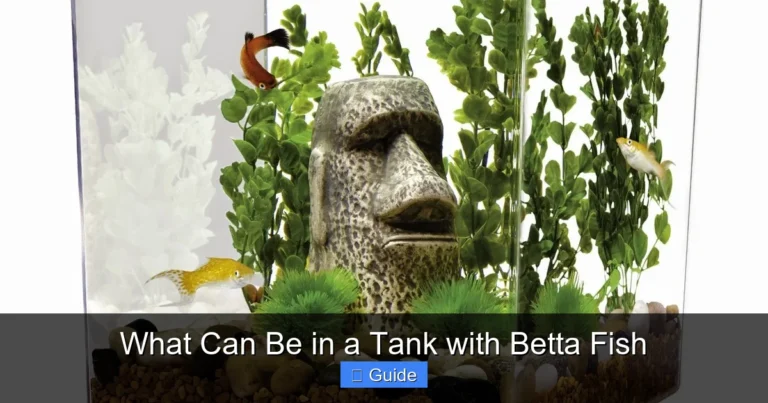
Can bettas live with other fish? The short answer is sometimes. Male bettas are territorial and should not be housed with other male bettas. However, in a well-planted tank of 10 gallons or more, some peaceful species can coexist. Good tank mate options include:
- Corydoras catfish
- Small tetras (like neon or ember tetras)
- Snails (like nerite or mystery snails)
- Shrimp (like cherry shrimp or amano shrimp)
Always introduce tank mates slowly and monitor interactions closely. Some fish may nip at betta fins, causing stress and potential injury.
Common Mistakes to Avoid
Even experienced betta owners make mistakes. Here are some common errors to watch out for:
- Keeping a betta in a bowl smaller than 5 gallons: This leads to unstable water conditions and stress.
- Skipping water changes: Even with a filter, toxins build up over time. Weekly changes are essential.
- Overfeeding: This causes constipation, poor water quality, and obesity.
- Using tap water without treatment: Tap water contains chlorine and chloramine that are harmful to fish. Always use a water conditioner.
- Placing the tank in direct sunlight: This causes temperature swings and excessive algae growth.
- Adding sharp decorations: Bettas have delicate fins that can tear on rough surfaces.
Avoiding these mistakes will set you up for success and help your betta live a long, healthy life.
Final Thoughts on Betta Fish Care
Betta fish are wonderful pets that bring color and life to any space. With the right tank setup, proper diet, and consistent maintenance, your betta can live a happy and healthy life for three to five years. The key is to stay proactive about water quality, feeding, and overall tank conditions.
Remember that every betta is an individual. Some are bold and active, while others are shy and reserved. Observing your fish daily helps you understand its unique personality and needs. When you invest time and care into your betta’s environment, the rewards are immeasurable.
For more specific guidance on feeding, water quality, or health concerns, explore the other articles in our betta care library. We are here to help you become the best betta owner you can be.
Frequently Asked Questions
How long do betta fish live?
With proper care, betta fish typically live between three and five years. Some well-cared-for bettas have been known to reach six years. The key factors that influence lifespan include tank size, water quality, diet, and stress levels. Keeping a consistent maintenance routine is the best way to maximize your betta’s life.
Can betta fish live with other fish?
Male bettas are territorial and should not be housed with other male bettas. However, in a spacious tank with plenty of plants and hiding spots, some peaceful species like corydoras catfish, small tetras, and snails can coexist with a betta. Always monitor interactions closely when introducing new tank mates.
Do betta fish need a filter?
Yes, bettas benefit greatly from a filter. A gentle sponge filter is ideal because it provides mechanical and biological filtration without creating strong currents that bettas dislike. Filters help maintain stable water quality by removing harmful toxins and reducing the frequency of water changes needed.
What is the best water temperature for betta fish?
Betta fish thrive in water temperatures between 76 and 82 degrees Fahrenheit. Consistent temperature within this range supports their immune system, digestion, and overall health. Use a reliable aquarium heater and thermometer to maintain stable conditions.
Why is my betta fish not eating?
A betta refusing food can be caused by several factors including stress, poor water quality, overfeeding, or illness. Try checking your water parameters first and performing a partial water change. If the issue persists, observe for other symptoms like lethargy or physical changes, and consider consulting a fish health resource.
Can betta fish change color?
Yes, bettas can change color for several reasons including stress, aging, illness, or mood. Some color changes are temporary and harmless, while others may signal a health problem. If your betta loses color suddenly or develops pale patches, check the water quality and look for other signs of distress.
=== CONCLUSION ===
Understanding what to know about betta fish goes far beyond basic survival. A well-set-up tank, proper betta fish diet, clean water, and attentive observation create the foundation for a thriving pet. By following the tips in this guide, you give your betta the best possible life. Stay consistent with maintenance, watch for changes in behavior, and never stop learning about your fish’s needs. Your betta will reward you with vibrant colors, playful behavior, and years of companionship.