Betta fish can live with planted tanks, but they cannot survive on plant food alone. Bettas are carnivores that require protein-rich diets. While live plants offer excellent benefits to betta fish environments, they should serve as a supplement—not a replacement—for proper betta nutrition.
Key Takeaways
- Bettas are obligate carnivores: They need animal-based protein and cannot digest plant food as a primary diet.
- Live plants benefit betta tanks: They improve water quality, reduce stress, and create a natural habitat.
- Plant food is not a substitute: Algae wafers and vegetable-based foods lack the nutrients bettas require.
- Proper diet is essential: High-quality pellets, freeze-dried, or live foods should make up the bulk of their meals.
- Overfeeding harms water quality: Uneaten plant food can decay and cause ammonia spikes in the tank.
- Plants and proper feeding coexist: You can absolutely have both a planted tank and a well-fed betta fish.
- Monitor your betta’s health: Watch for signs of malnutrition like lethargy, loss of color, or fin deterioration.
📑 Table of Contents
- Can Betta Fish Live with Plant Food?
- Understanding the Betta Fish Diet
- Why Live Plants Are Still Great for Betta Tanks
- What Happens If You Feed Your Betta Only Plant Food
- The Ideal Diet for Betta Fish
- Creating the Perfect Planted Betta Tank
- Common Mistakes to Avoid
- Frequently Asked Questions About Betta Fish and Plant Food
- Conclusion
Can Betta Fish Live with Plant Food?
If you have ever wondered, can betta fish live with plant food, you are not alone. This is one of the most common questions new betta owners ask. The short answer is yes and no. Let me explain what I mean by that.
Bettas can absolutely live in a tank with live plants. In fact, they thrive in planted environments. However, betta fish cannot survive on plant food alone. These beautiful fish are carnivores. Their bodies are designed to process animal-based proteins, not vegetation. Feeding your betta only plant-based food is a recipe for serious health problems.
In this article, I will break down everything you need to know about betta fish and plant food. We will explore what bettas actually eat, why plants are still great for their tanks, and how to create the perfect diet for your finned friend. Let us dive in.
Understanding the Betta Fish Diet
What Bettas Eat in the Wild
To understand why plant food does not work as a primary diet, we need to look at what bettas eat naturally. In the wild, betta fish live in shallow rice paddies, ponds, and slow-moving streams across Southeast Asia. Their diet consists mainly of small insects, insect larvae, zooplankton, and tiny crustaceans.
These little predators have upturned mouths designed for snatching prey from the water surface. They are built for hunting, not grazing. A betta’s digestive system is short and optimized for processing protein and fats from animal sources. Plant matter simply does not provide what they need.
Nutritional Requirements of Betta Fish
Betta fish need a diet that is high in protein. Ideally, their food should contain between 35% and 50% protein content. They also need certain amino acids, fats, vitamins, and minerals to maintain their vibrant colors, strong fins, and overall health.
Plant-based foods like algae wafers, spirulina flakes, and vegetable pellets are designed for herbivorous or omnivorous fish. These products lack the concentrated animal protein that bettas require. Feeding your betta plant food exclusively can lead to malnutrition, weakened immune systems, and a significantly shortened lifespan.
Why Live Plants Are Still Great for Betta Tanks
Natural Habitat Simulation
Even though bettas cannot eat plant food as their main diet, live plants are incredibly beneficial for a betta tank. In the wild, bettas live among dense vegetation. Plants provide hiding spots, resting places, and a sense of security. A bare tank can actually cause stress for your betta.
Live plants like Java fern, Anubias, and Amazon sword are excellent choices for betta tanks. They are easy to care for and do not require special lighting or CO2 systems. Floating plants like hornwort or water sprite are also fantastic because bettas love to rest near the surface.
Water Quality Improvement
One of the biggest benefits of live plants is their ability to improve water quality. Plants absorb nitrates, which are the end product of the nitrogen cycle. High nitrate levels can stress your betta and make them more susceptible to disease. By absorbing these compounds, plants help keep the water cleaner and healthier.
Plants also produce oxygen during photosynthesis. This helps oxygenate the water, which benefits your betta. Additionally, plants can help reduce algae growth by competing for the same nutrients that algae need to thrive.
Stress Reduction and Enrichment
A well-decorated tank with live plants provides mental stimulation for your betta. These intelligent fish enjoy exploring their environment, weaving through plant leaves, and claiming territories. Plants break up sight lines, which is especially important if you are keeping your betta with tank mates.
Speaking of tank mates, if you are curious about what other creatures can share a space with your betta, check out our guide on can betta fish live with shrimp. Shrimp and snails are popular additions to planted betta tanks and can coexist peacefully.
What Happens If You Feed Your Betta Only Plant Food
Signs of Malnutrition
If a betta fish is fed only plant food, the effects can become visible within weeks. The first sign is usually a loss of color. That brilliant red, blue, or purple hue will start to fade. Your betta may become lethargic and spend most of the time lying at the bottom of the tank.
Other signs of malnutrition include clamped fins, fin deterioration, bloating, and a curved spine. The immune system weakens, making your betta vulnerable to diseases like fin rot, ich, and velvet. In severe cases, organ failure can occur, leading to death.
Digestive Issues
Bettas have a difficult time digesting plant matter. Their digestive tracts are not equipped to break down cellulose and complex carbohydrates efficiently. This can lead to constipation, bloating, and swim bladder issues. A constipated betta may have trouble swimming properly and may float sideways or sink to the bottom.
If your betta does accidentally nibble on some algae or plant matter in the tank, do not panic. A small amount of plant material is not harmful. The danger comes from relying on plant food as the sole source of nutrition.
The Ideal Diet for Betta Fish
High-Quality Betta Pellets
The foundation of a good betta diet should be high-quality betta-specific pellets. Look for pellets where the first ingredient is a whole protein source like fish meal, shrimp, or krill. Avoid fillers like wheat, corn, and soy as primary ingredients.
Feed your betta two to three pellets once or twice a day. Their stomach is roughly the size of their eye, so it is easy to overfeed. A good rule of thumb is to feed only what your betta can consume in about two minutes.
Freeze-Dried and Frozen Foods
To add variety and essential nutrients, supplement your betta’s diet with freeze-dried or frozen foods. Bloodworms, daphnia, brine shrimp, and mysis shrimp are all excellent choices. These foods mimic what bettas eat in the wild and provide a protein boost.
If you want to learn more about feeding live options to your betta, visit our article on can you feed betta fish live food. Live food can be a great treat, but it comes with some risks you should know about.
Always soak freeze-dried foods in tank water for a few minutes before feeding. This prevents the food from expanding inside your betta’s stomach, which can cause bloating and constipation.
Occasional Vegetable Treats
While bettas are carnivores, a tiny amount of blanched vegetable can occasionally help with digestion. A small piece of blanched pea, for example, can act as a mild laxative if your betta is constipated. However, this should be a rare treat, not a regular part of their diet.
Never feed your betta raw vegetables. They are too difficult to digest. Always blanch them first by briefly boiling and then cooling them. Remove any uneaten portions after a few hours to prevent water quality issues.
Creating the Perfect Planted Betta Tank
Best Plants for Betta Tanks
When setting up a planted tank for your betta, choose plants that are low-maintenance and betta-friendly. Here are some of the best options:
- Java Fern: Hardy, low-light tolerant, and provides great cover. Attach it to rocks or driftwood.
- Anubias: Another low-light plant with broad leaves that bettas love to rest on.
- Amazon Sword: A larger background plant that adds a lush, natural look.
- Hornwort: A fast-growing floating plant that helps absorb excess nutrients.
- Marimo Moss Balls: Fun, low-maintenance, and bettas enjoy pushing them around.
- Water Wisteria: Provides dense foliage and helps filter the water.
Balancing Plants and Proper Feeding
The key takeaway here is that having live plants in your betta tank and feeding your betta a proper diet are not mutually exclusive. In fact, they go hand in hand. Your betta gets the nutritional benefits of a protein-rich diet while enjoying the environmental benefits of a planted aquarium.
Make sure you are not using plant fertilizers that contain copper. Copper is toxic to bettas and many invertebrates. If you plan to keep snails or shrimp in your planted betta tank, be extra careful with any additives you use.
If you are new to keeping bettas with other creatures, our article on can betta fish live with snails is a great resource. Snails are excellent tank cleaners and generally get along well with bettas.
Common Mistakes to Avoid
Overfeeding
Overfeeding is one of the most common mistakes betta owners make. Excess food sinks to the bottom and decays, releasing ammonia into the water. This can cause ammonia spikes that are deadly to your betta. Always remove uneaten food after feeding time.
Stick to a consistent feeding schedule. Bettas do best when fed at the same times each day. If you need to go away for a few days, your betta will be fine without food. Learn more about this in our guide on how long can betta fish live without food.
Using the Wrong Food
Never feed your betta goldfish flakes, tropical fish flakes, or algae wafers as a primary diet. These foods are formulated for different types of fish and do not meet the nutritional needs of bettas. Always choose food specifically designed for betta fish.
Also, avoid feeding your betta bread, cereal, or human food. These items can cause serious digestive problems and pollute the water quickly.
Ignoring Water Parameters
Even in a beautifully planted tank, water quality matters. Bettas prefer warm water between 76 and 82 degrees Fahrenheit. The pH should be between 6.5 and 7.5. Ammonia and nitrite levels should always be zero, and nitrates should be kept below 20 ppm.
Plants help with water quality, but they do not eliminate the need for regular water changes. Perform a 25% water change every week to keep your betta healthy and happy.
Frequently Asked Questions About Betta Fish and Plant Food
Can betta fish eat algae?
Bettas may occasionally nibble on algae growing in the tank, but it provides almost no nutritional value for them. Algae should never be considered a food source for your betta. If algae is growing in your tank, it is better to address the root cause, such as too many lights or excess nutrients.
Do betta fish need live plants to survive?
No, bettas do not need live plants to survive, but they certainly benefit from them. Live plants create a more natural and enriching environment. If you prefer artificial plants, choose silk plants over plastic ones. Plastic plants can tear betta fins, leading to infections.
How often should I feed my betta?
Feed your betta once or twice a day, offering only what they can eat in about two minutes. Some owners choose to fast their betta one day per week to aid digestion and prevent constipation. This practice is generally safe for healthy adult bettas.
Conclusion
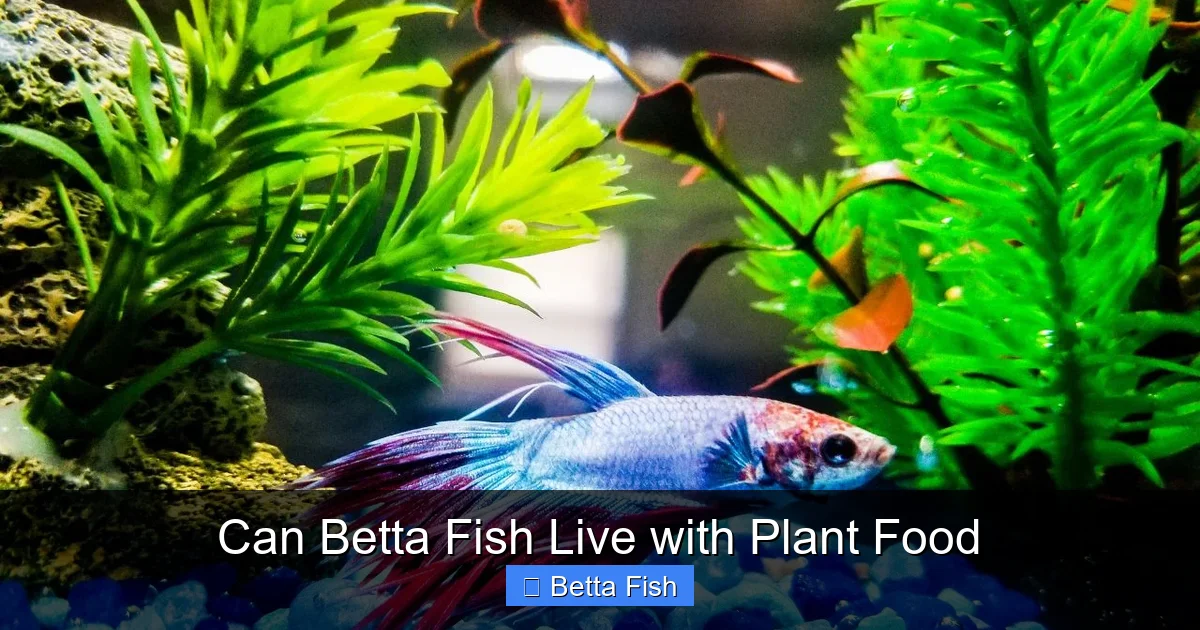
So, can betta fish live with plant food? The answer is clear. Bettas cannot thrive on plant food alone because they are carnivores that need animal-based protein. However, bettas absolutely can and should live in planted tanks. Live plants provide countless benefits, from improved water quality to stress reduction.
Visual guide about Can Betta Fish Live with Plant Food
Image source: agribotix.com
The best approach is to combine a protein-rich diet with a well-planted aquarium. Feed your betta high-quality pellets, supplement with freeze-dried or frozen foods, and enjoy the beauty of a lush planted tank. Your betta will reward you with vibrant colors, active behavior, and a long, healthy life.
Remember, a happy betta is a well-fed betta living in a well-maintained environment. If you have any doubts about your betta’s diet or tank setup, consult with an experienced aquarist or veterinarian. Your betta is counting on you to get it right.
Frequently Asked Questions
Can betta fish survive on plant food alone?
No, betta fish cannot survive on plant food alone. They are obligate carnivores that require animal-based protein to thrive. A plant-only diet will lead to malnutrition, weakened immunity, and potentially death.
What should I feed my betta fish instead of plant food?
Feed your betta high-quality betta pellets as a staple food. Supplement with freeze-dried or frozen bloodworms, brine shrimp, and daphnia for variety and optimal nutrition.
Are live plants safe for betta fish tanks?
Yes, live plants are not only safe but highly beneficial for betta tanks. They improve water quality, reduce stress, and create a more natural habitat for your betta.
Can betta fish eat algae wafers?
Bettas may nibble on algae wafers, but these should never be a primary food source. Algae wafers lack the protein content that bettas need and can cause digestive issues if consumed regularly.
How do I know if my betta is not getting enough protein?
Signs of protein deficiency include faded colors, lethargy, clamped fins, fin deterioration, and a curved spine. If you notice these symptoms, review your betta’s diet immediately and switch to protein-rich foods.
Do planted tanks require special care when keeping betta fish?
Planted tanks need the same basic care as any betta tank, including regular water changes and temperature monitoring. Just ensure any fertilizers or additives you use are safe for bettas and do not contain copper.

