How Can U Tell If a Betta Fish Is Dying

Knowing how can u tell if a betta fish is dying helps you act fast and save your fish. Watch for key signs like loss of color, lethargy, rapid breathing, and loss of appetite. This guide covers every warning sign, what causes them, and simple steps you can take today.
Watching your betta fish act strangely can be really scary. You love your fish, and the thought of losing them feels awful. But here is the good news. When you know how can u tell if a betta fish is dying, you can catch problems early. Early detection gives your fish the best shot at recovery. This guide walks you through every sign, every symptom, and every step you should take. Let us get into it.
## Why Recognizing the Signs Matters So Much
Betta fish are tough little creatures. They can survive in small spaces and rough conditions. But that does not mean they are invincible. In fact, bettas are more sensitive than most people think. When something goes wrong, they show warning signs. The problem is that many fish owners miss these signals until it is too late.
Understanding betta fish dying signs is the first step toward being a better pet owner. The sooner you spot trouble, the sooner you can fix it. Think of it like this. If your dog stops eating, you would notice right away. Fish show the same kinds of signals, but we often overlook them because we cannot hear them meow or bark.
### What Causes a Betta Fish to Get Sick?
Several things can make a betta fish decline quickly. Poor water quality tops the list. Dirty tanks build up ammonia and nitrites. These toxins damage your fish’s gills and organs over time. Temperature swings also cause stress. Bettas need warm, stable water between 78 and 80 degrees Fahrenheit.
Overfeeding is another big culprit. Many new owners give their fish too much food. Uneaten food rots in the tank and pollutes the water. Betta fish disease can also strike without warning. Bacterial infections, fungal growth, and parasites all threaten your fish’s health.
## The Top Signs Your Betta Fish Is Dying
So how do you actually know something is wrong? There are clear, visible signs that your betta is in trouble. Let us break them down one by one.
### Loss of Color and Faded Body
A healthy betta fish has vibrant, bright colors. Their scales shine, and their fins look bold. When a betta starts dying, the colors fade. The fish may look pale or washed out. Some bettas turn white or develop dull patches on their body.
This color loss happens because the fish’s body is shutting down. Blood flow slows, and the immune system weakens. If you notice your betta looking faded, do not wait. Check the water and observe behavior closely. You can also read more about how can you tell if your betta fish is sick for additional guidance on spotting early illness.
### Lethargy and Staying at the Bottom
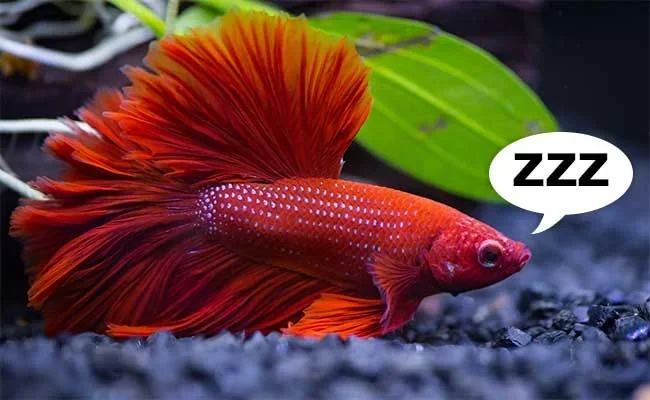
Healthy bettas are active swimmers. They explore their tank, build bubble nests, and respond to movement near the glass. A dying betta, on the other hand, becomes very still. They may lie at the bottom of the tank or rest on the substrate.
Some people think their betta is sleeping when this happens. But lethargy that lasts more than a day is not normal. If your fish does not respond to food or movement, something is wrong. This is one of the most common betta fish behavior changes that owners report.
### Rapid or Labored Breathing
Watch how your betta breathes. A healthy betta takes slow, steady breaths. Their gills move gently. If your fish is breathing fast or gasping at the surface, that is a serious warning sign. Labored breathing often means the water has low oxygen or high toxins.
This symptom can also point to gill damage from infection or parasites. Rapid breathing is one of the clearest signs that your betta needs help fast. Learn more about how do you know if your betta fish is sick to understand the full range of breathing-related issues.
### Loss of Appetite
Bettas are hungry fish. They get excited at feeding time and eat eagerly. When a betta stops eating, it is a huge red flag. A missed meal once in a while is normal. But if your fish refuses food for two or more days, take notice.
Loss of appetite happens when the fish feels too weak to eat or when illness affects their digestive system. Some fish also stop eating when they are in pain. If you combine appetite loss with any other sign on this list, your betta is likely in serious trouble.
### Fins Clamped Close to the Body
A healthy betta spreads its fins wide. Clamped fins, where the fish holds its fins tight against its body, signal stress or illness. This is one of the most recognizable sick betta fish symptoms. Clamped fins can point to bacterial infection, poor water quality, or internal parasites.
### Unusual Swimming Patterns
Your betta should swim smoothly and evenly. Erratic swimming, tilting to one side, or sinking and floating uncontrollably all indicate problems. Some dying bettas swim in circles or struggle to stay upright. These movement issues often relate to swim bladder disease or neurological damage.
## How to Confirm If Your Betta Is Dying
Spotting one sign does not always mean your fish is dying. But multiple signs together paint a clear picture. Here is how you can confirm what is happening.
### Check Your Water Parameters
Test the water in your tank. You need to check ammonia, nitrite, nitrate, and pH levels. Ammonia and nitrite should always read zero. Nitrates should stay below 20 ppm. pH should sit between 6.5 and 7.5.
Bad water is the number one killer of betta fish. Even if your fish looks okay now, poor water will make them sick fast. Use a liquid test kit for accurate results. Test strips work in a pinch but are less reliable.
### Observe Feeding Behavior
Offer your betta a small amount of food. A healthy fish will eat within a few minutes. A sick or dying fish may ignore the food completely. Try different foods like bloodworms or brine shrimp. If your fish shows zero interest, that is a bad sign.
### Look at Physical Symptoms Closely
Use a flashlight to examine your fish carefully. Check for white spots, red streaks, swollen areas, or open sores. Look at the gills for discoloration or mucus buildup. Also check the eyes. Cloudy or bulging eyes often indicate infection or organ failure.
### Compare Against Normal Behavior
Think about how your betta normally acts. Every fish has a personality. Some are bold and curious. Others are shy and calm. The key is noticing a change from their normal routine. Sudden shifts in behavior are the strongest indicator that something is wrong.
## What to Do When Your Betta Is Dying
Finding out your betta is dying feels helpless. But you still have things you can do. Acting quickly gives your fish the best chance.
### Step 1: Do a Water Change Immediately
A 50 percent water change can work wonders. Use dechlorinated water at the right temperature. This removes toxins and adds fresh oxygen to the tank. Clean water reduces stress and supports your fish’s immune system.
### Step 2: Move to a Quarantine Tank
If you have other fish in the tank, move your betta to a separate hospital tank. This prevents the spread of disease and reduces stress from tank mates. A quiet, warm environment helps your betta focus on healing.
### Step 3: Add Aquarium Salt
Aquarium salt helps bettas recover from many illnesses. It supports gill function and reduces stress. Use one teaspoon per gallon of water. Do not use table salt. Only use salt made specifically for aquariums.
### Step 4: Seek Professional Help
If your fish does not improve within 24 to 48 hours, consult a vet or experienced fish keeper. Some conditions require medication. Bacterial infections need antibiotics. Fungal infections need antifungal treatment. The sooner you treat the right condition, the better the outcome. You can also explore can you save a betta fish from dying for more rescue strategies.
## Common Mistakes That Make Things Worse
Many well-meaning owners accidentally harm their dying betta. Avoid these common pitfalls.
- Do not overcrowd the tank. Too many fish create stress and dirty water fast.
- Do not skip water changes. Dirty water is the enemy of a sick betta.
- Do not overfeed. Extra food rots and poisons the water.
- Do not use tap water untreated. Chlorine and chloramine kill beneficial bacteria and harm fish.
- Do not wait too long. Every hour counts when a betta is dying.
### Quick Tips for Prevention
Keeping your betta healthy is always better than trying to save a dying fish. Follow these simple tips.
- Test your water at least once a week.
- Do a 25 percent water change every week.
- Feed small amounts twice a day.
- Keep the tank temperature stable at 78 to 80 degrees Fahrenheit.
- Remove uneaten food within five minutes of feeding.
- Watch for early betta fish health changes every day.
## When It Is Time to Let Go
This is a hard topic, but it matters. Sometimes, despite your best efforts, a betta fish cannot be saved. If your fish is suffering and not responding to treatment, humane euthanasia may be the kindest choice. Talk to a veterinarian about the best method. Never flush a fish down the toilet. That is not humane and can spread disease to local water systems.
Making this decision is never easy. But ending suffering with compassion is an act of love. You gave your betta a good home, and that matters.
## Final Thoughts on Betta Fish Dying Signs
Learning how can u tell if a betta fish is dying is one of the most important skills any fish owner can develop. The signs are there if you know where to look. Faded colors, lethargy, rapid breathing, clamped fins, and loss of appetite all tell a story. The key is catching these signals early and taking action.
Your betta fish depends on you for its health and safety. By staying alert and responsive, you give your fish the best possible life. And even when the worst happens, you can take comfort in knowing you tried everything you could. Keep learning, keep watching, and keep caring. Your betta is lucky to have you.
Key Takeaways
- Color changes and faded fins are early signs that your betta fish may be dying.
- Lethargy and unusual behavior like staying at the bottom of the tank signal serious trouble.
- Rapid or labored breathing often points to poor water conditions or disease.
- Loss of appetite over several days is a red flag that needs immediate attention.
- Quick action can make a big difference in saving a dying betta fish.
- Regular tank maintenance prevents many of the conditions that lead to a dying betta fish.
- Knowing the signs early gives your betta the best chance of recovery.
Frequently Asked Questions
How fast do betta fish die once symptoms appear?
The timeline varies depending on the cause. Some bettas decline within 24 to 48 hours if the water is toxic. Others may linger for a week or more with a slow infection. Acting quickly gives your fish the best chance of survival. The sooner you treat the problem, the better the outcome.
Can a dying betta fish be saved?
Yes, many dying bettas can be saved if you catch the problem early. Fresh water, proper temperature, aquarium salt, and targeted treatment all help. Learn more about how to help a betta fish that is sick for detailed recovery steps that really work.
What is the most common reason betta fish die?
Poor water quality is the number one killer. Ammonia and nitrite buildup from dirty tanks damage gills and organs over time. Other common causes include overfeeding, temperature swings, and untreated diseases. Regular tank maintenance prevents most of these problems.
How can you tell the difference between a sick betta and a dying betta?
A sick betta still eats occasionally and shows some activity. A dying betta stops eating completely, becomes very still, and shows multiple physical symptoms. If your fish has stopped responding to food and movement for more than a day, the situation is critical. Check how to tell if my betta fish is sick for a deeper look at the differences.
Should I isolate my betta if it looks sick?
Yes, moving a sick betta to a quarantine tank is always a good idea. Isolation reduces stress and prevents disease from spreading to other fish. A hospital tank also makes it easier to monitor your betta and administer treatment without disturbing the main tank setup.
What water temperature do betta fish need to stay healthy?
Betta fish thrive in water between 78 and 80 degrees Fahrenheit. Cold water slows their metabolism and weakens their immune system. Hot water holds less oxygen and stresses the fish. Use a reliable aquarium heater and thermometer to maintain stable temperatures.
=== CONCLUSION ===
Understanding how can u tell if a betta fish is dying empowers you as a fish owner. You now know the key signs, the common causes, and the steps to take. From faded colors and clamped fins to rapid breathing and loss of appetite, every symptom tells a story. The most important thing is to act fast. Do not wait and hope the problem goes away. Your betta fish depends on you for its survival.
Keep your water clean, feed wisely, and watch your fish every day. These simple habits prevent most health problems. And if trouble does arise, you now have the knowledge to respond with confidence. Your betta gave you its trust. Give it back with the best care you can provide.