How Often to Betta Fish Sleep
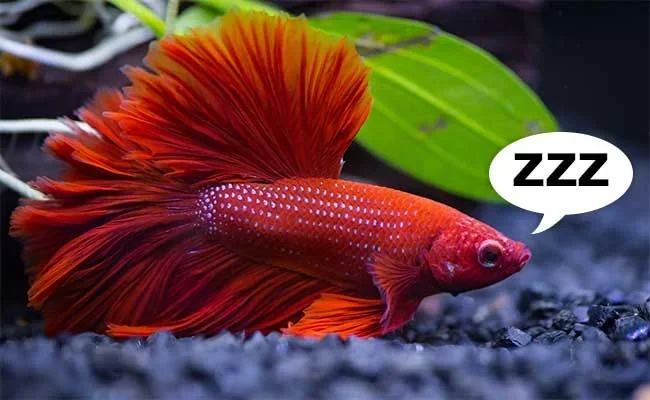
Betta fish typically sleep 12 to 14 hours a day, and they need a dark, quiet environment to rest properly. Understanding how often betta fish sleep helps you create the perfect tank setup. This guide covers sleep patterns, signs of a sleeping betta, and tips to support healthy rest.
Have you ever watched your betta fish sit perfectly still at the bottom of the tank and wondered if it was sleeping? You are not alone. How often do betta fish sleep is one of the most common questions new betta owners ask. The answer might surprise you.
Betta fish are not just colorful decorations for your aquarium. They are living creatures with daily routines. Understanding betta fish sleep patterns is key to keeping your fish healthy and happy. In this guide, we will cover everything you need to know about your betta’s rest, from how many hours they sleep to what their sleeping positions mean.
Getting your betta’s sleep right can make a huge difference in its energy levels, color, and lifespan. Let us dive in and explore the world of betta fish sleeping habits together.
Key Takeaways
- Betta fish sleep 12 to 14 hours daily: They need plenty of rest to stay healthy and active.
- Darkness is essential: Bettas need a dim or dark environment to fall asleep and stay asleep.
- Sleep positions vary: Bettas may sleep on the tank floor, on leaves, or even float vertically.
- Light schedule matters: Consistent day and night cycles help regulate your betta’s sleep routine.
- Temperature affects sleep: A properly heated tank promotes better rest and overall health.
- Watch for warning signs: Excessive sleeping or inability to sleep may signal health problems.
📑 Table of Contents
How Often Do Betta Fish Sleep?
Betta fish sleep for about 12 to 14 hours each day. This is similar to what many humans need. However, their sleep is not like ours. Bettas do not have eyelids, so they cannot close their eyes. Instead, they enter a state of rest where their body slows down and they become less responsive.
Most bettas follow a day and night cycle for their sleep. They stay active during the day and rest at night. But here is the catch. Bettas also take short naps throughout the day. These naps can last anywhere from a few minutes to over an hour.
If you notice your betta sitting still for long periods, do not assume something is wrong right away. It may simply be catching some Zs. How often betta fish sleep depends on several factors, including tank conditions, temperature, and light exposure.
Why Sleep Matters for Bettas
Sleep plays a vital role in your betta’s overall health. During rest, their body repairs cells and recharges energy. A well-rested betta will have brighter colors, a stronger appetite, and more energy to swim around.
On the flip side, a betta that does not get enough sleep can become stressed. Chronic sleep deprivation can lead to a weakened immune system. This makes your fish more vulnerable to diseases like ich and fin rot. Proper betta fish sleep habits are not a luxury. They are a necessity.
Signs Your Betta Is Sleeping
It can be tricky to tell if your betta is sleeping or just idle. Bettas do not close their eyes, so you cannot use that as a cue. But there are several clear signs your betta fish is sleeping that every owner should know.
One of the most common signs is stillness. A sleeping betta will hover in one spot or rest on the tank floor. Some bettas prefer to sleep on broad leaves, like those of a betta hammock plant. Others like to tuck themselves behind decorations or inside caves.
You may also notice that your betta’s colors look slightly faded when it is resting. This is completely normal. When a betta is active, its colors tend to be more vivid. During sleep, the body reduces pigment production slightly, making the fish look paler.
Another sign is slow breathing. A sleeping betta will breathe more slowly than an active one. Its gills will move gently and steadily. If you tap the glass or shine a light, a sleeping betta may not respond right away. This lack of reaction is a strong indicator that your fish is in a deep rest.
Common Sleeping Positions
Bettas are creative sleepers. They can rest in some unusual positions that might alarm new owners. Here are the most common betta fish sleeping positions:
- Lying on the tank floor: This is the most common position. Your betta simply rests on the substrate or a flat surface.
- Floating vertically: Some bettas sleep near the surface, drifting slightly upward with their head tilted down.
- Curled up on a leaf: Bettas love to nap on broad plant leaves. This is a sign of a comfortable, relaxed fish.
- Tucked in a cave or decoration: If your tank has hiding spots, your betta may use them as a cozy sleep spot.
None of these positions are cause for concern on their own. They are all normal parts of how often betta fish sleep and where they choose to rest.
Factors That Affect Betta Fish Sleep
Not all bettas sleep the same way or the same amount. Several factors can influence your betta’s sleep schedule and quality. Understanding these factors helps you create the best environment for rest.
Tank Lighting
Light is one of the biggest influences on your betta’s sleep cycle. Bettas, like most animals, respond to natural light patterns. If your tank is in a room with a lot of natural sunlight, your betta may follow that rhythm. However, artificial tank lighting is just as important.
You should keep your tank lights on for about 8 to 10 hours a day. This gives your betta enough time to be active and then rest at night. Leaving the lights on 24/7 is a bad idea. It can disrupt your betta’s internal clock and lead to sleep deprivation. Consistent lighting schedules help your betta know when it is time to wake up and when it is time to sleep.
Water Temperature
Betta fish are tropical creatures. They need warm water to thrive, and temperature directly affects their energy levels and sleep. The ideal range for a betta tank is between 78 and 80 degrees Fahrenheit. If the water is too cold, your betta will become sluggish and may sleep more than usual.
On the other hand, water that is too warm can cause stress and restlessness. Your betta may struggle to find a comfortable spot to rest. Using a reliable heater and thermometer is essential for maintaining the right betta fish tank temperature for healthy sleep.
If you are looking for ways to keep the water at the right temperature, check out our guide on how to make your betta fish tank warmer for practical tips and solutions.
Water Quality
Clean water is crucial for your betta’s overall well-being, including its sleep. Poor water quality can cause stress, which disrupts restful sleep. Ammonia and nitrite spikes are particularly harmful. Even low levels of these toxins can make your betta uncomfortable and restless.
Regular water changes and proper filtration help maintain a healthy environment. A stressed betta is less likely to sleep well. If you want to learn more about maintaining clean water for your betta, visit our article on how to take care of betta fish water for detailed guidance.
Tank Mates and Environment
Bettas are solitary fish by nature. They prefer to live alone. If your tank has aggressive tank mates, your betta may feel threatened and struggle to rest. Constant chasing or nipping from other fish can prevent your betta from settling down to sleep.
A peaceful, well-planted tank is ideal for a sleeping betta. Live or silk plants provide hiding spots and resting areas. Decorations like caves and driftwood also offer cozy places where your betta can retreat for a nap. Creating a calm environment goes a long way in supporting healthy betta fish resting behavior.
How to Support Healthy Sleep for Your Betta
Now that you know how important sleep is for your betta, let us talk about what you can do to support healthy rest. These simple steps can make a big difference in your fish’s quality of life.
1. Set a Consistent Light Schedule
Use a timer for your tank lights. Set them to turn on in the morning and off at night. This creates a predictable routine that your betta can rely on. Consistency is key when it comes to betta fish sleep schedules.
2. Keep the Tank in a Quiet Room
Bettas are sensitive to vibrations and noise. Placing your tank near a loud TV or speaker can disrupt their rest. Choose a quiet spot in your home where your betta can sleep peacefully through the night.
3. Maintain Proper Water Parameters
Test your water regularly. Keep ammonia and nitrite at zero. Maintain a pH between 6.5 and 7.5. Clean water equals a happy, well-rested betta. For tips on preparing the right water for your fish, check out our guide on how to properly take care of betta fish.
4. Provide Plenty of Resting Spots
Add live plants, betta hammocks, or soft silk decorations to your tank. These give your betta comfortable places to rest during both night sleep and daytime naps. A well-decorated tank is a sleep-friendly tank.
5. Monitor Your Betta’s Behavior
Pay attention to any changes in your betta’s sleep patterns. If your fish suddenly sleeps much more or much less than usual, it could be a sign of illness or stress. Early detection can help you address problems before they become serious.
When to Worry About Your Betta’s Sleep
Occasional napping is perfectly normal. But there are times when changes in betta fish sleep patterns signal a problem. Knowing the difference between normal rest and abnormal behavior is important for every betta owner.
If your betta is sleeping significantly more than usual and seems unresponsive when you approach the tank, this could indicate illness. Lethargy is a common symptom of many betta diseases, including bacterial infections and parasitic infestations. If the water temperature is correct and the tank is clean, excessive sleep warrants a closer look at your fish’s health.
On the other hand, if your betta seems restless and cannot settle down at night, it may be stressed. Common causes of nighttime restlessness include bright lights, loud noises, or aggressive tank mates. Addressing these issues can help restore your betta’s natural sleep and rest cycle.
If you notice your betta showing signs of stress or illness alongside changes in sleep, it is a good idea to research the specific symptoms. For information on treating common betta health issues, our article on do betta fish go to sleep provides helpful insights into recognizing normal versus abnormal rest.
Betta Fish Sleep vs. Other Fish
It is interesting to compare how bettas sleep with other popular aquarium fish. Goldfish, for example, do not have a fixed sleep schedule. They are more active during the day but will rest whenever they get the chance. Bettas, on the other hand, tend to follow a clearer day-and-night rhythm.
Guppies are another example. They are schooling fish that sleep in groups, often hovering near plants or decorations. Bettas, being solitary, prefer to sleep alone. This difference in social behavior affects how each species rests and recovers.
What makes bettas unique is their ability to sleep in various positions. Some fish only rest on the substrate. Bettas can float, hover, or lean against surfaces. This flexibility in betta fish resting behavior is one of the reasons they are so fascinating to watch.
Common Mistakes That Disrupt Betta Sleep
Even the best-intentioned betta owners can make mistakes that interfere with their fish’s sleep. Here are some common errors to avoid:
- Leaving the tank light on all night: This prevents your betta from entering deep rest and can lead to chronic stress.
- Placing the tank near a window: Direct sunlight creates uneven temperatures and excessive brightness, both of which disrupt sleep.
- Overcrowding the tank: Too many fish or decorations can make your betta feel unsafe, making it hard to relax.
- Ignoring water changes: Dirty water causes stress and can lead to irregular sleep patterns.
- tapping on the glass: This startles your betta and can condition it to associate rest time with danger.
Avoiding these mistakes helps ensure your betta gets the quality rest it needs. A well-rested betta is a vibrant, active, and long-lived betta.
Final Thoughts on How Often Betta Fish Sleep
How often betta fish sleep is a question with a simple answer. Most bettas rest for 12 to 14 hours a day, split between nighttime sleep and daytime naps. But the quality of that sleep matters just as much as the quantity. By controlling light, temperature, water quality, and tank environment, you can give your betta the restful sleep it deserves.
Pay attention to your fish’s behavior. Learn its normal sleeping positions and patterns. Any sudden changes are worth investigating. With the right care and a little attention, your betta will enjoy healthy, restorative sleep every single day.
Remember, a sleeping betta is a happy betta. So the next time you see your fish sitting still in its favorite spot, do not disturb it. Let it rest. Your quiet support makes all the difference.
Frequently Asked Questions
How many hours a day do betta fish sleep?
Betta fish typically sleep for 12 to 14 hours a day. This includes nighttime sleep and several short naps during the day. The exact amount can vary based on tank conditions, lighting, and individual temperament.
Do betta fish sleep with their eyes open?
Yes, betta fish do not have eyelids, so they sleep with their eyes open. This is completely normal and does not mean your fish is awake. Look for other signs of rest, such as stillness and slow breathing, to confirm your betta is sleeping.
Why is my betta fish sleeping so much?
If your betta is sleeping more than usual, it could be due to low water temperature, poor water quality, or illness. Bettas also sleep more as they age. Check your tank parameters and watch for other symptoms like loss of appetite or faded colors.
Is it normal for betta fish to sleep on the bottom of the tank?
Yes, sleeping on the bottom of the tank is a very common and normal behavior for bettas. They often rest on the substrate, on leaves, or near decorations. However, if this behavior is accompanied by other signs of illness, it is worth investigating further.
Can too much light affect my betta fish’s sleep?
Absolutely. Too much light disrupts your betta’s natural day-and-night cycle and can prevent it from getting enough rest. Keep tank lights on for 8 to 10 hours a day and make sure the tank is in a dim area at night to support healthy sleep.
What should I do if my betta fish cannot sleep?
If your betta seems restless, check the water temperature, reduce light exposure at night, and minimize noise and vibrations near the tank. A peaceful, well-maintained environment with plenty of hiding spots helps your betta feel safe enough to rest.