How Big of Tank for Betta Fish
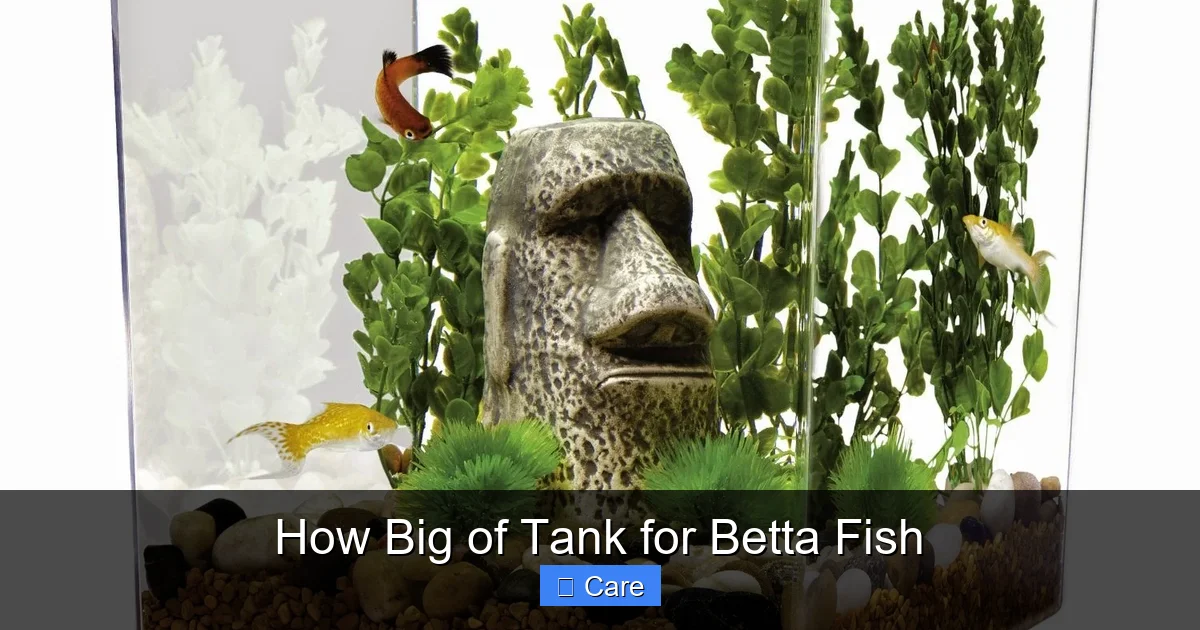
Choosing the right tank size is the single most important decision for a happy, healthy betta fish. A minimum of 5 gallons provides space to swim, stable water parameters, and room for enrichment. Read on for practical sizing guidelines, setup tips, and maintenance tricks that make betta care a breeze.
Key Takeaways
- Minimum size: Aim for at least a 5‑gallon (19‑liter) tank for one betta.
- Bigger is better: Larger volumes improve water stability and reduce disease risk.
- Surface area matters: A wide, shallow tank gives bettas access to the surface for breathing.
- Proper filtration: Even low‑flow filters keep water clean without stressing the fish.
- Enrichment: Plants, caves, and gentle currents encourage natural behavior.
- Regular maintenance: Weekly water changes and monthly clean‑ups keep parameters stable.
- Future planning: A 10‑gallon tank allows a community of peaceful tank mates if desired.
📑 Table of Contents
Why Tank Size Matters for Betta Fish
Betta fish (Betta splendens) are often sold in tiny bowls, but those containers are a recipe for stress. In the wild, bettas live in shallow rice paddies and flood‑plain streams where they can glide, explore, and hide. Replicating that environment starts with the right tank volume.
A larger tank dilutes toxins, stabilizes temperature, and gives your betta room to display its spectacular fins. When you answer the question “how big of tank for betta fish?” you’re really asking how to create a safe, comfortable home that mimics nature.
Water Quality Benefits
- Ammonia dilution: In a 2‑gallon bowl, a single waste bite can spike ammonia quickly. In a 5‑gallon tank, the same waste is spread out, giving beneficial bacteria more time to process it.
- Stable temperature: Bigger water masses change temperature slower, protecting bettas from sudden drops that can cause shock.
- pH buffering: Larger volumes resist rapid pH swings, keeping the water within the ideal 6.5‑7.5 range.
Behavioral Advantages
Betta fish love to explore the water surface to gulp air from their labyrinth organ. A wide tank with a large surface area lets them do this comfortably. It also reduces the temptation to jump out—a common problem in cramped bowls.
How Big Should Your Betta’s Tank Be?
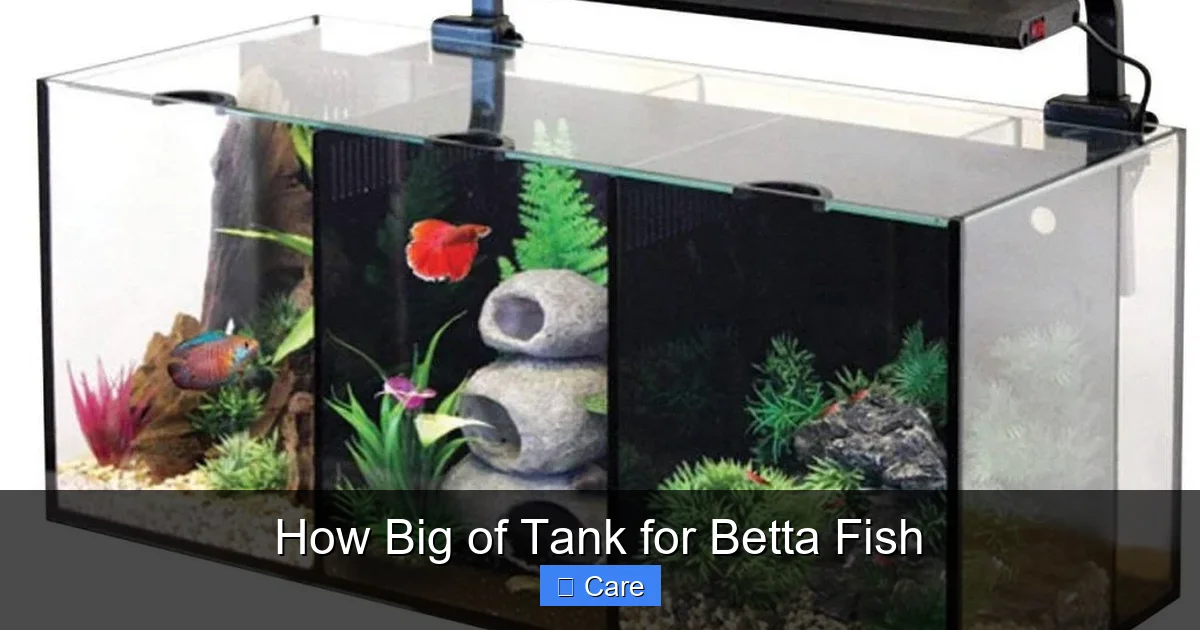
The short answer: **at least 5 gallons (≈19 liters)**. This is the most frequently recommended minimum among experts and aligns with the guidance found in How Big Of A Tank For Betta Fish. Below we break down why this size works and when you might want to go larger.
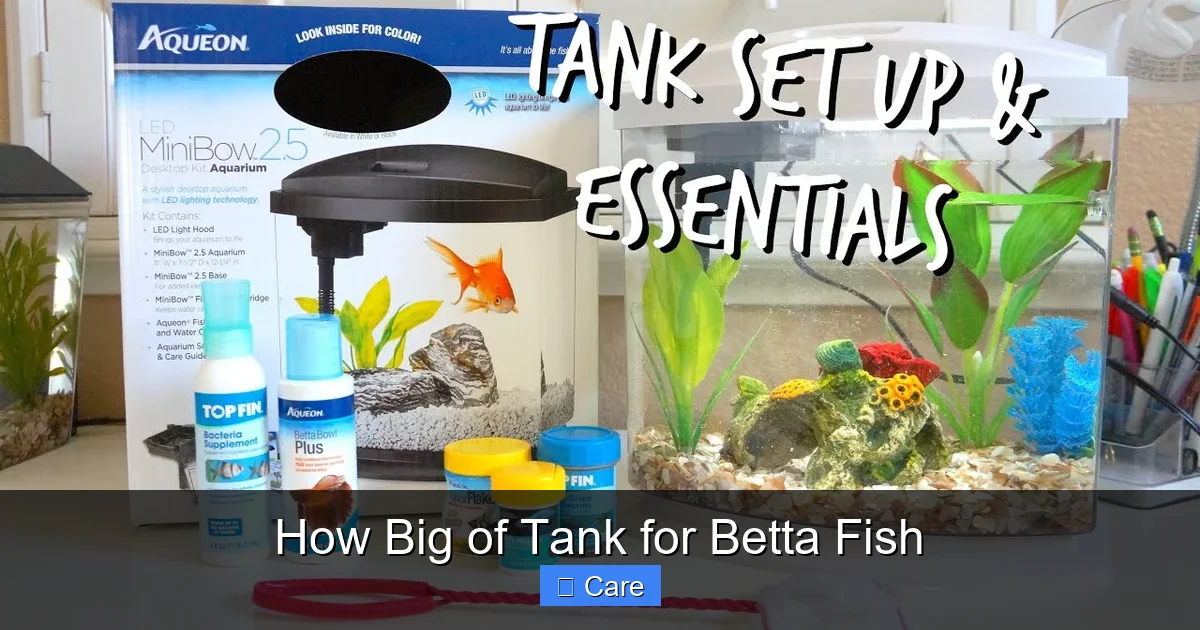
Visual guide about How Big of Tank for Betta Fish
Image source: i.ytimg.com
5‑Gallon Minimum
- Provides a surface area of roughly 12‑15 in², ideal for surface breathing.
- Allows space for a small heater, filter, and a few decorations without crowding.
- Easy to maintain for beginners—weekly 25‑30% water changes keep parameters stable.
10‑Gallon Upgrade
If you have the room, a 10‑gallon tank opens up more possibilities:
- Better water stability, meaning less frequent testing.
- Room for live plants, which improve oxygen levels and hide spots.
- Potential to keep a single peaceful tank mate (e.g., a small shrimp or snail) without stressing the betta.
Why Not Smaller?
Containers under 5 gallons force rapid waste buildup, require daily water changes, and increase the risk of fin rot, fungal infections, and stress‑induced aggression. In short, they are a disservice to a fish that can thrive in a modestly larger home.
Setting Up the Perfect Betta Tank
Now that you know the ideal size, let’s walk through a simple, step‑by‑step setup that works for any 5‑ or 10‑gallon tank.
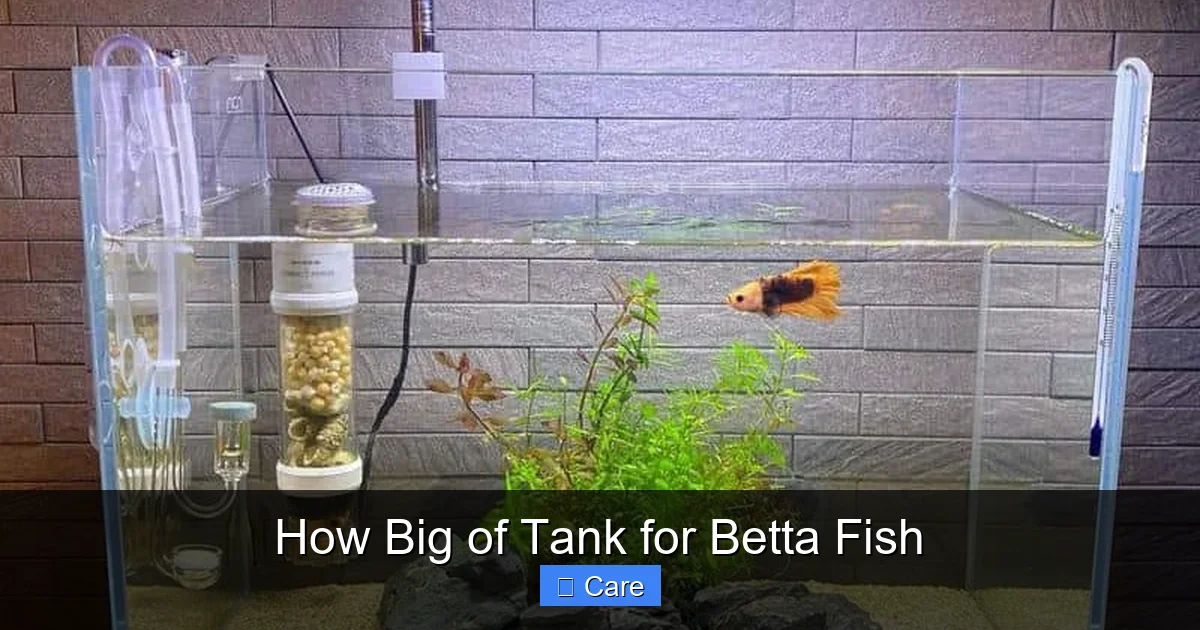
Visual guide about How Big of Tank for Betta Fish
Image source: acaquarium.com
1. Choose the Right Location
Place the tank away from direct sunlight, drafts, and heating vents. A stable room temperature of 76‑80°F (24‑27°C) is ideal for bettas.
2. Add a Gentle Filter
Betta fish do not like strong currents. Look for a low‑flow sponge filter or a hang‑on‑back filter with the flow rate set to “low.” Even a small filter dramatically improves water quality.
3. Install a Heater (if needed)
Most bettas are tropical and need water kept around 78°F (25.5°C). A 50‑watt submersible heater is sufficient for a 5‑gallon tank; a 75‑watt unit works well for 10 gallons.
4. Condition the Water
Tap water contains chlorine and chloramines that are toxic to fish. Use a water conditioner (see How To Condition Tap Water For Betta Fish) to neutralize these chemicals before adding to the tank.
5. Add Substrate and Plants
- Substrate: Fine sand or smooth gravel (no sharp edges) mimics the betta’s natural floor.
- Live plants: Java fern, Anubias, and Marimo moss are hardy, low‑light choices that provide hiding places.
- Artificial décor: Silk plants and smooth caves add enrichment without risking water quality.
6. Cycle the Tank
Before introducing your betta, run the tank for at least 24‑48 hours with the filter on and test for ammonia, nitrite, and nitrate. For a quick start, you can use a commercial bacterial starter. Detailed cycling instructions are covered in How To Cycle A Fish Tank For Betta.
7. Introduce Your Betta
Acclimate the fish by floating the sealed bag in the tank for 15‑20 minutes, then gradually add small amounts of tank water to the bag over another 15 minutes. Finally, release the fish gently.
Maintaining a Healthy Environment
Even the best‑sized tank needs routine care. Below are practical tips that keep water parameters in the sweet spot.
Visual guide about How Big of Tank for Betta Fish
Image source: fishsubsidy.org
Weekly Water Changes
- Replace 25‑30% of the water each week.
- Use a siphon to remove debris from the substrate.
- Always treat new water with a conditioner.
Testing Parameters
Invest in a simple test kit. Check ammonia, nitrite, and nitrate weekly. Keep ammonia and nitrite at 0 ppm and nitrate below 20 ppm.
Cleaning the Tank
Scrub algae from the glass with a soft pad. Avoid harsh chemicals; a vinegar‑water solution works well for spot cleaning. For a deeper clean, follow the steps in How To Clean A Betta Fish Tank For Beginners.
Feeding Practices
Feed high‑quality betta pellets or frozen bloodworms once or twice a day, only as much as the fish can eat in two minutes. Overfeeding leads to waste buildup, which can quickly degrade water quality in smaller tanks.
Common Questions About Tank Size
Can a betta live in a bowl if I change the water daily?
Technically yes, but it requires daily 100% water changes, constant temperature monitoring, and no filtration. This is stressful for the fish and not recommended for long‑term health.
What if I want to keep more than one betta?
Male bettas are highly territorial and should never share a tank. Female bettas can live in groups (a “sorority”) if the tank is at least 20 gallons and includes many plants and hiding spots.
Do bettas need a heater in a 5‑gallon tank?
Yes, unless your room stays consistently within the 76‑80°F range. Even a small temperature drop can cause a betta to become sluggish or develop disease.
Is a filtered tank better than an unfiltered one?
Absolutely. Filtration removes harmful ammonia and nitrite, reduces cleaning frequency, and supports beneficial bacteria colonies.
How often should I clean the filter?
Rinse the filter media in old tank water (not tap water) every 2‑4 weeks. Replace cartridges according to the manufacturer’s schedule.
Can I add live plants to a small tank?
Yes—choose low‑light, hardy species like Java fern or Anubias. They help oxygenate the water and provide natural cover.
Conclusion
Answering “how big of tank for betta fish” isn’t just about meeting a minimum number—it’s about creating a stable, enriching environment where your betta can thrive. A 5‑gallon tank is the baseline, but larger tanks bring added health benefits, easier maintenance, and more room for creative décor. By following the setup steps, maintaining regular water changes, and monitoring water quality, you’ll give your betta a happy home that lasts for years.
Ready to start? Check out our guide on How To Set Up A Tank For A Betta Fish for a deeper dive into equipment choices and decoration ideas.
Frequently Asked Questions
What is the smallest tank size that is safe for a single betta?
The smallest safe size is a 5‑gallon (19‑liter) tank. Anything smaller requires daily full water changes and offers poor water stability.
Do bettas need a filter if I change the water regularly?
A gentle filter is highly recommended even with regular water changes, as it provides biological filtration that a bowl cannot.
How many gallons of water should I change each week?
Replace about 25‑30% of the tank water weekly. This keeps nitrate levels low and removes dissolved waste.
Can I keep snails or shrimp with my betta in a 5‑gallon tank?
Yes, peaceful species like nerite snails or cherry shrimp can live with a betta if there are plenty of hiding spots and the tank is well‑planted.
What temperature should I keep my betta’s tank at?
Maintain the water between 76‑80°F (24‑27°C) using a reliable aquarium heater.
How often should I test the water parameters?
Test for ammonia, nitrite, and nitrate at least once a week, and pH monthly, to ensure a healthy environment.