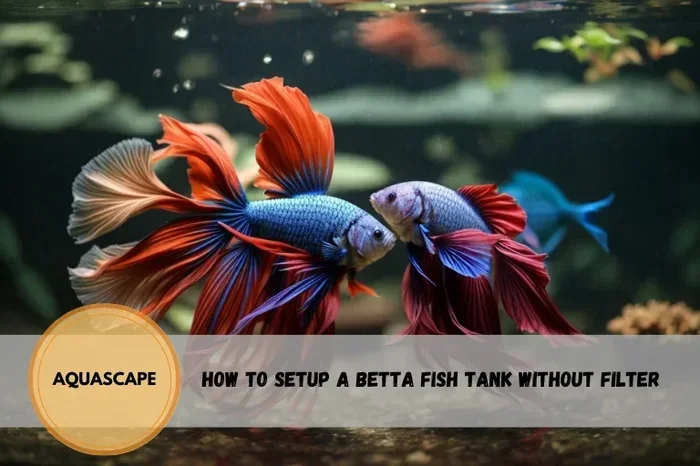
Can Betta Fish Be with Goldfish

Can betta fish be with goldfish? The short answer is no — they have very different needs. Goldfish need cold water while bettas thrive in warm tropical temperatures. Keeping them together can lead to stress, disease, and a shortened lifespan. This guide explains exactly why these two fish don’t make good tank mates and what you should do instead.
So you love bettas and goldfish. Maybe you already have one and are thinking about adding the other. It’s a very common question among fish keepers. But the real question is whether these two popular fish can actually live together peacefully. The truth might surprise you.
Many new aquarium owners assume that because both fish are freshwater species, they can share a tank. That assumption is dangerously wrong. Can betta fish be with goldfish in the same aquarium? In most cases, the answer is a firm no. The reasons go beyond just temperament. It comes down to biology, water chemistry, and the long-term health of both animals.
In this guide, we will break down everything you need to know. We will cover water temperature differences, tank size requirements, disease risks, and behavioral concerns. By the end, you will understand exactly why these two species are not compatible — and what you can do instead to keep both fish happy and healthy.
Key Takeaways
- Different Water Temperatures: Bettas need warm water (76-82°F), while goldfish prefer cooler water (65-72°F).
- Risk of Disease: Goldfish carry pathogens that can harm bettas, and vice versa.
- Tank Size Matters: Goldfish grow large and produce a lot of waste, which bettas cannot tolerate.
- Aggression Issues: Bettas may attack goldfish fins, and goldfish can bully slower fish.
- Better Alternatives Exist: There are much safer tank mates for both bettas and goldfish separately.
- Separate Tanks Are Best: Each fish thrives in its own optimized environment.
📑 Table of Contents
Why Bettas and Goldfish Are Not Compatible
The idea of housing a betta and a goldfish together seems appealing. Both are colorful, active, and widely available at pet stores. But compatibility in the fish world is not about looks. It is about shared needs and behaviors. Unfortunately, bettas and goldfish clash on nearly every front.
Water Temperature Conflicts
This is the biggest problem. Bettas are tropical fish. They need warm water between 76 and 82 degrees Fahrenheit. Goldfish, on the other hand, are coldwater fish. They thrive best in water that stays between 65 and 72 degrees Fahrenheit. These temperature ranges simply do not overlap in a safe way.
If you keep the water warm enough for a betta, the goldfish will become stressed. If you cool it down for the goldfish, the betta will get sick and stop eating. Neither fish can live comfortably in the other’s ideal temperature range. Can betta fish be put with goldfish when their basic survival needs conflict this severely? The answer is clearly no.
Water Quality and Waste Production
Goldfish are messy eaters and produce a huge amount of waste. They also grow quite large — often over 12 inches in home aquariums. This means they need powerful filtration and frequent water changes. Bettas, by contrast, prefer very clean, stable water with low ammonia and nitrate levels.
A goldfish tank that is not filtered heavily enough will quickly become toxic. Even with excellent filtration, the bioload of a goldfish is far too high for a betta’s liking. Bettas are sensitive to water parameter swings. Goldfish naturally cause those swings. This alone is a strong reason to keep them apart.
Behavioral Differences and Aggression
Bettas are known for their aggressive temperament. Male bettas, in particular, have long, flowing fins that can trigger fin-nipping in other fish. Goldfish are curious and sometimes nippy. A goldfish might bite at a betta’s fins, causing injury and stress. The betta may then retaliate, leading to a cycle of aggression.
Even female goldfish, which are less active, can harass a betta by chasing it or competing for food. Goldfish are also much faster swimmers than bettas. This means the betta will often be outcompeted for food and unable to escape unwanted attention. Over time, this causes serious health decline in the betta.
Can Betta Fish Live with Goldfish in a Large Tank?
Some hobbyists argue that a very large tank could solve the compatibility problem. The logic sounds reasonable — more space means more room to swim away from each other. But the reality is more complicated than that.
Even in a 100-gallon tank, the fundamental problems remain. The water temperature cannot satisfy both species at the same time. The waste output of a goldfish will still overwhelm a betta’s needs. And the behavioral mismatch does not disappear just because there is more swimming room.
Can betta fish live with goldfish in a huge aquarium? Technically, they could survive in the same water. But surviving is not the same as thriving. A fish that is constantly stressed will have a weakened immune system. This leads to illness, poor color, and a much shorter life. No fish owner should want that for their pets.
Tank Size Requirements Compared
Let us look at the numbers. A single goldfish needs at least 20 gallons to start. For every additional goldfish, you need another 10 to 15 gallons. Bettas can live in a 5-gallon tank alone, but they do best in tanks of 10 gallons or more when housed with peaceful tank mates.
The problem is that goldfish tanks need to be much larger than betta tanks. And goldfish grow fast. What starts as a small fish in a 10-gallon bowl will quickly outgrow that space. You end up needing a dedicated goldfish setup that has nothing in common with a betta setup.
| Factor | Betta Fish | Goldfish |
|---|---|---|
| Ideal Water Temperature | 76-82°F | 65-72°F |
| Minimum Tank Size | 5-10 gallons | 20+ gallons |
| Filtration Needs | Moderate | Heavy |
| Waste Production | Low | High |
| Temperament | Semi-aggressive | Peaceful but nippy |
| Swimming Level | Top to mid-level | Mid to bottom-level |
| Lifespan | 3-5 years | 10-25 years |
As you can see, the needs of these two fish are almost completely different. A setup that works for one will fail for the other.
Health Risks of Housing Them Together
Beyond temperature and behavior, there are serious health risks when bettas and goldfish are kept together. These risks are often overlooked by beginners who are excited about the idea of a mixed-species tank.
Disease Transmission
Goldfish are notorious carriers of parasites and bacteria. They can carry ich, anchor worms, and fungal infections without showing obvious symptoms. When a goldfish is placed in the same water as a betta, those pathogens can easily spread.
Bettas are especially vulnerable to disease because of their relatively delicate immune systems. A mild case of ich that a goldfish shrugs off can be deadly for a betta. Even with quarantine practices, the risk remains high when two species with different immune profiles share a water source.
Stress-Related Illness
Chronic stress is one of the biggest killers of aquarium fish. When a betta is constantly being chased or harassed by a goldfish, its body releases stress hormones. Over time, this suppresses the immune system and makes the fish susceptible to infections and diseases.
A stressed betta will stop eating, hide constantly, and lose its vibrant color. These are all signs that the fish is not thriving. And a fish that is not thriving will not live a long, healthy life. This alone should be enough reason to avoid housing these species together.
What Happens If You Try Anyway?
Some people do put bettas and goldfish in the same tank. Sometimes it works for a short while. But more often than not, problems arise quickly. The betta may become lethargic and stop eating. The goldfish may start nipping at the betta’s fins. Water parameters can crash within days because of the goldfish’s waste output.
Can betta fish be kept with goldfish long-term without issues? Very rarely. Most experienced aquarists strongly advise against it. The few cases where it seems to work are usually short-term situations that eventually lead to one fish being rehomed or becoming ill.
Signs That Your Fish Are Not Getting Along
If you already have both fish in the same tank, watch for these warning signs:
- The betta is hiding constantly or refusing to eat.
- The goldfish is chasing the betta around the tank.
- The betta’s fins are torn, ragged, or clamped against its body.
- Either fish shows signs of white spots, fungus, or unusual behavior.
- Water parameters (ammonia, nitrite, nitrate) are consistently elevated.
- One fish is losing weight while the other appears healthy.
If you notice any of these signs, it is time to separate the fish immediately. The longer they stay together, the worse the outcomes become for both animals.
Better Alternatives for Your Aquarium
Just because bettas and goldfish cannot live together does not mean you cannot enjoy both species. The solution is simple — keep them in separate tanks, each set up for the species’ specific needs. This gives both fish the best chance at a long, healthy life.
Best Tank Mates for Bettas
If you want to add companions to your betta tank, there are much better options than goldfish. Peaceful, small fish that thrive in warm water make excellent betta tank mates. Some great choices include:
- Neon tetras — small, colorful, and stay in the upper levels of the tank.
- Ghost shrimp — low-maintenance and unlikely to bother your betta.
- Corydoras catfish — peaceful bottom dwellers that mind their own business.
- Mystery snails — help clean algae and will not provoke aggression.
- Amano shrimp — excellent algae eaters that are too large for bettas to bother.
Before adding any tank mate, always research compatibility carefully. Not every fish works with every betta, and individual temperament can vary.
Best Tank Mates for Goldfish
Goldfish also do well with certain companions, but the key is matching the coldwater temperature requirement. Good goldfish tank mates include:
- White cloud mountain minnows — small, hardy fish that tolerate cooler water.
- Bristlenose plecos — help clean algae and stay peaceful.
- Rosy barbs — active fish that can keep up with goldfish without being aggressive.
Remember that goldfish need large tanks as they grow. Always plan for the adult size of your fish, not the size they are at the pet store.
Final Thoughts
The question of whether can betta fish be with goldfish comes up often, but the answer remains the same. These two species have fundamentally different needs that cannot be met in a shared environment. From water temperature and filtration requirements to behavior and disease risks, every factor points toward keeping them separately.
Owning fish is a rewarding hobby, but it comes with responsibility. The best thing you can do for any fish is to provide an environment that matches its natural needs. That means giving your betta warm, clean, calm water and your goldfish a spacious, well-filtered coldwater tank. Both fish will live longer, look healthier, and display more natural behaviors when kept in proper setups.
Skip the temptation to mix these two popular species. Instead, enjoy each one in its own ideal home. Your fish will thank you for it — and you will enjoy the hobby much more when your pets are thriving.
Frequently Asked Questions
Can betta fish and goldfish ever live together safely?
In extremely rare cases, some hobbyists report short-term success. However, the long-term risks far outweigh any perceived benefits. Different water temperatures, waste production levels, and behavioral mismatches make it unsafe for both species. It is always best to keep them in separate tanks.
What is the biggest problem with keeping bettas and goldfish together?
The biggest problem is the water temperature mismatch. Bettas need warm tropical water, while goldfish need cooler water. You cannot satisfy both species in the same tank. This alone makes them incompatible as tank mates.
Will a goldfish eat a betta fish?
Goldfish are not predatory toward bettas, but they may nip at the betta’s fins. Goldfish are opportunistic eaters and will eat anything that fits in their mouth. A very small betta could potentially be at risk, but this is rare. The main danger is stress and fin damage rather than direct predation.
Can I put a baby goldfish with a betta temporarily?
Even baby goldfish produce a lot of waste and grow quickly. A young goldfish may seem small and harmless, but it will outgrow a betta tank within weeks. The temperature and water quality issues remain the same regardless of the fish’s size. It is never a good idea to mix them, even temporarily.
What should I do if my goldfish and betta are already in the same tank?
If you already have both fish together, separate them as soon as possible. Monitor both fish closely for signs of stress, disease, or injury. Set up each fish in its own properly cycled tank with appropriate water parameters. The sooner you act, the better the outcome for both animals.
Are there any fish that can live with both bettas and goldfish?
No single fish species can comfortably live with both bettas and goldfish due to their vastly different temperature and water quality requirements. Each species needs its own dedicated tank setup. Focus on finding appropriate tank mates within each species’ specific needs instead.