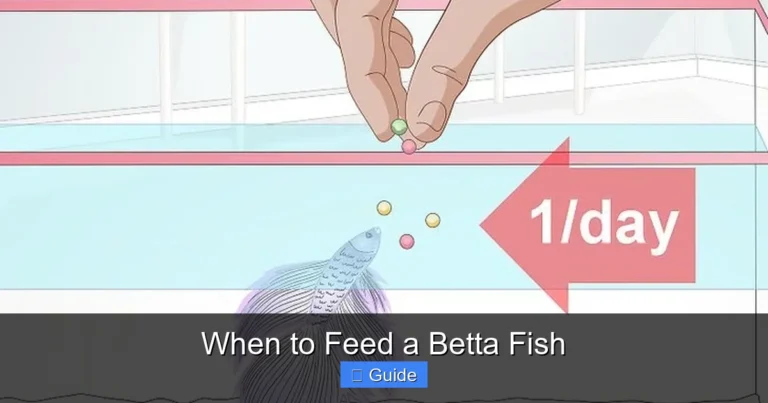
Am I Overfeeding My Betta Fish

Overfeeding is one of the most common mistakes betta fish owners make. It can lead to serious health problems, dirty tank water, and a shorter life for your fish. This guide helps you spot the signs of overfeeding and learn the right feeding habits for a happy, healthy betta.
If you’ve ever wondered, “Am I overfeeding my betta fish?” — you’re not alone. This is a question almost every betta owner asks at some point. The truth is, overfeeding is the fastest way to harm your fish, even if you mean well. Your betta might look hungry every time you walk past the tank, but that doesn’t mean they need more food.
Betta fish are small, and their stomachs are even smaller than you might think. Feeding them the wrong amount or too often can cause a long list of problems. From dirty water to serious health issues, the effects of overfeeding add up fast. The good news? It’s easy to fix once you know what to look for.
This guide covers everything you need to know about betta fish feeding. You’ll learn how much to feed, how often, what signs to watch for, and how to build a healthy routine. By the end, you’ll feel confident that your feeding habits are keeping your fish safe and happy.
Key Takeaways
- Overfeeding is the #1 mistake: Most betta fish owners feed their fish too much, too often.
- Watch for warning signs: A swollen belly, cloudy water, and lethargy all point to overfeeding.
- Less is more: Feed small portions 1-2 times a day, no more than your betta can eat in 2 minutes.
- Water quality suffers: Uneaten food decays fast and spikes ammonia levels in the tank.
- Variety matters: Rotate between pellets, frozen foods, and occasional treats for balanced nutrition.
- Fasting is healthy: Skipping one day a week helps your betta’s digestion stay on track.
📑 Table of Contents
- Signs You’re Overfeeding My Betta Fish
- How Much Should You Feed Your Betta Fish
- What Happens When You Overfeed Your Betta
- Best Foods for Your Betta Fish
- How to Fix Overfeeding Habits
- Common Mistakes New Betta Owners Make
- Quick Tips for Perfect Betta Feeding
- Final Thoughts on Overfeeding My Betta Fish
Signs You’re Overfeeding My Betta Fish
It’s not always obvious that you’re giving your betta too much food. The signs can be subtle at first, but they get worse over time. Here are the most common clues that your feeding habits need a check.
Physical Symptoms of Overfeeding
Your betta’s body will tell you when something is wrong. Look closely at these physical signs:
- Swollen or bloated belly: A healthy betta has a slightly rounded belly. If it looks like a balloon, that’s a red flag.
- Drooping fins: Overfed fish often become lethargic, and their fins may hang limp instead of flowing gracefully.
- Loss of color: A dull or faded color can signal that your fish isn’t feeling well due to diet issues.
- Constipation: If your betta isn’t pooping regularly or produces white, stringy waste, overfeeding could be the cause.
These symptoms don’t always mean overfeeding is the only problem. But if you notice more than one of these signs together, take a close look at how much you’re feeding.
Behavioral Changes to Watch For
Betta fish have distinct personalities, and their behavior changes when something is off. Some behavioral signs of overfeeding my betta fish include:
- Laying at the bottom of the tank: A healthy betta is active and curious. If yours stays at the bottom, it could be a sign of discomfort.
- Not eating eagerly: If your betta ignores food or eats slowly, it may already be full from previous meals.
- Restlessness or erratic swimming: Too much food can make your fish feel uneasy, leading to unusual swimming patterns.
These changes can also point to other health issues. But diet is always the first place to check.
How Much Should You Feed Your Betta Fish
Now that you know the signs, let’s talk about the right amount. The golden rule of betta fish feeding is simple: less is more.
The Right Portion Size
A betta’s stomach is roughly the size of its eye. That’s tiny! Here’s what a proper portion looks like:
- 2-3 pellets per meal: Standard betta pellets are the best staple food. Two to three pellets per feeding is plenty.
- Size matters: If you’re feeding flakes, give only a pinch — about the size of a small pea.
- 2-minute rule: Your betta should finish the food within 2 minutes. If food is left behind, you’ve given too much.
Many owners make the mistake of eyeballing the portion. It’s better to underfeed slightly than to overfeed. Betta fish can go a few days without food and be perfectly fine.
Feeding Frequency: How Often Is Too Often
Feeding your betta once or twice a day is ideal. Here’s a simple schedule to follow:
- Morning feeding: Give 2-3 pellets in the morning, around the same time each day.
- Evening feeding (optional): If you feed twice a day, keep the evening portion even smaller — just 1-2 pellets.
- One fasting day per week: Skip feeding one day a week. This helps your betta’s digestive system reset and prevents constipation.
Some people feed their bettas every day without a break. But a weekly fasting day is one of the best things you can do for your fish’s long-term health. It keeps their metabolism working properly and reduces the risk of bloating.
What Happens When You Overfeed Your Betta
Overfeeding doesn’t just affect your fish directly. It creates a chain reaction inside the tank that can make everything worse. Understanding this helps you see why portion control matters so much.
Water Quality Takes a Hit
Uneaten food doesn’t just disappear. It sinks to the bottom and starts to decay within hours. This decay releases ammonia into the water, which is toxic to bettas. Even small amounts of ammonia can damage your fish’s gills and stress them out.
Here’s what happens step by step when you overfeed:
- Leftover food sits in the tank: It starts breaking down almost immediately.
- Ammonia levels rise: Decaying food spikes ammonia, which is invisible but very harmful.
- Water becomes cloudy: You’ll notice the tank looks foggy or murky faster than usual.
- Beneficial bacteria get overwhelmed: The good bacteria in your filter can’t keep up with the extra waste.
All of this means more tank maintenance for you. And if the water quality drops too far, it can stress your betta and make it sick. Overfeeding my betta fish is really overfeeding the bacteria in the tank, which then creates a toxic environment for your fish.
Health Problems Caused by Too Much Food
The direct health effects of overfeeding are serious. Here are the most common problems:
- Swim bladder disease: This is one of the most common overfeeding-related conditions. It affects your betta’s ability to swim properly and stay upright.
- Fatty liver disease: Too much food over time can cause fat buildup in the liver, which is hard to reverse.
- Bacterial infections: A weakened immune system from poor diet makes your betta more vulnerable to infections.
- Shortened lifespan: Chronic overfeeding can reduce your betta’s life expectancy significantly.
If you suspect your betta has health issues from overfeeding, it’s worth learning about can overfeeding harm my betta fish in more detail to understand the full scope of risks.
Best Foods for Your Betta Fish
Not all fish food is created equal. Choosing the right food is just as important as getting the portion size right. Bettas are carnivores, so they need a protein-rich diet.
Top Food Options for Bettas
- Betta pellets: These are the gold standard. Look for high-protein pellets with fish meal as the first ingredient.
- Frozen or live brine shrimp: A great treat that mimics what bettas eat in the wild.
- Bloodworms: Nutritious and tempting, but use them sparingly — they’re a treat, not a staple.
- Daphnia: Small crustaceans that are easy to digest and great for occasional feeding.
Avoid feeding your betta generic tropical flakes. They lack the protein bettas need and often contain fillers that offer little nutrition. Also, never feed your betta human food like bread or crackers. These can expand in their stomach and cause serious blockages.
How to Build a Balanced Feeding Routine
A good routine keeps things simple and consistent. Here’s a sample weekly plan:
- Monday, Tuesday, Thursday, Friday: 2-3 betta pellets in the morning.
- Wednesday and Saturday: Add a small piece of frozen brine shrimp or bloodworm as a treat.
- Sunday: Fasting day — no food at all.
This rotation gives your betta variety while keeping portions controlled. It also makes it easy to stick to a schedule, which is one of the best habits for new fish owners.
How to Fix Overfeeding Habits
If you think you’ve been overfeeding, don’t worry. It’s one of the easiest habits to correct. Here’s what to do right now.
Step 1: Reduce the Amount Immediately
Cut your current portion in half. If you were feeding 5 pellets, drop it to 2 or 3. Your betta might seem hungry at first, but they will adjust. Remember, bettas in the wild don’t eat every single day. Your pet can handle a slightly smaller portion.
Step 2: Clean Up Uneaten Food
If there’s leftover food in the tank, remove it quickly. Use a small net or siphon to pull it out within 5 minutes of feeding. This prevents the food from decaying and spiking ammonia levels. Clean water is one of the most important parts of betta care, and it all starts with not letting old food sit in the tank.
Step 3: Stick to a Schedule
Feed your betta at the same times every day. This helps your fish develop a healthy appetite and makes it easier for you to track how much they’re eating. Bettas thrive on routine, and a consistent feeding schedule reduces stress for both you and your fish.
Also, make sure your tank has proper filtration and regular water changes. Good water quality supports your betta’s digestion and overall wellness. If you’re unsure about your tank setup, check out this guide on can I use tap water for my betta fish to make sure your water is safe and clean.
Common Mistakes New Betta Owners Make
Even experienced fish keepers slip up sometimes. But knowing the common traps helps you avoid them. Here are the mistakes most people make when feeding bettas:
- Feeding too much because the fish “looks hungry”: Bettas act hungry all the time. It’s in their nature. But they don’t need more food just because they beg.
- Skipping water changes: Overfeeding makes water changes even more important. If you’re feeding too much, you need to change the water more frequently.
- Using the wrong size tank: A small bowl or tank makes water quality problems worse fast. Overfeeding in a small tank is especially dangerous.
- Not researching food labels: Cheap fish food often contains fillers and low-quality ingredients that are hard to digest.
Avoiding these mistakes will set you on the right path. Your betta will live a longer, healthier life, and your tank will stay clean and clear.
Quick Tips for Perfect Betta Feeding
Want a simple cheat sheet? Here are quick tips to keep in mind every time you feed your betta:
- Feed small amounts, twice a day.
- Remove uneaten food after 2 minutes.
- Skip one day of feeding each week.
- Use high-protein betta pellets as the main food.
- Treats like bloodworms should be occasional, not daily.
- Watch your betta’s belly — it should be slightly rounded, not swollen.
- Keep the tank clean with regular water changes.
- If in doubt, feed less — not more.
These tips are easy to follow and make a huge difference over time. Consistency is key. You don’t need to be perfect — just better than before.
Final Thoughts on Overfeeding My Betta Fish
Overfeeding is the most common and most preventable problem betta fish face. The signs are there if you know what to look for — a bloated belly, cloudy water, and low energy are all clues. But the fix is simple too. Feed less, feed smarter, and stay consistent.
Your betta fish depends on you for everything, including food. By learning how to feed properly, you’re giving your fish the best chance at a long, healthy life. A well-fed betta is a happy betta, and a happy betta makes for a beautiful, peaceful tank to enjoy every day.
Start making small changes today. Your fish will thank you for it. And remember, when it comes to feeding, less really is more.
Frequently Asked Questions
How do I know if I’m overfeeding my betta fish?
Look for a swollen belly, cloudy water, leftover food in the tank, and your betta acting lethargic. If your fish isn’t eating eagerly or seems uninterested in food, you might be giving too much. The simplest test is the 2-minute rule — if food is left after 2 minutes, you’ve overfed.
How many pellets should I feed my betta fish per day?
Feed 2 to 3 pellets per meal, once or twice a day. That means 4 to 6 pellets total per day at most. Always remove any uneaten pellets within a few minutes to keep the water clean and safe for your fish.
Can overfeeding kill a betta fish?
Yes, overfeeding can eventually kill a betta fish. It leads to ammonia buildup, swim bladder disease, constipation, and organ damage over time. While a single overfeeding session won’t kill your fish, chronic overfeeding will seriously shorten its lifespan.
What should I do if I overfed my betta fish?
Stop feeding immediately and remove any uneaten food from the tank. Do a partial water change (about 25%) to reduce ammonia levels. Skip the next feeding and let your betta’s digestive system recover. Resume with a smaller portion the day after.
How often should I fast my betta fish?
Fast your betta once a week by skipping one full day of feeding. This helps prevent constipation, gives the digestive system a break, and keeps your fish’s metabolism working properly. Most betta owners find that a Sunday fasting day works well into their weekly routine.
What’s the best time of day to feed my betta fish?
Feed your betta in the morning when it’s most active and alert. Bettas have a natural feeding rhythm tied to daylight, so morning feedings work best. If you feed twice a day, keep the evening portion small and at least 8 hours before lights out.