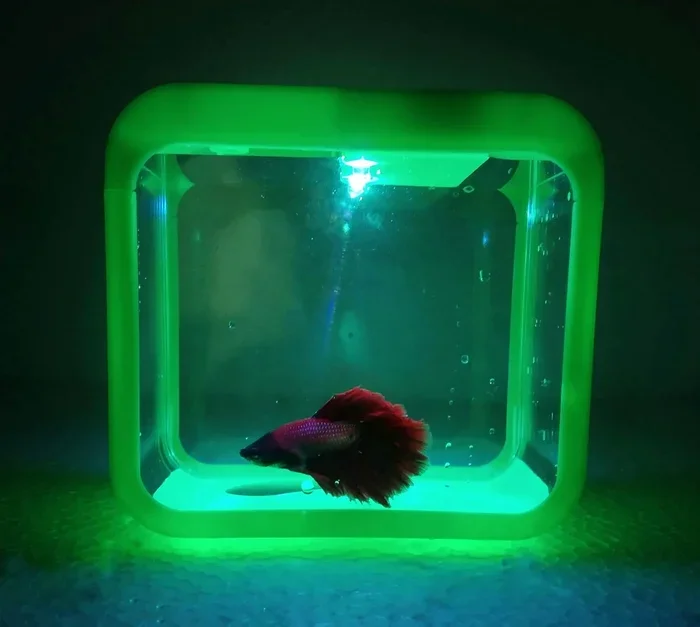
Are Betta Fish Colorblind
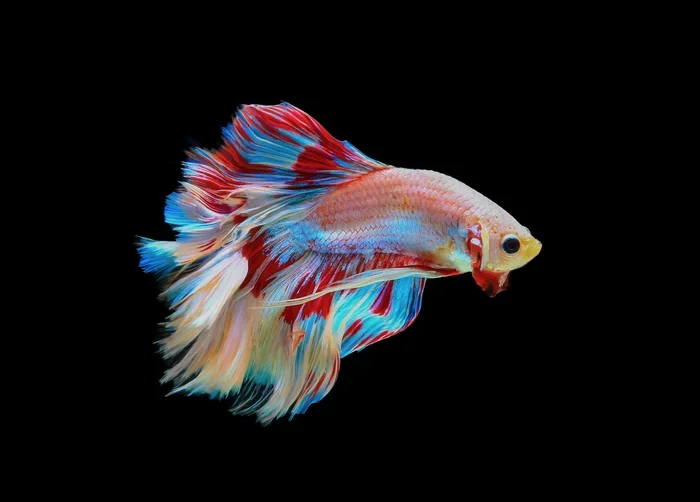
Betta fish are not completely colorblind, but their color perception is very different from ours. They can see some colors, especially blues and greens, but struggle with reds and oranges. Understanding how bettas see color helps you create a better tank environment for your fish.
Have you ever wondered if your betta fish can see the beautiful colors in your tank? Many fish owners ask, “are betta fish colorblind?” The answer is more interesting than you might think. Bettas are not fully colorblind, but they do not see colors the same way we do. Betta fish colorblind myths have confused fish owners for years. This guide breaks down the science in simple terms so you can understand what your betta really sees.
Knowing how your betta sees the world helps you set up a better tank. It also helps you pick the right colors for decorations and plants. Betta fish vision is a fascinating topic that connects to how your fish feels, behaves, and stays healthy. Let us dive in and explore everything about how bettas see color.
Key Takeaways
- Betta fish can see some colors: They have limited color vision but are not fully colorblind.
- UV vision sets them apart: Bettas can detect ultraviolet light that humans cannot see.
- Tank colors matter: The colors in your fish tank affect how your betta feels and behaves.
- Lighting affects vision: Proper aquarium lighting helps bettas see colors more clearly.
- Myths exist about betta vision: Many people wrongly assume bettas see the world in black and white.
- Behavior ties to color: A betta fish behavior changes based on what they see around them.
- Tank setup tips help: Using the right colors and lighting improves your betta quality of life.
📑 Table of Contents
What Colors Can Betta Fish See?
The question “are betta fish colorblind” comes up a lot among new fish keepers. The short answer is no, bettas are not colorblind. But their color perception is much more limited than human vision. Bettas can see certain colors clearly, while other colors look faded or blurry to them.
Bettas belong to a group of fish called tetrachromatic vision fish. This means they have four types of color receptors in their eyes. Humans only have three. So you might think bettas see more colors than we do. But here is the twist. The types of colors bettas can detect are different from what we see.
Colors Bettas Can See Well
Bettas see blues and greens very clearly. These colors stand out in their fish visual range. If you have blue or green decorations in your tank, your betta can spot them easily. This is why many natural betta habitats have blue-green water and green plants.
Bettas also see yellow fairly well. Yellow objects in the tank can catch their attention. This is useful to know when you are choosing tank decorations or gravel.
Colors Bettas Struggle With
Reds and oranges are harder for bettas to see clearly. These colors may appear dull or washed out to them. So if you love red plants or orange decorations, your betta might not notice them as much. This does not mean you cannot use them. It just means they are less vivid to your fish.
Color blindness in fish works differently than in humans. Human color blindness usually means missing one or two color types. Betta fish see a narrower range overall. Their world is more muted compared to ours, but still colorful in its own way.
How Betta Fish Eyes Work
To understand betta fish colorblind truth, you need to know a little about betta fish eyes. The eye structure of a betta is built for life in water. Light behaves differently underwater, and betta eyes have adapted to handle that.
The Role of Cones and Rods
Like human eyes, betta eyes have cells called cones and rods. Cones help with color detection. Rods help with seeing in low light. Bettas have fewer cone types than humans, which limits their color spectrum. But they have good rod cells, which means they see well in dim conditions.
This is one reason bettas do not need bright lights all the time. Their eyes are designed for the soft, filtered light found in their natural habitat. Too much light can actually stress them out and make it harder to see.
Ultraviolet Vision
Here is something amazing. Bettas can see ultraviolet light. Humans cannot see UV light at all. This gives bettas a visual advantage in the wild. Some fish patterns and markings look different under UV light. Your betta might see patterns on other fish that you never notice.
Fish eye structure is truly built for underwater life. The lens and cornea of a betta eye focus light differently than ours. This adaptation helps them spot food, predators, and even potential mates in murky water.
Does Color Vision Affect Betta Fish Behavior?
Many people ask “are betta fish colorblind” because they want to understand betta behavior. The truth is, betta fish perception does affect how they act. Color plays a role in their daily lives more than you might expect.
Colors and Aggression
Bettas are known for being territorial. They often flare at other fish or even their own reflection. Some research suggests that bright colors trigger aggression in bettas. Red and bright colors might make a betta feel threatened, even if they cannot see those colors perfectly.
If your betta flares at a red decoration, this could be part of the reason. Their limited red vision might make red objects look strange or unfamiliar. Betta fish senses work together, and color is just one piece of the puzzle.
Colors and Mood
Calming colors like soft blue and green can help your betta feel relaxed. A tank with natural-looking green plants and blue-tinted lighting often leads to a calmer betta. This is not just about looks. It is about how your fish perceives its tank environment.
If you have a shy betta, consider using darker gravel and soft lighting. Fish that are some betta fish shy do better in environments that do not overwhelm their senses. The right colors in the tank can make a big difference in how comfortable your fish feels.
Feeding and Color Cues
Bettas use vision to find food. Even though they have limited color vision, they can spot moving objects easily. Brightly colored fish food, like pellets or flakes, can catch their attention. The movement matters just as much as the color.
Some owners use betta fish care tips like feeding brightly colored food to make mealtime easier. If your betta seems to ignore food at first, try wiggling the net or tapping the glass gently. The motion triggers their hunting instinct.
Setting Up a Color-Friendly Betta Tank
Now that you know more about betta fish vision, let us talk about how to use this information in your tank setup. A color-friendly tank does not mean painting everything blue. It means choosing colors and lighting that work with how your betta sees the world.
Choosing the Right Tank Colors
Stick to natural tones when picking gravel, decorations, and background colors. Blues, greens, and earth tones work well. Avoid bright reds and oranges as main tank colors, since your betta may not see them clearly. A calm color palette helps reduce stress.
If you love colorful decorations, place them in moderation. Too many bright colors can confuse or overstimulate your betta. Think of the tank from your fish perspective. What would feel calm and natural?
Lighting Tips for Better Color Vision
Aquarium lighting plays a big role in how bettas see color. Too much light washes out colors and stresses fish. Too little light makes it hard for them to navigate. Aim for soft, adjustable LED lights that mimic natural daylight.
Here are some quick tips for lighting your betta tank:
- Use a timer to keep light consistent, about 8 to 10 hours a day.
- Choose LED lights with adjustable brightness.
- Avoid harsh white lights that make the tank feel like a hospital room.
- Add a dimmer if your light does not have one built in.
- Turn lights off at night to let your betta rest.
Live Plants and Natural Colors
Live plants are one of the best additions to any betta tank. They provide natural green colors that bettas see well. Plants also improve water quality and give your betta places to hide and explore. Betta fish health improves when the tank feels like a natural habitat.
If you are not ready for live plants, silk plants in green and blue tones work well too. Avoid plastic plants with sharp edges or unnatural bright colors. Your betta will thank you for the natural look.
Common Myths About Betta Fish Color Vision
There are a lot of wrong ideas out there about betta fish colorblind status. Let us clear up some of the most common myths so you have the right information.
Myth 1: Bettas See in Black and White
This is probably the biggest myth. Bettas do not see in black and white. They see color, just not as many colors as humans. Their vision includes blues, greens, yellows, and some UV light. A black-and-white world would be a very different experience.
Myth 2: Bettas Cannot See Red At All
Bettas struggle with red, but they are not completely blind to it. Red may look faded or dark to them. Some bettas still react to red objects, possibly because of movement or contrast rather than the color itself.
Myth 3: All Fish See the Same Colors
Every fish species has different vision. Some fish see more colors than bettas. Others see fewer. Color vision in fish varies a lot. Do not assume what is true for one fish applies to all of them.
Myth 4: Tank Color Does Not Matter
Tank color absolutely matters. The background, gravel, and decoration colors affect how your betta feels. A tank with calming, natural colors helps reduce stress. A tank with harsh, bright colors can make your betta anxious or aggressive.
Final Thoughts on Betta Fish and Color
So, are betta fish colorblind? The answer is a clear no. Bettas have limited but real color vision. They see blues, greens, and yellows well, and they can even detect ultraviolet light. Reds and oranges are harder for them, but not invisible.
Understanding betta fish colorblind truth helps you become a better fish owner. You can design a tank that looks great and feels natural to your fish. Choose calming colors, use soft lighting, and add live or silk plants. These small changes make a big impact on your betta quality of life.
Your betta may not see the world the way you do. But with the right tank setup, they can enjoy a colorful and stimulating environment. Take what you have learned here and apply it to your aquarium. Your fish will show you the difference through their behavior and overall health.
Remember, every detail in your tank matters. From the gravel color to the lighting schedule, it all shapes how your betta experiences their world. Give them a tank that works with their vision, and you will have a happier, healthier fish. That is the real reward of understanding betta fish colorblind facts and putting them into practice.
Frequently Asked Questions
Are betta fish completely colorblind?
No, betta fish are not completely colorblind. They can see some colors, especially blues, greens, and yellows. Their color range is just more limited compared to human vision, and they also have the ability to see ultraviolet light.
What colors can betta fish see best?
Bettas see blues and greens the clearest. These colors stand out in their natural habitat. Yellow is also visible to them, while reds and oranges appear faded or dull to their eyes.
Can betta fish see red colors?
Bettas have difficulty seeing red clearly. Red colors may appear dark or washed out to them. This does not mean they cannot detect red at all, but it is less vivid in their perception compared to other colors.
Does tank color affect betta fish behavior?
Yes, tank color does affect betta behavior. Calming colors like blue and green help bettas feel relaxed. Bright or harsh colors can cause stress or trigger territorial aggression in some fish.
Why do betta fish need UV vision?
UV vision helps bettas detect patterns and markings that are invisible to humans. In the wild, this ability helps them find food, spot predators, and identify potential mates in murky or dim water conditions.
How does aquarium lighting affect betta fish vision?
Lighting plays a big role in how well bettas can see colors. Soft, adjustable LED lights that mimic natural daylight work best. Too much light washes out colors and stresses fish, while too little light makes it hard for them to navigate the tank.
=== CONCLUSION ===
Betta fish colorblind is a topic that matters more than most fish owners realize. Bettas are not blind to color, but their world looks very different from ours. They see a beautiful range of blues, greens, and yellows, and they can even pick up ultraviolet light that humans never will.
Use this knowledge to build a better home for your betta. Choose tank colors and lighting that match their natural vision. Add plants and decorations in calming tones. Your fish will live a happier, healthier life because of the small choices you make. The next time someone asks “are betta fish colorblind,” you will have the perfect answer ready.