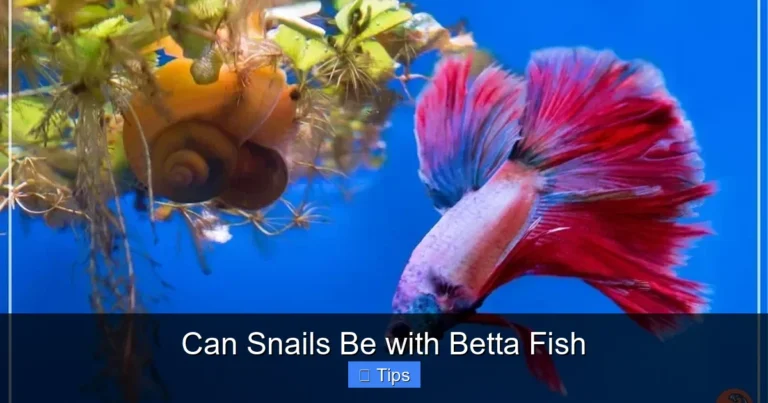
How to determine if you can put other fish with a male betta
Yes, you can put other fish with a male betta when the species, tank size, and water needs all match. Start with a calm community tank, add fish slowly, and separate them at the first sign of injury or lasting stress.
Can you put other fish with a male betta? Often, yes, but only when the species, tank size, and water needs all fit. Male betta tank mates must be calm, active in another part of the tank, and unlikely to nip fins. This guide shows how to choose safe fish, prepare the tank, add new guests slowly, and spot stress early. You will also learn which fish to avoid and when to separate them. A careful plan gives both fish a calmer, healthier home.
Male bettas are known for their bright colors and bold looks. Yet each betta has its own nature. Some ignore other fish. Others chase, flare, or hide. A male betta can live with a peaceful community fish, but only when the whole setup works.
Before choosing a species, it helps to understand the basics of can you put other fish in with a male betta. The answer depends on more than the fish’s name. Tank size, water quality, hiding spots, and behavior all matter.
Key Takeaways
- Start with the tank: A 10-gallon tank or larger gives you more room to manage betta tank mates safely.
- Match the water needs: Your betta and other fish need similar temperature, pH, and filter conditions.
- Choose calm fish: Look for peaceful species that stay in a different part of the tank and do not nip fins.
- Watch the betta: Flaring, hiding, clamped fins, or a loss of color can show stress or aggression.
- Add fish slowly: Quarantine new fish and introduce them one at a time.
- Separate when needed: Never risk serious injury. A separate tank is often the kind choice.
📑 Table of Contents
Can You Put Other Fish With a Male Betta? Start With the Tank
Do not begin with the fish you like most. Begin with the space you can safely keep. A small tank can become crowded fast. It can also change temperature and water quality too quickly.
Choose enough tank space
A 5-gallon tank can hold one betta, but adding other fish leaves little room for error. For a true community tank, start with 10 gallons or more. A larger tank gives you more stable water and more places for each fish to stay apart.
- 5 gallons: Best for one betta unless you carefully plan a very small group.
- 10 gallons: A good start for a few small, calm fish.
- 20 gallons or more: Better for schools, bottom dwellers, and more swimming space.
Also think about the tank shape. Bettas like room to swim along the bottom and sides. They also need easy access to the surface. A long tank often works better than a very narrow one.
Match the water conditions
Every fish needs the same basic water conditions. Your betta should have warm, clean water with a steady temperature. Most bettas do well at about 76 to 80 degrees Fahrenheit. The pH should be stable, often near 6.5 to 7.5, but stability matters more than one perfect number.
- Ammonia and nitrite: Both must stay at zero.
- Nitrate: Keep it low with weekly water changes.
- Filter: Use a gentle filter that does not create a strong current.
- Heater: Keep the temperature steady day and night.
Check that each possible tank mate can live in the same water. Do not mix fish that need very different heat, pH, or flow.
Create clear territory
Bettas need places to rest and hide. Add live or fake plants, caves, and floating hides. These items break the view across the tank. They also help reduce stress.
Use smooth rocks and soft plants. Avoid sharp decor that can tear fins. Keep the tank lid on, too. Bettas can jump, and other fish may panic when they feel unsafe.
Match the Fish to Your Betta’s Temperament
A male betta’s gender does not tell you everything. Some males are calm. Some are very territorial. Look at the actual fish in front of you.
Signs your betta may share well
- Your betta explores the tank with interest.
- It rests without hiding all day.
- It eats well and has a normal color.
- It ignores glass, plants, and reflections most of the time.
- It shows brief flares but does not chase for long.
A short flare can be a normal response. It may react to its reflection or a new object. A long chase, constant hiding, or torn fins is more serious.
Signs your betta may need its own tank
- It attacks the glass or decor for long periods.
- It has lost color or is clamping its fins.
- It hides and stops eating.
- It has bitten its own fins.
- It shows strong stress after every change.
Do not add tank mates right after moving a betta to a new tank. Give it at least one or two weeks to settle. A stressed betta is more likely to act aggressive.
Use a simple behavior check
- Keep the tank fully set up and running.
- Watch your betta for a week or more.
- Look for calm feeding, resting, and normal movement.
- Do not use a mirror to test aggression.
A mirror can cause extreme stress. It may make the betta keep flaring and fighting an image. Watch normal behavior instead.
Best Fish and Fish to Avoid
There is no fish that is safe with every betta. The best choice is a calm species that matches your tank. Pick fish that swim away from the betta and use another tank area.
| Possible fish | Why it may work | Main risk |
|---|---|---|
| Harlequin or ember rasbora | Peaceful schooling fish that stay in the middle | They need a group of six or more |
| Cherry barb | Active, sturdy, and usually peaceful | Needs space and may be nipped by some bettas |
| Corydoras catfish | Peaceful bottom dwellers that clean leftover food | They need soft gravel and a group |
| Kuhli loach | Quiet fish that use the lower tank area | They need hiding spots and should be kept in a group |
| Otocinclus catfish | Small algae grazers for mature tanks | They need enough algae and should not be added too early |
For schooling fish with a betta, do not buy only two or three. Most small schooling fish feel safer in larger groups. A weak school can stress the betta, and a stressed school can become erratic.
Fish to avoid
- Other bettas or gouramis: They can look similar and may trigger fights.
- Goldfish: They make more waste and need cooler water.
- Guppies, platies, and swordtails: Their fins may invite nipping.
- Neon tetras and other small tetras: Some tanks work, but they are not a safe first choice.
- Bold cichlids: Many defend their space and may attack the betta.
- Large or fast nippers: They can injure the betta or become stressed by it.
Be careful with plecos. A common pleco can grow too large, while some types may nip. Learn how to put a pleco with a betta fish before choosing one.
Set Up the Tank for a Shared Home
Good aquarium compatibility starts before any new fish enters. The tank should already be cycled. This means helpful bacteria have converted harmful waste into a form you can remove during water changes.
Prepare clean, stable water
Use a filter and heater before adding fish. Test the water with an aquarium test kit. Keep ammonia and nitrite at zero. Feed lightly during the cycling process, or use a bottled bacterial starter if needed.
Once the tank is ready, add plenty of plants and hides. Keep a spray bottle and bucket ready for weekly water changes. A clean tank helps fish stay calm and healthy.
Plan each tank zone
Give every fish a clear place to spend time. Your betta may use the middle and upper areas. Rasboras can use the middle. Corydoras and kuhli loaches can use the bottom.
- Do not place two aggressive fish in the same small area.
- Give bottom fish soft gravel, not sharp gravel.
- Keep the upper area open enough for the betta to reach air.
- Use plants to block long lines of sight.
Quick tips for a safer setup
- Keep the water temperature steady.
- Use a gentle filter flow.
- Add a tight-fitting lid.
- Feed each fish where it usually searches.
- Do not overstock the tank.
Add Tank Mates Safely and Watch the Signs
Even a good choice can cause trouble. Add fish slowly and watch closely. Your goal is not to make the betta “win.” Your goal is to keep every fish calm and unharmed.
Prepare each new fish
- Place the new fish in a quarantine tank for two to four weeks.
- Test its water before it joins the main tank.
- Make sure it can live with your betta’s temperature and pH.
- Rearrange the decor before adding it to break old scent marks.
- If the betta is already settled, consider a temporary tank divider.
A tank divider can help you watch for aggression without risking injury. Do not keep fish together behind a divider for long. It is a safety tool, not a full home.
Add fish in the right way
- Float the bag to match the temperature.
- Add small amounts of tank water to the bag or a clean container.
- Do not pour store water into your main tank.
- Turn off the lights to lower stress.
- Watch the fish after they enter.
If you are adding fish to a new tank, add the community fish first. Let them settle before adding the betta. If the betta is already in the tank, add one fish at a time and wait before adding another.
Know the warning signs
- The betta flares and chases for a long time.
- One fish darts around the tank with no place to hide.
- A fish loses fins, color, or interest in food.
- The betta clamps its fins and stays hidden.
- Any fish is bitten, pinned against the glass, or injured.
Separate the fish at once if you see serious aggression. Do not punish the betta. Tap the glass, shine a light, or use a barrier to stop the chase. Then move the injured or stressed fish to a safe tank.
Common Mistakes, Expert Advice, and Final Verdict
Common mistakes to avoid
- Choosing fish only because they look pretty.
- Adding too many fish to a small tank.
- Adding several fish on the same day.
- Assuming every fish from the same species acts the same way.
- Ignoring the behavior of the other fish.
- Using a divider as a permanent solution.
- Forgetting that bettas need warm water and a gentle filter.
Expert insights
Experienced keepers focus on the whole system. They consider betta temperament, fish size, water needs, tank layout, and feeding habits. A peaceful fish can still be a poor match if it needs a large school or has the wrong water needs.
It is also wise to keep a spare tank or know where you can move a fish quickly. A separate tank is not a failure. It is a safe choice when sharing would cause harm.
Conclusion: When sharing is a good idea
Can you put other fish with a male betta? Yes, when the fish are peaceful, the tank is large enough, and the water conditions match. Start small, add fish slowly, and watch for stress signals. If the betta or another fish is hurt, separate them. A calm, well-planned tank is always better than a crowded one.
Frequently Asked Questions
How many fish can I keep with a male betta?
It depends on the tank size and the species. A 10-gallon tank may hold a few small, peaceful fish, while a 5-gallon tank should usually have only one betta.
Can I put a betta with tetras?
Some large, calm tetra species may work in a spacious tank. Small tetras, such as neon tetras, can be nipped, so they are not a safe first choice.
Are bottom feeders safe with male bettas?
Corydoras and kuhli loaches can work when they have soft gravel, hiding places, and enough space. Avoid sharp gravel and make sure the fish do not compete for food.
What should I do if my betta attacks the other fish?
Separate them right away if the chasing is long or the other fish is injured. Move the stressed fish to a safe tank and do not try the same setup again without a plan.
Can I add fish to a 5-gallon betta tank?
It is possible in a few carefully planned cases, but it is risky. A 5-gallon tank has little room for extra waste, territory, or changes in behavior.
How long should I monitor the tank after adding fish?
Watch closely for the first 24 to 48 hours, then keep an eye on the tank for several days. Continue watching each time you feed, clean, or change the water.