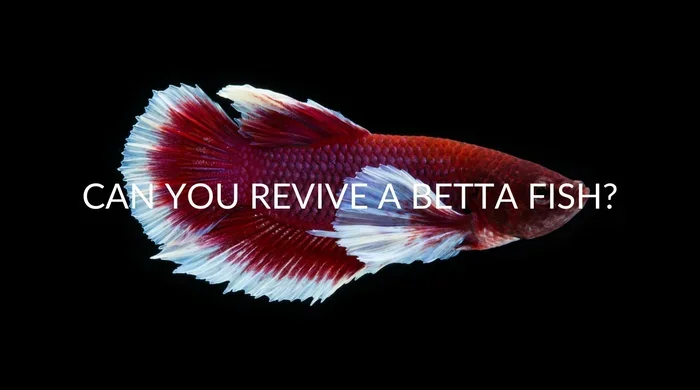
can you put other fish with male betta live with tank mates
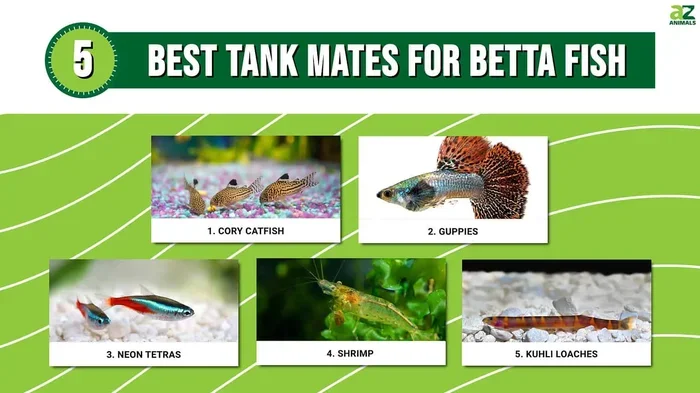
Can you put other fish with male betta? This guide reveals which species make safe companions, how to test compatibility, and the tank setup needed for a harmonious community. You’ll discover why some fish trigger aggression and get step‑by‑step tips to introduce new tank mates without stress. Follow these proven strategies and watch your male betta thrive alongside peaceful, compatible fish.
Key Takeaways
- Understand Betta Behavior: Male bettas are territorial and can be aggressive toward similarly colored or fin‑nipping species.
- Choose Peaceful Tank Mates: Small, calm fish like neon tetras, ghost shrimp, or Corydoras catfish often coexist with male bettas.
- Avoid Incompatible Species: Goldfish, cichlids, and large predatory fish usually cause stress or attacks.
- Create the Right Environment: A well‑planted tank with hiding spots reduces rivalry and promotes peace.
- Introduce Fish Safely: Use a quarantine tank and gradual exposure to minimize shock and aggression.
- Monitor Health Closely: Watch for signs of stress, fin damage, or disease after introductions.
- Maintain Water Quality: Stable parameters (pH 6.5‑7.5, temperature 78‑80°F) support both betta and tank mates.
📑 Table of Contents
- Can you put other fish with male betta? Understanding the Basics
- Choosing Safe Tank Mates for Male Bettas
- Incompatible Species and Why They Don’t Work
- Setting Up the Perfect Tank Environment
- Step‑by‑Step Guide to Introducing New Fish
- Common Mistakes and How to Avoid Them
- Conclusion: Creating a Harmonious Community
Can you put other fish with male betta? Understanding the Basics
If you’ve ever asked can you put other fish with male betta, you’re not alone. Many new betta owners wonder whether their vibrant pet can share a tank with other species. The short answer is yes, but only when you respect the betta’s natural instincts and choose the right companions. In this article we’ll explore the science behind betta behavior, list safe tank mates, explain why certain fish are a bad idea, and give you a practical step‑by‑step plan to introduce new fish safely. By the end, you’ll have a clear roadmap to create a peaceful community tank that keeps your male betta happy and healthy.
Why Male Bettas Are Special
Male bettas are famous for their brilliant colors and their aggressive territorial streak. In the wild, a male defends a small territory against any fish that venture too close. This instinct remains strong in captivity. When you ask can you put other fish with male betta, you must consider:
Territorial Nature: A male betta will flare its fins and attack fish that enter its space.
Color Recognition: Bright colors can trigger a chase response.
Fin Nipping: Some active swimmers may accidentally bite at long betta fins.
Space Needs: Even a 5‑gallon tank feels cramped when multiple fish compete for space.
Understanding these traits helps you answer can you put other fish with male betta with confidence.
What Makes a Good Tank Mate?
When you decide to add companions, look for fish that:
Are peaceful community fish that rarely chase.
Stay in the upper or middle water column, leaving the bottom to bottom‑dwelling species.
Have calm temperaments and are not overly fast swimmers.
Are small enough not to outgrow the tank or intimidate the betta.
Share similar water parameters (pH 6.5‑7.5, temperature 78‑80°F, soft to moderately hard water).
These criteria are the foundation for answering can you put other fish with male betta safely.
Choosing Safe Tank Mates for Male Bettas
Below is a curated list of fish that frequently succeed with male bettas. Each species has proven compatible when tank conditions are right.
| Fish Species | Size | Temperament | Water Parameters | Why It Works |
|————–|——|————-|——————|————–|
| Neon Tetra | 1.5 in | Peaceful, shoaling | Soft, acidic | Stays in mid‑water, dim colors avoid triggers |
| Ghost Shrimp | 1.5 in | Shy, scavenger | Same as betta | Cleans up leftovers, rarely interacts |
| Corydoras Catfish (e.g., Pygmy Cory) | 1‑2 in | Bottom‑dweller, calm | Same as betta | Occupies bottom, no fin contact |
| Harlequin Rasbora | 2 in | Calm, schooling | Slightly acidic | Similar size, non‑aggressive |
| White Cloud Mountain Minnow | 2 in | Peaceful | Cool‑water tolerant | Good for mixed‑temperature setups |
| Dwarf Gourami (male) | 4‑5 in | Semi‑aggressive but not toward betta | Same | Larger but still compatible if tank >10 gal |
| Amano Shrimp | 2 in | Active, algae eater | Same as betta | Helps control algae, stays busy |
Quick Tip: Always introduce tank mates in groups of at least three of the same species to reduce stress and encourage natural schooling behavior.
Top Safe Options Explained
Neon Tetra (Paracheirodon innesi) – Their subtle blue and red sheen is unlikely to provoke a flare. They stay near the surface and middle, leaving the betta’s territory untouched.
Ghost Shrimp (Cambarellus decrepitans) – These translucent scavengers are more hidden and spend most of their time foraging. They rarely interact with the betta.
Corydoras Catfish – Bottom‑dwelling and gentle, they help keep the substrate clean and never bother the betta’s fins.
For a deeper dive into compatible species, check out this detailed guide: other fish with male betta.
Incompatible Species and Why They Don’t Work
Just as important as picking good companions is knowing which fish to avoid. Some species simply cannot coexist with a male betta, no matter how large the tank.
Common Problematic Fish
Goldfish – They produce a lot of waste and need cooler water, causing stress for the betta.
Cichlids – Aggressive and territorial, they will constantly challenge the betta.
Large Guppies – Their bright colors and fast movements can trigger chasing.
Siamese Fighting Fish (other males) – Two male bettas will always fight to the death.
Arowana or Oscar – Predatory and huge, they will view the betta as food.
Even if you have a massive 55‑gallon tank, the betta’s instinct to defend its space often leads to injury. When you ask can you put other fish with male betta, always rule out these species first.
Why Size Matters
A fish that grows beyond 4 inches may dominate the tank, leaving the betta with limited hiding spots. Small, peaceful fish are less likely to intimidate a betta and can coexist peacefully.
Setting Up the Perfect Tank Environment
Creating the right habitat is the first step to answering can you put other fish with male betta with a positive outcome. A well‑structured tank reduces stress and encourages natural behaviors.
Key Elements to Include
Live Plants – Java fern, Anubias, and Amazon sword provide cover and mimic natural betta habitats.
Hiding Spots – Rocks, caves, and driftwood give the betta a retreat.
Floating Vegetation – Duckweed or water lettuce diffuses light and creates shade.
Proper Filtration – A gentle sponge filter prevents strong currents that can stress the betta.
Regular Water Changes – 20‑30 % weekly keeps ammonia and nitrite levels low.
Water Parameters Checklist
– Temperature: 78‑80°F (26‑27°C)
– pH: 6.5‑7.5 (slightly acidic to neutral)
– Hardness: 2‑10 dGH (soft to moderate)
– Ammonia/Nitrite: 0 ppm
– Nitrate: <40 ppm
Maintain these levels with a reliable test kit. Stable water chemistry is essential for can you put other fish with male betta success.
Step‑by‑Step Guide to Introducing New Fish
Even with the best choices, introductions must be handled carefully. Follow this process to minimize risk.
1. Quarantine New Fish
Isolate any new fish for 2‑4 weeks in a separate tank. This prevents hidden parasites or diseases from reaching your betta.
2. Prepare the Community Tank
Ensure the tank is fully cycled, water parameters are stable, and hiding places are ready. Perform a partial water change before adding new inhabitants.
3. Gradual Introduction
Float the new fish in a sealed bag for 15‑20 minutes to equalize temperature.
Add a few drops of tank water into the bag every 5 minutes.
Release the fish using a net, allowing it to swim into the main tank.
Observe for 10‑15 minutes to see if the betta flares. If aggression spikes, gently remove the new fish and try again later.
4. Monitor Behavior
Watch for signs of stress in both the betta and new tank mates:
Betta: Flaring, hiding, loss of color, clamped fins.
New fish: Hiding, rapid breathing, loss of appetite.
If aggression continues for more than 48 hours, consider removing the incompatible fish.
5. Maintain the Balance
Add one new fish at a time, allowing the tank to adjust. Overcrowding can quickly revert a peaceful setup into a war zone.
For a detailed walkthrough of introducing a specific species, see this guide: male betta with tetra fish.
Common Mistakes and How to Avoid Them
Even experienced hobbyists make errors when trying to answer can you put other fish with male betta. Avoiding these pitfalls will save you time and protect your fish.
1. Ignoring Territorial Needs
Placing the betta’s favorite hiding spot in the center of the tank leaves no escape. Provide multiple hideouts spread throughout the aquarium.
2. Overcrowding the Tank
A 10‑gallon tank can comfortably house only a few small fish plus the betta. Remember the “1 gallon per inch of fish” rule as a starting point.
3. Skipping Quarantine
Skipping quarantine may introduce diseases that spread quickly. Always isolate new arrivals for at least two weeks.
4. Using Bright Lighting
Intense lights can stress bettas and make them more defensive. Use dim, indirect lighting or floating plants to diffuse light.
5. Mixing Aggressive Species
Even if a fish appears calm initially, its temperament can change. Stick to known peaceful species.
Conclusion: Creating a Harmonious Community
Can you put other fish with male betta? The answer is a resounding yes—provided you choose compatible species, set up a stress‑free environment, and introduce new fish with patience. By respecting the betta’s natural instincts and following the guidelines above, you can transform a solitary tank into a vibrant, peaceful community.
Remember to:
Select peaceful, small fish that share similar water needs.
Create plenty of hiding places and live plants.
Maintain stable water parameters and perform regular water changes.
Introduce new fish gradually, always monitoring behavior.
When done right, your male betta will display its brilliant colors alongside happy tank mates, creating a stunning display that brings joy to any room. Embrace the process, stay observant, and enjoy the rewarding experience of a thriving mixed‑species aquarium.
Frequently Asked Questions
Can a male betta live with neon tetras?
Yes, neon tetras are peaceful and stay in the mid‑water zone, which rarely triggers a betta’s territorial response. Keep the tank well‑planted and provide hiding spots for the tetras, and you’ll have a harmonious community.
Is it safe to add shrimp to a betta tank?
Most shrimp, such as ghost shrimp or Amano shrimp, are safe with male bettas. They are small, stay near the bottom, and rarely interact with the betta’s fins. Always monitor for any sudden aggression.
What fish should I never mix with a male betta?
Goldfish, cichlids, and other male bettas are incompatible. Goldfish need cooler water and produce waste that stresses bettas, while cichlids are aggressive. Two male bettas will always fight to the death.
How often should I perform water changes when adding tank mates?
Maintain a regular schedule of 20‑30 % water changes weekly. This keeps ammonia and nitrite levels low, which is crucial when introducing new fish that may be more sensitive to water quality.
Do I need to quarantine new fish before adding them to the betta tank?
Yes, always quarantine new fish for 2‑4 weeks. This protects your betta from hidden parasites or diseases that could spread quickly in a small community tank.
Can I keep a betta with a dwarf gourami?
Male dwarf gouramis are semi‑aggressive but can coexist with a betta if the tank is large enough (10 gallons or more) and there are plenty of territories. Watch for fin‑nipping and be ready to separate them if needed.