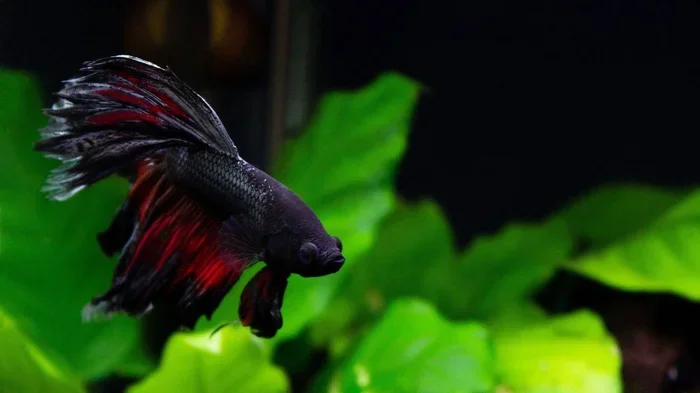
Does Betta Fish Need Oxygen Tank
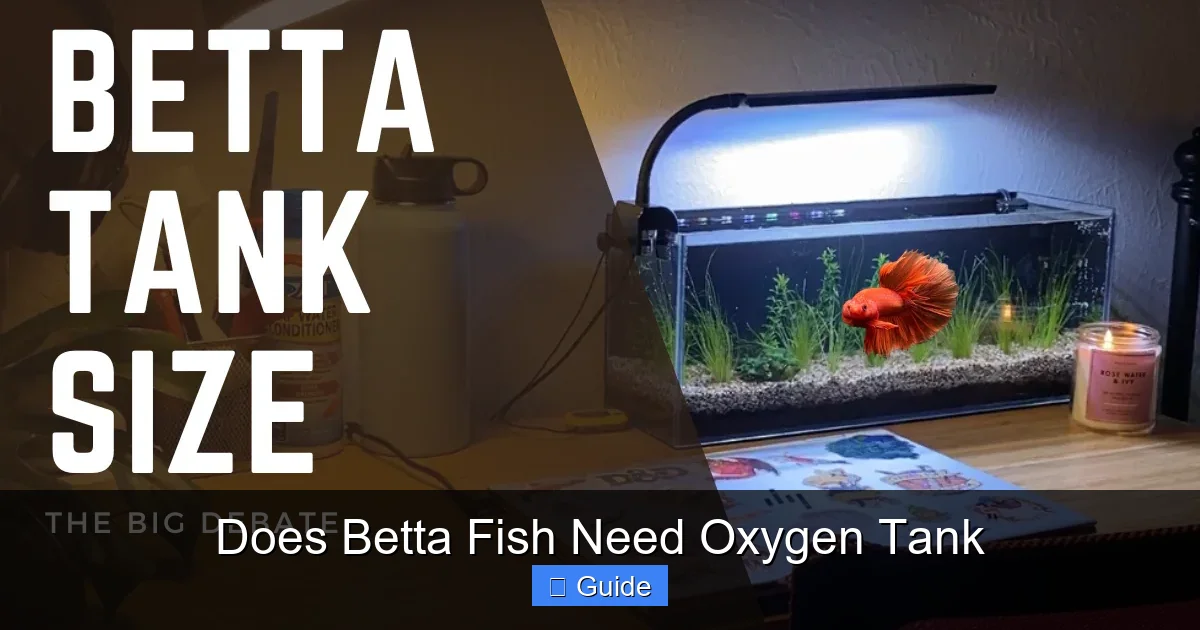
Betta fish possess a unique labyrinth organ that allows them to breathe atmospheric air, but this does not mean they don’t need dissolved oxygen in their water. While they can gulp air from the surface, a properly set-up aquarium with gentle water movement and surface agitation is crucial for gas exchange and overall health. An “oxygen tank” in the traditional sense is unnecessary, but providing optimal water conditions with adequate aeration is non-negotiable for a thriving betta.
If you’re a new or prospective betta fish owner, one of the most common and crucial questions you’ll encounter is: does betta fish need oxygen tank? It’s a question born from seeing those beautiful, solitary fish in small cups at the pet store and hearing about their special ability to breathe air. The answer, like most things in responsible fishkeeping, is nuanced. It’s not a simple yes or no. To truly understand what your betta needs, we must dive deep into their fascinating physiology, the science of water chemistry, and the practical realities of creating a thriving tank environment. This guide will unravel the myths, explain the biology, and provide you with a clear, actionable blueprint for ensuring your betta has all the oxygen it needs to live a long, vibrant life.
Key Takeaways
- The Labyrinth Organ is for Survival, Not Preference: Betta fish have a specialized organ to breathe air, a trait from living in low-oxygen wild habitats. This is a backup system, not a substitute for clean, oxygen-rich water.
- Surface Agitation is Critical: Gentle water movement at the surface maximizes gas exchange, allowing oxygen to enter the water and harmful CO2 to escape. This is best achieved with a filter output, not an air stone alone.
- Water Volume Matters Immensely: A tiny bowl or vase has minimal surface area relative to its volume, severely limiting oxygen diffusion. A 5-gallon (or larger) tank provides a much healthier environment.
- Filtration is Non-Negotiable: A filter cleans the water of toxins (ammonia, nitrites) and creates the necessary surface agitation. It is the single most important piece of equipment for a betta tank.
- Temperature Directly Affects Oxygen Levels: Warmer water holds less dissolved oxygen. Since bettas need warm water (78-80°F), ensuring good aeration becomes even more important to compensate.
- Signs of Low Oxygen are Emergencies: Gasping frantically at the surface, lethargy, and loss of color indicate poor water conditions and require immediate action to improve aeration and water quality.
- An Air Pump/Oxygen Tank is Usually Overkill: For a properly sized, filtered betta tank, a dedicated air pump is often unnecessary and can create too much flow, stressing the fish.
📑 Table of Contents
- Understanding Betta Fish Physiology: The Labyrinth Organ Explained
- The Science of Oxygen in Aquatic Environments
- Tank Setup Essentials: Creating an Oxygen-Rich Environment
- Debunking Common Myths and Dangerous Practices
- Advanced Care: Optimizing for Your Betta’s Specific Needs
- Conclusion: The Final Answer to Your Oxygen Question
Understanding Betta Fish Physiology: The Labyrinth Organ Explained
To answer the oxygen question, we start with what makes bettas unique. The key is the labyrinth organ. This is a complex, folded structure located in a chamber above the gills. It’s a modified gill plate that allows bettas and a few other fish species (like gouramis) to take in atmospheric air directly. In the wild, this adaptation evolved in the shallow, stagnant, and often oxygen-depleted waters of rice paddies and slow-moving streams in Southeast Asia. When the water becomes too low in oxygen, a betta will swim to the surface, gulp a bubble of air, and use the labyrinth organ to extract oxygen from it. It’s an incredible survival mechanism.
It’s a Backup System, Not a Primary One
Here’s the critical misunderstanding: just because a betta can breathe air does not mean it prefers to or that it doesn’t also rely on oxygen dissolved in the water through its gills. In a healthy, well-oxygenated aquarium, a betta will primarily use its gills for respiration, just like most other fish. The labyrinth organ is a failsafe. Relying on it constantly is a sign of poor water conditions. If your betta is spending excessive time at the surface gulping air, it’s a major red flag that the dissolved oxygen levels in the tank water are insufficient, or that the water quality is poor and damaging its gill function.
Gills Are Still Primary Respiratory Organs
Fish extract oxygen from water through their gills. Water flows over the thin, filamentous gill lamellae, where oxygen diffuses into the bloodstream and carbon dioxide diffuses out. This process is highly efficient in clean, oxygen-rich water. For a betta, healthy gills are paramount. Poor water quality, high ammonia, or low oxygen can damage these delicate tissues, forcing the fish to rely more on its labyrinth organ—a stressful and energetically costly state. Therefore, maintaining pristine water with high dissolved oxygen (DO) levels supports the betta’s primary respiratory system and overall health.
The Science of Oxygen in Aquatic Environments
Understanding how oxygen gets into your aquarium water is fundamental. Oxygen enters the water primarily through gas exchange at the surface. The larger the surface area of the water exposed to the air, the more oxygen can dissolve into it. This is why a wide, shallow bowl has better natural aeration than a tall, narrow vase of the same volume—the surface area is greater. Oxygen also dissolves from aquatic plants during photosynthesis (though this process reverses at night, with plants consuming oxygen).
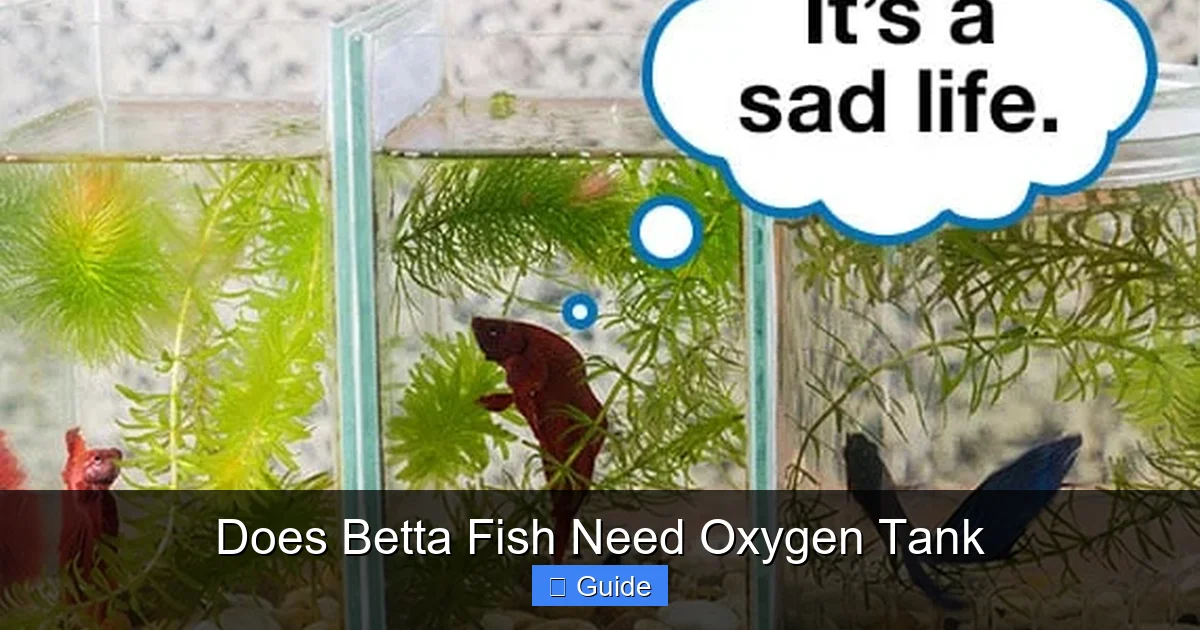
Visual guide about Does Betta Fish Need Oxygen Tank
Image source: fishlab.com
Factors That Deplete Oxygen Quickly
Several factors can drastically reduce the amount of oxygen available to your betta:
- Water Temperature: Warm water holds significantly less dissolved oxygen than cold water. Since bettas require tropical temperatures (78-80°F / 25.5-26.5°C), this inherently reduces the water’s oxygen capacity, making aeration even more critical.
- Stocking Density: More fish mean more organisms consuming oxygen and producing carbon dioxide and waste. A single betta in a 5-gallon tank has a vastly different oxygen demand than five fish in that same space.
- Organic Load: Decaying food, plant matter, and fish waste are broken down by bacteria. This biological process consumes large amounts of oxygen. A clogged filter or uneaten food rotting on the substrate creates oxygen “sinks.”
- Poor Water Movement: Still water has no mechanism for surface gas exchange. A stagnant surface acts like a lid, preventing oxygen from entering and CO2 from escaping.
Measuring Oxygen: You Can’t See It, But You Can Know It
Unlike ammonia or nitrite, you can’t test for dissolved oxygen with a standard aquarium test kit. Instead, you rely on indicators:
- Fish Behavior: Active, curious fish swimming throughout the tank indicate good oxygen. Fish gasping at the surface, hovering near filter outputs, or lethargically resting on the bottom are classic signs of hypoxia (low oxygen).
- Surface Activity: A calm surface with a slight shimmer of movement from a filter is ideal. A completely glassy, motionless surface is a warning sign. Bubbles from an air stone are visible but represent less efficient surface agitation compared to a gentle filter outflow.
- Water Clarity: While not a direct measure, clear water with no foul smell suggests a balanced biological load that isn’t overwhelming the oxygen supply.
Tank Setup Essentials: Creating an Oxygen-Rich Environment
So, does a betta need an oxygen tank—a separate cylinder of compressed oxygen? Absolutely not. What it needs is a properly configured aquarium that facilitates natural gas exchange. The cornerstone of this setup is a combination of adequate water volume and filtration.
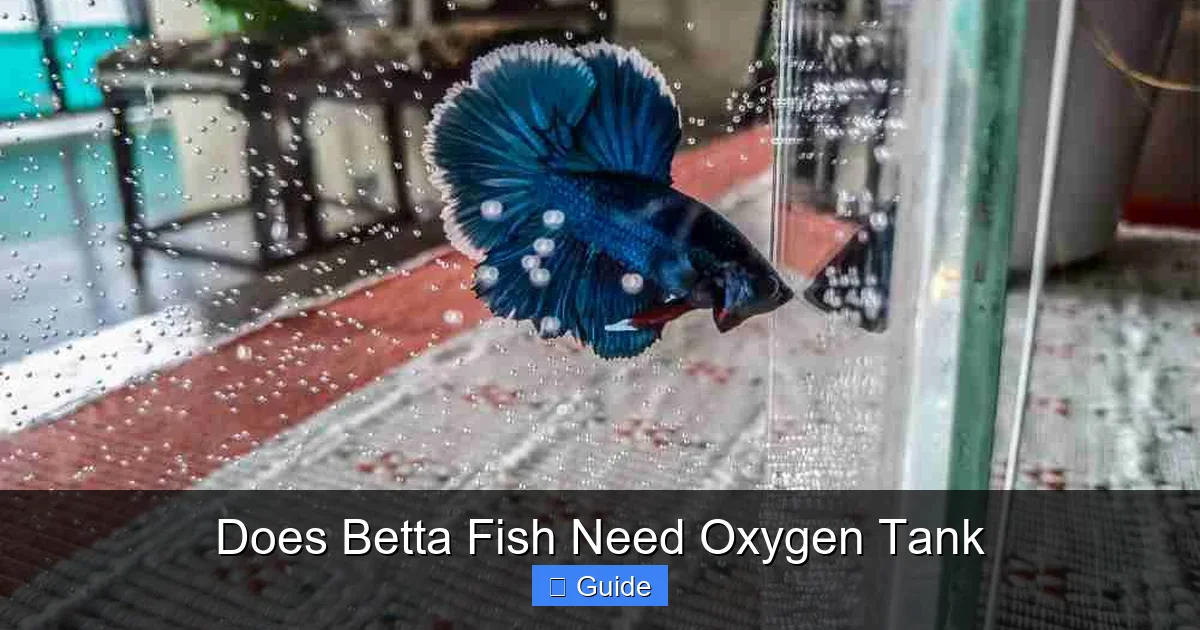
Visual guide about Does Betta Fish Need Oxygen Tank
Image source: fisharticle.com
The Unbeatable Importance of Tank Size
This is the first and most common mistake. A “betta bowl” is an ecological disaster. A small container has an extremely poor surface-area-to-volume ratio. There’s barely any surface for oxygen to enter, and the tiny volume of water becomes polluted very quickly from the betta’s own waste, consuming oxygen in the process. The absolute minimum recommended tank size for a betta is 5 gallons (19 liters). A 10-gallon (38-liter) tank is even better. This larger volume of water is more stable temperature-wise, dilutes toxins, and provides a much larger surface area for gas exchange, making it far easier to maintain healthy oxygen levels.
Filtration: Your Primary Tool for Aeration and Health
A filter is not optional. It performs three vital functions:
- Mechanical Filtration: Traps debris, uneaten food, and feces, removing the organic material that细菌 would decompose and consume oxygen.
- Biological Filtration: Provides surface area for beneficial bacteria colonies that convert toxic ammonia and nitrite into less harmful nitrate. A cycled filter prevents toxic spikes that stress fish and impair oxygen uptake.
- Aeration/Surface Agitation: This is the key to your oxygen question. As water exits the filter and returns to the tank, it disturbs the surface. This agitation breaks the water’s surface tension, massively increasing the area where gas exchange can occur. It’s like opening a window in a stuffy room.
Choosing the Right Filter: For a betta with its long, delicate fins, you need a filter with an adjustable flow. Sponge filters (powered by an air pump) are excellent—they provide gentle flow and superb biological filtration. Hang-on-back (HOB) or internal power filters with a spray bar or diffuser attachment are also great, as you can direct the flow to be calm. The goal is a gentle ripple on the surface, not a raging torrent that exhausts your betta.
When (and If) You Might Add an Air Pump
An air pump with an air stone creates bubbles, which do add some oxygen as they rise and burst at the surface. However, this is a less efficient method of aeration than surface agitation from a filter. Bubbles primarily oxygenate the water column as they rise, but the main gas exchange still happens at the surface. For a standard, filtered betta tank, an air pump is usually unnecessary. Situations where it might help include:
- A very warm room pushing tank temperatures above 82°F, where oxygen solubility is extremely low.
- A heavily stocked community tank with higher oxygen demand.
- A tank with a very quiet, non-agitating filter (like a sponge filter in a large, deep tank) where you want to boost surface movement.
- Never use an air pump in a small, unfiltered bowl as a “solution.” It does nothing to address the lack of biological filtration and the toxic waste buildup, which is a far deadlier problem than low oxygen alone.
Debunking Common Myths and Dangerous Practices
The pet industry has perpetuated several harmful myths about betta fish care, directly related to the oxygen question.
Visual guide about Does Betta Fish Need Oxygen Tank
Image source: m.media-amazon.com
Myth 1: “Bettas Can Live in Vases or Bowls Because They Breathe Air.”
This is the most dangerous myth. While they can gulp air, a vase is a sealed death trap. There is minimal surface area for gas exchange. The plant roots do not “oxygenate” the water; in fact, they decay and foul it. The betta is forced to survive on its labyrinth organ alone while slowly being poisoned by its own ammonia in the tiny, unfiltered volume. It’s a slow, stressful death.
Myth 2: “You Don’t Need a Filter for a Betta; They Like Still Water.”
Bettas come from waters that are slow-moving, not stagnant and polluted. “Still water” in nature is part of a vast, complex ecosystem with plants, insects, and natural filtration. A small, unfiltered container is a toxic soup. The “still water” preference refers to gentle flow, not the absence of water movement and filtration. A filter is essential for removing toxins that kill fish, regardless of oxygen levels.
Myth 3: “If I Add an Air Stone, My Betta Will Be Fine in a Small Tank.”
This addresses the symptom (low oxygen) but not the disease (poor water quality from lack of filtration and tiny volume). An air stone bubbling in a dirty, small bowl does not remove ammonia or nitrite. It provides a false sense of security while the betta’s gills are being burned by toxins, forcing it to rely on its air-gulping reflex. It’s a band-aid on a bullet wound.
The “Oxygen Tank” Misconception
Some beginners, after reading about the labyrinth organ, wonder if they need a literal oxygen tank like a scuba diver. This is completely unnecessary and impractical. The goal is to create an ecosystem where the water naturally holds and circulates enough dissolved oxygen. This is achieved through surface agitation from a filter in a properly sized tank. Adding compressed oxygen would be like using a firehose to water a houseplant—overkill and damaging.
Advanced Care: Optimizing for Your Betta’s Specific Needs
Once you have the fundamentals (tank size, filter, heater), you can fine-tune the environment for maximum health and vibrancy.
The Role of Live Plants
Live aquatic plants are a fantastic addition to a betta tank. They provide hiding places, reduce stress, and during the day, they photosynthesize, releasing a small amount of oxygen into the water. More importantly, they absorb nitrates (the end product of the nitrogen cycle) and compete with algae. Plants like Java fern, Anubias, and floating plants (e.g., frogbit, dwarf water lettuce) are betta favorites. The floating plants also provide shade and security, mimicking the surface cover of their natural habitat. However, do not rely on them for primary oxygenation—their contribution is minor compared to surface agitation.
Water Changes and Maintenance
Even with a filter, regular water changes are essential. They physically remove nitrate, solid waste, and any other dissolved organics that contribute to oxygen demand. A 25-50% water change weekly, using a dechlorinator, is standard. This dilutes any pollutants and refreshes the water’s mineral content, helping to stabilize pH and other parameters that affect oxygen solubility.
Temperature Management
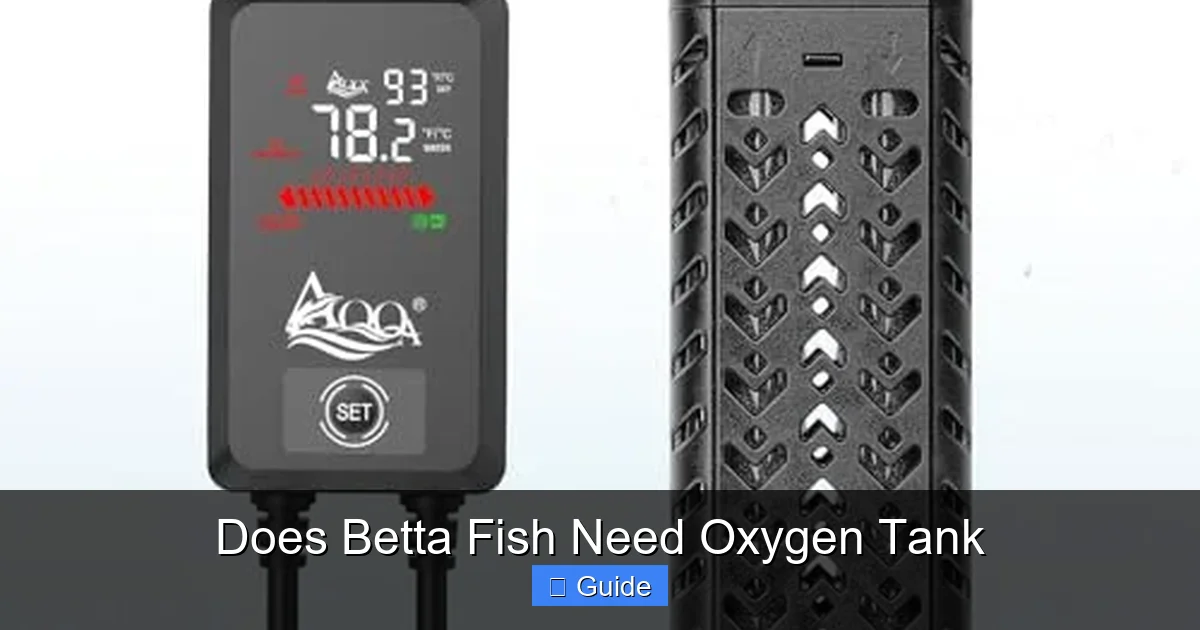
Use a reliable aquarium heater and a thermometer. Keep the temperature stable between 78-80°F. Avoid placing the tank in direct sunlight (which causes dangerous temperature swings and algae blooms) or near air conditioning vents (which can chill the water). As mentioned, warmer water holds less oxygen, so a stable, correct temperature combined with good filtration is your best strategy.
Recognizing and Responding to an Oxygen Emergency
If you see your betta gasping at the surface, act immediately:
- Check the filter: Is it running? Is it clogged? Clean or rinse the filter media in old tank water (never tap water, which kills beneficial bacteria).
- Increase surface agitation: If your filter has a flow adjustment, turn it up slightly. You can also use a cup to gently pour tank water from a height back into the aquarium, creating temporary splashing and aeration.
- Perform a partial water change: 30-50% with temperature-matched, dechlorinated water. Fresh water has a higher oxygen content.
- Check water temperature: If it’s too high, that’s your problem. Use a fan to blow across the surface or an ice bottle (sealed!) placed in the filter to cool it slightly.
- Test water parameters: Immediately test for ammonia and nitrite. Any detectable levels are toxic and require urgent action (water changes, potential use of a water conditioner that detoxifies ammonia).
- Do NOT add an air pump as the first step if the filter is off. Get the filter running first, as it addresses both aeration and waste removal.
Conclusion: The Final Answer to Your Oxygen Question
So, does a betta fish need an oxygen tank? The definitive, practical answer is no. What your betta needs is a properly sized, heated, and filtered aquarium. The labyrinth organ is a remarkable evolutionary gift that allows bettas to survive in conditions that would kill other fish, but it is not a license to provide substandard care. Your goal as a keeper is to create an environment where your betta never has to rely on that backup system. By providing a minimum of 5 gallons of clean, warm water with gentle surface agitation from a suitable filter, you are ensuring a constant supply of dissolved oxygen, removing toxic wastes, and mimicking a healthy slice of their natural habitat. You are providing not just survival, but the opportunity for your betta to flare beautifully, build bubble nests, and display its full, fascinating personality for years to come. Forget the oxygen tank; invest in the right tank setup, and you’ll have a healthy, happy, and brilliantly colored companion.
Frequently Asked Questions
Can a betta fish survive without a filter if I use an air pump?
No. An air pump only adds some oxygen; it does not remove toxic ammonia and nitrite from the fish’s waste. Without a filter, these toxins will rapidly build up and poison your betta, even if oxygen levels are momentarily high. Filtration is essential for waste removal.
My betta is always at the surface gulping air. Is this normal?
No, this is a sign of distress. While all bettas occasionally gulp air, constant surface breathing indicates low dissolved oxygen in the water, poor water quality damaging the gills, or high water temperature. You must check your filter flow, perform a water test, and ensure your tank is properly sized and cycled.
Do I need a special “betta” filter?
You need a filter with an adjustable, gentle flow. Sponge filters are ideal for bettas. Many internal or hang-on-back filters work well if you can set the output to a low setting or attach a spray bar to diffuse the current. The key is clean water with minimal stress from strong currents.
Will live plants oxygenate the water enough so I don’t need a filter?
No. While plants do produce oxygen during the day, they consume it at night. Their oxygen production is minimal compared to the needs of a fish and cannot compensate for the lack of mechanical and biological filtration. A filter is still absolutely required.
Is a 2.5-gallon tank okay for a betta if I have a strong filter and air stone?
It is still below the recommended minimum. While better than a bowl, a 2.5-gallon tank is very small and water parameters can fluctuate wildly. A 5-gallon tank provides a much more stable, healthy, and spacious environment that is easier to maintain with proper oxygen levels and water quality.
My apartment is very warm. Do I need extra aeration for my betta tank?
Yes, warm water holds less oxygen, so aeration becomes more important. Ensure your filter is creating good surface agitation. You can also consider adding a small, gentle air stone with a very quiet air pump to supplement, but the primary focus should be on keeping the temperature at the ideal 78-80°F and not exceeding it.