Why Are Betta Fish Kept in Small Cups

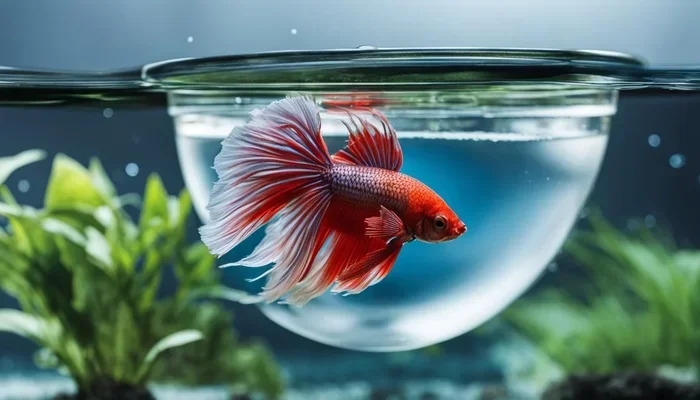
Betta fish are kept in small cups for several reasons, including tradition, cost savings, and the belief that bettas can thrive in tiny spaces. However, this practice is increasingly debated among fish keepers who argue that small containers limit betta health and happiness. Understanding why this happens is the first step toward giving your betta a better life.
Why are betta fish kept in small cups? It is a question that every new betta owner asks at some point. You walk into a pet store and see dozens of bright, colorful fish floating in tiny plastic cups. It looks harmless. But is it really okay for the fish?
The truth is more complicated than most people think. Bettas have been kept in small containers for a very long time. But that does not mean it is the best choice for them. In this guide, we will explore the real reasons behind this practice, what it means for your fish, and what you can do to give your betta a happier, healthier home.
## The History Behind Keeping Bettas in Small Cups
Betta fish, also known as Siamese fighting fish, come from Southeast Asia. People in countries like Thailand, Cambodia, and Vietnam have kept bettas for hundreds of years. Originally, they were bred for fighting, and the fish were kept in small jars and cups. This tradition stuck around long after the fighting stopped.
### Why Tradition Still Matters
Even today, many pet stores follow the old habit of displaying bettas in small cups. It is what their suppliers have always done. Store owners may not question it because it is how they learned the business. The practice feels normal, even though we now know more about fish care.
### The Role of Pet Stores
Pet stores keep bettas in small cups for practical reasons. Cups take up less shelf space. They are cheaper to buy and replace. And they make it easy to display many fish at once. But these reasons are all about convenience, not about what is best for the fish.
## Why Do People Keep Bettas in Small Cups?
There are several reasons why betta fish end up in small cups. Let us break them down so you can see the full picture.
### 1. The Labyrinth Organ
Bettas have a unique breathing organ called the labyrinth organ. This lets them breathe air from the surface of the water. Most fish rely only on their gills to get oxygen. Bettas can gulp air and absorb oxygen that way.
This is why people think bettas can live in tiny amounts of water. They survive in cups where other fish would die. But surviving is not the same as thriving. A betta in a small cup may live, but it will not live its best life.
### 2. Cost and Space Savings
Small cups cost very little. A store can buy hundreds of them for a small price. They also take up very little room. A shelf full of cups can hold dozens of fish. For stores with limited floor space, this makes sense from a business point of view.
### 3. Easy Monitoring
When fish are in individual cups, store workers can watch each one closely. They can spot sick fish quickly. They can remove dead fish without disturbing others. This makes the job of managing a large stock easier.
### 4. Buyer Expectations
Many people who buy bettas expect them to live in small bowls. They have seen bettas in cups their whole lives. They do not realize that a bigger tank would be much better. This lack of knowledge keeps the demand for small containers alive.
## The Real Impact on Betta Fish Health
Keeping a betta in a small cup or bowl can cause real problems. Let us look at what happens to these fish when they live in tiny spaces.
### Stress and Behavioral Issues
Bettas are active fish. They like to explore and swim around. In a small cup, they have nowhere to go. This can make them stressed and bored. A stressed betta may stop eating, hide, or become aggressive. You might notice your betta staying in the top corner of its container, which is a sign of discomfort.
### Poor Water Quality
In a small cup, water quality drops fast. Waste builds up quickly. Ammonia levels spike. Even if you change the water often, it is hard to keep conditions stable. Cloudy water in a betta tank is often a sign of poor maintenance in small containers.
### Stunted Growth and Shorter Lifespan
Bettas kept in small cups often grow more slowly than those in larger tanks. They may also live shorter lives. A well-cared-for betta can live 3 to 5 years, sometimes longer. But a betta stuck in a tiny cup might only make it a year or two.
### Fins and Physical Health
Small containers can also affect a betta’s fins. Poor water quality leads to fin rot and other health issues. If you notice your betta’s gills sticking out or its fins looking thin, the living conditions may be to blame.
## Can Betta Fish Live in Small Bowls or Cups?
This is the big question. And the honest answer is yes, but with serious caveats.
### Survival vs. Thriving
A betta can survive in a small cup. It has the labyrinth organ to help it breathe. It can handle small amounts of water for a short time. But surviving and living well are two very different things.
Think of it like living in a tiny closet. You can breathe. You can survive. But you would not want to live like that forever. Your betta feels the same way.
### What the Experts Say
Most fish care experts agree that bettas need at least a 5-gallon tank. Some say even bigger is better. A larger tank gives the fish room to swim, explore, and stay healthy. It also makes it easier to keep the water clean and stable.
If you want to learn more about whether bettas can live in small spaces, check out this article on are betta fish okay with small spaces.
### The Role of Small Bowls in Betta Keeping
Small bowls have been the go-to home for bettas for decades. Many people still use them. But the trend is shifting. More fish keepers are moving toward larger tanks. The reason is simple: bigger tanks mean healthier, happier fish.
If you are considering getting a betta, or if you already have one in a small cup, it is worth reading about whether betta fish are okay in bowls to understand the full picture.
## Better Alternatives to Small Cups
The good news is that you do not have to keep your betta in a tiny cup. There are much better options that are not even expensive or hard to manage.
### The 5-Gallon Tank
A 5-gallon tank is the minimum recommended size for a single betta. It gives the fish enough room to swim and explore. It is also easy to set up with a filter and heater.
### Larger Tanks
If you have space, a 10-gallon or 20-gallon tank is even better. More water means more stable conditions. It also gives you room to add plants and decorations, which make your betta feel more at home.
### Planted Tanks
Live plants are great for bettas. They provide hiding spots, improve water quality, and make the tank look beautiful. Bettas love to rest on broad leaves, like those of orchids and other plants.
### Heaters and Filters
Bettas need warm water, ideally between 78 and 80 degrees Fahrenheit. A small heater keeps the temperature steady. A gentle filter keeps the water clean without creating too much current. Bettas are not strong swimmers, so a slow filter is best.
## Common Mistakes People Make with Small Cups
Even well-meaning betta owners make mistakes. Here are the most common ones to avoid.
### Not Changing Water Often Enough
In a small cup, water quality drops fast. You should change at least 50 percent of the water every few days. Waiting too long between changes can harm your fish.
### Overfeeding
Bettas in small cups often get overfed. Leftover food rots quickly in tiny amounts of water. This spikes ammonia levels fast. Feed your betta only what it can eat in 2 minutes, once or twice a day.
### Ignoring Temperature
Small cups are very sensitive to temperature changes. A cold room can make the water too chilly for your betta. Keep the cup or tank in a warm spot, away from drafts and direct sunlight.
### Keeping Two Males Together
Male bettas are aggressive. They cannot be kept in the same small space. If you put two males in one cup, they will fight. This can lead to serious injury or death. Learn more about why male betta fish are kept separate.
## Quick Tips for Better Betta Care
Here are some fast tips to improve your betta’s living conditions:
- Upgrade to at least a 5-gallon tank if your betta is currently in a cup or bowl.
- Add a gentle filter to keep the water clean without strong currents.
- Use a heater to maintain a steady temperature of 78 to 80 degrees Fahrenheit.
- Change the water regularly, at least 25 to 50 percent every week.
- Add live plants for natural hiding spots and better water quality.
- Feed small amounts once or twice a day to avoid water contamination.
- Watch for signs of stress like clamped fins, loss of color, or staying in one spot.
## Expert Insights on Betta Fish Housing
Fish keepers and veterinarians agree that small cups are not ideal for bettas. Dr. Richmond Loh, a fish veterinarian, has spoken about how even though bettas can survive in small volumes of water, their well-being suffers greatly. They become prone to diseases, show abnormal behaviors, and have shorter lifespans.
The key takeaway is this: your betta deserves more than a cup. With a little effort and a small investment, you can give it a home where it can truly thrive.
## Conclusion
So why are betta fish kept in small cups? Tradition, convenience, and lack of awareness all play a role. But the truth is that bettas need more space to live healthy, happy lives. A small cup may keep your fish alive, but it will not help it flourish.
If you care about your betta, consider upgrading its home. Even a small 5-gallon tank can make a huge difference. Your fish will be more active, more colorful, and more alive. And you will enjoy watching it so much more.
The choice is yours. Give your betta the space it deserves, and you will both be rewarded with years of beauty and companionship.
Key Takeaways
- Historical Tradition: Keeping bettas in small cups dates back centuries in Southeast Asia and remains common in pet stores today.
- Cost and Convenience: Small cups are cheaper to maintain and take up less space, which appeals to both sellers and buyers.
- Betta Fish Biology: Bettas have a special organ called the labyrinth that allows them to breathe air, which helps them survive in low-oxygen water.
- Health Risks Exist: Small cups can lead to stress, poor water quality, stunted growth, and shorter lifespans for bettas.
- Better Alternatives Are Available: Even a 5-gallon tank dramatically improves a betta’s quality of life and lifespan.
- Education Is Key: Many buyers don’t know bettas need more space, and awareness is growing thanks to online resources and responsible fish keepers.
Frequently Asked Questions
Why do pet stores keep betta fish in small cups?
Pet stores keep bettas in small cups because they are cheap, take up little space, and make it easy to display many fish at once. It is also a long-standing tradition in the fishkeeping industry that has not changed quickly even as we learn more about better fish care.
Can a betta fish live in a small cup forever?
A betta can survive in a small cup, but it will not thrive. Small cups lead to poor water quality, stress, and a shorter lifespan. For the best results, upgrade to at least a 5-gallon tank where your betta can swim and explore freely.
How often should you change water in a betta cup?
You should change at least 50 percent of the water in a betta cup every two to three days. Small volumes of water get dirty fast, and regular changes are essential to keep ammonia and nitrate levels safe for your fish.
Are betta fish okay in bowls instead of cups?
Bowls are slightly better than cups because they hold more water, but they still have many of the same problems. A bowl without a filter or heater can quickly become an unhealthy environment. A properly equipped 5-gallon tank is always the better choice.
Do betta fish like small spaces?
Bettas can tolerate small spaces better than many other fish because of their labyrinth organ. But they do not prefer them. Bettas are active swimmers and enjoy exploring. A larger tank with plants and decorations gives them the enrichment they need to stay healthy and happy.
What is the smallest tank size recommended for a betta fish?
The smallest tank size recommended for a single betta is 5 gallons. This gives the fish enough room to swim, stable water conditions, and space for a filter and heater. Anything smaller makes it much harder to maintain good water quality and can shorten your betta’s life.