Does Betta Fish Like Sunlight

Contrary to popular belief, betta fish do not thrive under direct sunlight. While they originate from sunny climates, their natural habitat provides dappled shade from dense vegetation. In captivity, direct sun exposure risks overheating, algae blooms, and chronic stress. Instead, bettas prefer consistent, low-intensity artificial lighting that mimics their Southeast Asian riverine homes. Proper lighting management is crucial for your betta’s health, vibrancy, and overall well-being.
So, you’ve brought home that beautiful, flowing betta fish with its dramatic fins and vibrant colors. You want to do everything right. You’ve set up a cozy tank, picked the perfect food, and now you’re wondering about lighting. It seems logical—betta fish come from Thailand, a sunny place. Surely they love sunlight, right? It’s one of the most common questions new betta owners ask, and the answer might surprise you. The short version is: no, betta fish do not like or need direct sunlight in their aquarium. In fact, exposing your betta to direct sun is one of the fastest ways to create serious problems. But it’s not that simple. Understanding why requires a little trip into the betta’s natural world and the science of light in a closed glass box. Let’s clear up the myths and get your betta living its best, most colorful life under the right kind of glow.
Key Takeaways
- Bettas avoid direct sun in the wild: In their natural habitat, bettas swim under dense vegetation that filters sunlight, creating dappled, low-intensity light.
- Direct sunlight is dangerous: It causes rapid temperature spikes, fuels explosive algae growth, and leads to chronic stress and faded colors in captive bettas.
- Consistency is critical: Bettas thrive on a predictable 8-10 hour light cycle, mirroring natural day/night rhythms for proper rest and hormone regulation.
- Artificial light is the solution: A low-wattage, full-spectrum LED bulb on a timer provides safe, controllable illumination without the risks of the sun.
- Observe your fish: Hiding, lethargy, or clamped fins are signs your lighting is too bright; adjust immediately based on your betta’s behavior.
- Total darkness at night is essential: Bettas, like all animals, require a solid period of darkness for deep sleep and physiological recovery.
- Tank placement matters: Even indirect window light can be too strong; position tanks away from direct sunbeams and use sheer curtains to diffuse light.
📑 Table of Contents
- Understanding Your Betta’s Natural Habitat: It’s Not a Sunny Beach
- The Dangers of Direct Sunlight: A Cascade of Problems
- Artificial Lighting: The Safe and Effective Alternative
- Creating the Ideal Light Cycle: The 8-10 Hour Golden Rule
- Special Considerations for Different Betta Setups
- Signs Your Betta Is Stressed by Light (And How to Fix It)
- Conclusion: Lighting is a Tool for Wellness, Not Just Illumination
Understanding Your Betta’s Natural Habitat: It’s Not a Sunny Beach
To figure out what your betta wants, we need to look at where it comes from. Betta splendens, the fancy betta you buy at the pet store, is native to the shallow, slow-moving waters of Southeast Asia—think rice paddies, drainage ditches, and the warm, murky backwaters of Thailand, Cambodia, and Vietnam. It’s a tropical environment, yes, but it’s not a sun-drenched open waterway.
The Shaded, Dappled World of the Wild Betta
Picture this: a shallow, tea-colored pond choked with aquatic plants like water hyacinth and duckweed. The water is warm, often over 80°F (27°C), and heavily stained with tannins from decaying leaves, making it dark and acidic. Above, a dense canopy of rice plants or jungle foliage creates a filter. The sunlight that pierces through doesn’t hit the water in a direct beam. Instead, it’s broken into thousands of shifting, dappled patches of light and shadow. The betta, an ambush predator, uses this dim, filtered environment to its advantage. It lurks under leaf litter and plant cover, waiting for insects to fall into the water. Its world is one of moderate, indirect light, not blazing sunshine. This is the key: wild bettas are adapted to low to moderate light levels filtered through heavy vegetation. They are not creatures of the open, sunlit surface.
How Captivity Changes the Equation
Now, put that same fish in a small, clear glass tank. The tank walls are transparent, the water is often clear, and there’s no plant cover to diffuse the light. If you place this tank in a spot where the sun shines directly on it, you’ve completely altered the lighting environment. You’ve taken a fish used to dappled shadows and subjected it to a concentrated, intense beam of light that can turn its tank into a solar oven. This mismatch between instinct and environment is the root of all sunlight-related problems for pet bettas. They are not evolutionarily equipped to handle that kind of unfiltered, high-intensity exposure.
The Dangers of Direct Sunlight: A Cascade of Problems
Let’s be very clear: placing your betta tank in direct sunlight is a recipe for disaster. It’s not just a minor inconvenience; it actively works against your fish’s health. The problems happen quickly and reinforce each other, creating a toxic cycle.
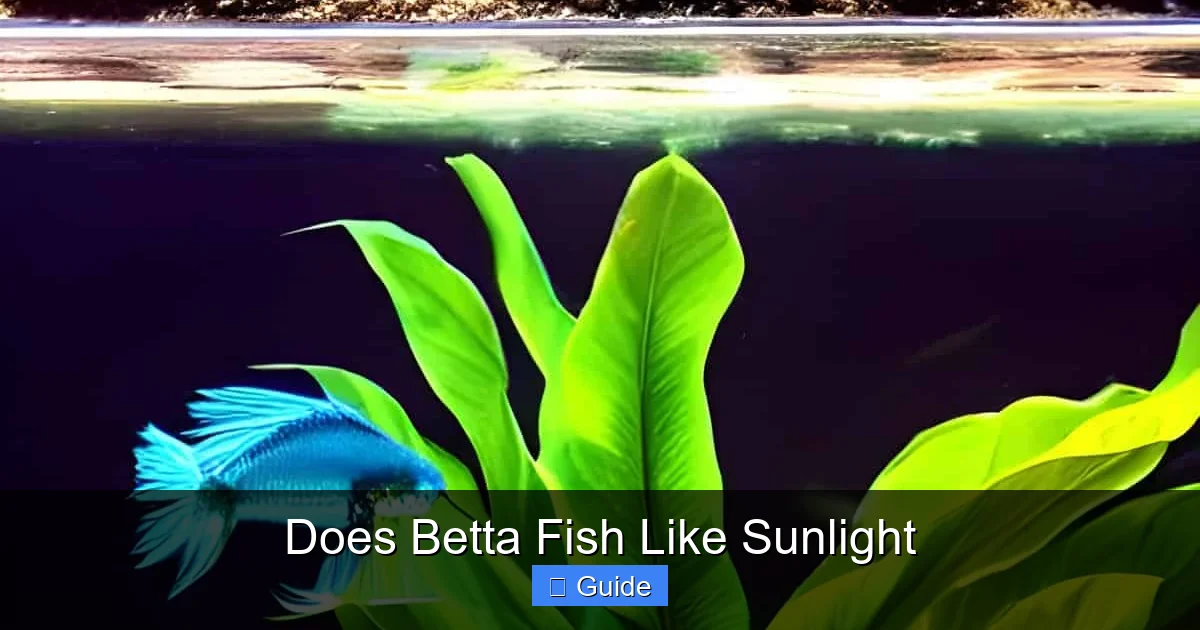
Visual guide about Does Betta Fish Like Sunlight
Image source: tankofish.com
1. Overheating and Temperature Swings
Glass tanks are fantastic at trapping heat, acting much like a greenhouse. A few hours of afternoon sun can raise the water temperature by 5-10 degrees Fahrenheit in a small tank. Bettas are tropical fish and prefer a stable temperature between 76-82°F (24-28°C). Rapid temperature swings are incredibly stressful. Heat stress weakens their immune system, making them susceptible to diseases like fin rot or dropsy. It also speeds up their metabolism, causing them to burn energy faster and potentially leading to premature aging. In extreme cases, it can simply cook them. Unlike the stable, shaded waters they come from, your sunny windowsill provides no thermal buffer.
2. Algae Blooms: The Green Invasion
Sunlight is the ultimate fertilizer for algae. Combine direct sun with a betta tank (which has waste nutrients from food and fish) and you have the perfect storm for a explosive algae bloom. Green water, hair algae coating the glass and decorations, and surface scum will appear seemingly overnight. While some algae is natural, a bloom indicates poor water quality. Algae consumes oxygen at night, which can suffocate your betta. Decomposing algae also produces harmful toxins. Cleaning algae is a constant chore, and the chemical treatments used to control it can harm your sensitive betta. This isn’t just an aesthetic issue; it’s a direct threat to water quality and fish health.
3. Chronic Stress and Faded Colors
Imagine being forced to sit under a blinding spotlight all day with no way to escape. That’s what direct sun is for a betta. This causes immense, chronic stress. A stressed betta will exhibit clear signs: it will hide constantly, often at the bottom of the tank, refuse to flare (a natural behavior), and may become lethargic. Perhaps the most telling sign for a betta owner is color loss. Betta fish are famous for their brilliant reds, blues, and greens. Stress hormones can cause these colors to pale significantly, making your fish look dull and washed-out. This is a direct visual cue that its environment is wrong. Prolonged stress also suppresses the immune system, opening the door for a host of secondary infections.
4. Increased Aggression and Territorial Behavior
The intense, unvarying light of direct sun can also make some bettas more irritable and aggressive. Bettas are already territorial, but constant glare can heighten this. You might see your normally peaceful betta flaring at its own reflection in the glass more frequently, or displaying aggressive postures toward tank mates or decorations. This nervous energy is a sign of an uncomfortable environment. In the wild, betta territories are defined by dense plant cover and shaded areas, not open, brightly lit spaces.
Artificial Lighting: The Safe and Effective Alternative
Okay, so direct sun is out. But your betta still needs light to see, maintain its circadian rhythm, and if you have live plants, for photosynthesis. The answer is a carefully controlled artificial lighting setup. This gives you the power to provide the perfect amount of light—no more, no less—without any of the dangerous side effects of the sun.

Visual guide about Does Betta Fish Like Sunlight
Image source: dsflyfishing.com
Choosing the Right Bulb: Full-Spectrum LED is King
Forget the old, hot fluorescent tubes. Today, the best choice for any small betta tank is a low-wattage, full-spectrum LED aquarium light. “Full-spectrum” means the bulb emits light across the visible spectrum, similar to natural daylight. This is important for two reasons: it accurately renders your betta’s stunning colors (making reds pop and blues shine), and if you have live plants, it provides the photosynthetically active radiation (PAR) they need to grow. For a standard 5-gallon betta tank, a light rated between 5-10 watts is more than sufficient. You want illumination, not a spotlight. Many clip-on or hood-mounted LED lights come with adjustable brightness settings, which is a fantastic feature for fine-tuning.
Intensity and Placement: It’s All About Diffusion
Even with a low-wattage LED, the light can be too direct. The goal is to create a soft, even glow, not a laser beam. If your light fixture is very close to the water surface, consider raising it slightly if possible, or using a dimmer to lower the output. Another excellent trick is to add floating plants like Salvinia or Duckweed. These plants float on the surface and create a beautiful, natural canopy that diffuses the light, mimics the betta’s wild habitat, and gives your fish a place to rest and feel secure. Silk or plastic plants that reach the surface can also help break up the light path. The water should be clearly visible, but you shouldn’t see harsh, defined beams of light cutting through it.
Mimicking Natural Rhythms: The Dawn and Dusk Effect
In the wild, light changes gradually. Sunrise isn’t a sudden switch-on; it’s a slow brightening. Sunset is a slow dimming. You can replicate this with modern LED lights that have built-in ramp-up and ramp-down features, or with a simple timer and a smart plug. Setting your light to turn on gradually over 30-60 minutes in the “morning” and dim slowly in the “evening” does wonders for your betta’s stress levels. It signals the start and end of the day in a gentle, natural way, helping to regulate its internal clock and cortisol (stress hormone) levels. This small touch makes a huge difference in creating a truly naturalistic and calming environment.
Creating the Ideal Light Cycle: The 8-10 Hour Golden Rule
Once you have the right light, the next critical factor is the schedule. How long should the light be on? The consensus among betta and aquatic experts is a consistent 8 to 10 hours per day. This is the sweet spot that provides enough light for viewing and plant health (if applicable) while allowing for a sufficient dark period.
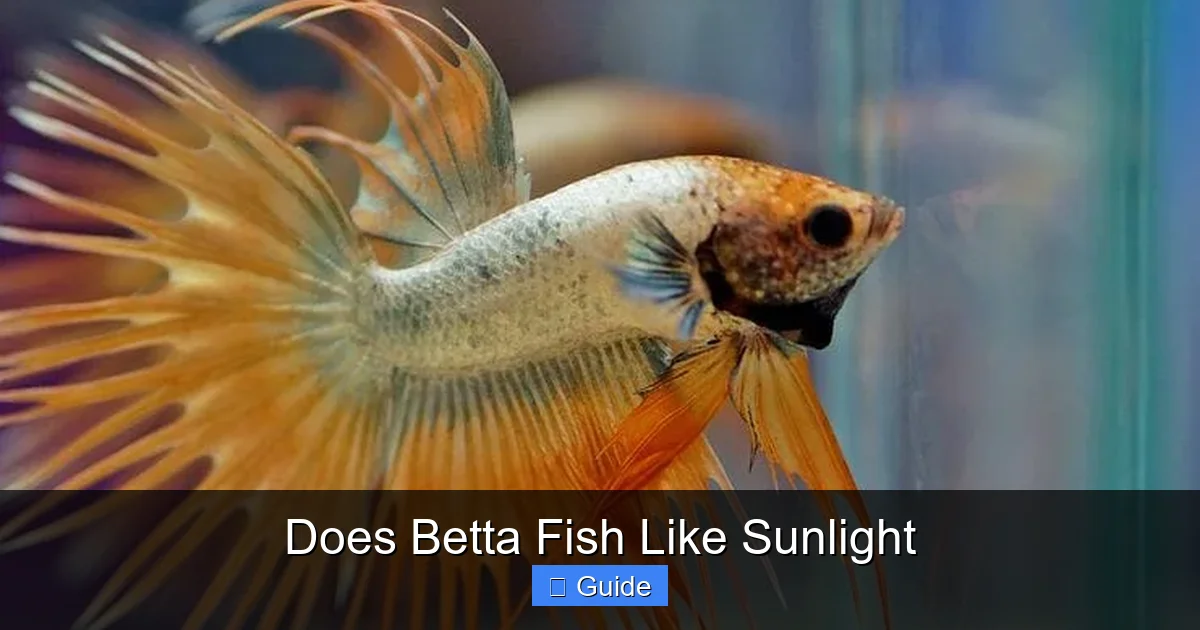
Visual guide about Does Betta Fish Like Sunlight
Image source: hometanks.com
Why Consistency Trumps Duration
The number of hours is important, but consistency is absolutely vital. Bettas, like all animals, thrive on routine. An erratic light schedule—leaving the light on for 14 hours one day and 6 the next—confuses their biological rhythms. This can lead to sleep deprivation, increased stress, and hormonal imbalances. You must pick a schedule and stick to it, every single day. This is why a simple plug-in timer is non-negotiable equipment for a betta tank. It costs a few dollars and removes all human error from the equation. Set it once and forget it.
The Non-Negotiable Importance of Total Darkness
The 8-10 hour light period implies 14-16 hours of darkness. This dark period is not optional. During darkness, bettas, like humans, produce melatonin, the hormone that regulates sleep-wake cycles. They need this deep, uninterrupted rest for cellular repair, immune function, and overall health. A betta that is subjected to light 24/7 will become chronically sleep-deprived. You might see it resting on the bottom or on a leaf during the day, which is a sign it’s trying to catch up on lost sleep. Always ensure your tank is in a room where you can control the light at night. No streetlights or bright hallways should be shining into the tank during its sleep cycle.
Practical Timer Setup: A Step-by-Step Guide
1. Choose Your Timer: A basic mechanical outlet timer is perfectly fine. Digital or “smart” timers offer more flexibility.
2. Determine Your “Day”: Pick a start time that works with your household schedule. Many people sync it with their own wake-up time (e.g., light on at 7 AM, off at 5 PM).
3. Program It: Set the “on” and “off” times to give you exactly 9 hours of light.
4. Test It: For the first few days, observe the tank at the scheduled on/off times to ensure it’s working correctly.
5. Stick to It: Never deviate. Even on weekends, keep the same schedule. Your betta’s circadian rhythm doesn’t know it’s Saturday.
Special Considerations for Different Betta Setups
Not all betta tanks are created equal. Your specific setup might require slight adjustments to the general lighting rules.
The Tank Near a Window: A Tricky Situation
Many people want to place their betta tank on a desk or shelf near a window for viewing pleasure. This is the most common path to a sunlit disaster. If you must have the tank in a room with windows, you must be ruthless about managing the light.
- Position is everything: Place the tank so that it never, ever receives direct sunbeams. North-facing windows in the Northern Hemisphere (or south-facing in the Southern Hemisphere) often provide the gentlest, most indirect light.
- Use window coverings: Sheer curtains or blinds are your best friends. Keep them drawn during the brightest parts of the day to diffuse any strong natural light.
- Rely on your artificial light: Treat your artificial light as the primary, and essentially only, light source. Turn it on your scheduled timer regardless of how bright the room is from the window. You may find you need to run your artificial light for fewer hours (closer to 8) on very bright days, but consistency in timing is still key.
- Monitor temperature: Window-side tanks are prone to temperature swings. Use a reliable aquarium thermometer and be prepared to adjust your heater or move the tank if temperatures creep too high.
Planted Tanks vs. Bare Tanks
If you’re keeping live plants with your betta (a great idea for water quality and enrichment), their light needs become a factor. Low-light plants like Anubias, Java Fern, and Marimo moss balls thrive under the same low-intensity LED light perfect for a betta. You don’t need to increase brightness or duration. However, if you want to keep medium or high-light plants (like certain stem plants), you might need a slightly more powerful fixture. This creates a conflict, as higher light increases algae risk. The solution is to choose plants that match the betta-friendly low-light environment. This creates a harmonious, low-maintenance ecosystem where both fish and plants are happy. For a bare tank with only silk plants, you have even more flexibility to keep the light very low and short.
Special Note: Breeding and Fry (Baby Bettas)
Breeding bettas and raising fry (babies) have slightly different lighting needs. A breeding pair is often kept in a separate, smaller tank. Here, slightly dimmer lighting can help reduce aggression between the male and female and encourage spawning behavior. For the tiny fry, light is kept very low initially, as their eyes are extremely sensitive. As they grow, the light can be increased very gradually to normal levels. The principle remains: avoid any direct sun, use a timer, and watch the fry’s behavior. If they cluster at the bottom or hide, the light is too bright.
Signs Your Betta Is Stressed by Light (And How to Fix It)
Your betta is a great communicator if you know what to look for. Poor lighting choices will send clear distress signals. Here’s your diagnostic checklist.
Behavioral Red Flags
- Constant Hiding: If your betta spends all day tucked behind a filter, under a decoration, or in a corner, it’s seeking darkness. The light is too intense.
- Lethargy at the Bottom: While bettas rest, they should be alert and active when awake. If it’s listless, sinking to the bottom, and not exploring, stress is likely.
- Excessive Flaring at Reflections: A betta that spends hours flaring at its own reflection in the glass is often overstimulated and stressed by its environment, including excessive light.
- Glass Surfing: Repeatedly swimming up and down the glass can be a sign of stress, boredom, or poor water conditions—often exacerbated by bad lighting.
Physical Symptoms
- Faded or Dull Colors: This is the classic sign. A vibrant betta that suddenly looks pale, gray, or muted is almost certainly stressed.
- Clamped Fins: Fins held tightly against the body, rather than flowing gracefully, indicate stress or illness.
- Loss of Appetite: A betta that ignores food or eats very little is not feeling well.
- Rapid Gill Movement: Gills moving very quickly, even when the fish is resting, can indicate stress or poor water quality (which light issues contribute to).
Your Action Plan: How to Adjust
If you see these signs, don’t panic. The fix is usually straightforward.
- Immediately reduce light intensity. If your LED has a dimmer, turn it down. If not, create more shade by adding floating plants or moving decorations to block some light.
- Shorten the photoperiod. Temporarily reduce the timer to 6-7 hours for a week to see if behavior improves. You can slowly increase back to 8-10 hours.
- Double-check for sunlight. Trace the sun’s path in your room throughout the day. Is a beam hitting the tank for an hour in the afternoon? Move the tank or block the window.
- Test your water. Algae problems from past sun exposure may have degraded water quality. Perform a partial water change (25-30%) and test for ammonia, nitrite, and nitrate.
- Be patient. It can take a week or two for a stressed betta to regain its color and vitality once the stressor is removed.
Conclusion: Lighting is a Tool for Wellness, Not Just Illumination
The question “does betta fish like sunlight?” opens the door to understanding one of the most critical aspects of betta husbandry. The answer is a firm no, but the reasoning is nuanced. Your betta’s ancestors lived in a world of soft, filtered shadows, not harsh, direct beams. By replicating that dappled, moderate light environment with a low-wattage, full-spectrum LED on a strict 8-10 hour timer, you are doing far more than just helping your fish see. You are regulating its sleep cycle, reducing stress hormones, preventing dangerous temperature swings and algae catastrophes, and providing the conditions for its natural colors to flourish. Lighting is not an afterthought; it is a fundamental pillar of a healthy aquarium ecosystem. Treat it with the same care you give your filtration and heating. Observe your fish, adjust based on its behavior, and remember: in the betta’s world, gentle and consistent always wins over bright and constant. Your reward will be a active, curious, and spectacularly colored companion that thrives for years.
Frequently Asked Questions
Can I place my betta tank in a sunny spot if I monitor the temperature?
No. Even if you control temperature with a strong chiller (which is impractical for most), the direct UV radiation and intense light will still cause algae blooms and chronic stress. The sun’s intensity is too variable and powerful to manage safely. Always choose a spot with no direct sun.
Do bettas need light at night?
Absolutely not. Bettas require 14-16 hours of complete darkness for proper rest and melatonin production. Any light at night, even from a nightlight or TV, can disrupt their sleep cycle and cause stress. Ensure their room can be fully dark during their sleep period.
What type of aquarium light bulb is best for a betta?
A low-wattage (5-10W for a 5-gallon tank), full-spectrum LED light is the ideal choice. It provides efficient, cool illumination that accurately renders colors without generating dangerous heat. Avoid bright, high-intensity lights or old-style incandescent bulbs that heat the water.
How many hours of light should a betta have per day?
Aim for a consistent 8 to 10 hours of light per day, using a timer. This mimics a natural day/night cycle and prevents stress from over-illumination or sleep deprivation. Never exceed 12 hours.
Do bettas sleep in the dark?
Yes. Bettas are diurnal (active during the day) and require a solid period of darkness to enter a true state of rest, which is often referred to as sleep. During this time, they may rest on the bottom, on a leaf, or in a hideout. Darkness is essential for their health.
Can sunlight help prevent diseases like dropsy or fin rot in bettas?
No, this is a dangerous myth. Sunlight does not prevent disease; it causes the stress and poor water quality (via algae and temperature swings) that make bettas more susceptible to disease. Proper water quality, stable temperature, a balanced diet, and correct lighting are the real disease preventatives.