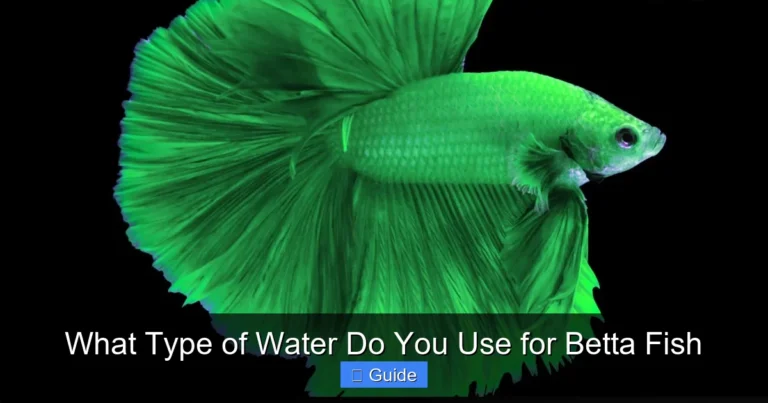
Can Betta Fish and Mollies Live Together

Yes, betta fish and mollies can live together under the right conditions. Both species are popular freshwater aquarium fish, but success depends on tank size, water parameters, and careful introductions. This guide covers everything you need to know about keeping these two species in a shared aquarium.
Can betta fish and mollies live together? This is one of the most common questions new aquarium owners ask. The short answer is yes, but there are important details you need to know. Keeping a betta and a molly in the same tank can work beautifully when you understand both species.
Many fish keepers love the bright colors of bettas and the lively swimming of mollies. Putting them together creates a stunning display. But it is not as simple as dropping both fish into a bowl. You need the right tank setup, proper water conditions, and a good understanding of each fish’s needs.
In this guide, we walk through everything you need to know. From tank size to feeding schedules, we cover it all. You will learn how to create a peaceful community tank where both species thrive.
Key Takeaways
- Compatibility is possible: Betta fish and mollies can coexist when you set up the tank correctly and choose the right molly type.
- Tank size matters a lot: A minimum of 20 gallons helps reduce aggression and gives both species enough space.
- Water parameters must match: Both species thrive in warm, slightly alkaline water with stable conditions.
- Feeding requires balance: Bettas are carnivores while mollies are omnivores, so you need a varied diet for both.
- Watch for aggression signs: Knowing early warning signs helps you prevent fights and stress in the tank.
- Female bettas are better tank mates: They tend to be less aggressive than male bettas, making them easier to pair with mollies.
📑 Table of Contents
Can Betta Fish and Mollies Live Together?
The idea of housing betta fish and mollies together is exciting. Both fish bring something special to an aquarium. Bettas add vibrant colors and flowing fins. Mollies add energy and come in many beautiful shapes and colors.
But compatibility is not guaranteed. Bettas can be territorial, especially males. Mollies are active swimmers and can sometimes nip fins. The key is understanding how these behaviors interact.
Many aquarists have successfully kept betta fish and mollies live together in community tanks. The secret lies in preparation and ongoing monitoring. You cannot just assume they will get along because they are both freshwater fish.
Why People Want to Keep Them Together
There are several reasons fish keepers choose this combination. First, both species look amazing. Bettas have long, colorful fins that flow gracefully through the water. Mollies come in orange, black, white, and even green varieties. Together, they create a visually striking aquarium.
Second, both fish are relatively easy to care for. They are beginner-friendly species that do well in standard freshwater setups. This makes them a popular choice for first-time fish keepers.
Third, both species are widely available. You can find bettas and mollies at most local fish stores. They are affordable and come in many variations, which makes experimenting with tank combinations fun.
The Reality of Betta and Molly Compatibility
Reality is more nuanced than the idea sounds. Bettas are labyrinth fish, which means they breathe air from the surface. This gives them a unique advantage in oxygen-poor water. Mollies, on the other hand, are livebearers. They give birth to live young rather than laying eggs.
These biological differences affect how they behave in a shared tank. Bettas prefer calm water and can become stressed by fast-moving tank mates. Mollies are active and sometimes boisterous swimmers. Balancing these temperaments takes effort.
According to experienced aquarists, betta fish and mollies live together best when you choose the right molly species and provide enough space. Short-finned mollies tend to work better than long-finned varieties because they are less likely to trigger a betta’s aggression.
Understanding Betta Fish Temperament
To make any tank combination work, you need to understand each species. Bettas are often called “Siamese fighting fish” for a reason. They are naturally territorial, especially males. In the wild, bettas claim small areas and defend them fiercely.
Male vs. Female Betta Behavior
Male bettas are the most colorful and the most aggressive. They have long, flowing fins and vivid shades of blue, red, and green. Males will often flare their gills and attack fish that look similar or have long fins. This is a serious concern when pairing them with mollies.
Female bettas are generally more peaceful. They have shorter fins and less intense coloring. Many aquarists prefer female bettas for community tanks because they are less likely to start fights. If you want to try keeping bettas and mollies together, a female betta is often the safer choice.
Some keepers also explore options like keeping female bettas with other small fish, which shares similar principles to housing them with mollies.
What Triggers Betta Aggression
Several things can make a betta aggressive in a shared tank. Bright colors on other fish can trigger territorial behavior. Long fins mimic rival bettas and can cause flaring. Slow-moving fish may annoy a betta because they seem like easy targets.
Overcrowding is another major trigger. When a tank is too small, every fish feels stressed. Bettas become more defensive and may chase or bite tank mates. Providing enough hiding spots and open swimming space helps reduce this stress.
Understanding Molly Fish Behavior
Mollies are peaceful, social fish that do well in groups. They are active swimmers and enjoy exploring every part of the tank. Understanding their behavior helps you create a harmonious environment with your betta.
Types of Mollies That Work Best
Not all mollies are the same. There are several species and color variations, and some work better with bettas than others.
- Short-finned mollies: These are the best choice for a betta tank. Their compact fins are less likely to provoke aggression.
- Balloon mollies: They have a unique round body shape. They are peaceful but can be slow swimmers, which sometimes attracts betta attention.
- Black mollies: Their dark coloration is less likely to trigger a betta’s territorial response compared to bright orange or white fish.
- Sailfin mollies: These are larger and more active. They need more space but can coexist with bettas in larger tanks.
If you are interested in other compatible options, you might also consider adding small shrimp as tank mates for a different kind of community setup.
How Mollies Interact With Other Fish
Mollies are generally non-aggressive. They get along with most peaceful community fish. However, they can become nippy if they feel stressed or underfed. A well-fed molly is a calm molly.
Mollies also like to school. Keeping at least three to four mollies together makes them feel secure. A school of mollies swimming together looks beautiful and reduces individual stress levels.
Setting Up the Perfect Tank for Both Species
The tank setup is the foundation of success. A well-planned aquarium gives both bettas and mollies the space and comfort they need.
Tank Size Requirements
Size is critical. A small bowl or a 5-gallon tank will not work for this combination. Bettas need room to claim territory, and mollies need space to swim in groups.
- Minimum tank size: 20 gallons for one betta and a small group of mollies.
- Ideal tank size: 30 gallons or larger for a more stable environment.
- Why bigger is better: Larger tanks dilute aggression and provide more territory for each fish.
Think of it this way. A bigger tank gives every fish its own space. This reduces the chances of confrontation and makes the environment more natural for both species.
Decorations and Hiding Spots
Decorations play a bigger role than most people think. You need a mix of open swimming areas and cozy hiding spots.
- Live plants: Plants like java fern, anubias, and amazon sword provide natural cover and improve water quality.
- Caves and driftwood: These give both fish places to retreat when they feel stressed.
- Open swimming areas: Mollies love to swim in the middle and upper parts of the tank, so leave some open space.
Avoid sharp decorations that could damage a betta’s delicate fins. Soft, rounded rocks and smooth plants are the safest choices.
Water Parameters and Feeding Needs
Both bettas and mollies come from warm, tropical waters. Matching their water requirements is essential for keeping them together long-term.
Ideal Water Conditions
The following water parameters work well for both species:
- Temperature: 76°F to 82°F (24°C to 28°C). Both species prefer warm water.
- pH level: 7.0 to 8.0. Mollies prefer slightly alkaline water, and bettas can adapt to this range.
- Hardness: 10 to 25 dKH. Mollies appreciate moderately hard water.
- Filtration: Use a gentle filter. Strong currents stress bettas, so avoid powerful hang-on-back filters without baffles.
Regular water changes are non-negotiable. Aim for 25% water changes every week to keep ammonia and nitrite levels at zero.
Feeding Betta Fish and Mollies Together
Feeding is where many community tanks run into trouble. Bettas and mollies have different dietary needs, and you must account for both.
Bettas are carnivores. They need a protein-rich diet of pellets, frozen bloodworms, and brine shrimp. Mollies are omnivores. They eat algae, plant matter, and small proteins.
- Feed bettas first: Betta pellets sink, and mollies may eat them before the betta gets a chance. Feed the betta first with sinking pellets.
- Add flakes or sinking wafers for mollies: After the betta eats, offer molly-specific food or high-quality flake food.
- Supplement with vegetables: Blanched spinach or zucchini is great for mollies and provides variety.
- Feed twice daily: Small portions twice a day prevent overfeeding and keeps both species healthy.
Overfeeding is a common mistake. Uneaten food decays quickly and pollutes the water. Feed only what both species can consume in two to three minutes.
Signs of Compatibility and Common Problems
Even with the best setup, problems can arise. Knowing what to look for helps you address issues before they become serious.
Signs That They Are Getting Along
- Both fish eat normally: A healthy appetite is the first sign of comfort.
- No chasing or flaring: If the betta ignores the mollies or swims calmly past them, that is a great sign.
- Mollies school comfortably: Mollies that stay in groups and explore the tank freely are happy.
- Betta rests peacefully: A betta that rests on its leaf or near the surface without stress is comfortable.
Warning Signs of Trouble
- Betta flaring constantly: If your betta flares at the mollies every time, the tank may be too small or the mollies too bright.
- Fin nipping: Mollies may nip at a betta’s long fins. This causes stress and can lead to infections.
- Loss of appetite: Either fish refusing food signals stress or illness.
- Hiding constantly: A betta that hides all the time is not comfortable with its tank mates.
- Color fading: Both species may lose color when stressed, which is a clear warning sign.
What to Do When Problems Occur
If you notice aggression, do not panic. First, check the water parameters. Poor water quality causes stress in all fish. Test ammonia, nitrite, and nitrate levels immediately.
If the water is fine, consider rearranging the tank decorations. This breaks up established territories and gives both fish a fresh start. Adding more plants and hiding spots also helps.
If aggression continues, you may need to separate the fish. A partition or a backup tank can give both species a chance to calm down before trying again.
Final Thoughts
So, can betta fish and mollies live together? Yes, they can. But success requires preparation, patience, and ongoing attention. You need the right tank size, matching water parameters, appropriate decorations, and a balanced feeding routine.
Start with a female betta if you are new to this combination. Choose short-finned mollies and keep them in a group. Monitor the tank daily for the first few weeks and be ready to make adjustments.
Keeping betta fish and mollies live together is a rewarding experience. A well-planned community tank brings beauty and peace to your home. Follow the tips in this guide, and you will give both species the best chance at a happy, healthy life together.
Remember, every tank is different. What works for one aquarist may not work for another. Stay flexible, observe your fish closely, and enjoy the process.
Frequently Asked Questions
Can a male betta live with mollies?
A male betta can live with mollies, but it is riskier than using a female betta. Male bettas are more territorial and may attack mollies, especially if the mollies have bright colors or long fins. If you try this combination, use a large tank with plenty of hiding spots and monitor behavior closely.
What size tank do I need for bettas and mollies?
A minimum of 20 gallons is recommended for one betta and a small group of mollies. A 30-gallon tank or larger provides even more stability and space. Larger tanks dilute aggression and make it easier to maintain stable water parameters.
Do mollies bother betta fish?
Most of the time, mollies do not bother bettas. Mollies are peaceful and social fish. However, if the tank is too small or the mollies are not well-fed, they may become nippy. Choosing short-finned molly varieties reduces the risk of fin-nipping behavior.
What temperature do bettas and mollies need?
Both bettas and mollies thrive in water temperatures between 76°F and 82°F (24°C to 28°C). This shared temperature range makes them compatible. Use a reliable aquarium heater and monitor the temperature daily to keep it stable.
Can I keep bettas and mollies with other fish?
Yes, you can create a larger community tank with bettas, mollies, and other peaceful species. Good additions include corydoras catfish, neon tetras, and small peaceful bottom dwellers. Avoid aggressive or fin-nipping species that could stress the betta.
How do I introduce a molly to a betta tank?
Introduce the molly first and let it settle for a few days before adding the betta. This prevents the betta from feeling its territory is being invaded. Use a tank with plenty of plants and hiding spots, and watch both fish closely for the first week after introduction.