How Often Should U Feed Betta Fish
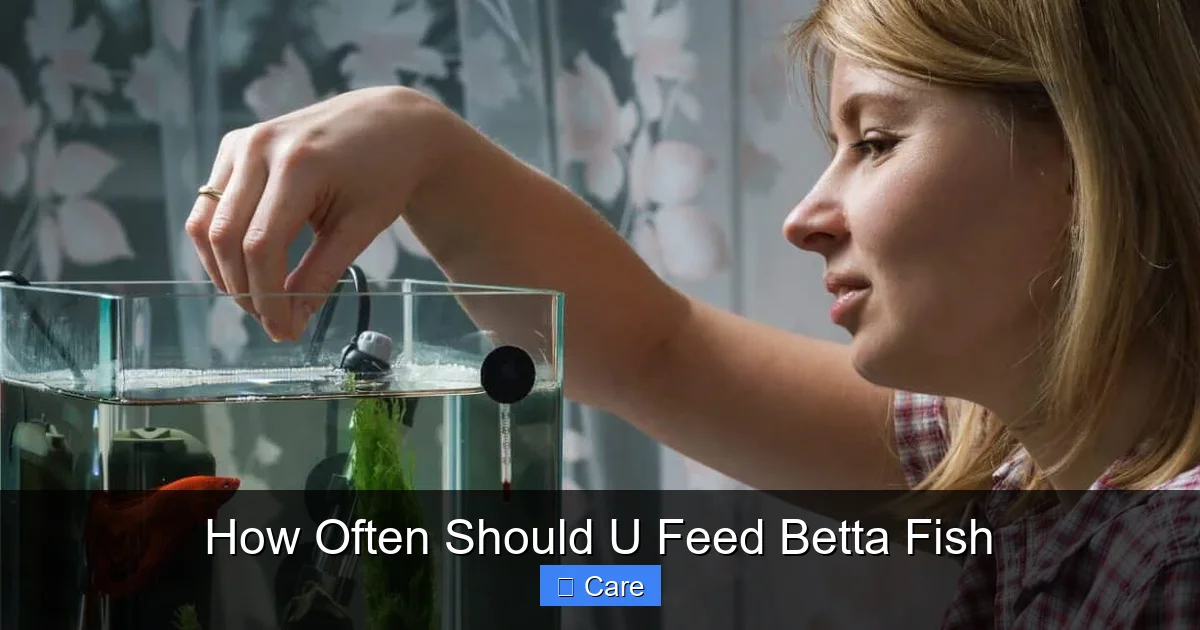
Feeding your betta correctly is the key to a vibrant, healthy fish. Most bettas thrive on two small meals per day, but timing, portion size, and food type all matter. Follow these simple guidelines and avoid common feeding mistakes.
Key Takeaways
- Feed twice daily: Most bettas do best with two small meals spaced 8‑12 hours apart.
- Portion control matters: Offer only what they can eat in 2‑3 minutes to prevent overfeeding.
- Quality over quantity: Use high‑protein pellets or frozen foods for balanced nutrition.
- Adjust for age and activity: Frying juveniles may need 3 meals; older, less active fish need less.
- Watch water quality: Uneaten food spikes ammonia; clean the tank regularly.
- Observe behavior: Appetite changes often signal stress or illness.
- Seasonal changes: Cooler water slows metabolism, so feed slightly less in winter.
📑 Table of Contents
- Introduction: Why Feeding Frequency Matters
- 1. The Basics: How Often Should U Feed Betta Fish?
- 2. Portion Size: How Much Should You Actually Give?
- 3. Types of Food and How They Influence Feeding Frequency
- 4. Adjusting Feeding Based on Life Stage and Health
- 5. Practical Tips for Successful Feeding
- 6. Frequently Overlooked Factors That Affect Feeding Frequency
- Conclusion: Your Betta’s Happy, Healthy Feeding Routine
Introduction: Why Feeding Frequency Matters
When you first bring a betta home, the excitement can be overwhelming. You want to give it the best food, the prettiest tank, and the most attention. But one of the most common questions new owners ask is, how often should u feed betta fish? The answer isn’t just a number; it’s a blend of biology, tank conditions, and the type of food you choose.
Getting the feeding schedule right does more than keep your fish full. It influences growth, coloration, behavior, and the overall health of the aquarium. Over‑feeding can cloud the water, cause constipation, and even lead to fatal bacterial infections. Under‑feeding, on the other hand, can cause stunted growth and a dull, lifeless appearance.
In this guide we’ll break down everything you need to know about feeding frequency, portion size, and diet variety—all written in a friendly, easy‑to‑read style. By the end, you’ll feel confident answering the question, “how often should u feed betta fish?” for any situation.
1. The Basics: How Often Should U Feed Betta Fish?
Two Meals a Day – The Gold Standard
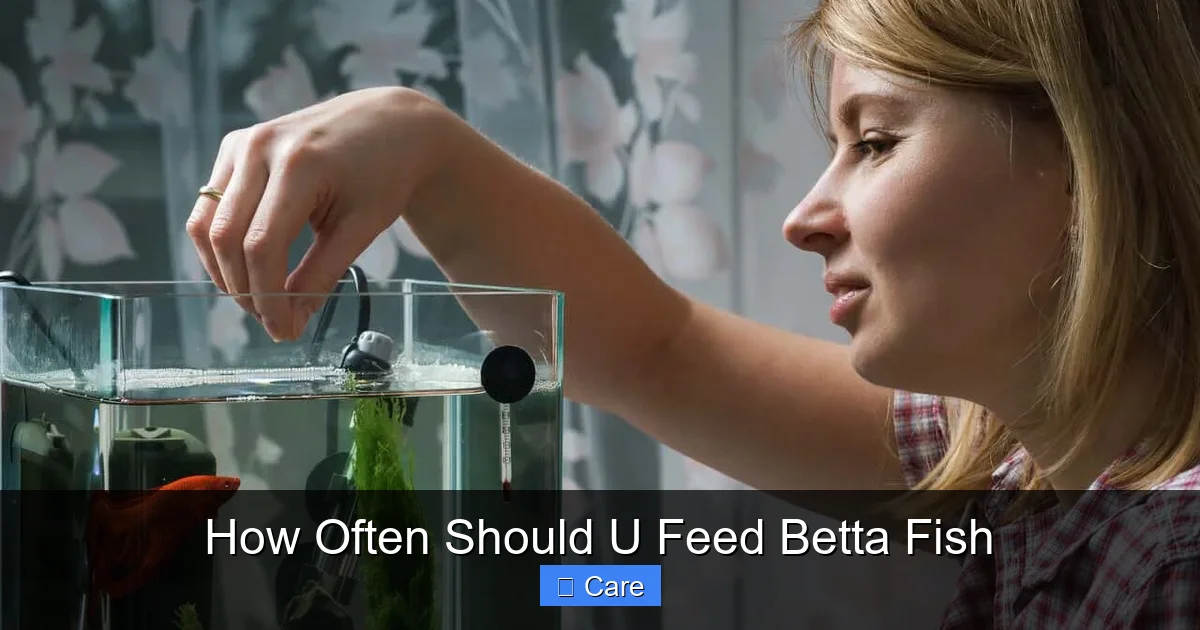
For most adult bettas, the sweet spot is **two small meals per day**. Space them about 8‑12 hours apart—typically once in the morning and once in the evening. This mimics their natural feeding pattern in the wild, where they hunt small insects and larvae at dawn and dusk.
Visual guide about How Often Should U Feed Betta Fish
Image source: fishtrivia.com
Why Not More?
Betta mouths are tiny, and their stomachs can only hold a few milligrams of food at a time. Giving them too much at once leads to leftover crumbs that sink and decompose, raising ammonia levels. High ammonia stresses the gills and can cause fin rot.
When to Adjust the Frequency
- Fry (juvenile bettas): 3‑4 tiny meals a day until they’re about 4 weeks old.
- Very active or breeding bettas: A third small snack may be helpful during spawning.
- Cold water (below 75°F/24°C): Slow metabolism means you can reduce to one meal.
2. Portion Size: How Much Should You Actually Give?
The 2‑Minute Rule
Offer only as much food as your betta can consume in **2‑3 minutes**. If any pieces remain after that time, scoop them out. This simple rule prevents over‑feeding and keeps the water clean.
Visual guide about How Often Should U Feed Betta Fish
Image source: fishtrivia.com
Measuring the Food
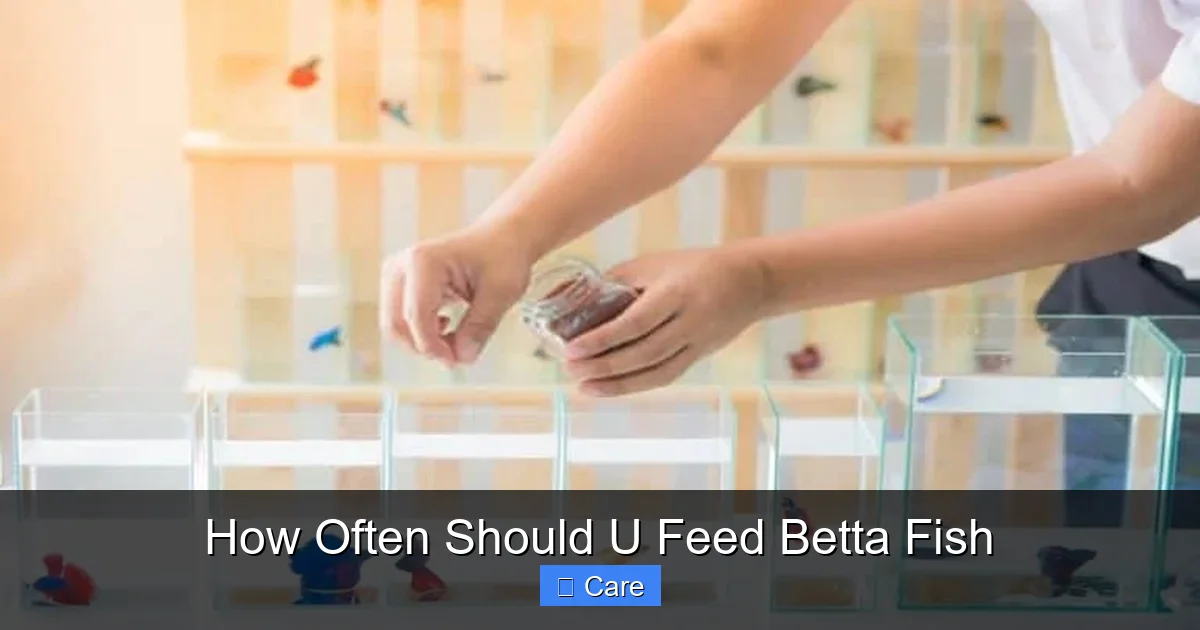
Most commercial betta pellets are designed for one‑to‑two fish. A single pellet (or 2‑3 micro‑pellets) is usually enough for an adult. For frozen or live foods, a pea‑sized portion works well.
Signs of Over‑ or Under‑Feeding
- Over‑feeding: Bloated belly, floating at the surface, excess waste.
- Under‑feeding: Thin body, faded colors, lethargy.
3. Types of Food and How They Influence Feeding Frequency
Pellets – The Everyday Staple
High‑quality betta pellets are formulated with 30‑40% protein, essential for vibrant fins. They dissolve slowly, giving your fish time to eat without flooding the tank.
Visual guide about How Often Should U Feed Betta Fish
Image source: fishtrivia.com
Frozen and Live Foods – The Treats
Bloodworms, brine shrimp, and daphnia are nutrient‑rich and stimulate natural hunting behavior. Because they’re easier to digest, you can offer them **once or twice a week** as a supplement.
Flake Food – Not Recommended
Flakes tend to break apart and pollute the water quickly. If you use them, crumble only a tiny amount and remove leftovers within minutes.
4. Adjusting Feeding Based on Life Stage and Health
Juveniles (Fry)
Fry have fast growth rates and need frequent, tiny meals. Feed **3‑4 times daily** with finely powdered fry food or baby brine shrimp. As they grow, transition to the standard twice‑daily schedule.
Adult Betta
Stick to the twice‑daily routine, but monitor weight and color. A healthy adult maintains a sleek, torpedo‑shaped body with bright, flowing fins.
Sick or Stressed Betta
If your betta shows signs of illness (loss of appetite, clamped fins, white spots), reduce feeding to **once a day** of easily digestible food like boiled egg yolk (tiny pinch) for a few days. Consult a vet if symptoms persist.
5. Practical Tips for Successful Feeding
Use a Feeding Schedule Chart
Write down morning and evening feeding times on a sticky note placed near the tank. Consistency helps both you and the fish.
Pre‑Measure Your Food
Keep a small container with the exact number of pellets you need for each feeding. This eliminates guesswork and over‑feeding.
Observe and Adjust
Watch your betta during meals. If it darts around excitedly and finishes quickly, you’re probably feeding the right amount. If it seems uninterested, try a different food type.
Maintain Clean Water
Remove any uneaten food with a net or siphon within 5‑10 minutes. Perform a 20‑30% water change weekly to keep ammonia low.
6. Frequently Overlooked Factors That Affect Feeding Frequency
Water Temperature
Betta metabolism speeds up with warmer water. In a tank kept at 78‑80°F (25‑27°C), the twice‑daily routine works best. Drop below 75°F and you may see slower digestion; reduce to one meal.
Tank Size and Filtration
Smaller tanks (under 2 gallons) have less water volume to dilute waste, so over‑feeding can quickly degrade water quality. In such setups, extra caution with portion size is essential.
Lighting Cycle
Betas are diurnal. Align feeding times with the light cycle—feed shortly after the lights turn on and again before they go off. This reinforces a natural rhythm.
Conclusion: Your Betta’s Happy, Healthy Feeding Routine
Answering the question “how often should u feed betta fish” isn’t just about picking a number—it’s about understanding your fish’s needs, the environment you provide, and the food you offer. By feeding twice daily, using the 2‑minute rule, and adjusting for age, temperature, and health, you set the stage for a vibrant, active betta that will brighten your space for years to come.
Remember, consistency, observation, and clean water are the three pillars of successful betta care. Keep a simple schedule, watch your fish’s behavior, and you’ll quickly become confident in your feeding decisions. Happy feeding!
Frequently Asked Questions
How many times a day should I feed an adult betta?
Most adult bettas do best with two small meals per day, spaced about 8‑12 hours apart.
Can I feed my betta once a day?
Feeding once daily is okay for older or less active bettas, especially in cooler water, but two meals usually promote better color and energy.
What is the best portion size for betta pellets?
Offer one to two pellets per feeding—just enough that the fish can finish them in 2‑3 minutes. Remove any leftovers.
Should I give my betta live food every day?
Live or frozen foods are nutritious but should be used as treats 1‑2 times per week. Overuse can cause digestive issues and raise water waste.
My betta isn’t eating. What should I do?
Try offering a different food type, like a tiny piece of boiled egg yolk or a frozen brine shrimp. If appetite loss continues for several days, check water parameters and consider a vet visit.
Does water temperature affect feeding frequency?
Yes. In water below 75°F (24°C) metabolism slows, so you can reduce feeding to once daily. In warmer water (78‑80°F) stick to the twice‑daily schedule.