Do Betta Fish Hibernate

Betta fish do not truly hibernate, but they can become less active when temperatures drop. Understanding their seasonal behavior helps you adjust tank conditions, feeding, and care so your betta stays vibrant all year long.
Key Takeaways
- Betta fish aren’t true hibernators: They slow down, not sleep through winter.
- Temperature is the main trigger: Below 75°F (24°C) activity drops.
- Adjust feeding: Offer smaller meals when your betta is less active.
- Maintain water quality: Cooler water holds less oxygen, so keep filters and aeration steady.
- Watch for health signs: Lethargy can also mean illness—know the difference.
- Seasonal tank tweaks: Use heaters, lights, and décor changes to mimic natural cycles.
- Regular monitoring: Keep an eye on behavior, appetite, and water parameters year‑round.
📑 Table of Contents
- Introduction: The Mystery of Betta Winter Rest
- 1. What Does “Hibernate” Mean for Fish?
- 2. The Temperature Connection
- 3. Recognizing Normal Winter Rest vs. Illness
- 4. Adjusting Care During Cooler Months
- 5. Creating a Comfortable Winter Habitat
- 6. Frequently Overlooked Factors
- Conclusion: Keep Your Betta Comfortable, Not Sleeping
Introduction: The Mystery of Betta Winter Rest
If you’ve ever noticed your bright‑colored betta floating near the surface, barely moving, you might wonder: do betta fish hibernate? The short answer is no – bettas don’t enter a deep, sleep‑like state like some mammals. However, they do respond to colder water by becoming sluggish, eating less, and hiding more often. This seasonal slowdown can look a lot like hibernation, especially to a first‑time keeper.
In this article we’ll break down what really happens to bettas when the temperature drops, how to tell the difference between normal “winter rest” and a health problem, and what practical steps you can take to keep your fish thriving all year. We’ll also sprinkle in a few handy links to related topics, like the ideal temperature range and how to tell if your betta is happy or sick.
1. What Does “Hibernate” Mean for Fish?
True hibernation vs. seasonal slowdown
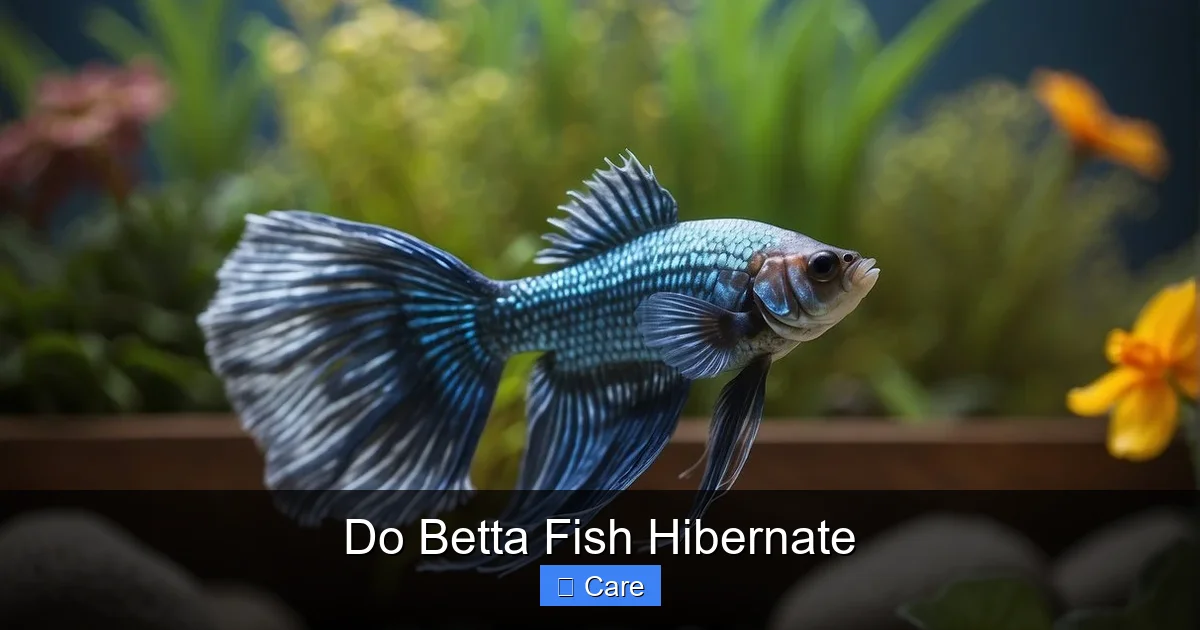
True hibernation is a deep metabolic depression seen in many mammals and some reptiles. Their body temperature drops, heart rate slows dramatically, and they can go weeks without eating. Most fish, including bettas, lack the physiological tools for true hibernation. Instead, they exhibit a seasonal slowdown:
Visual guide about Do Betta Fish Hibernate
Image source: koala.sh
- Metabolism slows: Enzymes work slower in cool water.
- Activity drops: Less swimming, more hiding.
- Feeding decreases: They’ll take smaller bites or skip meals.
Why bettas are different
Bettas (Betta splendens) are native to the warm, shallow rice paddies of Southeast Asia, where water temperatures rarely fall below 78°F (25°C). In the wild, they experience only mild seasonal changes, so they have evolved to stay active year‑round. In a home aquarium, when you turn down the heater or the room gets cooler, the fish reacts by conserving energy—but it never truly “sleeps” through the cold.
2. The Temperature Connection
Ideal temperature range
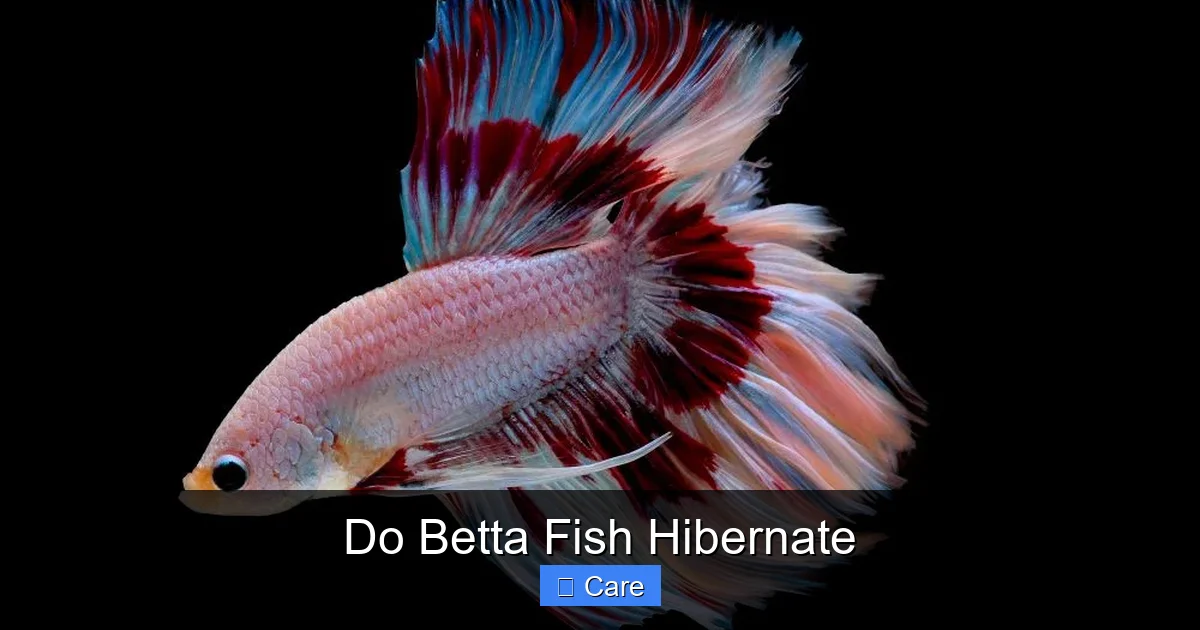
According to experts, bettas thrive best at what temperature do betta fish need—generally 78–82°F (25–28°C). Below about 75°F (24°C), you’ll start to see the slowdown we call “winter rest.”
Visual guide about Do Betta Fish Hibernate
Image source: fishlab.com
How temperature affects metabolism
Fish are ectothermic, meaning their body temperature matches the water. When the water cools:
- Enzyme activity drops 2–3% for every 1°F (0.5°C) decrease.
- Oxygen solubility rises, but the fish’s demand for oxygen falls.
- Digestive processes become less efficient, so they eat less.
Practical tip: Use a reliable heater
If you live in a cooler climate, a small, adjustable aquarium heater is essential. Set it to maintain at least 78°F and use a thermometer to double‑check. A stable temperature prevents the fish from entering a stressful, prolonged slowdown.
3. Recognizing Normal Winter Rest vs. Illness
Signs of normal seasonal slowdown
- Less swimming, more time near the surface or bottom.
- Reduced appetite; may only eat a few flakes once a day.
- Fading of bright colors (temporarily).
Warning signs that need attention
If your betta is unusually lethargic, has clamped fins, or shows loss of appetite for more than a week, it could be sick. Check out how do you know if your betta fish is dying for a quick health checklist.
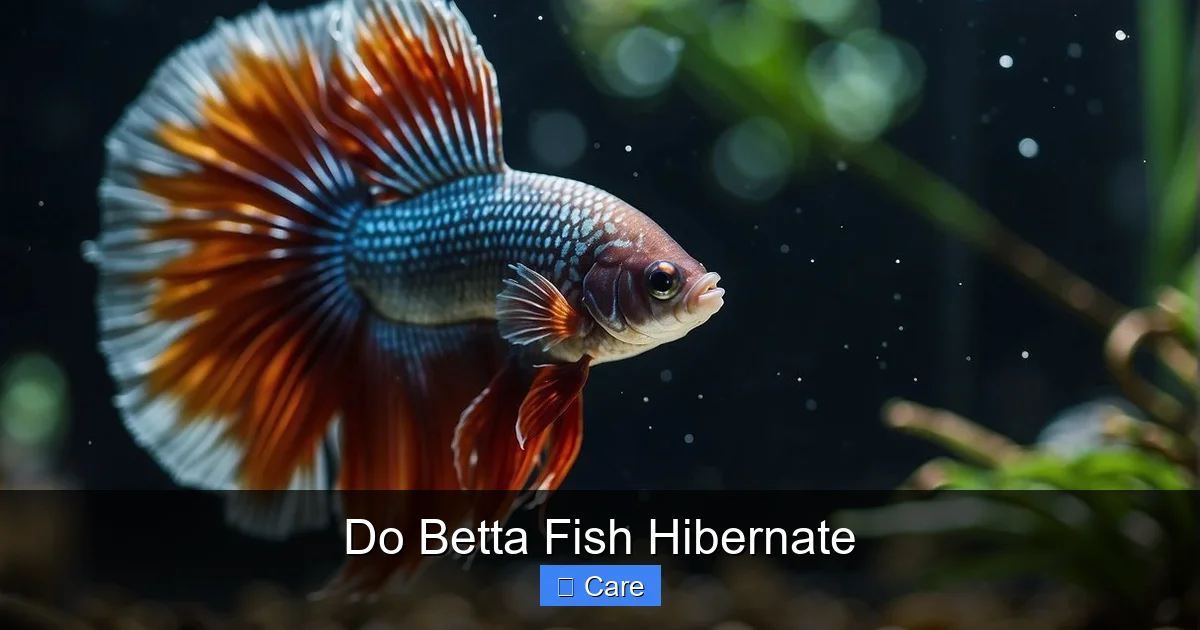
Visual guide about Do Betta Fish Hibernate
Image source: koala.sh
Quick health check
Gently observe the gills—healthy gills are bright red. Look for white spots, frayed fins, or abnormal swimming patterns. If anything seems off, act fast: raise the temperature a few degrees, improve water quality, and consider a quarantine tank.
4. Adjusting Care During Cooler Months
Feeding adjustments
When your betta is in a slower state, feed smaller portions once daily rather than two or three times. High‑protein foods like frozen or live brine shrimp are easier to digest than heavy pellets.
For detailed feeding guidelines, see how do you feed a betta fish.
Water changes and filtration
Cooler water holds more dissolved oxygen, but it also means waste breakdown can be slower. Perform a 20‑30% weekly water change with water that matches the tank temperature. Keep a gentle filter running to maintain flow without stressing the fish.
Lighting considerations
Daylight cues help regulate fish behavior. During winter, keep the aquarium light on for 8–10 hours to mimic natural conditions. Avoid sudden darkness, which can stress the betta.
5. Creating a Comfortable Winter Habitat
Tank décor that encourages rest
Provide plenty of hiding spots—plants, caves, or silk leaves—so your betta can retreat when it feels sluggish. Live plants also help maintain water quality and add natural cover.
Temperature control accessories
- Thermostat‑controlled heater (set to 78°F).
- Submersible heater with a built‑in thermostat for precise control.
- Optional: a small aquarium heater blanket for rooms that get very cold.
When to consider a temporary “warm‑up”
If your betta’s activity drops dramatically and colors fade, you can gently raise the temperature by 2–3°F for a few days. Monitor behavior; if it perks up, the slowdown was temperature‑related, not disease.
6. Frequently Overlooked Factors
Water hardness and pH
Soft, slightly acidic water (pH 6.5–7.0) matches the betta’s natural habitat. Sudden shifts in pH during a winter water change can stress the fish. Test water before each change and adjust slowly.
Tank mates and crowding
Bettas are territorial. Adding other fish during a cold snap can increase stress, as the betta is already conserving energy. Keep the tank as a single‑species environment during winter.
Seasonal breeding instincts
Even though bettas don’t truly hibernate, cooler temperatures can trigger breeding behavior in some males, leading to bubble nest building. If you notice a nest, it’s a sign your fish is still healthy and responsive.
Conclusion: Keep Your Betta Comfortable, Not Sleeping
In short, bettas do not hibernate, but they do respond to cooler water by becoming less active and eating less. By maintaining a stable temperature, adjusting feeding, and keeping water quality high, you can support your fish through the seasonal slowdown without compromising its health. Remember to watch for warning signs of illness, and use the tips above to create a cozy, temperature‑controlled environment that lets your betta thrive all year long.
Frequently Asked Questions
Do betta fish go into a deep sleep during winter?
No. Bettas may become less active and rest more, but they never enter a deep, prolonged sleep like true hibernation.
What temperature causes bettas to slow down?
When water drops below about 75°F (24°C), bettas typically reduce activity and appetite.
Should I stop feeding my betta when it seems sluggish?
Do not stop feeding entirely. Offer smaller portions once a day, using easily digestible foods such as frozen brine shrimp.
Can low temperature make my betta sick?
Cold stress can weaken the immune system, making the fish more vulnerable. Keep the tank at 78–82°F and monitor for signs of disease.
How often should I change water during cooler months?
A 20‑30% water change each week is ideal, ensuring the new water matches the tank’s temperature.
Do I need a heater for my betta if I live in a warm climate?
Even in warm climates, nighttime temperatures can dip. A small heater with a thermostat helps maintain a consistent 78°F, protecting your betta from accidental cool‑downs.