Do Betta Fish Jump Out of Tank
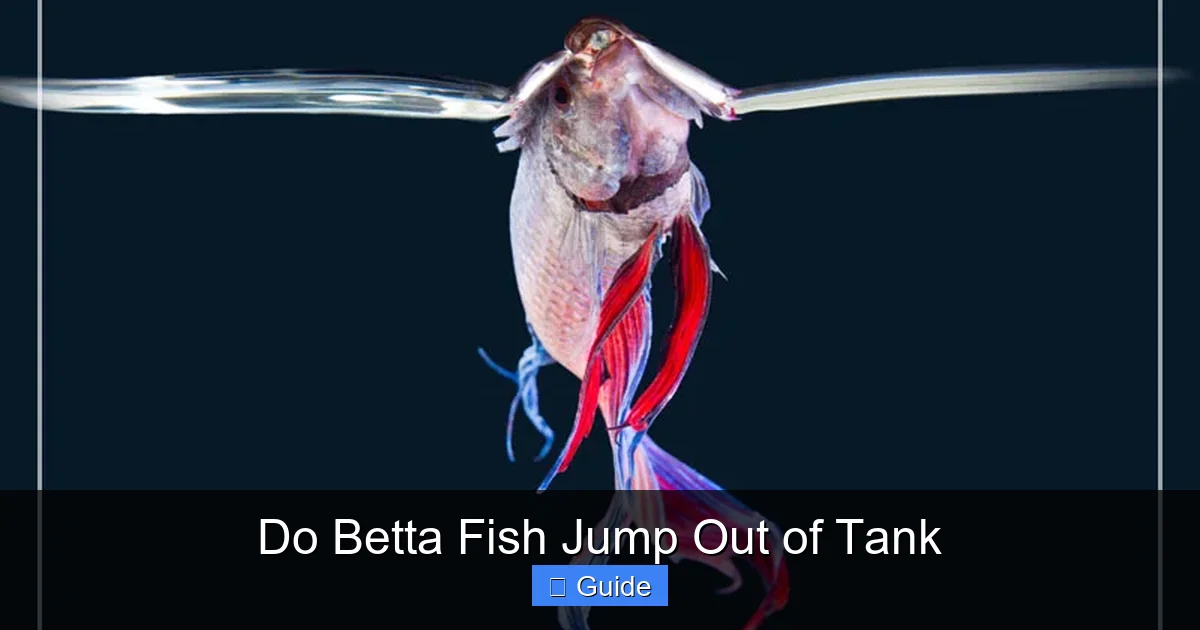
Yes, betta fish absolutely can and do jump out of their tanks. This behavior is primarily driven by instinct, poor water conditions, stress, or a lack of environmental enrichment. It is not a myth or a sign of a “happy” fish. Preventing escapes is a critical part of responsible betta ownership and involves securing the tank with a proper lid, maintaining pristine water quality, and providing a stimulating, stress-free environment. Understanding the “why” behind the jump is the first step to ensuring your betta lives a long, safe life underwater where it belongs.
So, you’ve set up a beautiful betta tank. You’ve got the vibrant plants, the gentle filter, and your stunning Siamese fighting fish gliding gracefully among the leaves. It’s a peaceful scene. Then, one day, you walk into the room and your heart stops. Your betta is not in the tank. You frantically search the area and find it… dry, motionless, on the floor. The devastating question echoes in your mind: Do betta fish jump out of tank? The painful, unequivocal answer is yes. They do. And understanding why is the key to making sure it never happens again.
This isn’t a rare, freak accident. Jumping is a documented behavior in betta splendens, rooted in their wild ancestry and exacerbated by common husbandry mistakes. This guide will dive deep into the anatomy, instinct, and environmental triggers that cause a betta to become an escape artist. We’ll move beyond the simple “get a lid” advice to explore the comprehensive, proactive strategies every betta owner must employ. Your betta’s life literally depends on this knowledge.
Key Takeaways
- Jumping is a natural, instinctual behavior: Bettas are labyrinth fish with a strong instinct to explore and surface for air. In the wild, jumping can help them move to new water sources or escape predators.
- Poor water quality is the #1 trigger: Ammonia spikes, dirty water, or improper temperature make a betta’s environment unbearable, prompting desperate escape attempts.
- Stress is a major catalyst: Loud noises, sudden movements, aggressive tank mates, or a boring environment can stress a betta, leading to erratic behavior like jumping.
- A secure lid is non-negotiable: Even a small gap or a loose-fitting hood is an invitation. A full, secure lid with no gaps is the single most effective physical barrier.
- Not all bettas are jumpers: Some individuals are more prone to it than others, often due to personality or past experiences, so you must always assume yours might jump.
- If a betta jumps, immediate action is needed: A jumped betta can survive for a short time out of water if found quickly and properly rehabilitated, but time is of the essence.
- Prevention is multi-layered: Relying on just a lid is a mistake. You must combine a secure lid with excellent water care, proper tank mates, and environmental enrichment.
📑 Table of Contents
- The Anatomy of a Jumper: Why Betta Fish Are Physically Capable
- The “Why”: Unpacking the Motivations Behind the Leap
- Tank Setup 101: Engineering an Escape-Proof Environment
- What To Do If Your Betta Jumps: Emergency Response Protocol
- Species and Personality: Are Some Bettas More Prone to Jumping?
- Beyond the Lid: Holistic Prevention and Long-Term Success
- Conclusion: Respecting the Instinct, Mastering the Environment
The Anatomy of a Jumper: Why Betta Fish Are Physically Capable
Before we discuss the “why,” we must establish the “how.” Can a betta fish, with its delicate, flowing fins, really launch itself out of a glass box? The answer is a resounding yes, and their unique biology is the reason.
The Labyrinth Organ: A Built-in Air Breather
Betta fish are members of the anabantoid family, which means they possess a specialized structure called the labyrinth organ. This is a folded piece of vascularized tissue located in a chamber above the gills. It allows them to breathe atmospheric air directly. In the wild, this adaptation lets them survive in stagnant, oxygen-poor water like rice paddies and puddles. They are compelled to regularly swim to the surface and gulp air. This constant connection to the air-water interface is a fundamental part of their physiology and behavior. It also means their world is not confined to the water column; the surface is a critical zone of activity. This instinct to be at the surface, combined with a powerful burst of tail fin propulsion, creates the potential for a leap.
Muscular Power and Body Shape
Don’t let their fancy fins fool you. A betta’s body is streamlined and muscular, built for short, explosive bursts of speed. This is a remnant of their evolutionary history as insectivores that would dart at prey on the water’s surface or between plants. When startled, excited, or motivated, they can generate enough force with a rapid contraction of their body and caudal fin to propel themselves several inches out of the water. A common misconception is that only large, active bettas can jump. In reality, even a small, seemingly placid betta can achieve a surprising leap if the motivation is high enough and the water level is close to the top.
The “Why”: Unpacking the Motivations Behind the Leap
Knowing a betta *can* jump is only half the story. The more important question is why they choose to do it. The decision is rarely random; it’s a response to internal drives or external pressures. Understanding these motivations is your roadmap to prevention.
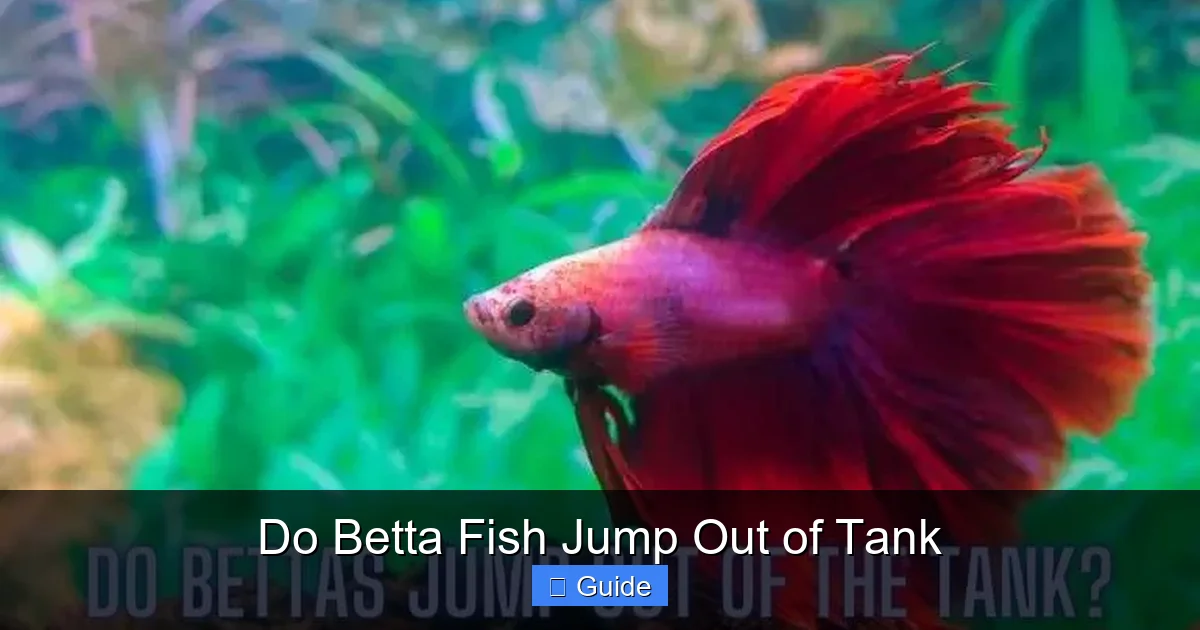
Visual guide about Do Betta Fish Jump Out of Tank
Image source: i0.wp.com
Instinct and Exploration: The Wild Calling
In their natural habitat, bettas live in shallow, vegetated waters that often connect to other bodies through small streams or during floods. Jumping is a legitimate survival tactic—it allows them to move to new territories, find mates, or escape a drying pool. This instinct doesn’t vanish in captivity. A betta in a tank, especially one with a stimulating but open top, may simply be acting on this ancient programming. If it sees a shadow move above the tank (like a bird or your hand), it might interpret it as a potential predator or prey and react with a jump. Or, it might just be curious about what lies beyond the glass ceiling.
Poor Water Quality: The Ultimate Desperation Move
This is the most common and tragic reason for jumps. A betta’s labyrinth organ makes them somewhat tolerant of low oxygen, but they are not tolerant of high toxins. Ammonia and nitrite, even at low levels, are incredibly irritating and damaging to their gills and skin. Imagine breathing air laced with a painful, burning chemical. The betta’s instinct is to escape the source of pain. A water parameter spike can make the tank feel like a toxic prison, and the surface air, however unsuitable, might feel like a marginally better option. This is why maintaining pristine water through regular water changes, a proper cycled filter, and consistent testing is the absolute foundation of betta care. A betta trying to jump from a dirty tank is screaming for help in the only way it knows how.
Stress and Fear: The Panic Response
The betta’s nervous system is wired for high alert. In the wild, they are both predator and prey. In captivity, many things can trigger a severe stress response:
- Sudden Movements or Shadows: A hand swooping in to feed, a child running past, or a cat watching from above can be perceived as a predator attack.
- Loud Noises: Vibrations from slamming doors, loud music, or construction can cause panic.
- Aggressive or Incompatible Tank Mates: A harassing or attacking fish (or even a snail that constantly bumps into them) can make the betta feel constantly unsafe, seeking any escape route.
- Boredom and Frustration: A bare tank with no plants, no hiding spots, and nothing to explore is mentally barren. This chronic lack of stimulation can lead to stress behaviors, including repetitive swimming at the glass (glass surfing) and attempted jumps at the surface as a form of displaced activity.
Hunting Instinct and Mistaken Identity
Bettas are carnivores with a vision tuned to spot movement. A small insect, a piece of floating food, or even a sunbeam glinting off a dust mote on the water’s surface can trigger a predatory strike. In their excitement to catch this “prey,” they may launch themselves out of the water in a powerful, targeted lunge. This is particularly common if you feed floating foods near the surface. It’s not an escape attempt; it’s a hunting miscalculation. This underscores why feeding should be done calmly and why sinking or mid-water foods are often safer options.
Tank Setup 101: Engineering an Escape-Proof Environment
Now that we know the “whys,” we can design the “hows” of prevention. Your tank setup is your primary line of defense. It must be a fortress that also feels like a paradise.
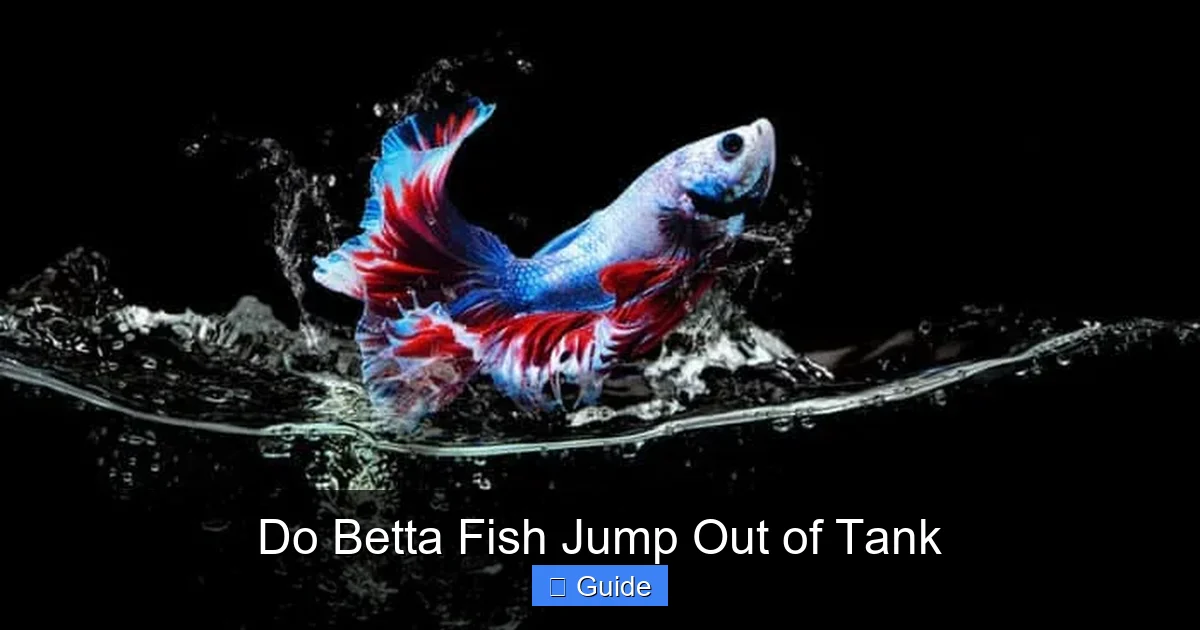
Visual guide about Do Betta Fish Jump Out of Tank
Image source: aquariumsphere.com
The Unbreakable Barrier: Choosing and Securing a Lid
This is step zero. No ifs, ands, or buts. Every single betta tank must have a full, secure lid that fits snugly with no gaps. Here’s what to look for:
- Material: Glass or acrylic lids are best. They provide a solid seal, reduce evaporation, and maintain humidity. Plastic hoods are common but can warp over time, creating gaps.
- Fit: The lid must sit flush on the tank’s rim. Check for even spacing all the way around. A common mistake is a lid that fits well at the back but leaves a centimeter gap at the front where the heater or filter cord exits. Use foam or weather stripping to seal any tiny openings.
- Access Holes: Cords for heaters, filters, and air pumps must pass through dedicated, grommeted holes in the lid. Never run cords over the top edge where they can lift the lid slightly. The hole around the cord should be as small as possible and sealed with aquarium-safe silicone or cord grommets.
- No “Vent” Gaps: Some hoods have a small gap at the back for ventilation. For a betta, this is a fatal flaw. You must seal this gap with a strip of plastic or acrylic, ensuring there is still some passive airflow for the filter.
Pro Tip: After setting up your lid, do a “gap test.” Take a bright flashlight and go into a dark room. Shine the light from underneath the tank rim up towards the lid. Any light you see seeping through is a gap a determined betta could exploit.
Water Level and Surface Tension
The water level itself is a factor. The less distance between the water surface and the lid, the harder it is to jump. A common recommendation is to keep the water level 2-3 inches below the top of the tank. This gives you room for equipment and reduces evaporation splashes on the lid, while still making a jump a difficult proposition. However, if you have a perfectly sealed lid, you can fill the tank closer to the top if you prefer the aesthetic. The key is that the barrier is absolute. Also, be aware that surface agitation from a strong filter can break the water’s surface tension, sometimes discouraging jumps as the betta may not be able to get a solid “launch” off a choppy surface.
Environmental Enrichment: A Happy Fish is Less Likely to Leap
A stimulated, secure betta has little reason to seek escape. Create a world worth staying in:
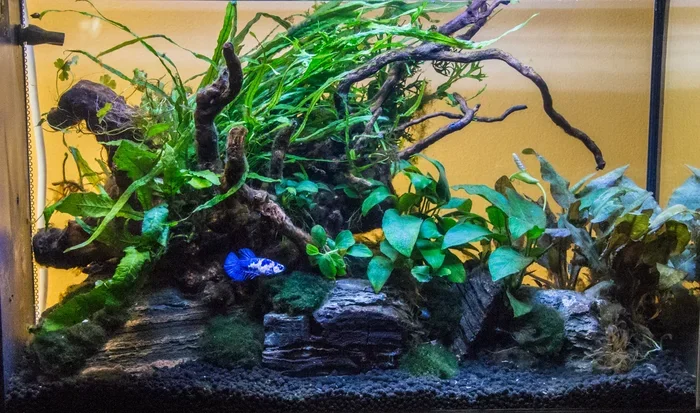
- Live or Silk Plants: Provide dense foliage, especially floating plants like Duckweed or Salvinia. These break the surface, reduce light glare, and give the betta a sense of cover and territory at its favorite level.
- Hiding Spots: Use caves, PVC pipes, or clusters of plants to give the betta places to retreat and feel safe.
- Gentle Flow: Bettas come from still waters. A filter with a strong current will stress them out. Use a sponge filter or baffle your hang-on-back filter with a spray bar or sponge.
- Consistent Routine: Feed at the same times each day. Avoid sudden, startling changes to the tank’s environment.
What To Do If Your Betta Jumps: Emergency Response Protocol
Despite our best efforts, accidents can happen. If you find your betta out of water, every second counts. Do not assume it’s dead. Follow this immediate protocol:

Visual guide about Do Betta Fish Jump Out of Tank
Image source: fishtanksetups.com
Step 1: The Initial Assessment and Return
Gently pick up the fish. Check for signs of life—does its mouth or gills move? Is there any twitching? If you see *any* movement, immediately place it back into its tank. The water is its life support system. Do not try to “revive” it on a table first. Get it back into the familiar, temperature-controlled water immediately.
Step 2: The Gently Assisted Recovery
Once in the tank, the betta will likely be limp and unresponsive. Here’s how to help:
- Gently direct water flow: Use a turkey baster or your finger to create a very gentle current of clean, dechlorinated tank water flowing over its gills. This helps push oxygen-rich water across them. Be extremely gentle—you’re not trying to blast it, just facilitate movement.
- Check the water parameters: Test the water immediately. If ammonia or nitrite is high, perform a 50% water change with properly conditioned water. The stress of the jump may have been caused by bad water, and being out of water has only added physiological stress.
- Lower the water level: If the water is high, lower it by a few inches so the betta doesn’t have to struggle to reach the surface to gulp air. It may be too weak to do so.
- Add stress-reducing aids: A small amount of aquarium salt (if your tank is not freshwater invertebrate-inhabited) or a commercial stress coat product can help protect its slime coat and reduce stress.
Step 3: Observation and Aftercare
Place the tank in a quiet, dark room. Monitor the betta closely for the next 24-48 hours. It may perk up within an hour or take much longer. Do not feed it for the first day. Its system is in shock. Focus on pristine water quality. Perform a small (25%) water change with perfectly matched temperature and parameters after 12 hours if the fish is still alive but lethargic. Be prepared for the possibility that it may not recover, as internal damage or severe oxygen deprivation can be fatal hours later. If it does recover, keep a very close eye on it for a week, as its immune system will be severely compromised.
Species and Personality: Are Some Bettas More Prone to Jumping?
While all bettas have the physical capability, not all exhibit the behavior with equal frequency. Individual personality plays a huge role.
The “Houdini” Personality
Some bettas are simply more active, curious, and bold. They are the ones constantly patrolling every inch of the tank, glass-surfing, and investigating any change. These individuals are the most likely to test the boundaries of their world and attempt an escape if an opportunity arises. A half-moon with a massive, flowing tail might seem less athletic, but don’t underestimate its determination. Conversely, a very shy, sedentary betta might never even approach the surface closely enough to consider jumping, but you should never rely on this.
Wild-Caught and Half-Giant Varieties
Wild-type bettas (Betta splendens from natural populations) and some of the larger, more recently developed varieties like the “Half-Giant” are often considered more active and powerful swimmers. They may have a stronger retained instinct for exploration and movement. While any domesticated betta can jump, owners of these types should be extra vigilant with their tank security.
Beyond the Lid: Holistic Prevention and Long-Term Success
Securing the tank is your mandatory first line of defense. But true, long-term success requires a holistic approach that addresses the root causes of the jump impulse.
Water Quality as the Foundation
You cannot overstate this. A cycled tank with a filter, combined with regular 25-50% weekly water changes, is non-negotiable. Use a liquid test kit (like API Freshwater Master Test Kit) to monitor ammonia, nitrite, nitrate, and pH weekly. Keep ammonia and nitrite at 0 ppm. Nitrates should be kept below 20 ppm. Clean, stable water is the single greatest stress-reducer you can provide. A betta in pristine water has no toxic reason to flee.
Compatible Tank Mates: Peaceful Cohabitation
If you choose to keep your betta with other fish, choose wisely. Avoid long-finned, slow-moving fish (like fancy guppies) that may trigger the betta’s aggression. Avoid brightly colored fish with similar body shapes, as they may be seen as rival males. Good candidates are small, fast, schooling fish like Ember Tetras or Harlequin Rasboras in a large, heavily planted group, or bottom-dwellers like Kuhli Loaches or Corydoras Catfish. Always have a backup plan (a separate “hospital” tank) in case aggression occurs, as constant harassment is a direct path to stress and jumping.
Routine and Interaction: Building Trust
Spend calm, quiet time near the tank. Talk to your betta. Use a target stick or your finger to gently guide it through simple routines. This predictable, non-threatening interaction helps desensitize it to your presence, reducing the fear response when you need to perform maintenance. Feed a varied diet of high-quality pellets, frozen, or live foods (like daphnia or brine shrimp) to satisfy its natural hunting instincts in a controlled way.
Conclusion: Respecting the Instinct, Mastering the Environment
The question “do betta fish jump out of tank” is more than a query about behavior; it’s a fundamental lesson in betta husbandry. These are not passive decorations. They are intelligent, instinct-driven, and resilient animals with a survival history that includes traversing land between puddles. Their tendency to jump is a direct line to that wild heritage. Our job as caretakers is not to suppress that instinct with punishment, but to manage their environment so flawlessly that the tank becomes an irresistible, permanent home.
This means committing to a secure, lid-sealed setup. It means becoming a water quality expert. It means designing a tank that is a sensory paradise, not a prison cell. It means observing your individual fish and understanding its personality. By layering these defenses—physical, chemical, and psychological—you create a system of redundancy that protects your betta from its own drives and from our own potential oversights. A betta that is healthy, mentally engaged, and living in water of impeccable quality has no reason to look for an exit. It will be too busy displaying its glorious fins, building its bubble nest, and living the vibrant life it was meant to live, safely contained within the beautiful world you’ve built for it.
Frequently Asked Questions
Can all betta fish jump, or are some breeds more prone to it?
All betta fish possess the physical ability to jump, as it’s an instinct tied to their labyrinth organ and wild behavior. However, individual personality plays a significant role; some bettas are naturally more curious, active, or prone to stress, making them more likely to attempt an escape. You should always assume your specific betta could jump and take preventive measures.
What is the single most important thing I can do to prevent my betta from jumping?
The single most important physical measure is to equip the tank with a full, secure lid that fits perfectly with no gaps. However, the single most important *overall* measure is to maintain impeccable water quality. Poor water conditions are the primary driver of desperate escape attempts. A secure lid prevents success, but clean water removes the desperate motivation to try.
If my betta jumps and dries out, can I save it?
Yes, you can often save a jumped betta if you act immediately. Gently return it to its tank, ensure the water is clean and at the right temperature, and use a gentle water flow over its gills to aid oxygenation. Place the tank in a quiet, dark area and monitor closely. Survival depends on how long it was out of water (usually minutes, not hours) and the severity of any internal damage. Do not give up hope if there is any sign of movement.
How high can a betta fish actually jump?
A healthy, motivated betta can typically jump 2-3 inches out of the water with ease. In some documented cases, particularly strong or determined individuals have cleared gaps of 4 inches or more. This is why a lid that sits flush with the tank rim is essential—there is no “safe” gap size.
Will a filter or air stone bubble barrier stop my betta from jumping?
No. While heavy surface agitation from a strong filter can sometimes discourage jumping by breaking surface tension, it is not a reliable or safe barrier. A determined betta will jump through or over bubbles. Relying on this method is a common cause of betta deaths. Only a physical, solid lid is a guaranteed prevention method.
Is jumping a sign that my betta is “happy” or “energetic”?
Absolutely not. Jumping is a sign of a problem. It can indicate severe distress from poor water quality, acute stress from a threat, frustration from boredom, or a hunting miscalculation. While an active betta is generally healthy, the specific act of trying to exit the tank is a red flag for an unmet need or a dangerous condition in its environment. It is a behavior to be prevented, not encouraged.