How to Euthanize a Betta Fish

Knowing how to euthanize a betta fish is one of the hardest but most loving decisions a fish owner can make. This guide walks you through every humane method, from clove oil to baking soda, so you can ensure your betta passes peacefully. We also cover when euthanasia is the right choice and how to handle the emotional side of saying goodbye.
Saying goodbye to a beloved pet is never easy. But sometimes, the kindest thing you can do for your betta fish is to help them pass on peacefully. Whether your fish is suffering from a terminal illness, severe injury, or chronic pain, knowing how to euthanize a betta fish humanely is an important part of responsible fish ownership.
Many fish owners feel overwhelmed and scared when they face this decision. You might wonder if you are doing the right thing. You might worry about causing pain. The truth is, humane euthanasia for a betta fish is a gentle act of love. It ends suffering and gives your fish a peaceful ending. This guide will walk you through every method, every consideration, and every emotional step so you feel confident and supported.
We will cover the most trusted methods, including clove oil euthanasia and baking soda euthanasia. We will also discuss the signs that indicate it might be time, what supplies you need, and how to handle the process with care. By the end, you will have everything you need to make the best decision for your fish.
Key Takeaways
- Humane euthanasia is a compassionate choice: When a betta fish is suffering with no hope of recovery, ending their pain is the kindest option.
- Multiple methods exist: Clove oil and baking soda are two of the most accessible and effective home euthanasia methods.
- Know the signs: Recognizing when your betta is suffering helps you make the right decision at the right time.
- Preparation matters: Having your supplies ready ensures a calm, stress-free process for both you and your fish.
- Seek professional help when needed: A vet can provide guidance or perform euthanasia if you are unsure.
- Disposal is important too: Learn how to handle your betta’s remains respectfully after the process.
📑 Table of Contents
- When Is Euthanasia the Right Choice for Your Betta Fish?
- Methods for Euthanizing a Betta Fish at Home
- What Supplies Do You Need?
- The Emotional Side of Euthanizing Your Betta Fish
- What to Do After Euthanasia
- Common Mistakes to Avoid
- When to Consult a Veterinarian
- Quick Tips for a Peaceful Process
- Final Thoughts
When Is Euthanasia the Right Choice for Your Betta Fish?
Deciding to euthanize a betta fish is never easy. It is a deeply personal and emotional decision. But there are clear situations where it becomes the most compassionate choice. Understanding these signs helps you act before your fish suffers unnecessarily.
Signs Your Betta Fish Is Suffering
Watch for these warning signs that your betta may be in pain or distress:
- Loss of appetite that lasts for several days
- Labored breathing or gasping at the surface
- Inability to swim or constant balance problems
- Faded colors and visible lethargy
- Open sores or infections that do not respond to treatment
- Chronic stress that does not improve with tank changes
If your betta fish shows several of these signs for an extended period, it may be time to consider betta fish end of life options. Sometimes, despite your best efforts, a fish will not recover. In those cases, prolonging suffering does not help anyone.
When Treatment Is No Longer Working
There is a big difference between a fish that is recovering and one that is declining. If you have tried how to treat ich on a betta fish or addressed how to treat a stressed betta fish and seen no improvement, your fish may be beyond help. Chronic conditions like swim bladder disease, severe fin rot, or internal infections can become unbearable for your betta. In these cases, humane euthanasia prevents prolonged suffering.
Methods for Euthanizing a Betta Fish at Home
There are several ways to put down a betta fish at home. Each method has its own approach, and some are more accessible than others. The two most widely recommended home methods are clove oil and baking soda. Both are considered humane when done correctly.
Method 1: Clove Oil Euthanasia
Clove oil is one of the most popular and effective methods for betta fish euthanasia. It works by gently sedating the fish and then slowing down essential body functions. The process is peaceful and painless when done properly.
Here is what you need to do:
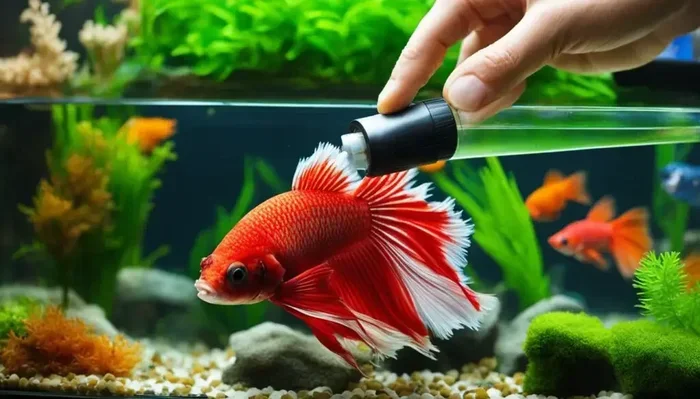
- Gather your supplies: clove oil, a small container, warm water, and a turkey baster or syringe.
- Fill the container with tank water from your betta’s aquarium.
- Add warm water to match the tank temperature.
- Place your betta fish in the container.
- Add clove oil slowly. Start with just a few drops.
- Wait and observe. Your betta will become drowsy and eventually stop moving.
- Add more clove oil as needed to ensure a complete and peaceful process.
The clove oil method is widely recommended by experienced fish keepers. You can learn more about this approach in our guide on how to put a betta fish down with clove oil. It is gentle, effective, and does not cause pain.
Method 2: Baking Soda Euthanasia
Baking soda is another well-known method for how to euthanize a betta fish with baking soda. It works by increasing the carbon dioxide levels in the water, which gently slows the fish’s breathing until it stops. This method is affordable and easy to access.
Follow these steps carefully:
- Prepare a container with water from your betta’s tank.
- Mix 2 to 3 teaspoons of baking soda per cup of water.
- Stir the water thoroughly until the baking soda is fully dissolved.
- Place your betta fish into the baking soda solution.
- Observe your fish closely. They will start to breathe more heavily and then become very still.
- Wait at least 20 minutes after all movement stops to confirm the process is complete.
Many fish owners share their experiences with this method on forums. You can read about how to euthanize a betta fish Reddit discussions to hear from real fish keepers who have gone through this process. Their stories can offer comfort and practical tips.
Method 3: Humane Euthanasia Without Clove Oil
If you do not have clove oil available, there are still humane options. You can find guidance on how to humanely kill a betta fish without clove oil through proper water temperature methods or by consulting a veterinarian. Never use harmful chemicals or ice water, as these cause pain and distress. Always choose a method that prioritizes your fish’s comfort.
What Supplies Do You Need?
Having everything ready before you start makes the process smoother and less stressful. Here is a simple checklist:
| Supply | Purpose |
|---|---|
| Clove oil or baking soda | Primary euthanasia agent |
| Small clean container | Holds the fish during the process |
| Tank water | Fills the container to reduce stress |
| Turkey baster or syringe | Transfers fish gently |
| Warm water | Matches tank temperature |
| Timer or clock | Tracks the process duration |
Keep everything within arm’s reach. You want a calm environment without distractions. Soft lighting and a quiet room help both you and your betta stay relaxed during this difficult moment.
The Emotional Side of Euthanizing Your Betta Fish
Let us talk about something that often gets overlooked: the emotional weight of this decision. Losing a pet fish hurts. It really does. Your betta is more than just a fish in a tank. They are a companion, a friend, and a living creature that depends on you.
It Is Okay to Grieve
Many people underestimate the bond they form with their betta fish. You may have spent months watching your fish explore their tank, build a bubble nest, or greet you at the glass. That connection is real. Give yourself permission to grieve. There is no right or wrong way to feel.
Some fish owners find comfort in creating a small memorial for their betta. Others prefer to move on quickly and focus on the happy memories. Both approaches are valid. Do what feels right for you.
Talking to Others Who Understand
You are not alone in this. Online communities like Reddit have threads where people share their experiences with how to euthanize a betta fish. Reading these stories can remind you that other fish keepers have faced the same tough decision. Sometimes, just knowing someone else understands makes a big difference.
What to Do After Euthanasia
Once the process is complete, you need to handle the situation with care. This includes both your fish’s remains and your own emotional well-being.
Handling Remains Respectfully
There are several respectful ways to handle your betta’s remains:
- Burial: Bury your fish in a small pot or garden. This gives them a peaceful final resting place.
- Flushing: Some owners choose to flush their fish, though others find this unsettling.
- Trash disposal: Wrap your fish gently in a paper towel and place them in a small bag before disposing.
If you are unsure about proper disposal, you can also consult your local vet. They can guide you on the most respectful option. You can also read our article on how to safely dispose of a dead betta fish for more detailed advice.
Caring for Yourself After the Loss
Take time to process what happened. Clean your betta’s tank when you feel ready. Some owners choose to keep the tank as it was for a while as a small tribute. Others prefer to start fresh with new decorations and a clean slate. Both are perfectly fine.
Common Mistakes to Avoid
When you are going through this process, it is easy to make mistakes out of stress or uncertainty. Here are common errors to avoid:
- Using harmful chemicals: Never use alcohol, bleach, or any toxic substance. These cause pain and suffering.
- Rushing the process: Take your time. A rushed euthanasia can cause distress.
- Using cold water shocks: Sudden temperature changes are not humane and can cause pain.
- Second-guessing too late: If your fish is clearly suffering with no hope of recovery, delaying the decision only prolongs their pain.
- Doing it alone if you are struggling: There is no shame in asking for help. Reach out to a vet or a trusted friend.
Remember, the goal of betta fish euthanasia is to provide a peaceful, painless transition. Every step you take should prioritize your fish’s comfort and dignity.
When to Consult a Veterinarian
While home methods can work well, there are times when professional help is the best option. If you are unsure about which method to use, if your betta has a complex medical condition, or if you simply feel too emotional to handle the process alone, a veterinarian can help.
A vet experienced with fish can perform humane euthanasia in a clinical setting. They use precise methods that ensure your betta passes without any discomfort. Do not hesitate to reach out if you need support. Your local aquatic vet or even a general vet can point you in the right direction.
Quick Tips for a Peaceful Process
- Stay calm. Your betta can sense stress in the water and in the room.
- Use water from their own tank to keep them comfortable.
- Dim the lights to create a soothing environment.
- Talk softly to your fish during the process. Your voice can be comforting.
- Have everything prepared before you start so you do not need to leave your fish alone.
- Wait long enough after all movement stops to confirm the process is complete.
- Be gentle with yourself afterward. You made a loving choice.
Final Thoughts
Learning how to euthanize a betta fish is not something anyone wants to do. But it is one of the most selfless acts of love you can offer your fish. When your betta is suffering and there is no path to recovery, choosing a peaceful ending is the kindest gift you can give.
Whether you use clove oil, baking soda, or seek help from a veterinarian, what matters most is that your fish passes without fear or pain. Take your time, follow the steps carefully, and remember that this decision comes from a place of love. Your betta had a good life because you cared for them. And that is something to be proud of.
After the process, give yourself grace. Grieve in your own way. And when you are ready, know that you can open your heart and home to another fish who needs your love. The bond you shared with your betta will always matter.
Frequently Asked Questions
Is euthanizing a betta fish humane?
Yes, when done correctly, euthanasia is the most humane option for a suffering betta fish. Methods like clove oil and baking soda are widely accepted as painless and peaceful. The key is to follow proper steps carefully and ensure your fish does not experience any distress during the process.
Can I use clove oil to euthanize my betta fish at home?
Absolutely. Clove oil is one of the most recommended home methods for betta fish euthanasia. It works by gently sedating your fish and slowing down their body functions in a peaceful way. You can find detailed step-by-step instructions in our guide on how to put a betta fish down with clove oil.
How do I know if my betta fish is suffering and needs euthanasia?
Look for signs like loss of appetite, labored breathing, inability to swim, faded colors, and chronic stress that does not improve with treatment. If you have tried how to treat a stressed betta fish or addressed illnesses like how to treat ich on a betta fish without success, your fish may be beyond recovery. Trust your instincts and consult a vet if you are unsure.
What is the baking soda method for betta fish euthanasia?
The baking soda method involves mixing baking soda into tank water to increase carbon dioxide levels gently. Your betta will slowly become drowsy and pass peacefully. This method is affordable and accessible. You can learn more through discussions about how to euthanize a betta fish with baking soda on forums and community sites.
Should I consult a vet before euthanizing my betta fish?
It is always a good idea to consult a vet if you are uncertain. A professional can confirm whether euthanasia is the right choice and guide you through the process. Vets can also perform the procedure if you prefer not to do it at home. There is no shame in asking for help during this difficult time.
How do I cope with the loss of my betta fish?
Give yourself permission to grieve. Losing a pet fish is a real loss, and your feelings matter. Talk to others who understand, create a small memorial if it helps, and remember that you made the best decision for your fish. When you are ready, you can honor their memory by providing love and care to another fish in need.