Are Bettas Freshwater Fish

Yes, bettas are absolutely freshwater fish. They thrive in warm, clean freshwater environments and are one of the most popular freshwater aquarium fish in the world. Understanding their freshwater needs is the first step to keeping a happy, healthy betta.
Are bettas freshwater fish? The short answer is a resounding yes. Betta fish, also known as Siamese fighting fish, are 100% freshwater creatures. They have never lived in saltwater. Their natural homes are warm, slow-moving freshwater streams, rice paddies, and shallow ponds across Southeast Asia.
If you are thinking about getting a betta, understanding their freshwater needs is the most important thing you can do. This guide covers everything you need to know about bettas as freshwater fish. From their natural habitat to tank setup, water parameters, and tank mates, we have got you covered.
So, let us dive right in and explore the world of betta fish freshwater living.
## The Natural Habitat of Betta Fish
### Where Do Bettas Come From?
Bettas are native to countries like Thailand, Cambodia, Vietnam, and Malaysia. They live in freshwater environments such as rice paddies, flood plains, and slow-moving canals. These are warm, shallow bodies of freshwater with lots of plants and hiding spots.
In the wild, bettas do not live in the ocean. They have never adapted to saltwater. Their bodies are designed specifically for freshwater life. This is why they are called freshwater fish and why they need a freshwater tank to thrive.
### Why Bettas Are Freshwater Fish by Nature
Betta fish have special organs called labyrinth organs. These allow them to breathe atmospheric air. This adaptation helps them survive in low-oxygen freshwater environments like stagnant ponds. It is one of the reasons bettas are so popular among beginner aquarists.
The labyrinth organ only works in freshwater conditions. Saltwater would damage their delicate gills and overall health. So, keeping your betta in a freshwater tank is not just a preference. It is a biological necessity.
## Understanding Betta Water Parameters
### Temperature Matters
Bettas are tropical freshwater fish. They need warm water to stay healthy. The ideal temperature range for a betta tank is between 76°F and 82°F. Anything below 74°F can make your betta sluggish and sick.
A small aquarium heater is essential for any betta tank. Do not rely on room temperature alone. Even if your house feels warm, the water temperature can drop at night. A heater keeps the water stable and comfortable for your betta.
### pH and Water Hardness
Freshwater bettas do best in water with a pH between 6.5 and 7.5. This is slightly acidic to neutral. Most tap water in the United States falls within this range, but it is always a good idea to test your water with a simple aquarium test kit.
Water hardness should be moderate. Bettas are not too picky about this, but extremely hard or soft freshwater can stress them out. Regular water changes of 25% per week help maintain stable water quality.
## Setting Up a Freshwater Betta Tank
### Tank Size Requirements
Many people think bettas can live in tiny cups or bowls. This is a myth. Bettas are active freshwater fish that need space to swim and explore. A tank of at least 5 gallons is the minimum recommended size.
A 10-gallon tank is even better, especially if you plan to add tank mates. Larger freshwater tanks are also easier to maintain because water parameters stay more stable. Small tanks can experience rapid changes in temperature and chemical levels, which stresses your betta.
### Essential Equipment for a Freshwater Betta Tank
Here is a simple list of what you need for a freshwater betta setup:
- Heater: A small 25-50 watt aquarium heater to maintain warm water temperature.
- Filter: A gentle sponge filter works well. Bettas do not like strong currents.
- Thermometer: To monitor water temperature daily.
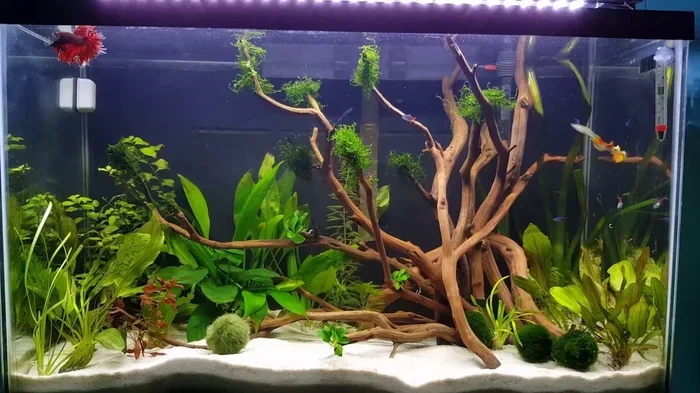
- Substrate: Gravel or sand designed for freshwater aquariums.
- Plants: Live or silk plants provide hiding spots and reduce stress.
- Light: A standard aquarium light helps plants grow and shows off your betta’s colors.
### Cycling Your Freshwater Tank
Before adding your betta, you need to cycle the tank. Cycling means building beneficial bacteria that break down harmful toxins like ammonia and nitrite. This process takes about 4 to 6 weeks.
Adding a betta to an uncycled tank is one of the most common beginner mistakes. Ammonia spikes in freshwater tanks can be deadly. Use a liquid test kit to monitor ammonia, nitrite, and nitrate levels. A fully cycled freshwater tank is a safe tank for your betta.
## Feeding Your Freshwater Betta
### What to Feed Betta Fish
Bettas are carnivorous freshwater fish. They need a diet high in protein. High-quality betta pellets should be the staple of their diet. Look for pellets where the first ingredient is whole fish or fish meal.
You can also offer frozen or live foods like brine shrimp, bloodworms, and daphnia. These make great treats and help enhance your betta’s colors. Do not overfeed, though. Bettas have small stomachs, and excess food can pollute the freshwater tank.
### Feeding Schedule
Feed your betta 2 to 3 small meals per day. Only give what they can eat in 2 to 3 minutes. Uneaten food sinks to the bottom and decays, which raises ammonia levels in your freshwater tank.
Skipping one day of feeding per week can also benefit your betta. It helps their digestive system stay healthy. Just make sure your betta is active and eating well on feeding days.
## Common Mistakes with Freshwater Betta Care
### Keeping Bettas in Too-Small Tanks
One of the biggest mistakes people make is housing a betta in a bowl or a tank smaller than 5 gallons. While bettas can survive in small spaces, they do not thrive. A proper freshwater aquarium gives them room to swim, explore, and display their natural behaviors.
### Ignoring Water Changes
Even with a filter, freshwater tanks need regular water changes. Waste builds up over time, and no filter can remove all of it. A 25% water change every week keeps the water clean and your betta healthy.
### Using the Wrong Water
Never use untreated tap water directly in your betta tank. Tap water contains chlorine and chloramine, which are harmful to freshwater fish. Always use a water conditioner like Prime or Seachem Safe before adding water to your tank.
### Overcrowding the Tank
Bettas are freshwater fish that need appropriate tank mates. Not all fish get along with bettas. Avoid keeping two male bettas together at all times. They will fight, and one or both could die.
## Can Bettas Live With Other Freshwater Fish?
### Good Tank Mates for Bettas
Many people wonder if bettas can share a freshwater tank with other fish. The good news is that some fish do get along well with bettas. Peaceful, non-fin-nipping species work best.
Some great options include:
- Neon tetras
- Corydoras catfish
- Harlequin rasboras
- Kuhli loaches
- Mystery snails
These freshwater fish are calm and stay out of your betta’s way. They do not bother the betta’s long fins, which is important because bettas can be territorial.
### Fish to Avoid With Bettas
Some freshwater fish are not compatible with bettas. Avoid fin-nippers like tiger barbs and serpae tetras. Also, avoid bright or colorful fish that might trigger your betta’s aggression.
Before adding any new fish, research their care requirements and temperament. A well-planned freshwater community tank can be beautiful and safe for all its inhabitants.
## The Truth About Bettas and Saltwater
### Can Bettas Survive in Saltwater?
No. Bettas are freshwater fish and cannot survive in saltwater. Their bodies are not designed to process salt. Exposure to saltwater causes severe stress, gill damage, and eventually death.
Some people confuse bettas with certain saltwater fish that look similar. But bettas are entirely freshwater creatures. If you want a saltwater aquarium, you need different fish species altogether.
### Brackish Water and Bettas
Some fish species live in brackish water, which is a mix of freshwater and saltwater. Bettas are not one of them. They need pure freshwater to stay healthy. Never add salt or marine salt mixes to a betta tank.
## Expert Tips for a Healthy Freshwater Betta
### Monitor Water Parameters Regularly
Test your water at least once a week. Keep an eye on ammonia, nitrite, nitrate, pH, and temperature. Catching problems early is the best way to prevent illness.
### Keep the Tank Clean
A clean freshwater tank is a healthy tank. Remove uneaten food, vacuum the substrate during water changes, and wipe down the glass. A well-maintained tank reduces the risk of disease.
### Watch for Signs of Stress
A stressed betta may lose color, hide constantly, or stop eating. Common causes of stress include poor water quality, temperature swings, and aggressive tank mates. Address these issues quickly to keep your betta happy.
### Provide Mental Stimulation
Bettas are curious freshwater fish. They enjoy exploring their environment. Add plants, caves, and gentle decorations to keep them mentally stimulated. A bored betta in a bare tank can become lethargic and depressed.
## Key Takeaways Recap
Key Takeaways
- Bettas are freshwater fish: They naturally live in freshwater habitats like rice paddies, streams, and canals in Southeast Asia.
- Freshwater tanks are essential: Keeping bettas in saltwater or brackish water can seriously harm their health and shorten their lifespan.
- Water parameters matter: Bettas need warm freshwater with a temperature between 76-82°F and a pH between 6.5 and 7.5.
- Tank setup is simple: A freshwater tank of at least 5 gallons with a heater and filter creates the ideal betta environment.
- Bettas are hardy but not invincible: Even though they are freshwater fish, they still need proper care, clean water, and a balanced diet.
- Freshwater compatibility varies: Some freshwater fish get along with bettas, while others do not. Choose tank mates carefully.
Key Takeaways
- Bettas are freshwater fish: They come from warm, shallow freshwater habitats in Southeast Asia.
- Freshwater tanks are a must: Saltwater or brackish water will harm your betta. Always keep them in pure freshwater.
- Proper water parameters are critical: Maintain temperatures between 76-82°F and a pH of 6.5-7.5 for optimal health.
- A 5-gallon tank minimum: Bettas need space to thrive. Larger tanks are even better for stability and enrichment.
- Tank mates must be chosen carefully: Only peaceful freshwater species should share a tank with your betta.
- Regular maintenance prevents problems: Weekly water changes and water testing keep your freshwater environment safe.
## Frequently Asked Questions
Are betta fish freshwater or saltwater fish?
Bettas are exclusively freshwater fish. They naturally live in warm, shallow freshwater habitats like rice paddies, streams, and canals in Southeast Asia. They have never adapted to saltwater and cannot survive in it.
Can bettas live in a bowl without a filter?
While bettas can survive in a bowl, they thrive much better in a filtered freshwater tank. A filter helps maintain clean water and stable parameters. At minimum, a 5-gallon tank with a gentle sponge filter is the best setup for a healthy betta.
What freshwater fish are compatible with bettas?
Peaceful, non-aggressive freshwater fish make the best tank mates for bettas. Good options include neon tetras, corydoras catfish, harlequin rasboras, and mystery snails. Always research compatibility before adding new fish to a shared freshwater tank.
Do bettas need a heater in their freshwater tank?
Yes, bettas are tropical freshwater fish and need warm water. A heater set to maintain a temperature between 76°F and 82°F is essential. Without a heater, your betta may become stressed, sluggish, or susceptible to illness.
Can bettas live in brackish water?
No, bettas are freshwater fish and should not be kept in brackish water. Their bodies are not equipped to handle any level of salt. Pure freshwater with proper parameters is the only safe environment for bettas.
How often should I change the water in my betta’s freshwater tank?
A 25% water change every week is recommended for a freshwater betta tank. This helps remove waste, excess nutrients, and chemicals that build up over time. Always use a water conditioner to treat tap water before adding it to the tank.
## Final Thoughts
So, are bettas freshwater fish? Absolutely. Bettas are beautiful, hardy, and fascinating freshwater creatures that bring joy to aquariums around the world. They are not difficult to care for, but they do need the right freshwater environment to truly thrive.
By understanding their natural habitat, setting up a proper freshwater tank, maintaining good water quality, and choosing suitable tank mates, you can give your betta a happy and healthy life. Freshwater fishkeeping is a rewarding hobby, and bettas are one of the most rewarding species to keep.
Remember, a well-maintained freshwater tank is the foundation of good betta care. Invest time in learning about water parameters, feeding habits, and the unique needs of your betta. The effort is absolutely worth it when you see your betta displaying vibrant colors and natural behaviors in their freshwater home.
If you are new to the hobby, start small. A 5-gallon freshwater tank with a heater and filter is all you need to get started. From there, you can expand your knowledge and maybe even build a community tank with compatible freshwater fish.
Bettas deserve the best care we can provide. And now you have the knowledge to give it to them. Happy fishkeeping!
Frequently Asked Questions
What is are bettas freshwater fish?
are bettas freshwater fish is an important topic with many practical applications.