Do Betta Fish Live in Puddles
No, betta fish do not naturally live in isolated, temporary rain puddles. This pervasive myth stems from a misunderstanding of their actual wild habitat: the shallow, warm, slow-moving waters of rice paddies, marshes, and floodplains in Thailand. These environments are permanent or seasonal, with vegetation and stable conditions, unlike a transient puddle which lacks oxygen and food. Understanding this distinction is crucial for providing proper care, as bettas require a heated, filtered tank with ample space to thrive in captivity.
You’ve seen them, haven’t you? Those tiny, colorful fish in small glass bowls on a desk or in a corner. The marketing often implies they are “low-maintenance” pets that come from, and are perfectly happy in, little more than a cup of water—a puddle. The image is powerful: a tough, little survivor thriving in a harsh, minimal environment. But what if I told you that one of the most popular pet fish in the world is living under a profound misconception? The question do betta fish live in puddles is more than just trivia; it’s the key to unlocking proper care and ending widespread animal neglect. Let’s dive deep into the muddy waters of this myth and discover the beautiful, complex reality of the Siamese fighting fish.
Key Takeaways
- The “puddle” myth is incorrect: Betta fish are native to the stable, shallow ecosystems of Southeast Asian rice paddies and marshes, not isolated rain puddles.
- Wild habitat specifics: Their natural waters are warm (78-80°F), slow-moving or stagnant, heavily vegetated, and often have low dissolved oxygen, which led to their labyrinth organ evolution.
- Puddles are deadly: A true rain puddle is temporary, lacks plants, has poor water quality, no stable temperature, and no food source, making it a fatal environment for a betta.
- Tank requirements are non-negotiable: A proper betta home needs a minimum 5-gallon heated tank (78-80°F), a gentle filter, and plants (live or silk) for enrichment and security.
- Enrichment is critical: Bettas are intelligent and curious. Without plants, hiding spots, and mental stimulation in a barren “puddle-style” tank, they become bored, stressed, and prone to disease.
- Misinformation harms fish: The puddle myth encourages tiny, unheated bowls which cause suffering, shortened lifespans, and is a primary reason for bettas being one of the most mistreated pet fish.
- Responsible ownership means research: Before getting a betta, understand their true needs. Providing a proper aquatic ecosystem, not a symbolic puddle, is the key to a healthy, vibrant companion.
📑 Table of Contents
- Debunking the Puddle Myth: Where Did This Idea Come From?
- The REAL Natural Habitat: Rice Paddies and Marshes of Thailand
- Why a Rain Puddle is a Death Trap for a Betta
- The Modern Captive Requirement: Replicating the Wild, Not a Puddle
- Common Mistakes and How to Avoid Them
- Responsible Ownership: Seeing Beyond the Puddle
- Conclusion: From Puddle to Paradise
Debunking the Puddle Myth: Where Did This Idea Come From?
The idea that bettas (Betta splendens) live in puddles is a classic case of a half-truth morphing into a damaging myth. The half-truth is this: bettas are native to Thailand (formerly Siam, hence “Siamese” fighting fish), and they are often found in very shallow water. The myth takes that and leaps to the conclusion that any shallow water, especially a temporary rain puddle, is their natural home. This simplification ignores the critical differences between a dynamic, biodiverse ecosystem and a transient depression in the dirt.
The Origin of the Misconception
This myth gained traction for a few reasons. First, in their wild form, bettas are not the long-finned, brilliantly colored specimens you see in stores. They are typically shorter-finned and a muted green or brown, providing camouflage in their murky, plant-filled habitats. Second, their most famous behavior—gulping air from the surface—is an adaptation to low-oxygen water. To a casual observer, seeing a fish breathe air might scream “it can survive in bad, puddle-like water!” But this adaptation is for *stable* low-oxygen environments, not for the rapidly deteriorating conditions of a puddle.
Finally, the pet industry, for decades, capitalized on this “tough survivor” image to market them as the perfect “beginner” or “desk” pet, often sold in tiny cups or bowls. It was a convenient narrative that sold products, but it came at a devastating cost to the fish’s welfare. The truth is, a betta’s resilience is not about tolerating poor conditions; it’s about thriving in a specific, complex set of environmental parameters.
The REAL Natural Habitat: Rice Paddies and Marshes of Thailand
So, if not puddles, where do bettas come from? The answer is the lush, watery landscapes of central Thailand. Their native habitat is the rice paddy. These are not random flooded fields; they are meticulously managed agricultural ecosystems. During the rainy season, vast lowlands flood, creating a interconnected mosaic of shallow, slow-moving or stagnant water channels, marshes, and temporary ponds.
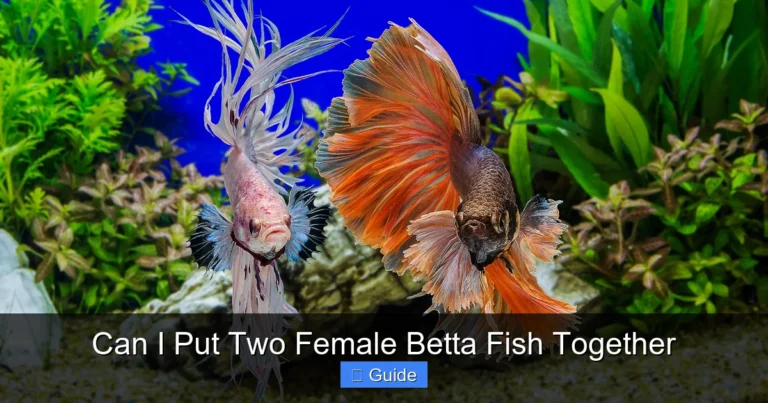
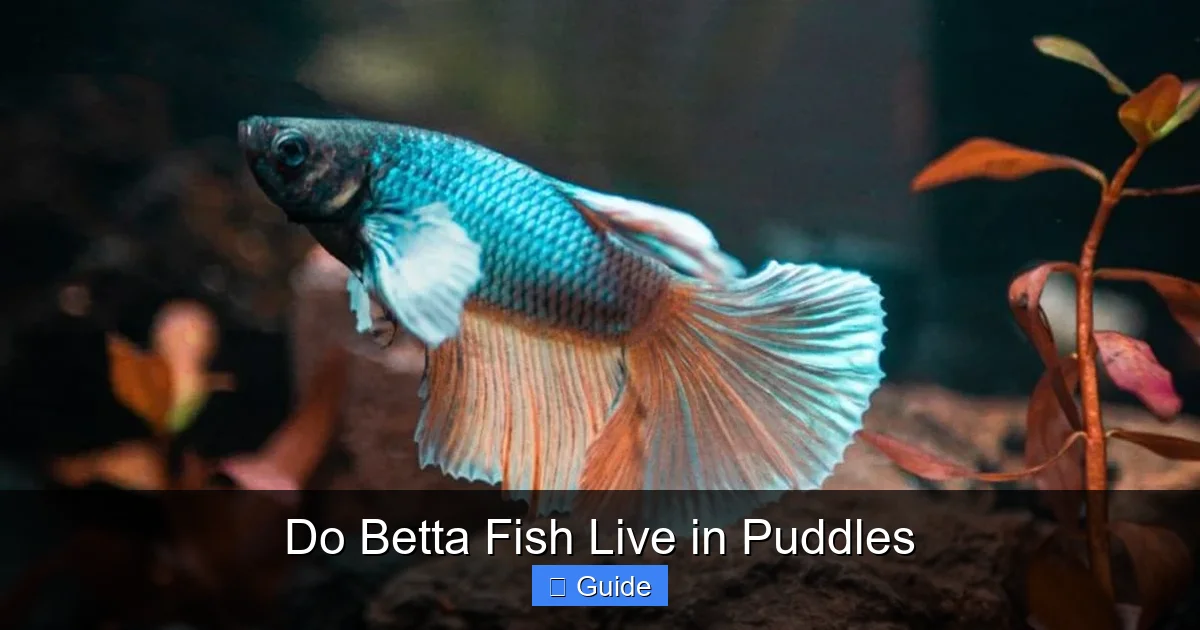
Visual guide about Do Betta Fish Live in Puddles
Image source: bestfishkeeping.com
Characteristics of a Betta’s Wild Home
Think of it this way: a betta’s wild world is a dense, underwater jungle. The water is typically:
- Shallow: Often less than 6 inches deep, allowing sunlight to penetrate and warm the water significantly.
- Warm: Consistently between 78-80°F (25.5-26.5°C), with little daily fluctuation.
- Slow-Moving or Stagnant: Water flow is minimal. There is no filter or current.
- Heavily Vegetated: Thick with aquatic plants, overhanging vegetation, and tangled roots. This provides critical cover from predators, nesting sites for bubble nests, and a complex environment.
- Variable in Chemistry: Water can be soft and acidic, with tannins from decaying plant matter giving it a tea-colored tint. Dissolved oxygen can be low, especially under dense plant cover at night.
This environment is permanent or seasonal. While floodwaters may recede, the betta’s ability to move through connected waterways and its labyrinth organ (which allows it to breathe atmospheric air) allows it to survive in isolated pockets as water levels change. This is a far cry from a random puddle formed by a single rainstorm, which is isolated, evaporates quickly, and lacks the established ecosystem.
Why a Rain Puddle is a Death Trap for a Betta
Now, let’s contrast the stable rice paddy with a true rain puddle. A puddle is the antithesis of a betta’s needs and represents a cascade of lethal problems.
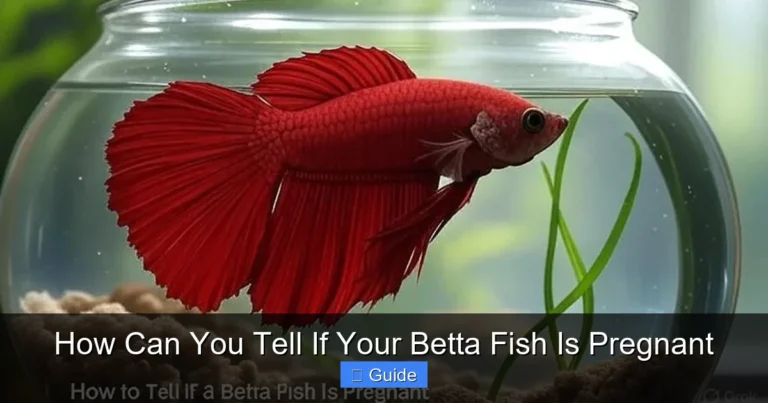
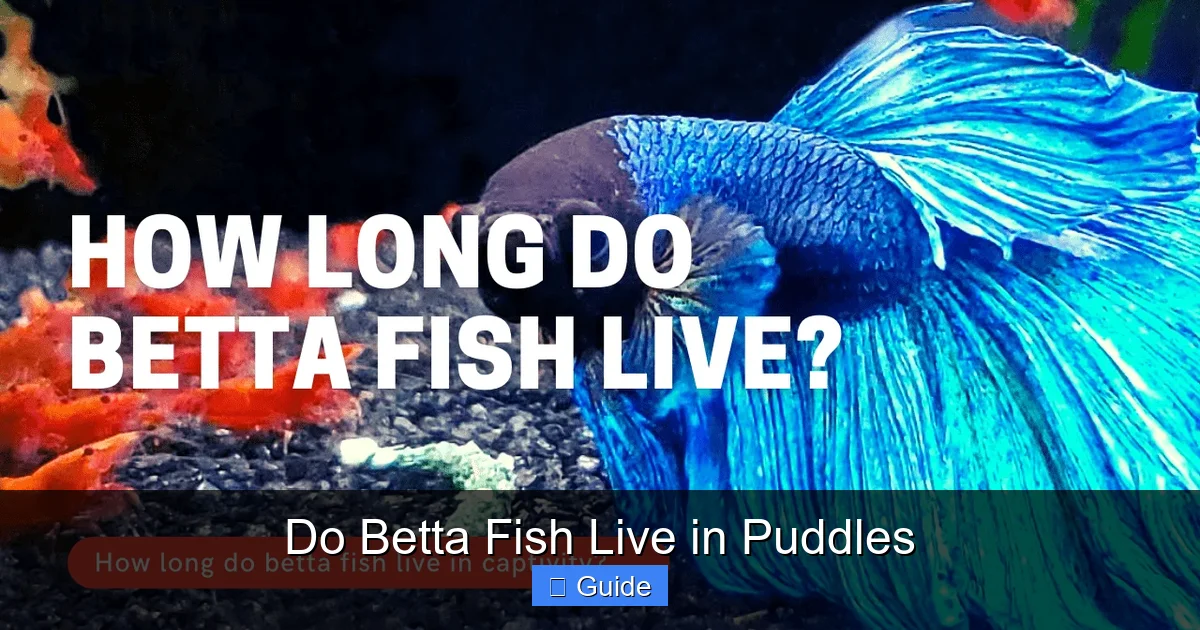
Visual guide about Do Betta Fish Live in Puddles
Image source: petpad.net
The Fatal Flaws of a Puddle
1. Instability and Evaporation: A puddle is ephemeral. It exists for hours or days before evaporating or being absorbed. As it shrinks, the concentration of any pollutants (like runoff from roads, lawns, or animal waste) skyrockets. Temperature swings wildly from day to night.
2. Zero Oxygen Production: In a vegetated rice paddy, plants produce oxygen during the day. A puddle, especially one on bare soil or pavement, has almost no plant life. At night, all oxygen is consumed by any organisms present, leading to suffocation. The betta’s labyrinth organ is a supplement for low-oxygen water, not a replacement for water entirely devoid of oxygen.
3. No Food Web: A puddle is a biological desert. It lacks the microorganisms, insect larvae, and small crustaceans that make up a betta’s natural diet. A betta placed there would starve.
4. Predation and Contamination: A puddle is an open target for birds, insects, and other predators. Furthermore, it collects every chemical in the runoff—pesticides, fertilizers, oil, heavy metals. These are instantly toxic.
5. No Escape or Shelter: With no plants or structures, a betta has nowhere to hide. This causes immense stress, weakening its immune system. Stress is a silent killer in fish.
In essence, a puddle is a trap, not a habitat. The betta’s “toughness” is an adaptation to a *specific* tough environment (warm, stagnant, vegetated water), not a universal ability to endure any dirty, small body of water.
The Modern Captive Requirement: Replicating the Wild, Not a Puddle
Our responsibility as keepers is to replicate the *beneficial parameters* of the wild habitat in a controlled, stable aquarium. This means creating a lush, warm, serene underwater world. The “minimum” is a cruel starting point; the “ideal” should be the goal.
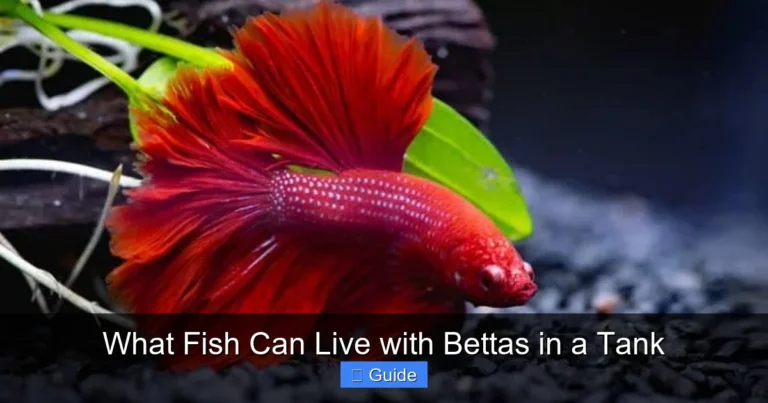
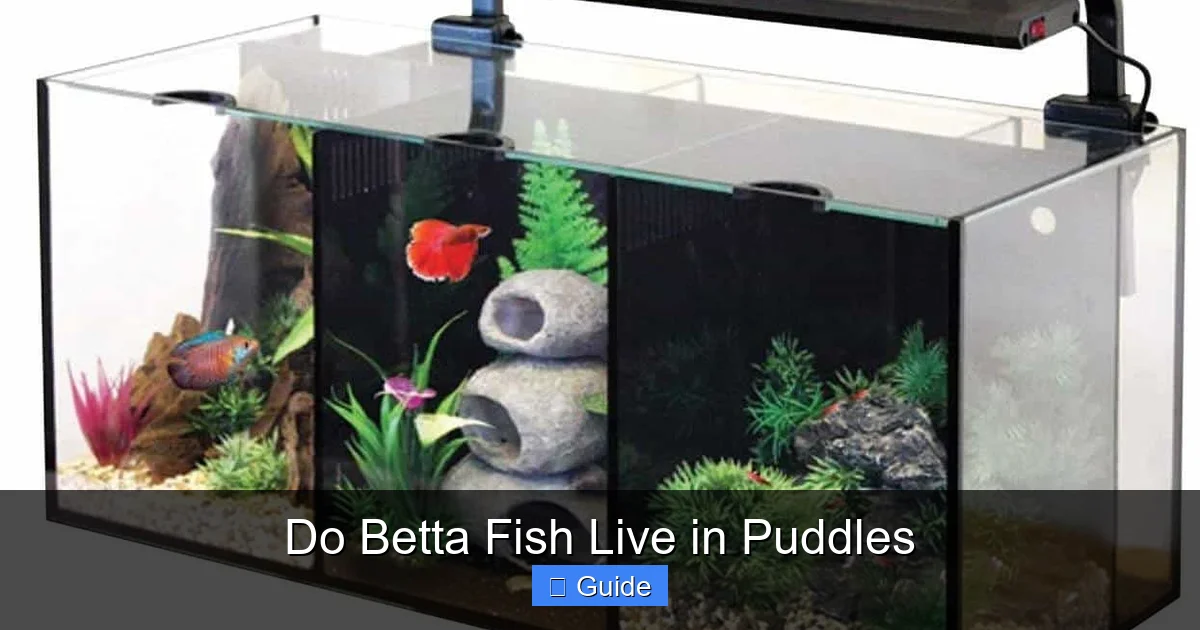
Visual guide about Do Betta Fish Live in Puddles
Image source: petpad.net
Tank Size and Setup: It’s Not About the Fish, It’s About the Water
The infamous “betta bowl” is perhaps the worst offender. A bowl has no surface area for gas exchange (oxygen entering the water), is impossible to filter or heat properly, and offers zero space. The absolute bare minimum is a 5-gallon (19-liter) tank. This provides enough water volume to dilute toxins (like ammonia from fish waste), create a stable temperature, and allow for a proper filter and heater. A 10-gallon is even better and still a very manageable size.
Filtration: A gentle filter is essential. It houses beneficial bacteria that process toxic fish waste (the nitrogen cycle). The flow must be adjustable or baffled so it’s not blasting the betta, which can stress them and damage their long fins. Sponge filters are an excellent, gentle option.
Heating: This is non-negotiable. Bettas are tropical fish. A stable temperature of 78-80°F (25.5-26.5°C) is required for their immune system and metabolism to function correctly. An aquarium heater with a thermostat is mandatory in all but the warmest climates.
The Importance of Plants and Decor
This is where we move from a sterile tank to a *home*. Plants are not just decoration; they are a core component of betta welfare.
- Shelter and Security: Bettas are a prey species in the wild. They need places to retreat to feel safe. Without hiding spots, they are in a constant state of low-grade stress.
- Enrichment: Plants, driftwood, and smooth rocks create a complex landscape to explore. This mental stimulation is vital for preventing boredom, which can manifest as lethargy, loss of color, or repetitive glass-bumping.
- Bubble Nest Support: Male bettas build bubble nests at the water’s surface, often anchoring them to overhanging leaves or floating plants. Providing this encourages natural breeding behavior and gives them a sense of purpose.
- Water Quality: Live plants help absorb nitrates (a less toxic waste product) and compete with algae.
Use live plants like Anubias, Java Fern, or Marimo moss balls, or high-quality silk plants. Avoid plastic plants with sharp edges that can tear delicate fins.
Common Mistakes and How to Avoid Them
Even with good intentions, many new betta owners fall into traps that simulate a “puddle” more than a paradise.
Mistake 1: The “Cool” Tank
Because they come from warm Thailand, some think a cooler tank is fine. It is not. Cold water slows their metabolism, suppresses their immune system, and makes them susceptible to diseases like fin rot and ich. Always use a heater and a thermometer to verify the temperature.
Mistake 2: Overfeeding and Poor Water Quality
Bettas are prone to obesity and constipation. Overfeeding leads to excess waste, which poisons the water. Feed a high-quality pellet or frozen food (like daphnia or brine shrimp) no more than once or twice a day, only what they can consume in 2-3 minutes. A cycled filter and regular water changes (25% weekly in a 5-gallon) are essential.
Mistake 3: Tank Mates from Hell
The betta’s reputation for aggression is earned. They are often housed with fish that nip their long fins (like tiger barbs) or are themselves seen as competition (other brightly colored or long-finned fish). The “community tank” with a betta requires meticulous research. Suitable mates are generally peaceful, non-nippy, and fast-moving (like certain rasboras or corydoras catfish) in a tank of 20+ gallons. For most beginners, a species-only tank is the safest and kindest choice.
Responsible Ownership: Seeing Beyond the Puddle
Choosing to get a betta is choosing to be a steward for a creature with specific, ancient needs. It means rejecting the puddle imagery and embracing the reality of the rice paddy.
What to Look For When Buying
Seek reputable local fish stores or breeders, not big-box retailers where bettas are often shipped in tiny cups and left to die in their own waste. Look for a fish that is alert, with undamaged fins, clear eyes, and no signs of fungal growth or clamped fins. Ask about their source and housing conditions.
The Reward of Proper Care
A well-cared-for betta is a spectacular pet. They recognize their keepers, follow fingers at the glass, perform elaborate flaring displays, and build intricate bubble nests. Their colors become more vibrant, and their fins flow freely in the gentle current of a properly set-up tank. Their lifespan stretches from the 1-2 years often seen in bowls to 5-7 years in a proper aquarium. You move from being a custard of a survivor to a facilitator of a thriving life.
Conclusion: From Puddle to Paradise
The question do betta fish live in puddles has a definitive answer: no. They live in the shallow, warm, plant-rich wetlands of Southeast Asia. The puddle is a myth that has caused immeasurable suffering by justifying inadequate care. A betta’s labyrinth organ is a marvel of evolution for a specific environment, not a license for neglect. By understanding their true natural history, we can dismantle the harmful imagery of the bowl and replace it with the beautiful reality of the aquarium—a filtered, heated, planted sanctuary that mimics the rice paddies of their ancestors. In doing so, we don’t just keep a fish; we honor a living piece of evolutionary history and provide a life that is vibrant, long, and truly flourishing. The next time you see a betta, imagine not a puddle, but a sun-dappled, green world of water—and give them nothing less.
Frequently Asked Questions
Can betta fish survive in a bucket of rainwater?
No. While rainwater is soft, it lacks essential minerals, has no established beneficial bacteria, and will quickly become contaminated with debris and pollutants from the bucket. Temperature will also plummet. It would be a stressful and fatal environment within hours or days.
What is the absolute smallest proper tank for a betta?
The absolute minimum is a 5-gallon (19-liter) cycled and filtered tank with a heater. This size allows for stable water parameters, enough space for plants and exploration, and proper equipment. Anything smaller, like a bowl or vase, cannot support a healthy, long-term ecosystem.
Do all betta fish have the labyrinth organ?
Yes, all species in the Betta genus possess the labyrinth organ, an adaptation for breathing atmospheric air. This is why they *must* have access to the water’s surface to gulp air. However, this does not mean they can live in low-oxygen water; it means they can survive in waters that are low in dissolved oxygen but are otherwise stable and clean.
Why are bettas so aggressive if they come from such peaceful-looking rice paddies?
Their aggression, especially in males, is a territorial and breeding behavior. In the wild, a male betta defends a small territory of plants and roots from rival males. This intense focus on a small patch of habitat is a survival strategy. In a tiny tank, this territory becomes the entire space, so any perceived intruder (including a reflection or a tank mate) will trigger a full aggressive response.
Can I keep a betta in a plant vase without a filter or heater?
No. A plant vase is a decorative object, not an aquarium. It lacks the water volume for temperature stability, has no filtration for waste removal, and cannot accommodate a heater. The plant will not oxygenate the water sufficiently or filter fish waste. This setup is a slow death sentence for the fish.
Is a “betta sorority” (group of females) a good idea?
Female betta sororities are high-risk and require extensive expertise. They need a large, heavily planted tank (minimum 20+ gallons) with many visual barriers to establish individual territories. Even then, aggression and injuries are common. It is not recommended for beginners and is often stressful for the fish. A single male or female betta in a properly set-up species-only tank is the most humane and low-stress option.