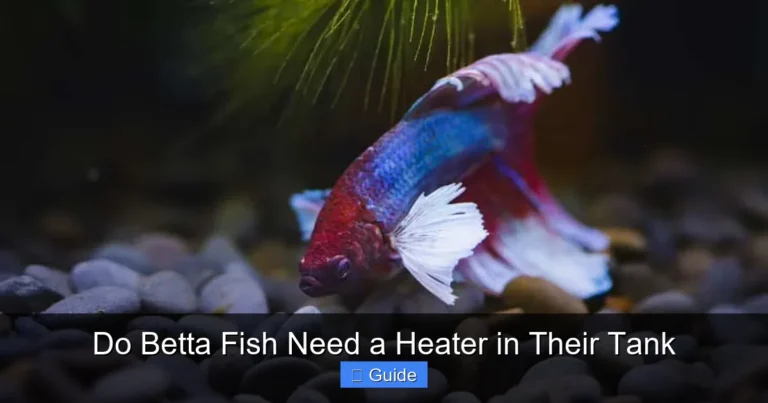
Do Betta Fish Grow Big
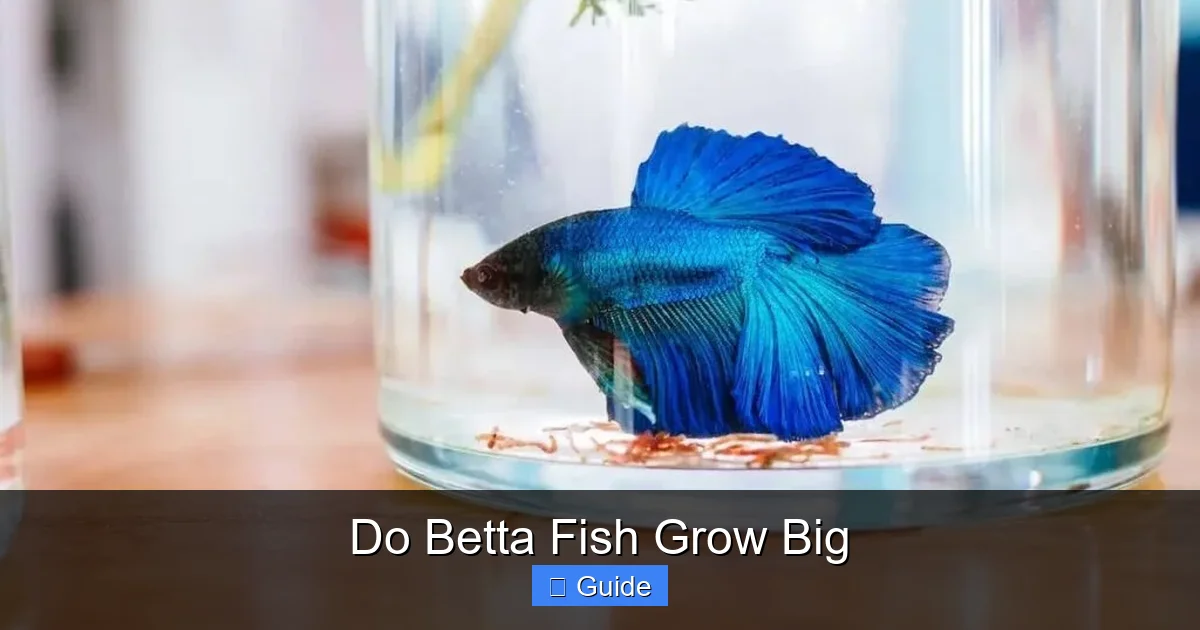
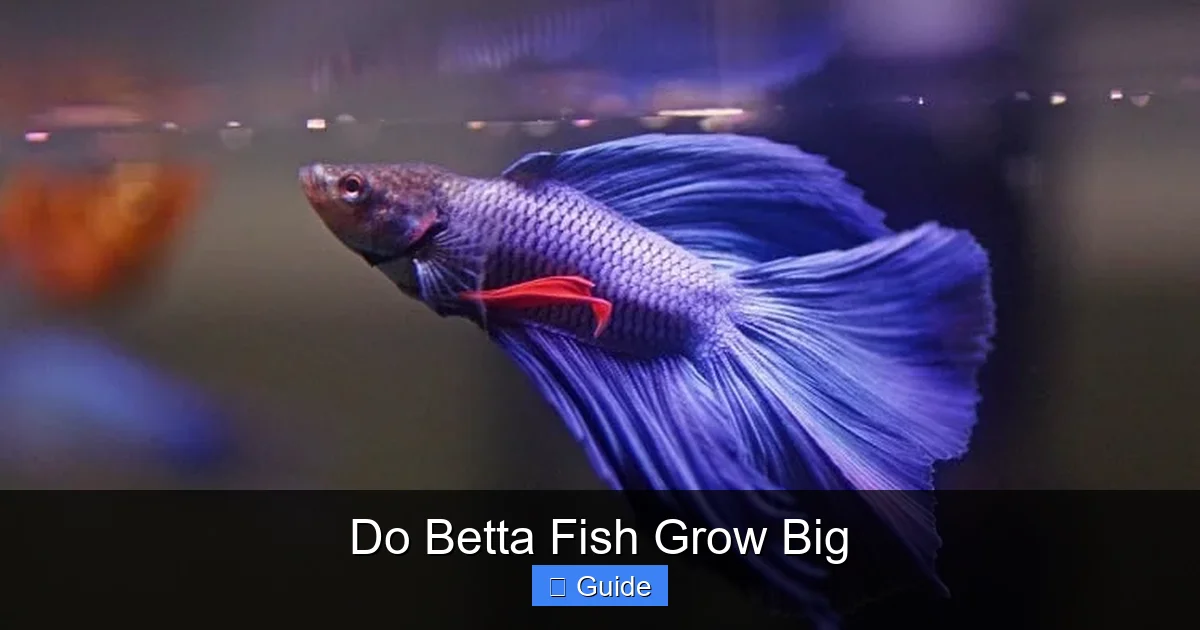
Do betta fish grow big? The answer is yes, but with important caveats. A healthy, well-cared-for betta in a properly sized tank with a nutritious diet can reach 2.5 to 3 inches in length, with some exceptional individuals exceeding 3.5 inches. Their size is not predetermined but is a direct reflection of their environment, genetics, and care. Neglecting these factors often results in stunted growth and poor health, perpetuating the myth that bettas are “small fish” suitable for tiny containers.
You’ve seen them everywhere: in tiny cups at the pet store, in small glass vases on a desk, or in a “betta bowl” on a shelf. The common perception is that the betta fish, or Siamese fighting fish, is a diminutive creature, a small splash of color perfect for a compact space. But is this the whole truth? Do betta fish grow big? The answer will likely surprise you and completely change how you view one of the most popular aquarium pets in the world.
The reality is that a betta fish, given the right conditions, is a surprisingly substantial animal. They are not naturally “small fish.” Their small stature in many homes is a direct symptom of poor husbandry, not a species trait. Understanding how big a betta can get, and more importantly, why many do not, is the first step toward providing the exceptional care these intelligent, beautiful fish deserve. This guide will dive deep into the factors that determine betta size, debunk pervasive myths, and provide a clear roadmap for helping your betta not just survive, but thrive and reach its full, magnificent potential.
Key Takeaways
- Maximum Size: A fully grown, healthy betta fish typically reaches 2.5 to 3 inches (6.4 to 7.6 cm) from snout to tail fin tip, with some males exceeding 3.5 inches (9 cm) under optimal conditions.
- Wild vs. Captive: Wild bettas (Betta splendens) are generally leaner and may appear slightly longer due to fin length, but captive-bred varieties with large fins are bulkier and often heavier.
- Tank Size is Critical: A minimum of 5 gallons (19 liters) is non-negotiable for a single betta to reach its full size potential. Smaller containers severely stunt growth and harm health.
- Diet Drives Development: High-protein, varied diets (pellets, frozen, live foods) are essential for muscle development and overall growth. Cheap, low-quality food leads to malnutrition and poor size.
- Growth is Not Instant: Bettas reach their full size between 6 months to 1 year of age. Rapid growth is a sign of good health, but it requires consistent, proper care from a young age.
- Myth Busting: The “small bowl” myth is dangerous and false. A betta in a 1-gallon bowl is not “staying small”; it is suffering from chronic stress and poor water quality that cripples its immune system and growth.
- Genetics Set the Ceiling: While care determines if a betta reaches its potential, genetics define the maximum potential size. A fish from poor lineage will not grow as large as one from a reputable breeder, regardless of care.
📑 Table of Contents
- The Truth About Betta Fish Size: What’s Normal?
- Wild Betta vs. Captive Betta: A Size Comparison
- The #1 Factor for Growth: Tank Size and Environment
- Fueling Growth: The Critical Role of Diet
- Health and Genetics: The Unseen Limits on Size
- Debunking the Biggest Betta Size Myths
- Practical Guide: Helping Your Betta Reach Its Full Size Potential
- Conclusion: Redefining the Betta Experience
The Truth About Betta Fish Size: What’s Normal?
Let’s start with the hard numbers. The average, healthy adult betta fish (Betta splendens) kept in proper aquarium conditions will measure between 2.5 and 3 inches (6.4 to 7.6 cm) in total length. This measurement is taken from the tip of the snout to the very end of the tail fin when it is fully extended. It’s important to note that much of this length in the showy, captive-bred varieties is made up of those incredible, flowing fins.
Body Length vs. Total Length
When aquarists discuss size, they often differentiate between body length (the actual fish’s torso) and total length (including fins). A betta’s body—the part from the gill cover to the base of the tail—is typically only about 1.5 to 2 inches. The rest of the impressive measurement comes from the caudal (tail), dorsal, anal, and pelvic fins. In wild-type bettas with shorter, more functional fins, the total length might only be 2 to 2.5 inches, but their body is leaner and more torpedo-shaped.
So, is 3 inches “big”? In the world of freshwater aquarium fish, it’s considered medium-sized. For context, a common goldfish can exceed 12 inches, and a neon tetra is about 1.5 inches. A 3-inch betta is a solid, noticeable presence in a tank. The “big” question isn’t just about length, but about the fish’s overall health, vitality, and form. A betta that is 3 inches long with a stout, healthy body and vibrant, undamaged fins is a magnificent specimen. A betta that is 1.5 inches long with clamped fins and a skinny body is a fish in distress.
Wild Betta vs. Captive Betta: A Size Comparison
To understand betta size, we must look at their origins. The betta fish we know and love is a far cry from its wild ancestor.
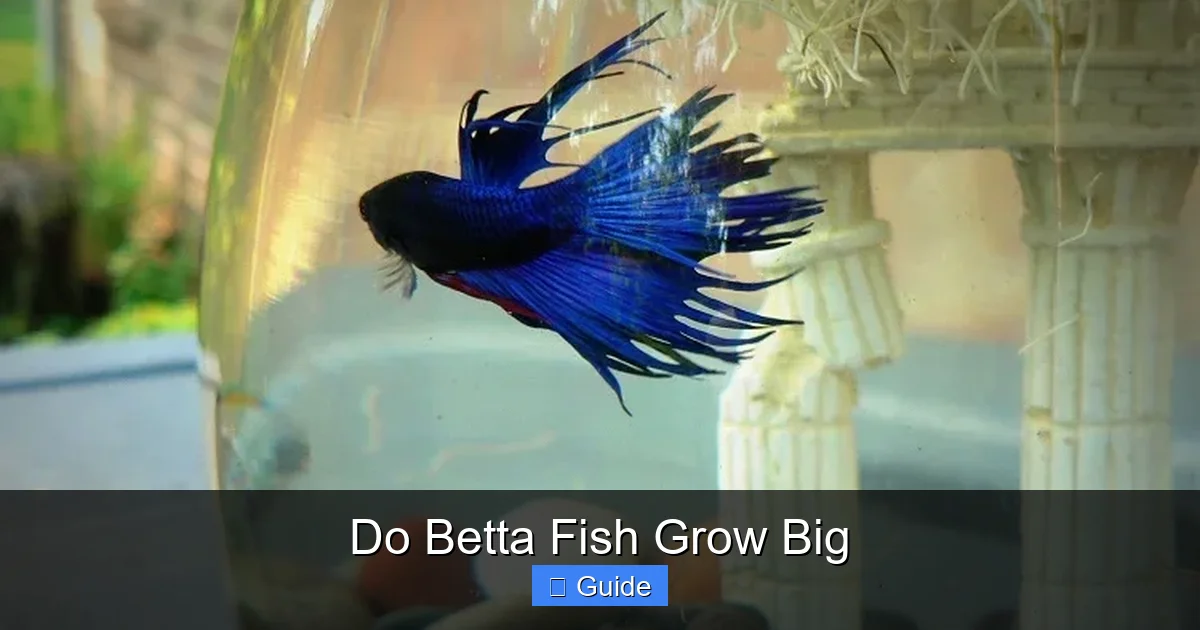
Visual guide about Do Betta Fish Grow Big
Image source: fishlab.com
The Lean, Mean Wild Betta
Wild Betta splendens, found in the shallow rice paddies, slow-moving streams, and floodplains of Thailand, Cambodia, Laos, and Vietnam, are built for survival. They are lean, agile, and built for short bursts of speed. Their fins are short and sturdy to navigate dense vegetation and avoid damage. A wild betta’s primary goal is to eat, avoid predators, and defend a tiny territory. They typically grow to about 2 to 2.5 inches in total length. Their coloration is often more subdued—greens, browns, and reds—for camouflage. Their size is perfectly adapted to their environment: just big enough to be an effective predator on insects and small crustaceans, but small enough to hide.
The Captive-Bred Showstopper
Centuries of selective breeding, originally for fighting prowess and later for breathtaking aesthetics, have dramatically altered the betta. Modern ornamental bettas are bred for one thing: visual impact. This means enormous, flowing fins (like the Halfmoon, where the tail spreads a full 180 degrees), vibrant colors, and dramatic tail shapes (like the Crowntail or Plakat). This selective breeding has come at a cost. Those magnificent fins are heavy, cumbersome, and energetically expensive to maintain. The fish’s body has often become more rotund and less hydrodynamic. Consequently, a captive-bred Halfmoon male, with all his finnage, can easily measure 3 to 3.5 inches from nose to tail tip. However, this bulk is not always a sign of health; it can be a sign of selective breeding for form over function. A healthy captive betta should have a streamlined body without a bloated abdomen, supporting those amazing fins.
The #1 Factor for Growth: Tank Size and Environment
This is the most critical and non-negotiable factor in determining how big your betta will get. The persistent myth that bettas belong in bowls or vases is not just wrong; it’s actively harmful and guarantees stunted growth.
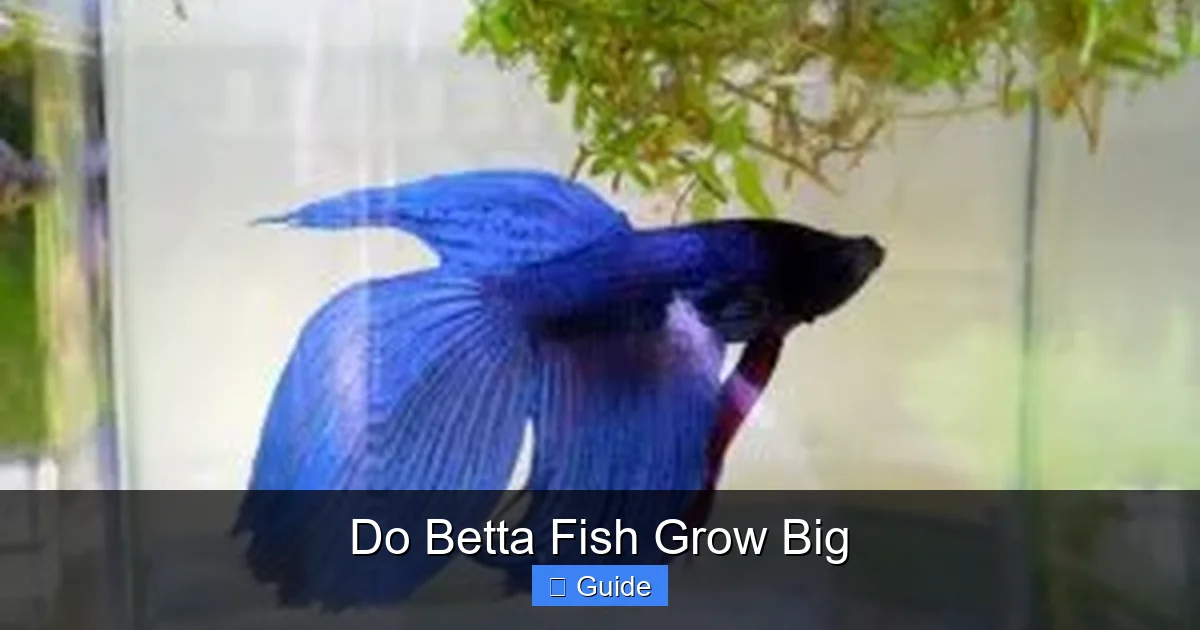
Visual guide about Do Betta Fish Grow Big
Image source: fishlab.com
Why a Tiny Bowl is a Growth-Killer
A small container (under 2 gallons) is a toxic, stressful prison for a betta. Here’s what happens:
- Ammonia Buildup: Even a tiny amount of waste produces toxic ammonia in a small volume of water. High ammonia burns gills, damages tissue, and forces the fish’s body to divert energy from growth to basic survival and repair.
- No Temperature Stability: Small water volumes heat and cool rapidly with room temperature changes. Bettas are tropical fish requiring a consistent 78-80°F (25.5-26.5°C). Temperature swings cause severe stress, suppressing the immune system and metabolism.
- Zero Environmental Enrichment: A bare bowl provides no stimulation. Bettas are curious, intelligent fish that explore, rest on leaves, and flare at their reflection. A lack of enrichment leads to boredom, stress, and lethargy, all of which negatively impact health and growth.
- Impossible to Cycle: A properly cycled aquarium establishes beneficial bacteria that process waste. A tiny bowl cannot sustain this cycle, leading to constant toxic spikes.
A fish in this environment is in a state of chronic stress and poor water quality. Its body simply shuts down non-essential functions like growth. It will remain small, pale, and frail, often succumbing to disease like dropsy or fin rot.
The 5-Gallon Minimum: The Gold Standard
The universal consensus among reputable betta keepers and aquarists is that a single betta requires a minimum of a 5-gallon (19-liter) tank. Why is this the magic number?
- Water Volume Dilution: 5 gallons provides enough buffer that a single betta’s waste products are diluted to safe levels, especially with a filter.
- Stable Parameters: Temperature, pH, and ammonia/nitrite/nitrate levels change much more slowly, creating a stress-free environment.
- Space to Explore: It allows for a heater, a gentle filter (like a sponge filter), and decorations—live or silk plants, caves, and smooth rocks—that provide hiding spots and resting places near the surface (bettas are labyrinth fish and need easy access to atmospheric air).
- Energy for Growth: In a stable, clean, enriched environment, the betta’s body no longer needs to fight constant low-grade poisoning or stress. All available energy can be directed toward growth, vibrant color development, and fin growth.
A betta in a cycled, filtered, heated 5-gallon tank with proper décor will almost always be larger, more active, and healthier than one in a 1-gallon bowl, even with the same genetics and diet. The tank size is the foundation.
Fueling Growth: The Critical Role of Diet
You can provide the perfect tank, but without proper nutrition, your betta will not reach its size potential. Bettas are carnivores by nature. Their short digestive tracts are designed to process insects and insect larvae, not plant matter. Feeding them exclusively “betta flakes” or pellets with the first ingredient as “wheat flour” or “soybean meal” is like feeding a lion a salad—it leads to malnutrition.
Visual guide about Do Betta Fish Grow Big
Image source: fishlab.com
Building the Perfect Betta Menu
A high-quality diet for growth and health must be protein-rich and varied. Think of it like a human diet: you need a balance of different food groups for optimal health.
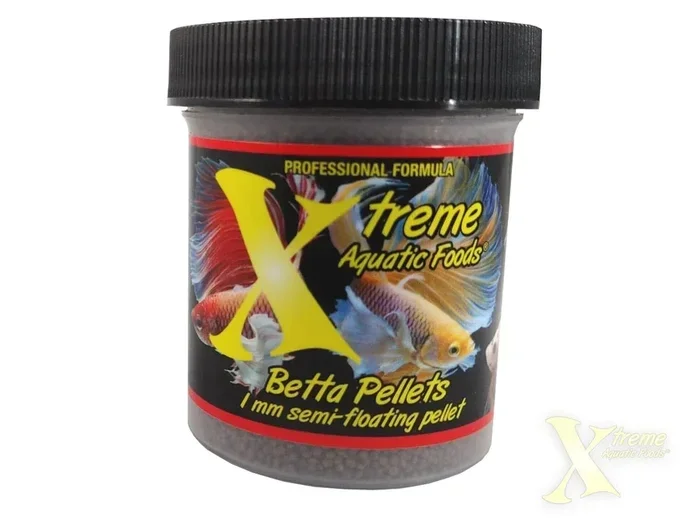
- Staple (60-70% of diet): A high-quality pellet or granule specifically formulated for bettas or carnivorous tropical fish. Look for products where the first 3-4 ingredients are whole fish, shrimp, squid, or krill meal. Brands like New Life Spectrum OPTI-MALE, Hikari Betta Bio-Gold, or Fluval Bug Bites are excellent. Feed only what the betta can consume in 2-3 minutes, once or twice daily.
- Supplemental (20-30% of diet): Frozen or freeze-dried foods. These are crucial for providing variety and essential nutrients. Excellent options include:
- Bloodworms (chironomid larvae) – a favorite, but feed sparingly as a treat due to potential constipation.
- Brine Shrimp (especially enriched) – great for digestion and adding color.
- Daphnia – excellent for digestive health and a mild laxative.
- Mysis Shrimp – a high-protein, nutritious treat.
Soak frozen foods in a cup of tank water first to thaw. Never feed live foods unless you are absolutely certain of their source (to avoid introducing parasites or diseases).
- Treats (5-10% of diet): Occasional treats like a small piece of peeled, blanched pea (to aid constipation) or a tiny bit of high-quality, unsalted cooked seafood.
The Consequences of a Poor Diet
Underfeeding or feeding low-quality, carb-heavy food leads to:
- Stunted Growth: The body lacks the building blocks (amino acids from protein) to develop muscle and structure.
- Poor Color: Vibrant colors in bettas are often enhanced by carotenoids and other pigments found in high-quality foods like krill and brine shrimp. A bland diet leads to dull, faded colors.
- Fin Rot and Damage: Weak, brittle fins are a sign of poor nutrition. Fin rays need protein and nutrients to be strong.
- Constipation and Swim Bladder Issues: A common problem from overfeeding dry pellets or too many bloodworms. A constipated betta will look bloated, struggle to swim, and may float upside down. This is not a “swim bladder disease” but a symptom of poor diet.
A well-fed betta is a robust betta. You should see a clear, muscular body definition, especially in the abdomen and the area just behind the gills (the operculum).
Health and Genetics: The Unseen Limits on Size
Even with a 10-gallon tank and a five-star diet, your betta has a genetic ceiling. You cannot make a fish grow larger than its lineage allows.
The Role of Breeder Quality
Where you get your betta matters immensely. Large chain stores often source from commercial farms where the priority is quantity and hardiness for shipping, not necessarily size or form. Bettas from reputable, specialized breeders are often larger, healthier, and have been selectively bred for generations for both beauty and vitality. These breeders cull weak or stunted fry, ensuring only the strongest genetics are sold. If maximum size is a goal, seek out a breeder who showcases their adult fish at full size. A 3-inch Halfmoon from a top breeder is a different animal from a 2-inch Halfmoon from a big-box store, even if raised in identical conditions.
Health Issues That Stunt Growth
Chronic illness will divert all energy away from growth. Common betta ailments that can cause stunting include:
- Chronic Parasites: Internal parasites like Hexamita or external ones like velvet (Oodinium) sap nutrients and energy.
- Bacterial Infections: Persistent, low-grade infections (like columnaris) cause inflammation and stress.
- Genetic Defects: Some fish are born with deformities or weakened immune systems that limit their growth potential from the start.
Prevention through excellent water quality and a strong diet is the best medicine. A healthy betta in a pristine tank is remarkably resilient. Regular observation for clamped fins, lethargy, loss of appetite, or spots/patches is key to catching issues early.
Debunking the Biggest Betta Size Myths
Misinformation about betta size is rampant. Let’s set the record straight on the most damaging myths.
Myth 1: “Bettas naturally stay small because they live in small puddles in the wild.”
FALSE. This is the most pervasive and dangerous myth. Wild bettas live in vast, interconnected rice paddy systems, shallow streams, and floodplains during the rainy season. They are not trapped in isolated puddles. They are territorial, but their territory can be quite large. They are adapted to water that is often warm, still, and low in oxygen (hence their labyrinth organ for breathing air), but the volume is significant. The “puddle” idea is a misunderstanding of their natural habitat used to justify cruel confinement.
Myth 2: “If I put my betta in a bigger tank, it will be stressed and die.”
FALSE. Bettas are not “tank-bound” creatures that panic in open water. They are curious and will actively explore a larger environment. The stress comes from poor water quality and boredom, not from having space. A 10-gallon tank with plants and hiding spots is a paradise compared to a 1-gallon vase. The only stress is during the initial transfer, which is minimized by proper acclimation.
Myth 3: “My betta is 1.5 inches, so that’s just how big his genes are.”
PROBABLY FALSE. Unless you have a documented lineage from a top breeder showing a small size, it’s almost certain your betta is stunted. A betta that never exceeds 2 inches in a proper 5+ gallon tank with a good diet likely has genetics from a line that has been poorly bred for decades in commercial farms. You are seeing the result of generational neglect, not a natural trait.
Myth 4: “Dwarf Bettas are a naturally small species.”
MOSTLY FALSE. There is a naturally occurring species, Betta imbellis (the Peaceful Betta), which is smaller, averaging 1.5 to 2 inches. True “dwarf bettas” sold in the hobby are almost always just very small, young, or stunted regular Betta splendens. They will grow if given proper care. Be wary of anyone marketing a “dwarf betta” as a permanent small size—it’s often a way to sell stunted fish.
Myth 5: “Females are always smaller than males.”
GENERALLY TRUE, BUT WITH nuance. Female bettas typically have shorter fins and a slightly less robust body than the most ornate males. However, a well-cared-for female in a good environment can still easily reach 2 to 2.5 inches in total length. The size difference is not dramatic like in some other fish species. A poorly kept female may be tiny, but a thriving female is a substantial fish.
Practical Guide: Helping Your Betta Reach Its Full Size Potential
So, you want a big, beautiful, healthy betta? Here is your action plan, from purchase to prime.
Step 1: Start with the Right Fish
If possible, buy your betta from a local aquarium store (not a big-box chain) where you can see the fish in a filtered, heated tank. Look for:
- Active Swimming: It should be curious, moving around, and flaring at you or its reflection.
- Full, Undamaged Fins: No tears, holes, or blackening (fin rot). Fins should be extended when swimming.
- Vibrant Color: Bright, even coloration. Pale or faded colors can indicate stress or illness.
- Clear Eyes and Body: No cloudiness, spots (like velvet), or fuzzy patches (like cotton wool disease).
- Healthy Body: Not emaciated (spine visibly protruding) and not bloated. A slight, rounded belly is normal.
If buying online, choose a highly reputable breeder who guarantees healthy, adult-sized fish.
Step 2: The Perfect Home Setup
Do not cut corners here. Your investment in the tank is an investment in your fish’s life.
- Tank: A 5-gallon glass or acrylic tank is the absolute minimum. A 10-gallon is even better and allows for more stable water parameters and tankmates (like a snail or shrimp).
- Heater: A reliable, adjustable aquarium heater (25-50 watts for a 5-gallon) to maintain 78-80°F. Use a separate thermometer to verify.
- Filter: A gentle filter is essential. A sponge filter is ideal—it provides biological filtration and gentle flow, and the bubbles increase oxygenation. If using a hang-on-back or internal power filter, baffle the outflow with a sponge or adjust it to a very low setting to not stress the betta.
- Water Conditioner: Dechlorinate all tap water with a quality conditioner (like Seachem Prime).
- Cycling: This is the most important technical step. You must establish the nitrogen cycle in the tank before adding the betta. This 2-6 week process grows beneficial bacteria that consume toxic fish waste. Research “fishless cycle” or “silent cycle” with plants. Adding a betta to an uncycled tank is a guaranteed path to ammonia poisoning and stunted growth.
- Décor: Provide hiding spots (caves, PVC pipes, terra cotta pots) and plenty of plants. Live plants (like Anubias, Java Fern, Marimo moss balls) are fantastic for water quality and natural beauty. Silk plants are a good, easy alternative. Avoid anything with sharp edges.
- Lid: Bettas are jumpers. A secure lid is a must.
Step 3: Consistent, High-Quality Care
Maintain a regular schedule.
- Water Changes: In a cycled, filtered 5-gallon tank, perform a 25-30% water change once a week. Use a gravel vacuum to remove debris from the substrate. Never remove more than 50% at once.
- Feeding: Stick to the diet plan outlined above. Fast your betta one day a week to aid digestion.
- Observation: Spend 5 minutes a day watching your betta. Is it active? Eating well? Are its fins pristine? Early detection of changes is key.
Following this regimen, you can expect your betta to grow steadily for the first 6-8 months of its life. By its first birthday, it should be at its full, genetically-determined size and splendor.
Conclusion: Redefining the Betta Experience
The question “do betta fish grow big?” is more than a curiosity about length measurements. It is a window into a fundamental misunderstanding that has caused immense suffering for one of the most captivating fish on the planet. The betta is not a disposable decoration for a tiny vase. It is a sentient, intelligent creature with specific needs that, when met, rewards its keeper with explosive color, distinct personality, and impressive physical presence.
A 3-inch betta with fins flowing like liquid silk is not an anomaly; it is the expected outcome of proper care. The tiny, listless fish in a cup is not “normal”; it is a victim of neglect. By choosing a proper tank size, committing to water quality, providing a protein-rich diet, and understanding their wild heritage, you unlock the true potential of the Siamese fighting fish. You move beyond basic survival into the realm of providing a thriving life. You will witness not just growth in inches, but a transformation in vitality, color, and interactive behavior that makes the betta one of the most rewarding aquarium inhabitants in the world. The next time you see a betta, imagine it not in a cup, but in a lush, heated underwater garden, fully extended, a vibrant jewel in its rightful domain. That is the betta that deserves to be seen.
Frequently Asked Questions
What is the average size of a betta fish?
A healthy adult betta typically reaches 2.5 to 3 inches in total length, from snout to the tip of the extended tail fin. This is the standard size for a well-cared-for fish in a proper aquarium setup.
How long does it take for a betta fish to reach full size?
Bettas grow most rapidly during their first six months of life. They will usually reach their full adult size between 6 months and 1 year of age, provided they have been kept in optimal conditions with proper diet and tank size from a young age.
Can a betta fish grow bigger in a larger tank?
Yes, absolutely. A larger tank (minimum 5 gallons) provides stable water conditions, reduces stress, and allows for better exercise and exploration. A betta in a 10-gallon tank with excellent care will almost always be larger and healthier than the same genetic fish kept in a 1-gallon bowl.
Will overfeeding make my betta fish grow bigger?
No. Overfeeding leads to constipation, swim bladder issues, obesity, and dangerously poor water quality from excess waste. These conditions cause stress and illness, which stunt growth and harm health. Feed only what your betta can consume in 2-3 minutes, once or twice a day.
Are there truly “dwarf” betta fish that stay small?
While the species Betta imbellis (Peaceful Betta) is naturally smaller, the “dwarf bettas” commonly sold are almost always just very young or stunted regular Betta splendens. Given proper care, a typical Betta splendens will grow to the standard 2.5-3 inch size.
Does a bigger betta fish have a longer lifespan?
Not directly. Lifespan (typically 3-5 years, sometimes longer) is more closely tied to overall health and care quality than absolute size. However, a betta that reaches its full size potential is almost always a sign of excellent husbandry, which correlates strongly with a longer, healthier life. A stunted, small betta is usually a sign of chronic poor conditions that shorten lifespan.