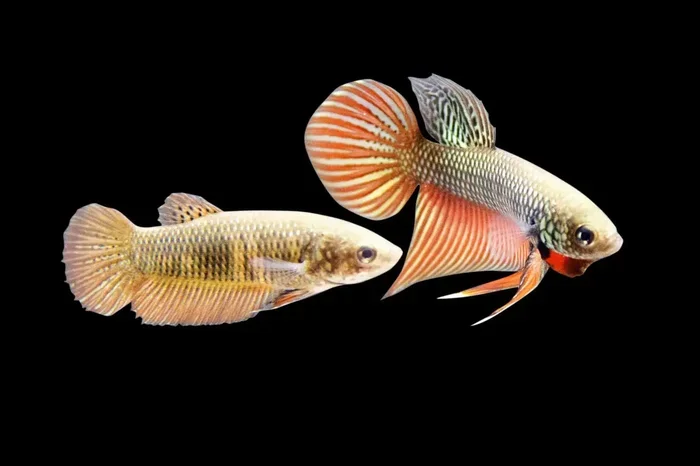
Do Betta Fish Get Sick
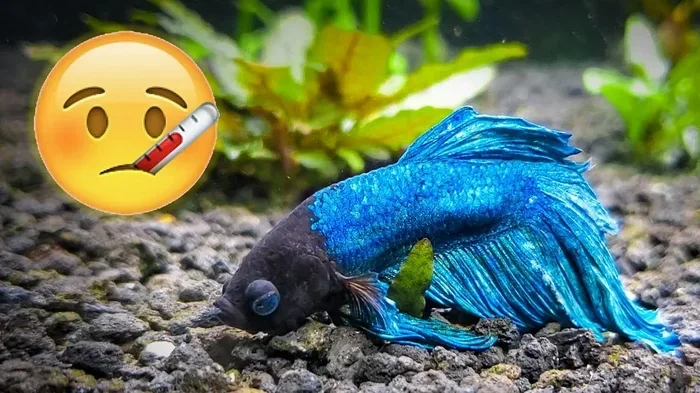
Do betta fish get sick? Yes, they can — but most illnesses are preventable with proper care. Betta fish are hardy yet sensitive creatures that can fall ill due to poor water quality, stress, parasites, and bacterial infections. Knowing the early warning signs and taking quick action can make all the difference between a simple recovery and a serious health crisis.
Do betta fish get sick is a question every betta owner should understand. These vibrant, flowing-finned fish are popular for good reason. They are beautiful, relatively low-maintenance, and full of personality. But they are not invincible. Just like any living creature, bettas can fall ill. The good news is that most common illnesses are preventable. With the right knowledge and a little effort, you can keep your betta fish healthy for years.
Many new betta owners assume these fish are tough because they survive in small puddles in the wild. That is a common myth. While bettas are resilient, they still need clean water, proper nutrition, and a stable environment. Ignoring these basics can lead to serious health problems. This article covers everything you need to know about betta fish illness, from symptoms to prevention.
## Do Betta Fish Get Sick Easily?
Betta fish do get sick, but they do not get sick easily if their needs are met. A well-cared-for betta in a clean tank with proper diet rarely falls ill. However, bettas kept in poor conditions — tiny bowls, dirty water, or stressful environments — are far more likely to develop health issues.
The truth is, do betta fish get sick easily depends entirely on how you care for them. A betta in a 5-gallon tank with a filter and heater has a much better chance of staying healthy than one in a small unfiltered jar. Water quality, temperature stability, and low stress levels all play a role in keeping your fish strong and disease-resistant.
### What Weakens a Betta Fish’s Immune System?
Several factors can weaken your betta’s immune system and make them more vulnerable to illness. Understanding these triggers helps you avoid them.
- Poor water quality: Ammonia and nitrite buildup in the tank stress the fish and damage their gills and organs.
- Wrong water temperature: Bettas need warm water between 76-82°F. Cold water slows their metabolism and weakens their immune response.
- Overcrowding: Keeping too many fish in one tank increases aggression and disease transmission.
- Sudden environment changes: Moving a betta to a new tank or changing decorations abruptly can shock their system.
- Inadequate diet: Feeding low-quality food or not enough variety leads to nutritional deficiencies.
- Stress from tank mates: Aggressive fish or bright lights can cause chronic stress in bettas.
## Common Signs Your Betta Fish Is Sick
Catching illness early is the single most important thing you can do for your betta. Fish hide their symptoms until they are seriously unwell. That is why you need to observe your betta daily. Here are the most common signs that something is wrong.
### Physical Symptoms to Watch For
Physical changes are often the first clues that your betta is unwell. Look closely at your fish during feeding time and while it is resting.
- Clamped fins: Fins held close to the body instead of spread out signal discomfort or pain.
- Faded color: A vibrant betta that suddenly looks pale or dull is likely stressed or ill.
- White spots: These are classic signs of ich, a very common parasitic infection.
- Bulging eyes: Pop eye can indicate bacterial infection or poor water conditions.
- Reddened or inflamed gills: This often points to ammonia burns or bacterial gill disease.
- Visible worms: Long, thin worms dangling from the tail or body suggest a parasitic infection.
### Behavioral Changes That Signal Illness
Behavioral changes can be just as telling as physical ones. Your betta’s personality and habits give you real-time health data.
- Loss of appetite: A betta that refuses food for more than two days needs attention.
- Lethargy: Spending all day at the bottom of the tank or lying on the substrate is not normal rest.
- Rapid breathing: Gasping at the surface or fast gill movement suggests oxygen deprivation or toxin exposure.
- Flashing or rubbing: Scratching against decorations or rocks often means parasites or irritation.
- Swimming erratically: Darting, spiraling, or losing balance can indicate neurological issues or infection.
## What Causes Betta Fish to Get Sick?
Understanding the root causes of illness is the first step toward prevention. Most betta fish diseases come from a handful of common sources. Let us break them down.
### Poor Water Quality
This is the #1 killer of betta fish. Ammonia, nitrite, and nitrate build up in tanks that are not cycled or maintained properly. Even small amounts of ammonia can burn a betta’s sensitive gills and skin. Over time, this weakens the fish and opens the door to secondary infections.
A simple test kit can tell you if your water parameters are safe. Do betta fish get sick more often in tanks without regular water changes. A 25-30% water change every week keeps toxins at bay and creates a healthier living space.
### Bacterial Infections
Bacterial infections are very common in bettas. They often appear as red streaks, open sores, or fuzzy patches on the body. These infections usually happen when a betta’s immune system is already weakened by stress or poor water conditions.
Common bacterial diseases include fin rot, body fungus, and columnaris. Fin rot causes the edges of the fins to look ragged and discolored. Body fungus appears as white cotton-like growths. Columnaris is a fast-acting bacterial infection that can kill a fish within days if left untreated.
### Parasites
Parasites are microscopic invaders that attach to your betta’s body, gills, or fins. They cause irritation, damage, and secondary infections. Some parasites are visible to the naked eye, while others require a microscope to detect.
If you have ever wondered do betta fish get worms, the answer is yes. Intestinal worms are a real concern, especially if you feed live or freeze-dried foods that carry parasites. These worms can cause bloating, weight loss, and a dull appearance. Regular deworming and sourcing food from reputable suppliers help reduce this risk.
### Fungal Infections
Fungal infections usually appear as white, fluffy growths on the skin or fins. They tend to target fish that are already injured or stressed. Bettas with fin rot are especially prone to secondary fungal infections. Fungus thrives in dirty water, so maintaining clean tank conditions is your best defense.
### Stress-Related Illness
Stress is a silent but powerful contributor to betta fish illness. A stressed betta produces cortisol, a hormone that suppresses the immune system. Over time, this makes the fish susceptible to every kind of disease.
What causes stress in bettas? Several things. Bright lights, aggressive tank mates, small tanks, loud noises, and sudden changes in water temperature all contribute. If you want to understand more about how stress affects your fish, check out our guide on do betta fish get stressed. Understanding stress is a key part of keeping your betta healthy.
## How to Treat a Sick Betta Fish
When you notice signs of illness, acting quickly gives your betta the best chance of recovery. The treatment depends on the type of illness, but there are general steps every betta owner should follow.
### Step-by-Step Treatment Process
- Isolate the sick fish: Move your betta to a quarantine tank if possible. This prevents the spread of disease to other fish and makes treatment easier.
- Test the water: Check ammonia, nitrite, nitrate, and pH levels. Poor water quality could be the root cause of the illness.
- Perform a water change: A 50% water change in the main tank and the quarantine tank removes toxins and refreshes the environment.
- Identify the illness: Match the symptoms to common betta diseases. Use online resources, forums, or consult a fish specialist.
- Apply targeted treatment: Use medications like aquarium salt, antibiotics, or anti-parasitic treatments based on the diagnosis.
- Monitor closely: Watch your betta’s behavior and appearance daily. Adjust treatment if there is no improvement after a few days.
- Gradually return to normal: Once the fish recovers, slowly reintroduce it to the main tank if you used a quarantine setup.
### Common Treatments and Their Uses
Here is a quick comparison of common treatments for sick betta fish.
Treatment Options for Sick Betta Fish
- Aquarium salt: Helps with mild bacterial and fungal infections. Use at 1 teaspoon per gallon for short-term baths.
- Antibiotics: Effective against bacterial infections like fin rot and columnaris. Maracyn and API Furan-2 are popular choices.
- Anti-parasitic medications: Treat ich, velvet, and anchor worms. Medications containing praziquantel or formalin work well.
- Fungus treatments: Methylene blue and Pimafix are commonly used for fungal infections.
- Epsom salt baths: Help with constipation and bloating. Use 1 tablespoon per gallon for 15-30 minute soaks.
### When to See a Fish Veterinarian
Sometimes home treatment is not enough. If your betta shows no improvement after 5-7 days of treatment, or if symptoms worsen rapidly, it is time to consult a professional. A fish veterinarian can diagnose conditions that are difficult to identify visually. They can also prescribe stronger medications or perform diagnostic tests.
## Preventing Illness in Your Betta Fish
Prevention is always better than cure. A proactive approach keeps your betta healthy and reduces the need for medications. Here are the most effective prevention strategies.
### Maintain Excellent Water Quality
Clean water is the foundation of betta health. Invest in a proper filtration system and stick to a regular water change schedule. Test your water parameters weekly. A cycled tank with zero ammonia and zero nitrite is the goal.
Keep the temperature stable between 76-82°F. Use a reliable heater with a thermostat. Sudden temperature swings stress the fish and lower their resistance to disease.
### Feed a Balanced Diet
A healthy diet strengthens the immune system and keeps your betta vibrant. Feed high-quality betta pellets as the staple food. Supplement with frozen or freeze-dried bloodworms, brine shrimp, and daphnia for variety.
Avoid overfeeding. Bettas have small stomachs and can become constipated if they eat too much. Feed 2-3 pellets twice a day and skip one feeding day per week to let the digestive system rest. If you want to learn more about feeding issues, our article on do betta fish get food off the bottom covers common feeding problems and solutions.
### Reduce Stress in the Tank
A calm environment keeps your betta’s immune system strong. Provide hiding spots with plants and caves. Avoid bright, harsh lighting. Keep the tank in a quiet area of your home away from loud electronics and high-traffic zones.
If you keep other fish, choose peaceful species that will not bother your betta. Aggressive or nippy tank mates cause chronic stress. For tips on compatible tank mates, read our guide on do betta fish get along with tetras.
### Quarantine New Fish and Plants
Always quarantine new fish for at least two weeks before adding them to your main tank. This prevents the spread of hidden diseases. New plants can also carry parasites and snails, so rinse them thoroughly and consider a brief dip in a mild salt solution before adding them to your tank.
## Common Mistakes That Make Betta Fish Sick
Even well-meaning owners make mistakes that lead to illness. Here are the most common ones to avoid.
- Keeping bettas in tiny bowls: A bowl under 3 gallons is too small for long-term health. It causes toxin buildup and temperature fluctuations.
- Skipping water changes: Even with a filter, waste products accumulate. Weekly water changes are non-negotiable.
- Overfeeding: Excess food rots in the tank and spikes ammonia levels. Less is more when it comes to feeding bettas.
- Using untreated tap water: Chlorine and chloramine in tap water harm fish. Always use a water conditioner before adding water to the tank.
- Ignoring early symptoms: Waiting too long to act gives illnesses time to progress. Early intervention leads to faster, easier recoveries.
## Key Takeaways
Keeping your betta fish healthy is a combination of clean water, proper nutrition, low stress, and attentive care. Most illnesses are preventable when you maintain a stable, clean tank environment. Watch your betta daily for any changes in behavior or appearance. Act quickly at the first sign of trouble. A healthy betta fish can live 3-5 years or even longer with the right care. Remember, a little prevention goes a long way in keeping your colorful companion happy and thriving.
Key Takeaways
- Betta fish can get sick: Like all pets, bettas are vulnerable to bacterial, fungal, and parasitic illnesses that affect their health.
- Early detection saves lives: Recognizing symptoms like clamped fins, loss of appetite, and unusual behavior helps you act fast.
- Water quality is everything: Poor tank conditions are the #1 cause of sickness in betta fish.
- Stress weakens immunity: A stressed betta is far more likely to get sick than a calm, comfortable one.
- Prevention beats treatment: Regular tank maintenance, proper diet, and a stress-free environment keep your betta thriving.
- Know when to seek help: Some illnesses need professional treatment, and a vet experienced with fish can make a huge difference.
Frequently Asked Questions
Can betta fish recover from illness on their own?
Mild cases of illness sometimes resolve if water quality improves and stress is reduced. However, most bacterial and parasitic infections need targeted treatment. Waiting too long can make the condition worse and harder to treat.
How can I tell if my betta fish is dying or just sick?
A dying betta shows extreme lethargy, inability to swim, loss of all color, and refusal to eat for an extended period. A sick betta may still eat occasionally and show some activity. The sooner you treat symptoms, the better the chances of recovery.
Is ich contagious to other fish in the tank?
Yes, ich is highly contagious. It spreads quickly through a tank, especially when fish are stressed or water quality is poor. If you spot white spots on one fish, treat the entire tank immediately and isolate the affected fish if possible.
Can I use human medications to treat my sick betta fish?
It is not recommended. Human medications often contain ingredients that are harmful to fish or disrupt the tank’s biological balance. Always use medications specifically formulated for aquarium use. Consult a fish veterinarian if you are unsure what to use.
How often should I clean my betta fish tank to prevent illness?
A 25-30% water change every week is ideal for a 5-gallon betta tank. Smaller tanks need more frequent changes. Always vacuum the substrate during water changes to remove waste and leftover food that can pollute the water.
Do betta fish get sick from live food?
Live food can carry parasites and bacteria if not sourced from a reputable supplier. Freeze-dried and frozen foods are safer alternatives. If you do feed live food, quarantine it first and rinse it thoroughly before offering it to your betta.