Do Betta Fish Get Lonely by Themselves

Many fish owners wonder do betta fish get lonely by themselves. The truth is that bettas are solitary creatures by nature, but they can still show signs of boredom and stress when kept alone without stimulation. Understanding your betta’s behavior helps you create a thriving environment. With the right tank setup and enrichment, a solo betta can live a happy and healthy life.
Do betta fish get lonely by themselves? This is one of the most common questions new betta owners ask. The short answer is no, bettas do not need companions to feel happy. But the full story is more interesting than that.
Betta fish are solitary creatures by nature. In the wild, they live alone in rice paddies, slow-moving streams, and shallow ponds. They defend their territory fiercely and do not seek out other fish for social interaction. So when you keep a betta alone in a tank, you are actually mimicking their natural lifestyle.
However, being alone does not mean being bored. A betta in a bare tank with nothing to do can become stressed and unhappy. This is where many owners make mistakes. They think a small bowl with no decorations is fine. But a betta needs a stimulating environment to thrive, even without tank mates.
In this article, we will explore everything you need to know about betta loneliness. You will learn the signs of a bored betta, how to set up an enriching tank, and whether your solo fish needs more attention. Let us dive in.
Key Takeaways
- Bettas are naturally solitary fish: They prefer living alone in the wild and do not need companionship to thrive.
- Loneliness signs are real: Even though bettas don’t need tank mates, they can become bored and stressed without mental stimulation.
- A rich tank environment matters: Plants, caves, and decorations help keep a solo betta engaged and active.
- Stress from isolation can cause health issues: A neglected tank can lead to a betta getting sick easily.
- Interactive care replaces companionship: Regular feeding routines, gentle interaction, and tank enrichment keep your betta content.
- Not all bettas react the same way: Some are more active and curious, while others are calm and prefer solitude.
📑 Table of Contents
Understanding Betta Fish Social Behavior
To answer the question do betta fish get lonely by themselves, we need to understand how bettas behave in their natural habitat. Bettas originate from Southeast Asia. They live in warm, slow-moving waters filled with plants and hiding spots.
In the wild, bettas are territorial. Male bettas especially guard their space from other males. They flare their gills and spread their fins to warn rivals away. This aggressive behavior is a big reason why bettas do not do well with other bettas.
Are Bettas Social Creatures?
No, bettas are not social fish. Unlike schooling fish like tetras or danios, bettas do not form groups or schools. They prefer to have their own space. This is why experienced fish keepers call them solitary fish.
Some owners think their betta enjoys watching them from the tank. And yes, bettas can recognize their owners over time. But this is not the same as needing companionship. Your betta may swim to the front of the tank when you approach because it associates you with food. It does not mean your fish is lonely.
Why Bettas Do Not Need Tank Mates
Keeping a betta alone is perfectly fine. In fact, it is often the safest choice. Male bettas cannot live together because they will fight. Even female bettas can be aggressive toward each other in small spaces.
Some owners try to add tank mates to prevent loneliness. But this can backfire. A betta may chase or nip at other fish. The stress from constant conflict can make your betta get stressed easily. This leads to health problems and a shorter lifespan.
If you do want to try tank mates, choose peaceful species that stay away from the betta’s territory. But remember, a solo betta in a well-set-up tank is just as happy as a betta with companions.
Signs Your Betta Fish May Be Lonely or Bored
Even though bettas do not need friends, they can still feel bored. A betta in a dull environment will show behavioral changes. Learning to spot these signs of loneliness helps you improve your fish’s quality of life.
Loss of Interest in Food
A healthy betta is an eager eater. If your fish suddenly stops eating or shows no excitement during feeding time, something is off. Bettas are curious by nature. They should flare at food and swim toward it with energy.
Loss of appetite can also signal illness. So before assuming your betta is bored, check the water parameters. Make sure the temperature is between 76 and 82 degrees Fahrenheit. Poor water quality can cause the same symptoms as boredom.
Lethargy and Hiding
Betta fish are active swimmers. They explore their tank, build bubble nests, and interact with their surroundings. If your betta spends all day hiding in a corner or lying on the substrate, it may be feeling unstimulated.
A lonely betta often becomes lethargic. It stops swimming around the tank and stays in one spot. This is different from normal resting behavior. Bettas do sleep and rest. But a truly bored betta will seem dull and unresponsive even when you approach the tank.
Excessive Flaring or Glass Surfing
Flaring at their own reflection is normal in small doses. But if your betta flares constantly at its own image, it may be stressed from boredom. The same goes for glass surfing, where the fish swims repeatedly along the tank walls.
These behaviors are signs of a frustrated betta. The fish has too much energy and nothing to do. Adding plants, caves, and other decorations gives your betta things to explore and interact with.
How to Keep a Solo Betta Happy and Healthy
You do not need a second fish to keep your betta entertained. The key is creating an enriching environment that mimics the betta’s natural habitat. A well-designed tank keeps your fish mentally and physically active.
Tank Size and Setup
The minimum tank size for a single betta is five gallons. A larger tank gives your fish more room to swim and explore. Avoid tiny bowls and vases. They restrict movement and make the environment dull.
Here are some setup tips for a solo betta tank:
- Use a filter: A gentle sponge filter keeps the water clean without creating strong currents. Bettas prefer slow-moving water.
- Add a heater: Maintain a steady temperature between 76 and 82 degrees Fahrenheit.
- Include live plants: Plants like java fern, anubias, and Amazon sword provide natural hiding spots and enrichment.
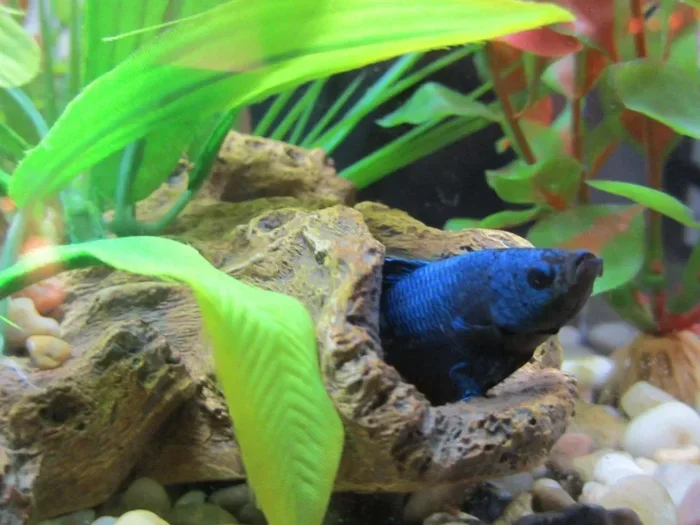
- Add decorations: Caves, driftwood, and smooth rocks give your betta places to explore and rest.
- Leave open swimming space: Bettas love to swim through open areas too. Do not overcrowd the tank.
Enrichment Ideas for a Solo Betta
Mental stimulation is just as important as physical space. A betta that has nothing to do will become bored quickly. Simple enrichment ideas make a big difference.
You can float a ping pong ball in the tank. Bettas often push it around with their fins. You can also place a mirror in front of the tank for short periods. The reflection triggers natural flaring behavior, which acts like a mini workout for your fish.
Another great idea is to introduce new decorations occasionally. Bettas are curious creatures. A fresh piece of driftwood or a new plant can spark their interest and keep them active. Just make sure any new items are aquarium-safe and cleaned before adding them.
The Role of Feeding in Mental Stimulation
Feeding time is one of the best ways to engage your betta. Instead of dropping pellets into the tank, try using a feeding ring or feeding by hand. This creates a routine your betta looks forward to.
Variety also matters. Feed your betta a mix of high-quality pellets, frozen bloodworms, and brine shrimp. Live food is even better because it triggers natural hunting behavior. A betta that has to work for its food stays mentally sharp and active.
Just be careful not to overfeed. Bettas have small stomachs. Feed them two to three small meals per day. Remove any uneaten food after five minutes to keep the water clean.
Can a Lonely Betta Get Sick?
A bored and stressed betta is more vulnerable to disease. When a fish feels unstimulated, its immune system weakens. This makes it easier for bacteria, parasites, and fungi to take hold.
Common health issues linked to a poor environment include:
- Fin rot: Caused by poor water quality and stress. The fins start to fray and decay.
- Columnaris: A bacterial infection that appears as white patches on the body.
- Parasitic infections: Ich and other parasites thrive in stressed fish.
- Bubble nest abandonment: A healthy betta builds bubble nests. A stressed betta may stop building them entirely.
If your betta stops eating, loses color, or stays at the bottom of the tank, check for illness right away. A betta that gets sick easily often does so because of environmental stress. Fix the tank conditions first before reaching for medication.
Regular water changes and testing keep the tank healthy. A clean environment is the best defense against disease. It also keeps your betta mentally comfortable and less prone to boredom-related stress.
Do Bettas Get Along With Other Fish?
This is a tricky question. Some bettas can live with certain species, but it depends on the individual fish. Not all bettas are the same. Some are more aggressive, while others are calm and tolerant.
If you are considering adding tank mates, start with peaceful community fish. Neon tetras, cory catfish, and kuhli loaches are popular choices. They stay in the lower and middle parts of the tank, leaving your betta alone in its territory.
Avoid fish with bright colors or long fins. These can trigger your betta’s territorial instincts. Also avoid fish that are too active. A hyper fish that darts around the tank can stress out a betta.
Always monitor your betta closely after introducing any new tank mate. If you see flaring, chasing, or fin nipping, separate the fish immediately. A peaceful solo betta is often happier than a stressed betta sharing a tank.
Common Mistakes Betta Owners Make
Many well-meaning owners make mistakes that lead to a lonely or stressed betta. Here are the most common ones to avoid:
- Keeping the betta in a tiny bowl: A small bowl has no room for enrichment. Your betta needs at least five gallons of water.
- Skipping tank decorations: A bare tank is boring. Plants and caves give your betta things to do.
- Ignoring water quality: Dirty water causes stress and illness. Test the water regularly and perform weekly water changes.
- Adding aggressive tank mates: The wrong companion can make your betta miserable and even get the betta mad at you.
- Overfeeding or underfeeding: Both cause health problems. Stick to a consistent feeding schedule.
- Assuming all bettas need friends: Not every betta wants a companion. Respect your fish’s individual personality.
Avoiding these mistakes goes a long way in keeping your betta healthy and content. A well-maintained tank with proper enrichment replaces the need for companionship entirely.
Expert Insights on Betta Loneliness
Veterinarians and experienced fish keepers agree on one thing: bettas do not need other fish to be happy. What they do need is a stimulating and clean environment. Dr. Jessie Sanders, a certified aquatic veterinarian, emphasizes that environmental enrichment is the key to a betta’s well-being.
Many owners worry about their betta being alone. But experts point out that bettas in the wild spend most of their time by themselves. They claim territories, hunt for food, and rest alone. A well-decorated tank gives your betta everything it needs to live a natural and fulfilling life.
If you ever feel unsure about your betta’s behavior, observe the fish closely. Note any changes in appetite, activity level, or appearance. These clues tell you whether your fish is thriving or needs something different in its environment.
Final Thoughts
So do betta fish get lonely by themselves? The answer is clear. Bettas are solitary fish that do not need companionship. But they do need a stimulating environment to stay happy and healthy.
A well-planned tank with plants, decorations, and a consistent care routine keeps your betta engaged and content. Watch for signs of boredom and stress, and adjust the environment as needed. Your solo betta can live a full and happy life without ever needing a tank mate.
The best thing you can do for your betta is to provide a clean, warm, and enriching home. When you get the tank setup right, your fish will thrive. And that is the best reward for any betta owner.
Frequently Asked Questions
Can a betta fish die from loneliness?
Bettas do not die directly from loneliness. But a bored and stressed betta can develop health problems that shorten its lifespan. Poor water quality and lack of enrichment are the real dangers. A well-maintained tank keeps your betta healthy and active.
How do I know if my betta fish is bored?
Signs of boredom include lethargy, hiding, loss of appetite, glass surfing, and excessive flaring. If your betta stops exploring the tank and stays in one spot, it may need more enrichment. Adding plants, caves, and interactive feeding can help.
Should I get my betta a companion fish?
Not necessarily. Many bettas do just fine living alone. If you want a companion, choose peaceful species that stay away from the betta’s territory. Always monitor their interactions closely. A stressed betta is worse off than a solo betta in a well-set-up tank.
What is the best tank setup for a solo betta?
A five-gallon or larger tank with a gentle filter, heater, live plants, and hiding spots is ideal. Avoid bare tanks and tiny bowls. A rich environment with decorations gives your betta things to explore and keeps it mentally stimulated.
Do female bettas get lonely without other fish?
Female bettas are also solitary fish. They do not need other fish for companionship. A well-decorated tank with plenty of plants and caves keeps a female betta happy and engaged on its own.
Can I talk to my betta fish to keep it company?
Talking to your betta does not harm it and can actually help you bond with your fish. Bettas can recognize their owners over time. However, your voice alone does not replace a proper tank setup and enrichment. Focus on creating a stimulating environment first.