Betta food is specifically formulated for the carnivorous dietary needs of Siamese fighting fish and is not suitable for most “regular” aquarium fish as a staple diet. Its high protein and animal-based ingredients can cause digestive issues, swim bladder problems, and poor water quality in omnivorous or herbivorous species like goldfish, tetras, and guppies. While a single accidental bite won’t cause harm, consistently feeding betta pellets or flakes to non-bettas leads to serious long-term health complications and nutritional imbalances. Always research your specific fish species’ natural diet and provide a high-quality, species-appropriate food as their primary nutrition source.
Key Takeaways
- Nutritional Mismatch: Betta food is a high-protein, meat-based formula designed for strict carnivores, while most common aquarium fish are omnivores or herbivores with drastically different dietary requirements.
- Protein Overload Risk: The excessive animal protein in betta food can overwhelm the digestive systems of non-carnivorous fish, leading to constipation, bloating, and dangerous swim bladder disorders.
- Digestive System Strain: Fish like goldfish lack a true stomach and are adapted to process plant matter; betta food’s composition is biologically inappropriate and difficult for them to digest properly.
- Species-Specific Diets: There is no single “regular fish” diet—each species (e.g., Corydoras catfish vs. Angelfish) has evolved to eat specific foods in the wild, requiring tailored nutrition in captivity.
- Water Quality Impact: Uneaten betta food, which is often rejected by non-target fish, decomposes rapidly, fouling the tank water with ammonia and nitrites, creating a toxic environment.
- Short-Term vs. Long-Term: An occasional, accidental nibble is harmless, but using betta food as a regular substitute causes cumulative damage to internal organs, growth, and immune function over time.
- Proper Alternatives Exist: For most community fish, a high-quality staple flake or pellet formulated for their specific dietary class (omnivore/herbivore), supplemented with appropriate live or frozen foods, is the correct nutritional foundation.
📑 Table of Contents
- Understanding Betta Food: A Specialist’s Diet
- Defining “Regular Fish”: The Diversity of Aquarium Inhabitants
- The Risks and Consequences: Why It’s a Bad Idea
- Species-Specific Scenarios: Who Is Most at Risk?
- What To Do If It Happens: Accidents and Emergencies
- Best Practices: Feeding Your Aquarium Community Correctly
- Conclusion: Respecting Nature’s Design
Understanding Betta Food: A Specialist’s Diet
To answer the question “Can regular fish eat betta food?” we must first understand what betta food actually is. Betta splendens, the Siamese fighting fish, are obligate carnivores. In the shallow, warm waters of their native Southeast Asian rice paddies and streams, they survive by hunting insects, insect larvae, tiny crustaceans, and even small fish. Their entire digestive physiology—from their short, acidic gut to their sharp teeth—is built for processing animal protein and fat.
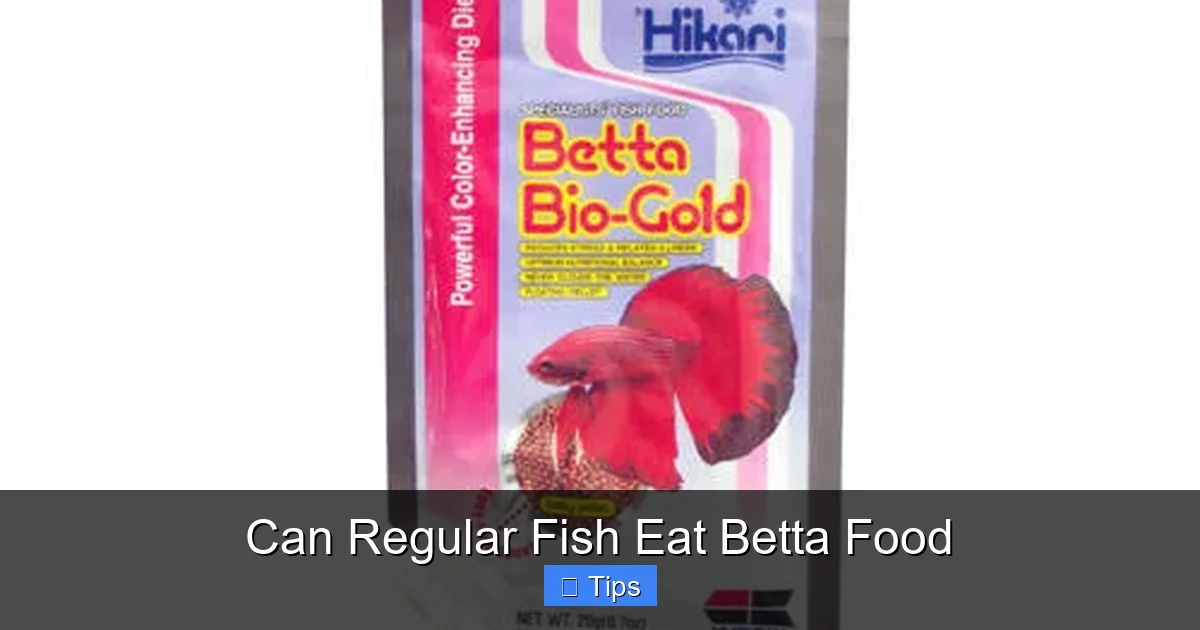
Consequently, commercial betta food is engineered to replicate this wild diet. High-quality betta pellets or flakes will list a primary ingredient like “whole fish meal,” “shrimp meal,” or “krill.” The crude protein content is typically very high, often ranging from 40% to 50% or more. Fat content is also elevated to provide dense energy. These foods are usually small, slow-sinking pellets designed to sit at the water’s surface where bettas, as surface feeders, prefer to eat. They are a specialist product for a specialist predator.
What’s Actually in That Betta Pellet?
Looking at a typical betta food ingredient list reveals its carnivorous bias. You’ll find components like:
- Primary Protein Sources: Fish meal, brine shrimp, krill, squid, bloodworms (often in freeze-dried form).
- Binders & Fillers: Wheat flour, soybean meal, potato starch—these are necessary to form the pellet but are not ideal for a true carnivore.
- Supplements: Vitamins (C, E, B-complex), minerals (calcium, phosphorus), and sometimes astaxanthin or other pigments to enhance the betta’s famous vibrant colors.
- Preservatives: To maintain shelf life and prevent spoilage in the warm water bettas prefer.
The key takeaway is the nutrient profile: very high protein and fat, with minimal carbohydrates. This is perfect for a betta’s metabolism but represents a significant departure from the diet of most other fish you’d find in a community aquarium.
Defining “Regular Fish”: The Diversity of Aquarium Inhabitants
The term “regular fish” is a huge red flag in this discussion because it implies a homogeneity that simply doesn’t exist in the aquatic world. The fish commonly kept by beginners—often labeled as “community fish”—come from vastly different ecological niches and have equally varied nutritional needs. Categorizing them properly is the first step to understanding why betta food is inappropriate.
Visual guide about Can Regular Fish Eat Betta Food
Image source: bettafishworld.com
The Three Main Dietary Classes
Aquarium fish are broadly classified by their natural diet:
- Carnivores: These are meat-eaters, like Bettas, some Cichlids (e.g., Oscars), and many predatory catfish. They require diets very high in animal protein and fat, similar in profile to betta food. A few other true carnivores might tolerate betta food as an occasional snack, but even they benefit from a more varied protein source.
- Omnivores: This is the largest category, including popular fish like Neon Tetras, Guppies, Mollies, Platies, Swordtails, many Corydoras catfish, and smaller Barbs. In the wild, they eat a mix of small invertebrates, algae, plant matter, and detritus. Their ideal diet is balanced, with protein typically around 30-40%, and a significant portion coming from plant-based or algal sources.
- Herbivores: These fish, such as Plecostomus ( Plecos), certain African Cichlids (like Tropheus), and True Siamese Algae Eaters, are adapted to scrape algae and consume aquatic vegetation. Their digestive systems are long and complex, designed to break down tough cellulose. They require very low protein (often under 30%) and high fiber from plant materials.
When you ask if a “regular fish” can eat betta food, you’re essentially asking if a herbivore or omnivore can thrive on a specialist carnivore’s diet. The answer is a firm no.
Case Study: The Goldfish – An Extreme Example
Let’s take the most common “regular fish” of all: the goldfish (Carassius auratus). Goldfish are not just omnivores; they are predominantly herbivorous with a digestive system that is practically the opposite of a betta’s. They have a long, convoluted gut for fermenting plant matter and no true stomach. Their nutritional needs are for high-quality, easily digestible carbohydrates from plants and low protein.
Feeding a goldfish a diet of betta food is analogous to feeding a cow a steak every day. The excess protein cannot be properly utilized and is excreted as massive amounts of ammonia, poisoning the water. The lack of fiber leads to severe constipation, a common and often fatal problem in goldfish. The result is a slow decline in health, characterized by dropsy (pinecone-like swelling), swim bladder issues, and a drastically shortened lifespan. For a goldfish, betta food is nutritional poison.
The Risks and Consequences: Why It’s a Bad Idea
Now that we understand the dietary chasm between bettas and most other fish, let’s detail the concrete risks of feeding betta food to non-bettas. These are not just theoretical concerns; they are commonly observed problems in community tanks where well-meaning owners use the wrong food.
Visual guide about Can Regular Fish Eat Betta Food
Image source: bettasource.com
1. Digestive Disaster and Swim Bladder Disease
The swim bladder is a gas-filled organ that helps fish control their buoyancy. It’s delicate and easily disrupted by diet. Overfeeding, constipation, and a sudden influx of rich, difficult-to-digest protein can cause inflammation, infection, or physical pressure on the swim bladder.
Fish like fancy goldfish, Orandas, and even seemingly hardy species like Mollies and Betta females are notoriously prone to swim bladder disorder (SBD). Symptoms are unmistakable: the fish floats uncontrollably to the top, sinks and struggles to stay off the bottom, or swims erratically, upside down or sideways. This is a direct consequence of an improper diet, and betta food is a prime culprit due to its high protein and fat content, which promotes constipation and gut inflammation in species not built to handle it.
2. Nutritional Deficiencies and Imbalances
A fish’s body requires a specific balance of macronutrients (protein, fat, carbs) and micronutrients (vitamins, minerals). When fed a food that is wildly out of balance for their species, two things happen:
- Deficiencies: The fish is not getting the nutrients it *does* need. A herbivore fed only betta food will lack essential vitamins (like Vitamin C from plants) and minerals, weakening its immune system and leading to diseases like Hole-in-the-Head in cichlids.
- Toxicities: The fish is overloaded with nutrients it cannot process. Excess protein is broken down into nitrogenous waste (ammonia), which is toxic. Excess fat can lead to fatty liver disease, a silent killer in many fish. Minerals like phosphorus from animal sources can be excreted in ways that damage kidney function over time.
3. Poor Water Quality – The Domino Effect
Fish are not efficient eaters. Much of the food you add will not be consumed. Betta food is no exception. Non-bettas will often recognize it as unfamiliar and either ignore it or spit it out. This uneaten food sinks to the bottom and begins to decompose immediately.
Decomposing protein-rich food is a feast for bacteria, which consume oxygen and produce ammonia. This spike in bioload can crash a tank’s nitrogen cycle, leading to toxic levels of ammonia and nitrite. Even if the food is eaten, the high protein content results in more waste being excreted, again loading the filter with ammonia. The result is stressed fish, prone to disease, and a constant battle to maintain water parameters. This is perhaps the most immediate and visible consequence for the entire aquarium community.
4. Behavioral Issues and Stress
Fish can become frustrated and stressed when their nutritional needs aren’t met. A herbivorous fish forced to eat a food it doesn’t instinctively recognize may go on a hunger strike, weakening it. Aggressive species might become more territorial over this novel, prized food item, increasing conflict in a community tank. Stress is the number one immunosuppressant in fish, opening the door to opportunistic infections like Ich, Fin Rot, and Columnaris.
Species-Specific Scenarios: Who Is Most at Risk?
Let’s apply this knowledge to some common “regular fish” you might have. The risk level varies dramatically by species.
Visual guide about Can Regular Fish Eat Betta Food
Image source: hepper.com
High-Risk Species (Herbivores & Sensitive Omnivores)
- Goldfish & Koi: As discussed, this is the worst possible match. Their systems cannot handle the protein load. Avoid entirely.
- Plecostomus & Other Suckermouth Catfish: Most are herbivores/algivores. Their diet should be based on algae wafers, blanched zucchini, cucumber, and driftwood. Betta food provides none of the necessary fiber and will cause severe digestive blockage.
- Fancy, Long-Finned Varieties: Oranda goldfish, Telescope eyes, and even fancy Guppies have delicate digestive systems and are exceptionally prone to SBD. Betta food is a direct path to buoyancy problems.
- African Cichlids (Plant-Eaters): Species like Tropheus and Pseudotropheus are adapted to scrape algae off rocks. Their diet must be very low in protein and high in spirulina-based plant material. Betta food will cause “Malawi Bloat,” a fatal gastric condition.
Moderate-Risk Species (Generalist Omnivores)
- Neon Tetras, Cardinal Tetras: These small, active schooling fish eat tiny insects and plant matter in the wild. While they might nibble at a betta pellet, it is too large and rich for them. A staple of high-quality micro-pellets or fine flake food is essential. Betta food can lead to constipation and poor water quality.
- Rasboras (Harlequins, etc.): Similar to tetras, they are small omnivores. The protein content in betta food is disproportionate to their needs.
- Corey & Julii Corydoras: These catfish are bottom-feeders that sift through sand for worms and plant debris. They need a sinking food with a different composition. Betta pellets, which often float or sink slowly, are not ideal and can cause gut issues if they make up a significant part of the diet.
Lower-Risk, But Still Not Ideal (Carnivorous/Insectivorous Omnivores)
- Angelfish, Discus: These are predatory cichlids that eat a lot of animal protein in the wild. They *could* physically digest betta food, but it’s still not an ideal staple. They benefit from a variety including brine shrimp, mysis shrimp, and high-quality cichlid pellets with a good protein-to-vegetable ratio. Relying solely on betta food lacks the necessary vitamins and minerals from other sources.
- Gouramis (Dwarf, Pearl, etc.): Like bettas, they are Labyrinth fish and prefer surface foods. They are omnivores but lean more insectivorous. They might accept betta food, but a dedicated gourami or community pellet is a better, more balanced choice.
- Betta Sorority or Community Tanks with Other Bettas: This is the only scenario where feeding betta food to “other fish” makes sense. If you have a sorority of female bettas or a carefully managed tank of multiple male bettas (a high-risk endeavor), then betta food is their appropriate diet. However, you would never call another betta a “regular fish.”
What To Do If It Happens: Accidents and Emergencies
Life happens. You might drop a betta pellet into a community tank by mistake, or you might have run out of regular food and be considering a temporary substitution. Here’s your action plan.
Scenario 1: The Occasional Accident
If one or two betta pellets end up in your community tank and are eaten by a non-betta, do not panic. A single serving will not cause harm. The problem arises from consistent, long-term feeding. Simply remove any uneaten pellets with a net or gravel vacuum during your next water change to prevent water quality issues. Monitor your fish for the next 24-48 hours for any signs of distress (clamped fins, lethargy, abnormal swimming), but it’s unlikely anything will happen from a one-time mistake.
Scenario 2: “I Ran Out of Food, Can I Use Betta Food for a Few Days?”
This is a more serious situation. The answer depends entirely on your fish species.
- For Herbivores (Goldfish, Plecos, Plant-Eating Cichlids): No. Do not do this. The risk of severe constipation and bloat is too high in just a few days. Instead, offer safe, temporary plant-based alternatives: a small piece of blanched zucchini, cucumber, or shelled green pea (for goldfish). These are far more appropriate.
- For Omnivores (Tetras, Guppies, Barbs): It’s not ideal, but a short-term (1-2 day) use of betta food is less dangerous than for herbivores. However, you must feed extremely sparingly—a tiny amount that is consumed within 30 seconds. Better alternatives: a tiny piece of hard-boiled egg yolk (for protein), or a few drops of a liquid fry food if you have it on hand. The priority is to avoid overloading their system.
- For Carnivores (some Cichlids, predatory catfish): This is the least-worst option. They are physiologically closest to bettas. Still, feed minimally and supplement immediately with any frozen or live foods you might have (brine shrimp, daphnia).
The universal rule: A missed meal is better for most fish than an inappropriate meal. Fish can easily go a week without food without harm. It is far safer to fast your fish for a couple of days while you acquire the correct food than to feed them the wrong food.
Scenario 3: I Think My Fish Has Swim Bladder Issues from Betta Food
If you observe symptoms of SBD (floating uncontrollably, sinking, swimming sideways), act quickly:
- Immediate Fast: Stop all feeding for 3-5 days. This allows the digestive tract to clear completely, which often resolves constipation-related SBD.
- Water Quality: Perform a 25-50% water change with perfectly conditioned water. Cleanliness is critical for recovery.
- Treatment (if fasting fails): After the fast, offer a cooked, shelled green pea (for omnivores/herbivores) or a daphnia-based food (for carnivores). These have natural laxative effects. You may need to hand-feed or use a pipette to get the fish to eat it.
- Seek Expert Help: If there is no improvement after a second day of feeding the laxative food, the SBD may be due to infection or permanent organ damage. Consult a specialized aquarium vet or a highly reputable fish store for advice on antibacterial treatments.
Best Practices: Feeding Your Aquarium Community Correctly
Preventing this problem is simple with a bit of knowledge and organization. Here is your blueprint for a healthy, correctly fed tank.
1. Identify Every Species in Your Tank
You cannot feed correctly if you don’t know what you’re feeding. Write down the common and scientific names of every fish. Research their natural habitat and diet. Is it a river-dwelling insectivore? A lake-bottom algae scraper? A mid-water omnivore? This research is the most important step.
2. Choose a High-Quality Staple Food for Each Dietary Class
Invest in a primary food that matches your fish’s class:
- For Omnivores: Look for a reputable brand of community flake or pellet that lists a variety of protein sources (fish, shrimp, spirulina algae) and has a protein content around 35-40%. Hikari Micro Pellets, Fluval Community Granules, and New Life Spectrum Grow are excellent examples.
- For Herbivores: Seek foods with spirulina, kelp, alfalfa, or other plant matter as top ingredients. Repashy Super Green Gel, Hikari Algae Wafers, and Omega One Veggie Kelp Flakes are great staples.
- For Carnivores: While betta food is one option, a more varied carnivore pellet (like New Life Spectrum Cichlid Formula for larger predators, or Hikari Bio-Pure Frozen Brine Shrimp) provides better nutrition.
Pro Tip: For community tanks with mixed diets (e.g., tetras and a Pleco), you can feed a high-quality omnivore staple to the community and then provide a separate algae wafer or blanched vegetable on the bottom for the herbivore, ensuring everyone gets what they need.
3. Supplement with Diversity
No single commercial food is perfect. A healthy diet includes variety 2-3 times per week:
- Frozen Foods: Bloodworms, brine shrimp, mysis shrimp, daphnia. These are excellent for conditioning, providing protein and chitin (good for digestion). Rinse before feeding.
- Live Foods: The ultimate enrichment (e.g., microworms, vinegar eels for fry; small crickets for larger predators). Use a trusted source to avoid introducing disease.
- Fresh Foods: Blanched zucchini, cucumber, spinach, peas (shelled), apple slices (for some fruit-eating fish).
- Specialty Foods: Shrimp pellets for bottom feeders, carnivore pellets for larger predators, spirulina flakes for algae grazers.
4. Master the Art of Feeding
How you feed is as important as what you feed.
- Feed Sparingly: The “eye-ball” rule is a myth. A good rule is to provide an amount your fish can consume completely within 60-90 seconds, once or twice a day. For a community, feed a pinch of flake or a few small pellets.
- Observe: Watch who eats what. Are the tetras getting to the food before the cories? Is the pleco getting his algae wafer? Adjust feeding locations (surface, mid-water, bottom) accordingly.
- Remove Uneaten Food: This is non-negotiable. After 5 minutes, net out any excess. This is the single most effective thing you can do for water quality and fish health.
- Consider Fasting: One day a week with no food is beneficial for most fish, giving their digestive systems a rest and helping to clear any minor blockages.
5. Label and Store Food Properly
In a house with multiple tanks, confusion is easy. Keep all fish food in a dedicated bin or cabinet. Use a permanent marker to label each container with the tank it’s for (e.g., “Community Tank 55g,” “Betta 5g,” “Goldfish 20g”). Store food in a cool, dry place, and discard any bag that is over 6 months old or smells rancid, as vitamins degrade and fats oxidize.
Conclusion: Respecting Nature’s Design
The question “Can regular fish eat betta food?” reveals a fundamental gap in understanding aquarium husbandry: that fish are not generic pets with generic needs. Each species is a product of millions of years of evolution, fine-tuned to a specific ecological niche. Betta food is a brilliant product for a brilliant, specialized predator. It is a testament to our ability to meet that betta’s needs precisely.
Applying that same specialized food to a goldfish, a tetra, or a guppy is not just inefficient; it is actively harmful. It is feeding a herbivore a steak, asking an athlete to run a marathon on a diet of cake. The consequences—digestive trauma, swim bladder failure, toxic water, and chronic disease—are entirely preventable with a little research and the right tools.
The joy of the aquarium hobby lies in this very diversity. By learning about the natural history of your fish and catering to their unique requirements, you move from being a mere feeder to a true caretaker. You create an environment where your fish don’t just survive, but thrive, displaying their natural colors, behaviors, and vitality. So, keep that betta food in the betta’s tank. For your “regular fish,” do the rewarding work of finding their perfect match. Your fish—and your water parameters—will thank you for it.
Frequently Asked Questions
Can goldfish eat betta food?
No, goldfish should never eat betta food. Goldfish are predominantly herbivores with digestive systems designed for plant matter, not the high animal protein and fat in betta food. Even occasional feedings can cause severe constipation, swim bladder disease, and dangerous ammonia spikes from undigested protein.
What about small community fish like neon tetras or guppies?
While a single accidental pellet won’t harm them, betta food is not a suitable staple for small omnivores like tetras and guppies. Its high protein content is disproportionate to their needs and can lead to long-term digestive issues, obesity, and poor water quality from uneaten food.
Is it okay to feed betta food to other fish in an emergency?
It’s better to fast your fish for a few days than to feed them inappropriate food. If absolutely necessary, for omnivores only, feed a tiny amount (a crumbled pellet) that is consumed in seconds. For herbivores like plecos or goldfish, use safe plant-based alternatives like a small piece of blanched zucchini or a shelled green pea instead.
Can I feed my betta regular tropical fish food?
You can, but it’s not ideal. Most standard tropical flakes are formulated for omnivores and contain plant-based fillers and less protein than a betta needs. A betta may survive on it, but will likely have less vibrant color and vigor. For optimal health, bettas should have a diet primarily of high-quality betta pellets, frozen or live foods like brine shrimp, and occasional treats.
What are the first signs that a fish is suffering from a poor diet like betta food?
The most common immediate sign is a swim bladder disorder—the fish may float to the top, sink and struggle to rise, or swim erratically. Other signs include constipation (a swollen, stringy abdomen), lethargy, clamped fins, and a loss of appetite. Long-term, you may see stunted growth, faded colors, and increased susceptibility to disease.
How can I tell if my fish food is appropriate for my specific fish?
First, research your fish’s natural diet online or through reputable aquarium books. Then, check the food’s label: the first few ingredients should reflect that diet (e.g., spirulina for herbivores, fish/shrimp meal for carnivores). The guaranteed analysis should show a protein percentage that matches your fish’s class (30-40% for omnivores, 40-50%+ for carnivores, under 35% for herbivores).