Why Do Betta Fish Bite Their Tails

Betta fish bite their tails for several reasons, from stress and poor water conditions to health issues and boredom. Identifying the cause and making quick adjustments can stop the self‑injury and help your betta thrive.
Key Takeaways
- Stress is the top trigger: overcrowding, aggressive tank mates, and sudden changes can lead to tail‑biting.
- Poor water quality fuels the problem: high ammonia, nitrite, or low temperature often cause irritation.
- Health issues matter: parasites, fungal infections, or injuries make a betta more likely to chew its own tail.
- Boredom and lack of enrichment: a plain tank can push a curious betta to self‑stimulate by biting.
- Prevention is simple: regular water changes, proper tank setup, and a balanced diet reduce tail‑biting.
- Spot the signs early: torn fins, faded colors, and unusual swimming patterns signal a problem.
- Act fast: treating the underlying cause within 24‑48 hours often stops the behavior completely.
📑 Table of Contents
- Introduction: When Your Betta Starts Biting Its Own Tail
- 1. Stress: The Hidden Culprit Behind Tail‑Biting
- 2. Water Quality Issues
- 3. Health Problems: Parasites, Fungal Infections, and Injuries
- 4. Boredom and Lack of Enrichment
- 5. Nutritional Factors
- 6. When to Seek Professional Help
- Conclusion: Quick Actions for a Happy, Tail‑Free Betta
Introduction: When Your Betta Starts Biting Its Own Tail
Finding a betta fish gently chewing on its own tail can be unsettling. Most hobbyists expect these vibrant little fighters to flare, build bubble nests, and glide gracefully. Instead, you see a tiny mouth nibbling at a fin, and you wonder, “Why do betta fish bite their tails?” The answer isn’t always simple, but it’s almost always a sign that something in the fish’s environment or health needs attention.
In this article we’ll break down the most common reasons behind tail‑biting, show you how to spot the warning signs, and give you practical, step‑by‑step solutions. By the end, you’ll feel confident that you can keep your betta happy, healthy, and tail‑free.
1. Stress: The Hidden Culprit Behind Tail‑Biting
What Stress Looks Like in Betta Fish
Betta fish are naturally territorial. When they feel threatened—by a noisy room, a sudden temperature shift, or a too‑small tank—they may turn that anxiety into self‑injury. Stress hormones cause a betta to over‑flap its fins, and the repetitive motion can lead to accidental biting.
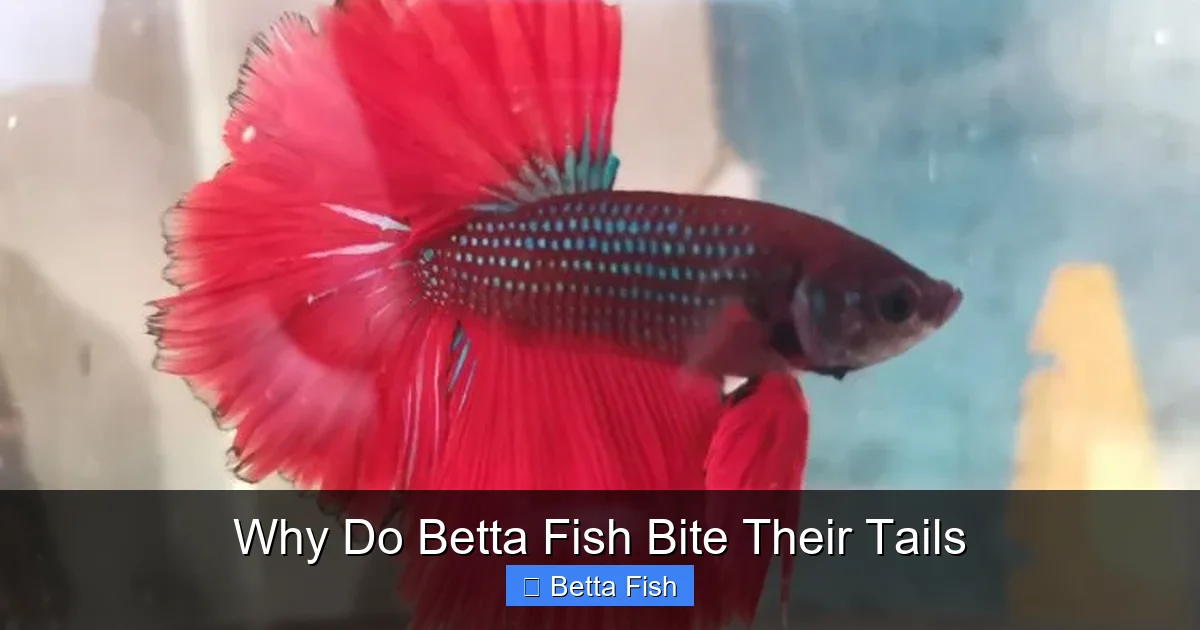
Visual guide about Why Do Betta Fish Bite Their Tails
Image source: bettafishnest.com
Common Stress Triggers
- Overcrowding: Even though bettas prefer solitude, placing them near aggressive tank mates can cause chronic stress.
- Rapid changes: Moving the tank, altering décor, or a sudden temperature drop can unsettle a betta.
- Improper lighting: Bright, flickering lights mimic predators and may make a betta nervous.
Reducing stress often stops tail‑biting within a day. Keep the tank in a quiet spot, maintain stable temperature (78‑80°F), and avoid sudden décor swaps.
2. Water Quality Issues
Why Bad Water Leads to Self‑Injury
Betta fish are sensitive to ammonia, nitrite, and pH swings. Irritated skin and gill tissue make a fish more likely to scratch or bite its own tail in an attempt to relieve discomfort.

Visual guide about Why Do Betta Fish Bite Their Tails
Image source: images.petpress.net
Testing and Maintaining Ideal Conditions
- Ammonia & Nitrite: Should always read 0 ppm. Test weekly with a liquid kit.
- pH: Aim for 6.5‑7.5. Sudden shifts can cause stress.
- Temperature: Keep a reliable heater; bettas thrive at 78‑80°F. See our guide on what temperatures betta fish like.
Perform 25‑30 % water changes every two days until parameters stabilize. A clean tank often ends tail‑biting fast.
3. Health Problems: Parasites, Fungal Infections, and Injuries
Spotting Early Signs of Illness
Look for white or fuzzy patches, red streaks, or torn fin edges. These are classic signs of underlying health issues that can make a betta bite its tail.
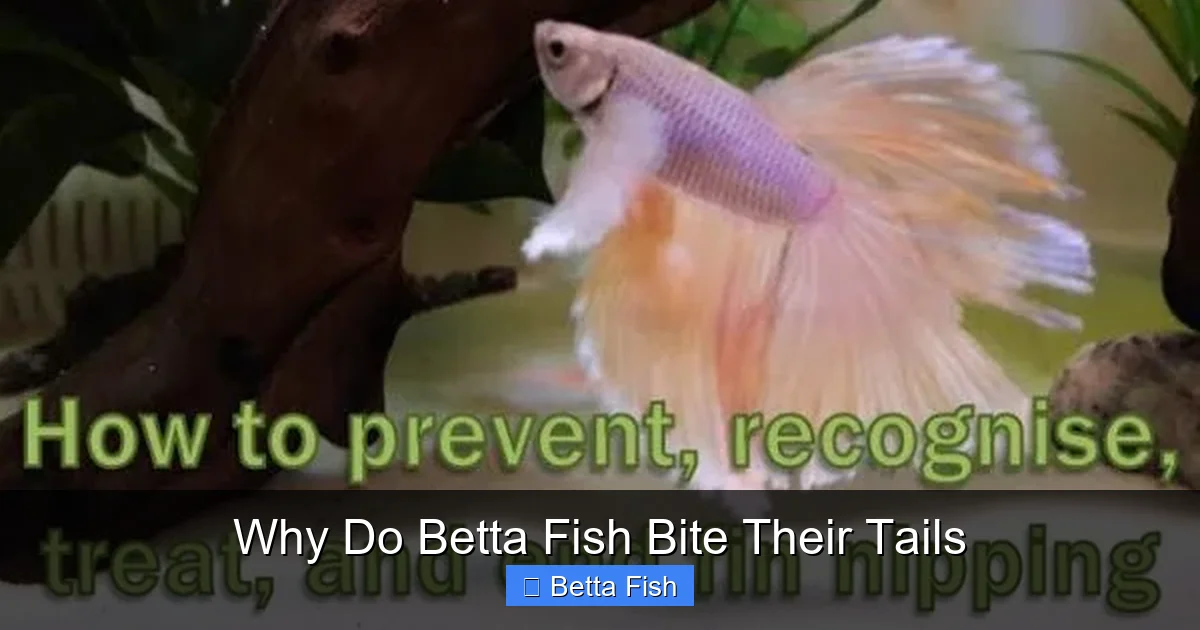
Visual guide about Why Do Betta Fish Bite Their Tails
Image source: bettafishworld.com
Common Culprits
- Ich (White Spot Disease): Small white dots that can irritate the skin.
- Fungal Growth: Cotton‑like fuzz on the tail.
- Fin Rot: Red, ragged edges that may prompt a betta to chew.
Treatment Basics
Isolate the fish in a hospital tank, raise temperature to 82°F, and add a broad‑spectrum antimicrobial medication. Always follow the product instructions and continue treatment for at least a week after symptoms disappear.
4. Boredom and Lack of Enrichment
Why a Bored Betta Turns to Tail‑Biting
Betta fish are intelligent. Without things to explore, they may resort to self‑stimulation. A barren tank can feel like an empty room to a curious fish.
Simple Enrichment Ideas
- Live Plants: Java moss or Anubias provide hiding spots.
- Floating Toys: Small ping‑pong balls or safe betta hammocks.
- Changing the Layout: Rearrange decorations weekly to keep the environment fresh.
Adding enrichment not only reduces tail‑biting but also encourages natural behaviors like flaring and nest building. For more on what bettas enjoy, read what do betta fish like in their tank.
5. Nutritional Factors
How Diet Influences Behavior
A poor diet can lead to nutrient deficiencies, causing skin irritation and abnormal chewing. Betta pellets should be high‑quality, and occasional treats like brine shrimp add variety.
Feeding Tips
- Feed 2‑3 small meals per day, only what they can eat in 2‑3 minutes.
- Include a frozen or live protein source once a week.
- Avoid over‑feeding; excess waste degrades water quality.
Balanced nutrition supports strong fins and reduces the urge to bite.
6. When to Seek Professional Help
Red Flags That Need Expert Attention
If tail‑biting continues after you’ve corrected water, stress, and diet, it may be a deeper health issue. Look for:
- Rapid loss of coloration.
- Labored breathing or gasping at the surface.
- Consistent lethargy despite proper care.
Consult a veterinarian who specializes in fish or a reputable aquarium store. Early intervention can save your betta.
Conclusion: Quick Actions for a Happy, Tail‑Free Betta
Tail‑biting is a symptom, not a disease. By checking water quality, reducing stress, treating health problems, enriching the environment, and feeding a balanced diet, you’ll address the root cause and stop the behavior fast. Remember to observe your fish daily; a small change in behavior often signals a bigger issue. With a little attention, your betta will go back to flaring proudly, building bubble nests, and showing off those brilliant colors—without any self‑inflicted damage.
Frequently Asked Questions
Why does my betta fish bite its own tail?
Tail‑biting is usually a response to stress, poor water conditions, health problems, or boredom. Identifying and fixing the underlying cause stops the behavior.
Can water temperature cause tail‑biting?
Yes. Temperatures below 76°F can stress a betta and make it more likely to chew its tail. Keep the tank at 78‑80°F for optimal health.
Is tail‑biting a sign of disease?
It can be. Parasites, fungal infections, or fin rot irritate the skin, prompting a betta to bite. Look for white spots, fuzz, or ragged edges and treat promptly.
How often should I change the water to prevent tail‑biting?
Change 25‑30 % of the water every two days, or perform a full change weekly if you have a strong filter. Regular testing ensures ammonia and nitrite stay at 0 ppm.
Will adding plants stop my betta from biting its tail?
Yes. Live plants provide hiding spots and mental stimulation, reducing boredom‑related biting. Safe options include Java moss, Anubias, and Marimo moss balls.
Should I separate my betta from other fish if it bites its tail?
Only if the tank is overcrowded or other fish are aggressive. Betta fish are territorial; a single‑species setup often reduces stress and self‑injury.