Do Betta Fish Eat Their Tails
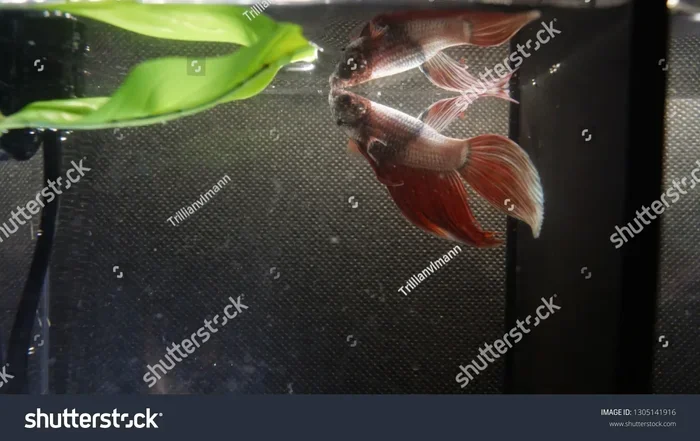
Yes, betta fish can and do eat their own tails. This disturbing behavior, also known as tail biting or fin nipping, happens for many reasons including stress, boredom, and poor water conditions. Understanding the causes and acting quickly can save your betta from serious harm.
Have you ever looked into your betta fish tank and noticed something alarming? Your beautiful betta is biting or chewing on its own tail. This is a scary sight for any fish owner, and it raises an immediate question: do betta fish eat their tails? The short answer is yes, and it happens more often than most people think.
Tail biting in betta fish is a form of self-harm that can lead to serious injury, infection, and even permanent damage. It is not just a weird quirk. It is a sign that something in your betta’s environment or routine needs attention. Whether your fish nips the edges of its fins or chases down its own tail, this behavior should never be ignored.
In this article, we will explore the real reasons behind this behavior, how to tell if your betta is tail biting, and exactly what you can do to stop it. We will also cover prevention tips so your betta stays healthy and happy. Let us dive in and get to the bottom of this troubling habit.
Key Takeaways
- Tail biting is a real behavior: Betta fish sometimes chew on their own tails, and it can range from mild to severe.
- Stress is the top cause: Poor water quality, small tanks, and aggressive tank mates trigger this harmful habit.
- Boredom plays a big role: Betta fish need stimulation, and a bare tank can lead to self-harm.
- Quick action matters: The sooner you address tail biting, the better the chance for full fin recovery.
- Treatment is straightforward: Improving tank conditions, adding enrichment, and treating injuries can stop the behavior.
- Prevention works: A well-setup tank with proper décor and compatible fish greatly reduces tail biting risk.
📑 Table of Contents
Why Do Betta Fish Eat Their Tails?
Understanding the root cause is the first step to fixing the problem. Betta fish do not chew on their tails for no reason. There is always a trigger, and once you identify it, you can take action.
Stress and Poor Water Conditions
The number one reason betta fish turn to tail biting is stress. Bettas are sensitive creatures, and even small changes in their environment can throw them off. Dirty water, high ammonia levels, or sudden temperature swings all create a stressful atmosphere. When a betta feels unsafe, it may start engaging in self-destructive behaviors like fin nipping or tail chewing.
Think of it this way. Imagine living in a room that is always too hot, too loud, and never cleaned. You would feel stressed too. Your betta feels the same way in a poorly maintained tank. Keeping the water clean and stable is the foundation of a healthy betta.
Boredom and Lack of Stimulation
Betta fish are curious and active. They explore, they hunt, and they interact with their surroundings. When you put a betta in a bare tank with nothing to do, the results can be troubling. A bored betta may start biting its own tail simply because it has nothing else to focus on.
This is a common issue in small bowls or tanks with no décor. Your betta needs places to hide, explore, and play. Adding plants, caves, and other tank decorations gives your fish something to do and dramatically reduces the urge to chew on itself.
Aggression and Territorial Behavior
Betta fish are known for being territorial. In the wild, they defend their space from other fish. Sometimes, this aggression turns inward. A betta may view its own tail as a rival or intruder and attack it. This is especially common in male bettas, which are more aggressive by nature.
If you have a male betta in a tank with reflective glass or its own image, it might also mistake its reflection for a competitor and start biting. Aggressive betta behavior can surprise new owners who did not expect their fish to turn on itself.
Health Issues and Infections
Sometimes the cause is medical. Fin rot, fungal infections, and parasites can make a betta’s fins feel uncomfortable or itchy. In response, the fish may chew on the affected area to relieve the irritation. If you notice your betta biting a specific spot repeatedly, it could be a sign of an underlying health issue.
It is also worth noting that do betta fish eat their own fins is a related behavior. The same triggers apply. Fin damage from biting can lead to infection, which leads to more biting. It becomes a painful cycle that needs intervention.
How to Tell If Your Betta Is Eating Its Tail
Not all tail damage looks the same. Some bettas nibble gently, while others chew aggressively. Learning to recognize the signs early can make a huge difference in treatment.
Here are the most common signs of tail biting in betta fish:
- Ragged or uneven fin edges: The fins look torn or shredded, not smooth.
- Shortened fins: The tail appears shorter than normal because pieces have been bitten off.
- Visible chewing marks: You may actually see your betta biting its tail in real time.
- Redness or swelling: The base of the tail looks inflamed or irritated.
- Fins disappearing over time: The tail gets smaller and smaller over days or weeks.
- Your betta stops eating: Pain or stress can cause a loss of appetite.
If you notice any of these signs, do not wait. The sooner you intervene, the better your betta’s chances of recovery. Left unchecked, severe tail biting can lead to permanent damage or even life-threatening infections.
Can Betta Fish Regrow Their Tails?
The good news is that betta fish can regrow their fins and tails under the right conditions. Do betta fish grow back their fins is a common question, and the answer is generally yes. Fin tissue has the ability to regenerate, much like how a lizard can regrow its tail.
However, regrowth depends on several factors:
- The severity of the damage
- Whether the cause is removed
- The overall health of the fish
- Water quality and tank conditions
Mild tail biting usually heals fully within a few weeks. Severe cases where large chunks of the tail are missing may take months to regrow. In the worst cases, if the tail has been completely destroyed and infected, regrowth may not be possible. This is why early intervention is so critical.
To support regrowth, keep the water pristine. Perform regular water changes, maintain stable temperatures between 78 and 80 degrees Fahrenheit, and feed a nutritious diet. A healthy betta heals faster. You can also learn more about do betta fish grow their scales back for related recovery insights.
How to Stop Your Betta From Eating Its Tail
Stopping tail biting requires a multi-step approach. You need to address the root cause, treat any existing damage, and prevent the behavior from returning. Here is a practical plan you can follow.
Step 1: Improve Water Quality
Start with the basics. Test your tank water for ammonia, nitrite, and nitrate levels. Ammonia and nitrite should always be at zero. Nitrates should stay below 20 ppm. If any of these levels are off, do a partial water change immediately.
For a single betta, a tank of at least 5 gallons is recommended. Smaller bowls and containers cause stress and make it harder to maintain stable water parameters. A good filter and a gentle heater are essential investments.
Step 2: Add Enrichment and Décor
A stimulating environment keeps your betta’s mind busy. Add live or silk plants, caves, driftwood, and other decorations. These give your fish places to explore and hide, which reduces boredom and stress.
You can also add a betta hammock or leaf perch. These let your betta rest near the surface, which is a natural behavior. Some owners even introduce puzzle feeders to challenge their betta mentally. The goal is to make the tank interesting enough that your fish forgets about its tail.
Step 3: Treat Any Injuries or Infections
If your betta’s tail is already damaged, you need to treat the wound. Clean the tank and consider using a fish-safe antibacterial treatment. Indian almond leaves, also known as catappa leaves, are a popular natural remedy that can help with mild infections and promote healing.
For severe cases, consult a veterinarian who specializes in fish. They can prescribe medication or provide treatment options tailored to your betta’s specific condition. Do not use human medications or unverified treatments, as these can harm your fish.
Step 4: Reduce Stress Triggers
Remove anything that causes stress in the tank. If your betta is reacting to its own reflection, cover the sides of the tank with a background or dark paper. Avoid tapping on the glass or making sudden loud noises near the tank. Handle your betta gently during tank maintenance.
Also, consider whether your tank has aggressive tank mates. Even though bettas are often kept alone, if you do have other fish, make sure they are peaceful and compatible. Do betta fish kill and eat other fish is a related concern, but even non-lethal aggression from tank mates can stress your betta enough to trigger tail biting.
Prevention Tips for a Healthy Betta
Prevention is always better than cure. A well-planned betta tank goes a long way in stopping tail biting before it starts. Here are some proven tips to keep your betta healthy and stress-free.
- Keep the tank at least 5 gallons: Larger tanks provide more stable water conditions and more swimming space.
- Maintain a consistent cleaning schedule: Weekly partial water changes prevent toxin buildup.
- Add live plants: Plants naturally filter the water and provide hiding spots.
- Provide a varied diet: High-quality pellets, frozen bloodworms, and brine shrimp keep your betta nourished and engaged.
- Avoid sharp decorations: Rough or sharp objects can injure fins and trigger biting behavior.
- Observe your betta daily: Early detection of tail biting makes treatment much easier.
Following these simple steps creates a calm, enriching environment where your betta has no reason to chew on its own tail. Prevention takes a little effort, but it saves your fish from unnecessary pain and you from heartache.
Common Mistakes Bettas Owners Make
Many well-meaning betta owners accidentally contribute to tail biting without realizing it. Here are the most common mistakes to avoid.
- Keeping a betta in a tiny bowl: Bowls under 3 gallons create chronic stress and poor water quality.
- Overfeeding: Excess food pollutes the water quickly and leads to health problems.
- Ignoring water changes: Even with a filter, regular water changes are essential.
- Using aggressive tank mates: Fish like guppies with long fins can provoke your betta into fin nipping.
- Waiting too long to act: Tail biting gets worse over time. The earlier you intervene, the better the outcome.
Avoiding these mistakes sets your betta up for a long, healthy life. A happy betta in a well-maintained tank is far less likely to engage in destructive behaviors like tail biting.
When to See a Vet
Most cases of tail biting can be managed at home with the steps outlined above. However, there are times when professional help is necessary. If your betta’s tail is bleeding, showing signs of severe infection, or not healing despite your efforts, it is time to consult a fish veterinarian.
Also seek help if the tail biting is accompanied by other symptoms like lethargy, loss of color, or difficulty swimming. These could indicate a more serious underlying condition that requires medical treatment. A vet can properly diagnose the issue and prescribe the right medication to get your betta back on the road to recovery.
Conclusion
Do betta fish eat their tails? Yes, they can and they do. But this behavior is not inevitable. By understanding the causes, recognizing the signs early, and taking swift action, you can protect your betta from self-harm. Whether the trigger is stress, boredom, illness, or aggression, there is always a solution.
The most important thing you can do is create a healthy, enriching environment for your fish. Clean water, proper tank size, engaging décor, and a balanced diet go a long way. And if you ever notice your betta chewing on its tail, do not panic. Act quickly, treat the cause, and give your fish the best chance to heal.
Your betta depends on you for its well-being. With the right care and attention, your beautiful fish can enjoy a long, happy life with a full, healthy tail. Start making changes today, and you will see the difference in your betta’s behavior and overall health.
Frequently Asked Questions
Why does my betta fish keep biting its tail?
Tail biting usually stems from stress, boredom, or poor water conditions. Check your tank parameters first, then look at the tank setup. A lack of enrichment or an overly small tank are common culprits. Addressing the root cause almost always stops the behavior.
Is it normal for betta fish to nip at their own fins?
Occasional light nipping is not unusual, but frequent or aggressive tail biting is a sign of a problem. If your betta is doing it regularly, it is time to investigate the cause and make changes to the tank environment.
Can tail biting kill a betta fish?
In severe cases, yes. If tail biting leads to open wounds, infections, or sepsis, it can become life-threatening. This is why early intervention is so important. Catching the behavior early gives your betta the best chance of a full recovery.
How long does it take for a betta’s tail to grow back?
Mild tail damage usually regrows within 2 to 4 weeks. More severe damage can take several months. The key is maintaining excellent water quality and removing the cause of the biting so the regrowth process is not interrupted.
Do betta fish eat their own babies because of stress?
Yes, stress and poor conditions can cause bettas to eat their own babies or fry. This is related to the same self-harm and aggressive behaviors that cause tail biting. Providing a calm, well-maintained environment helps prevent both behaviors.
What should I feed my betta to promote fin healing?
A high-quality pellet diet supplemented with frozen or live foods like bloodworms and brine shrimp supports fin regrowth. Good nutrition boosts the immune system and helps your betta heal faster from tail damage and other injuries.
=== INTERNAL LINKS ===
Did you know that do betta fish eat their own fins is a closely related behavior? If you have noticed your betta chewing on its fins, check out our detailed guide on why bettas target their own fins for more insights.
Tail biting and fin nipping often go hand in hand. If you have seen your betta biting its tail aggressively, our article on why betta fish bite their tails explores the behavioral reasons behind this habit in depth.
Sometimes tail biting is a form of self-mutilation that connects to broader health issues. Learn more about whether betta fish eat themselves and what drives this concerning behavior.
If your betta has lost parts of its tail, you may also want to understand the full picture of why betta fish lose their tails to ensure you are addressing every possible cause.