Do Betta Fish Eat Plants
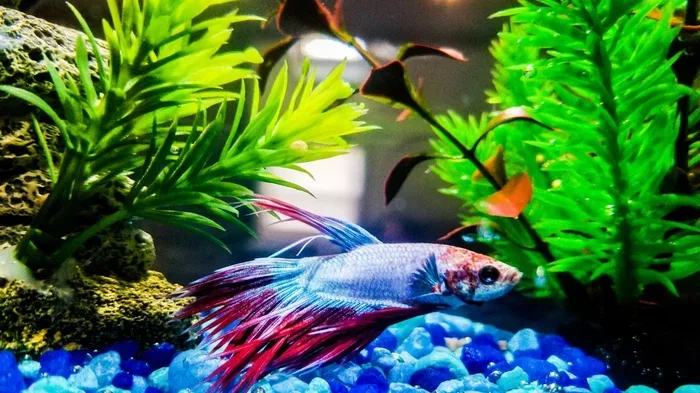
Do betta fish eat plants? While bettas are primarily carnivorous, they will nibble on aquatic plants occasionally. Understanding your betta’s diet and how plants fit into their betta fish feeding routine is key to keeping them healthy and happy in a thriving aquarium ecosystem.
Key Takeaways
- Bettas are mostly carnivores: Their diet is mainly protein-rich animal matter, but they will occasionally eat plant matter for fiber and digestion.
- Plant nibbling is normal: If your betta is eating plants, it does not mean they need a plant-based diet. It is usually just curiosity or a supplement.
- Not all plants are safe: Some plants can be harmful if consumed in large quantities. Choose the right live plants for your betta tank.
- Plants offer huge benefits: Live plants provide hiding spots, oxygen, and reduce stress for your betta fish.
- Proper feeding matters: A high-quality betta fish food plan with occasional treats keeps your fish healthy and less interested in snacking on plants.
- Watch for over-nibbling: Excessive plant chewing may signal a nutritional gap or boredom in your betta’s diet.
📑 Table of Contents
- Do Betta Fish Eat Plants? What Every Owner Needs to Know
- What Do Betta Fish Eat in the Wild?
- Do Betta Fish Eat Aquatic Plants in Your Tank?
- Best Plants for a Betta Tank That Won’t Get Eaten
- How Plants Benefit Your Betta Fish
- How to Feed Your Betta Fish Properly
- Common Questions About Bettas and Plants
- Expert Insights on Betta Fish and Plant Diets
- Key Takeaways
Do Betta Fish Eat Plants? What Every Owner Needs to Know
If you keep a betta fish in a planted tank, you have probably watched your fish nibble on a leaf and wondered, “Is that normal?” It is a common question among new betta keepers. The short answer is yes, bettas can and sometimes do eat plants. But there is a lot more to the story.
Bettas are not strict plant eaters. They are opportunistic feeders. In the wild, they hunt insects, larvae, and small bugs near the surface of rice paddies and shallow waters. Yet in your betta tank, you might see them scraping at aquatic plants or chewing on leaves. Understanding why they do this helps you create a better environment for your fish.
In this guide, we will cover everything about bettas and their relationship with plants. You will learn what they eat in the wild, why they nibble on greenery, which plants are safe, and how to keep your betta well-fed and happy.
What Do Betta Fish Eat in the Wild?
To understand do betta fish eat plants, you first need to know what they naturally eat. Bettas are carnivorous fish. Their bodies are built to digest protein from animal sources. In their natural habitat, they feed on:
- Insects and insect larvae
- Small crustaceans like brine shrimp
- Worms and tiny bugs that fall on the water surface
- Zooplankton and other microscopic animal life
Bettas are surface feeders. They have a unique jaw structure that lets them grab food right at the top of the water. This hunting style means they rarely encounter large amounts of plant matter in the wild. Still, small bits of plant matter can end up in their diet when insects carry pollen or when debris floats into their territory.
So while a wild betta might ingest tiny amounts of vegetable matter, it is not a main food source. Their digestive system is designed for meat. This is an important fact when we talk about feeding them at home.
How Their Diet Affects Tank Behavior
A betta that gets a proper betta fish diet full of protein will be less likely to chew on plants. When they are well-fed, they have less reason to forage randomly. On the other hand, a hungry or underfed betta may explore every corner of the tank. That includes biting off pieces of leaves and plant roots. This is why diet quality matters so much.
Do Betta Fish Eat Aquatic Plants in Your Tank?
Now let us get to the big question. Will your betta actually eat the live plants in your tank? The honest answer is: it depends. Many bettas leave plants alone completely. Others treat them like a salad bar. Here is what you need to know.
Why Bettas Nibble on Plants
There are several reasons a betta might chomp on your aquarium plants. None of them are usually cause for alarm:
- Curiosity: Bettas are curious fish. They explore their world with their mouths. A new leaf might just get a taste test.
- Fiber supplement: Small amounts of plant matter can help with digestion. Some fish keepers notice their betta eats a bit of plant fiber to stay regular.
- Boredom: A tank without enough enrichment can lead a betta to chew on plants just for something to do.
- Hunger: If you are not feeding enough, your betta may turn to plants as a filler food.
- Algae snacking: Sometimes the algae growing on plant leaves is the real target. Your betta is eating the algae, not the plant itself.
When Plant Eating Becomes a Problem
Occasional nibbling is fine. But if your betta is destroying aquatic plants regularly, something might be off. Over-chewing can lead to:
- Bare or damaged plants that look unsightly
- Increased algae growth because plants can no longer absorb nutrients properly
- Stress for the fish if the tank loses its natural cover
If this happens, take a closer look at feeding routines and tank setup. Sometimes adjusting food portions or adding more enrichment solves the problem fast. For more on what your betta might snack on, check out our article on do betta fish eat plants roots to understand root-level chewing behavior.
Best Plants for a Betta Tank That Won’t Get Eaten
Not all live plants hold up to a hungry betta. Some are tough enough to survive gentle nibbling. Others are soft and tasty, which means they might disappear fast. Here are some great options that work well in a betta tank.
Java Moss
Java moss is a favorite among betta owners. It is hardy, grows easily, and can handle some chewing. Bettas often swim through it, using it like a playground. Even if they nibble a little, it bounces back quickly. Learn more in our detailed guide on do betta fish eat java moss.
Java Fern
Java fern has tough, leathery leaves. Most bettas find it unappetizing. It looks beautiful attached to driftwood, and it thrives in low light. This is one of the best aquatic plants for a betta setup.
Anubias
Anubias is another tough plant. Its thick leaves resist chewing well. It grows slowly but steadily, and it does well when attached to rocks or wood. Your betta might try a nibble, but it usually gives up fast.
Peace Lily (Floating)
Floating plants like the peace lily can be a great addition. They provide shade and also give your betta something to rest near. However, some bettas do eat the roots. To understand this better, read our article on do betta fish eat peace lily for detailed insights.
Marimo Moss Balls
Marimo balls are fun to watch. Bettas often push them around and sometimes bite them. They are not technically plants but algae. They make great tank companions. Our article on do betta fish eat marimo balls covers this topic in depth.
How Plants Benefit Your Betta Fish
Even if your betta does not eat much plant matter, having live plants in the tank offers huge benefits. A well-planted tank is a healthier and happier home for your fish.
Natural Hiding Spots
Bettas are territorial. They need places to hide and feel safe. Dense plants give them privacy and reduce stress. A stressed betta is a sick betta. Plants create a natural environment that mimics their wild habitat.
Oxygen Production
Live plants produce oxygen through photosynthesis. This helps keep the water healthy. While your filter does most of the work, plants add a natural boost. They also absorb harmful chemicals like ammonia and nitrates.
Reduced Aggression
A planted tank gives your betta more space to explore. This can reduce aggressive behavior. Instead of pacing the glass all day, your fish can swim through greenery, explore, and rest on leaves. It is a much better quality of life.
Algae Control
Live plants compete with algae for nutrients. The more plants you have, the less room algae has to grow. This means cleaner water and less maintenance for you.
How to Feed Your Betta Fish Properly
Giving your betta the right betta fish food is the best way to stop them from eating your plants. A well-fed betta has no reason to snack on greenery. Here is a solid feeding plan.
What to Feed Your Betta
Bettas need a high-protein diet. Here are the best food options:
- High-quality pellets: Sinking or floating pellets made for bettas are a staple. Look for ones with fish meal as the first ingredient.
- Frozen or freeze-dried bloodworms: These are a favorite treat. Our article on do betta fish eat live bloodworms explains how to use them safely.
- Live brine shrimp: A great source of protein. Bettas love hunting them. Check out do betta fish eat live brine shrimp for tips.
- Daphnia and brine shrimp pellets: These are excellent protein-rich alternatives.
- Peas (occasionally): Cooked and peeled peas can help with digestion. Some keepers use them as a mild plant-based supplement. More on this in our article do betta fish eat peas.
Feeding Schedule and Portions
Feeding the right amount is just as important as the food itself. Here is a simple routine:
- Feed 2-3 small meals per day.
- Each meal should be about what your betta can eat in 2 minutes.
- Skip feeding once a week to let their system clear out.
- Rotate between pellets and treats like bloodworms or brine shrimp.
Quick Tips for Feeding
- Never overfeed. Excess food pollutes the water.
- Remove uneaten food after 5 minutes.
- Use a feeding ring to keep pellets in one spot.
- Watch your betta during feeding to make sure they are eating well.
Common Questions About Bettas and Plants
Will My Betta Kill My Live Plants?
Not usually. Most bettas will only nibble a little. If you choose hardy plants like java fern or anubias, they can handle some chewing. Your plants should survive just fine in a betta fish habitat with proper care.
Is It Okay if My Betta Eats a Little Plant Matter?
Yes. Small amounts of plant matter are not harmful. In fact, a tiny bit of fiber can help digestion. Just make sure it is not a major part of their diet. Bettas need animal protein to thrive.
Can I Put Vegetables in My Betta Tank?
You can, but with caution. Blanched peas (shelled) are the most common veggie treat. Some bettas enjoy small pieces of lettuce or spinach. However, these should be rare treats, not daily staples. For more on this, see our article on do betta fish eat lettuce.
What Plants Should I Avoid in a Betta Tank?
Avoid soft, delicate plants that can be easily destroyed. Some examples include:
- Duckweed (bettas love eating this and can wipe it out fast)
- Water lettuce (too soft and easily destroyed)
- Delicate moss species (some get eaten quickly)
Stick with tougher varieties that can handle a curious betta fish species member.
Do Female Bettas Eat More Plants Than Males?
There is no strong evidence that gender affects plant-eating habits. Both males and females may nibble. It depends more on individual personality, hunger level, and tank setup than gender.
Should I Feed Less If My Betta Eats Plants?
Not necessarily. First, check if your betta is actually eating enough during feeding times. If they are getting proper meals, plant nibbling is likely just curiosity. Increase variety in their betta fish feeding plan before cutting back on food.
Expert Insights on Betta Fish and Plant Diets
Experienced fish keepers agree on a few key points when it comes to bettas and plants. First, never rely on plants as a food source. Betta fish nutrition must come from animal-based proteins. Plants are a supplement at best.
Second, a well-planted tank actually reduces stress. Many experts recommend heavily planting a betta tank, but using sturdy species. This gives your fish plenty of exploration without risking total plant loss. The aquarium ecosystem works best when both fish and plants thrive together.
Third, watch your fish. If you notice excessive plant destruction, evaluate the situation. Check water parameters. Make sure the temperature is right (76-82°F is ideal for bettas). And most importantly, make sure they are eating enough quality food.
Key Takeaways
So, do betta fish eat plants? Yes, sometimes they do. But it is usually a small part of their behavior. A healthy, well-fed betta will mostly leave your plants alone. The real goal is to provide a balanced diet, a comfortable tank, and the right live plants that can handle a little nibbling.
Plants make your betta’s world better in countless ways. They clean the water, offer hiding spots, and make the tank look beautiful. Pair that with a proper feeding routine, and your betta will live a long, happy life. Now you have all the knowledge to create the perfect planted tank for your finned friend.