Can You Put Ghost Shrimp with Betta Fish in the Same Tank
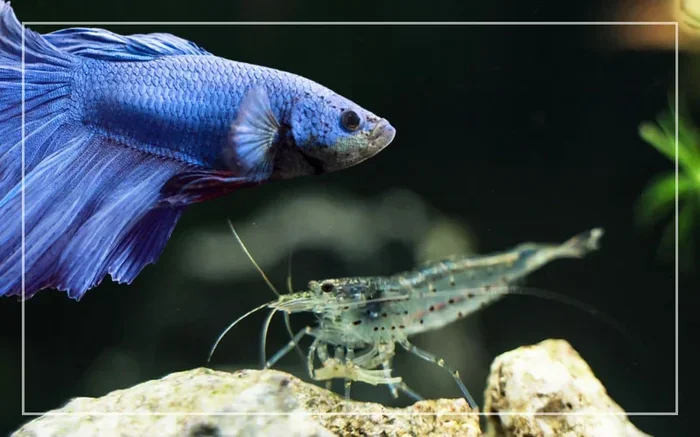
Can you put ghost shrimp with betta fish? Yes, but success depends on your betta’s personality and tank setup. Ghost shrimp make great cleanup crew members, but bettas may see them as snacks. Provide plenty of hiding spots, a 10-gallon tank minimum, and stable water parameters for the best chance at harmony.
Setting up a community tank is one of the most rewarding parts of fishkeeping. You get to watch different species interact, create a mini ecosystem, and enjoy a tank that feels alive in every layer. But mixing species takes research. One of the most common questions beginners ask is can you put ghost shrimp with betta fish? The short answer is yes, but there are some important rules to follow. This guide covers everything you need to know to give your betta and shrimp the best shot at a peaceful life together.
Key Takeaways
- Compatibility varies: Every betta has a unique personality; some ignore shrimp while others hunt them relentlessly.
- Tank size matters: A minimum of 10 gallons gives shrimp space to escape and establish territories.
- Hiding spots are essential: Dense plants, caves, and driftwood provide critical shelter during molting.
- Feed your betta well: A full betta is less likely to view shrimp as food; offer varied, high-quality meals.
- Introduce shrimp first: Let ghost shrimp establish before adding the betta to reduce territorial aggression.
- Watch for molting: Shrimp are vulnerable after shedding; extra cover prevents betta predation during this time.
- Have a backup plan: Keep a spare tank or breeder box ready to separate inhabitants if aggression occurs.
📑 Table of Contents
- Understanding Betta Temperament
- Why Ghost Shrimp Are Popular Tank Mates
- Setting Up the Tank for Success
- The Introduction Process
- Feeding Strategies to Keep Everyone Happy
- Molting: The Danger Zone
- Breeding Ghost Shrimp in a Betta Tank
- Common Mistakes to Avoid
- Alternative Shrimp Options
- When Things Go Wrong: Backup Plans
- Expert Insights: What Experienced Keepers Say
- Frequently Asked Questions
- Conclusion
Understanding Betta Temperament
Before adding any tank mate, you have to understand the star of the show. Betta fish are known for their flowing fins and bold attitudes. They are territorial by nature. In the wild, males stake out a patch of water and defend it against rivals. This instinct does not disappear in captivity.
Some bettas are curious but peaceful. Others will flare at their own reflection and attack anything that moves. You cannot predict behavior based on color or fin type. It comes down to the individual fish. If you have a highly aggressive male, ghost shrimp with betta fish combinations will likely end badly. If your betta is chill, you have a good shot.
Signs Your Betta Might Be Too Aggressive
- Constant flaring at tank walls or decorations
- Chasing or nipping at snails or other tank mates
- Patrolling a specific territory aggressively
- Attacking food instantly and violently
If you see these behaviors, hold off on adding shrimp. It is not worth the risk.
Why Ghost Shrimp Are Popular Tank Mates
Ghost shrimp, also called glass shrimp, are transparent, inexpensive, and excellent cleaners. They scavenge uneaten food, algae, and biofilm. They stay small, usually under two inches, and they occupy the bottom of the tank. This keeps them out of the betta’s preferred mid-to-top swimming zone.
They are also fascinating to watch. You can see their internal organs working. They use their tiny claws to pick at surfaces constantly. For a betta tank, they serve a functional purpose and add visual interest.
Benefits of Keeping Ghost Shrimp
- Natural cleanup crew for leftover pellets and algae
- Low bioload, so they do not dirty the water quickly
- Inexpensive to replace if things go wrong
- Interesting behavior and transparent bodies
- Help break down waste before it becomes ammonia
Setting Up the Tank for Success
Environment is everything. You cannot just drop shrimp into a bare betta bowl and hope for the best. A proper setup dramatically increases survival rates.
Minimum Tank Size
Go for at least 10 gallons. A 5-gallon tank is the absolute minimum for a betta alone. Adding shrimp increases the bioload and reduces territory space. In a 10-gallon or larger tank, shrimp can find corners to hide. The betta cannot patrol the entire bottom effectively. This spatial separation is key.
Plants and Hardscape
Dense planting is non-negotiable. Live plants like java moss, hornwort, anubias, and floating plants create a maze. Shrimp hide in the roots and leaves. Driftwood, cholla wood, and ceramic caves add more options. The goal is to break the line of sight. If the betta cannot see the shrimp constantly, the hunting instinct triggers less often.
Quick Tip: Cholla wood is a shrimp favorite. It grows biofilm, which is a primary food source, and the hollow tubes are perfect hiding spots.
Water Parameters
Bettas and ghost shrimp share similar needs, which makes them compatible on paper.
| Parameter | Betta Range | Ghost Shrimp Range |
|---|---|---|
| Temperature | 78-80°F | 72-82°F |
| pH | 6.5-7.5 | 7.0-8.0 |
| GH | 3-4 dGH | 4-8 dGH |
| KH | 3-5 dKH | 3-10 dKH |
| Ammonia/Nitrite | 0 ppm | 0 ppm |
| Nitrate | <20 ppm | <20 ppm |
Aim for 76-78°F, pH around 7.0-7.2, and moderate hardness. Stability matters more than hitting perfect numbers. Shrimp are sensitive to sudden swings. Use a sponge filter or cover your intake with a pre-filter sponge. Baby shrimp get sucked into standard filters easily.
The Introduction Process
How you add the shrimp changes the outcome. Do not just net them in and walk away.
Step 1: Cycle the Tank First
Never add shrimp to an uncycled tank. They need established biofilm and stable parameters. Wait until ammonia and nitrite are zero and nitrate is readable but low. A mature tank of 4-6 weeks is ideal.
Step 2: Add Shrimp Before the Betta
This is the pro move. Add a group of 5-10 ghost shrimp to the established tank. Let them settle for 1-2 weeks. They will map out hiding spots, start breeding, and establish a population. Then introduce the betta. The betta enters as the “new guy” rather than the territory owner defending against invaders.
Step 3: Acclimate Slowly
Use drip acclimation for 30-60 minutes. Shrimp are sensitive to parameter changes. Float the bag, then add tank water slowly via airline tubing with a knot to control flow. This prevents osmotic shock.
Step 4: Feed the Betta First
Right before releasing the betta (or after adding shrimp to an existing betta tank), feed the betta a high-quality meal. A full belly reduces predatory drive. Do this for the first few days.
Feeding Strategies to Keep Everyone Happy
Feeding time is when conflict happens. Bettas are surface feeders. Shrimp are bottom feeders. But bettas are opportunistic. If they see a shrimp grabbing a pellet, they may snatch it, and the shrimp too.
Target Feeding
Use a feeding dish or target feed the betta with tweezers at the surface. For shrimp, drop sinking pellets, algae wafers, or blanched vegetables (zucchini, spinach) into planted areas after lights out. Shrimp are more active at night. The betta sleeps, and the shrimp feast.
Foods for Ghost Shrimp
- Shrimp-specific sinking pellets (calcium-enriched for molting)
- Algae wafers broken into small pieces
- Blanched vegetables (remove uneaten after 2 hours)
- Biofilm and algae (natural grazing)
- Crushed fish flakes
Calcium is critical. Shrimp molt regularly. Without enough calcium and minerals, they get stuck in their old shell and die. Use a shrimp mineral supplement or foods high in calcium.
Molting: The Danger Zone
This is when most shrimp losses happen. Shrimp shed their exoskeleton to grow. The new shell is soft for several hours. They hide during this time. If a betta finds a molting shrimp, it is an easy meal.
How to Protect Molting Shrimp
- Provide excessive hiding spots: cholla wood, dense moss, caves
- Do not disturb the tank during suspected molting periods
- Leave the old shell in the tank; shrimp eat it to reclaim calcium
- Ensure GH/KH and calcium levels support healthy shells
You will see white, empty shells on the substrate. That is a good sign. It means a shrimp molted successfully and survived.
Breeding Ghost Shrimp in a Betta Tank
Ghost shrimp breed readily. Females carry greenish eggs under their tail (saddle) for 2-3 weeks. Then tiny, free-swimming larvae hatch. Here is the problem: bettas eat the larvae. So do the adult shrimp sometimes. You will rarely get surviving babies in a betta tank unless you have massive plant cover.
If you want to breed shrimp seriously, use a dedicated shrimp tank. In a community betta tank, treat any babies as a bonus snack for the betta. The adult shrimp population will sustain itself if you start with a good group and losses are low.
Common Mistakes to Avoid
- Adding shrimp to a new, uncycled tank: They will die from ammonia or parameter swings.
- Keeping only 1-2 shrimp: They are social and need a group. A group also dilutes predation pressure.
- No hiding spots: Bare tanks = dead shrimp.
- Overfeeding: Rotting food spikes ammonia. Shrimp die first.
- Using copper medications: Copper kills invertebrates. Never use ich meds with copper in a shrimp tank.
- Ignoring betta personality: If your betta is a known killer, do not test it.
Alternative Shrimp Options
Ghost shrimp are not your only choice. Other shrimp work too, with different pros and cons.
| Shrimp Type | Size | Color | Hardiness | Breeding in Freshwater | Cost |
|---|---|---|---|---|---|
| Ghost Shrimp | 1.5-2″ | Transparent | High | Yes (larval stage) | Low |
| Cherry Shrimp | 1-1.5″ | Red/Varieties | High | Yes (direct) | Medium |
| Amano Shrimp | 2-3″ | Clear with dots | High | No (brackish larvae) | Medium |
| Blue Dream Shrimp | 1-1.5″ | Blue | Medium | Yes (direct) | High |
Amano shrimp are larger and better at defending themselves. They are also the best algae eaters. But they cost more. Cherry shrimp are colorful but smaller and easier to swallow. Ghost shrimp remain the best “starter” option due to low cost and hardiness.
When Things Go Wrong: Backup Plans
Even with perfect setup, your betta might decide shrimp are food. Have a plan B.
- Breeder box: A floating acrylic box inside the tank. Move shrimp there temporarily.
- Spare 5-gallon tank: Cycled and ready for a shrimp-only colony.
- Return to store: Many pet stores take back healthy shrimp for store credit.
- Separate container: A large plastic tub with a sponge filter works as emergency housing.
Do not flush live animals. It is inhumane and can introduce species to local waterways.
Expert Insights: What Experienced Keepers Say
I have kept bettas with ghost shrimp in dozens of tanks over the years. The biggest factor is always the individual betta. I have had “killer” bettas that slaughtered $50 worth of Amanos in one night. I have had lazy bettas that ignored cherry shrimp crawling on their nose.
One trick old-timers use: add the betta as a juvenile. A young betta raised with shrimp often ignores them as adults. They imprint on shrimp as “tank furniture” not “food.” This is not a guarantee, but it improves odds significantly.
Another insight: female bettas are sometimes better tank mates than males. They have shorter fins, less drag, and can be less territorial. But female bettas can also be feisty. A female betta community tank with shrimp works well if the girls are peaceful.
Frequently Asked Questions
Will my betta definitely eat ghost shrimp?
Not definitely. Many bettas ignore ghost shrimp completely, especially if well-fed and given plenty of cover. However, bettas are predators. There is always a risk. Start with cheap ghost shrimp to test your betta’s reaction before investing in expensive shrimp.
How many ghost shrimp should I get for a 10-gallon betta tank?
Start with 6-10 shrimp. A group feels safer and breeds better. In a heavily planted 10-gallon, you can support 20+ adults long-term. They have a low bioload. Just ensure filtration and oxygen are adequate.
Do ghost shrimp clean betta poop?
They will pick at it and break it down, but they do not “clean” it like a vacuum. They eat the biofilm and microorganisms growing on waste. You still need to gravel vacuum during water changes. They are a cleanup crew, not a replacement for maintenance.
Can ghost shrimp hurt my betta?
No. Ghost shrimp have tiny claws. They cannot pinch hard enough to damage a betta. They are scavengers, not hunters. The only risk is if a betta tries to swallow a large shrimp and chokes, which is extremely rare.
Why are my ghost shrimp dying one by one?
Check water parameters first (ammonia, nitrite, nitrate, copper). Ensure GH/KH is sufficient for molting. Look for failed molts (stuck in shell). If parameters are perfect, your betta may be hunting them at night. Observe with a red light after dark.
Can I keep ghost shrimp with a betta in a 5-gallon tank?
It is possible but risky. Space is tight. The betta patrols the whole bottom. Shrimp have nowhere to run. If you must use a 5-gallon, pack it with plants, use cholla wood, and keep only 3-4 shrimp. Watch closely. A 10-gallon is strongly recommended.
Conclusion
So, can you put ghost shrimp with betta fish? Absolutely. It is one of the most classic and rewarding pairings in the hobby when done right. The keys are simple: know your betta, provide a 10-gallon or larger tank, pack it with plants and hiding spots, cycle the tank fully, introduce shrimp first, feed everyone well, and have a backup plan. Follow these steps, and you will likely enjoy a lively, clean, multi-level aquarium for years. If it does not work, you learned something valuable about your betta’s personality, and the shrimp were inexpensive teachers. Happy fishkeeping!