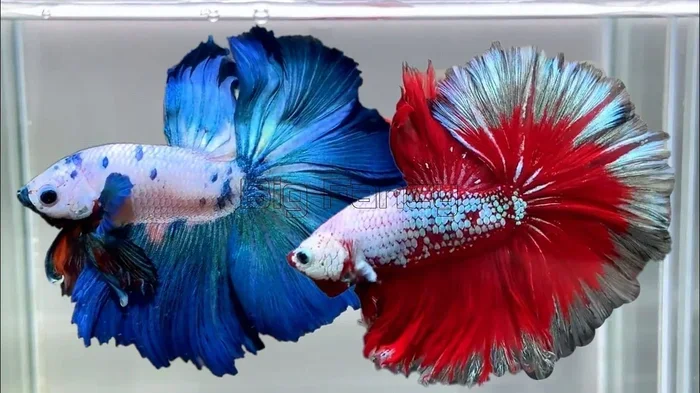
Do Betta Fish Bites Hurt

Betta fish bites are rare and typically cause only a mild, brief pinch or poke sensation, similar to a firm tweezers grip. Their tiny, soft teeth are designed for shredding insect larvae, not piercing human skin, so significant pain or injury is highly unlikely. The real issue is often stress or territorial behavior in the fish, not harm to you. Proper handling techniques and understanding betta behavior are key to preventing bites entirely.
So, you’ve brought home a dazzling, flowing betta fish, and you’re mesmerized by its vibrant colors and dramatic fin displays. As you lean in to admire your new aquatic pet, a thought might cross your mind: “Can this little fish bite me? And if it does, will it hurt?” It’s a common and perfectly reasonable question for any new betta owner. The short answer is that while a betta fish can bite, the experience is almost never painful or dangerous to humans. However, the “why” behind the bite is far more important than the “ouch.” This comprehensive guide will dive deep into the anatomy, behavior, and practical handling of betta fish to fully answer the question: do betta fish bites hurt? We’ll separate myth from reality, explore the subtle language of your betta, and give you actionable tips to ensure your interactions are always safe, stress-free, and enjoyable for both you and your fish.
Key Takeaways
- Bites are exceptionally rare: A healthy, non-stressed betta in a proper environment will almost never bite a human intentionally.
- Pain is minimal and fleeting: At most, a betta bite feels like a quick, firm pinch or poke—comparable to a strong pair of tweezers—and lasts only a second.
- Bites are a communication signal: A bite is always a sign of fear, stress, or territorial defense, not random aggression or “meanness.”
- Prevention is 100% effective: Using gentle, proper handling methods (like using a cup, not a net) and avoiding triggers eliminates the risk of being bitten.
- Their mouths are not weapons: Betta teeth are tiny and soft, adapted for eating, not for inflicting wounds; they cannot “bite through” or break human skin.
- Immediate first aid is simple: If bitten, gently wash the area with soap and water. No special treatment is needed as infection risk is virtually zero.
- Aggression is often misread: What looks like a bite is often the fish merely investigating or mouthing a curious object (like a finger) without applying pressure.
📑 Table of Contents
- Understanding Betta Fish Anatomy & Behavior
- Do Betta Bites Actually Hurt? The Pain Factor
- Why Do Betta Fish Bite? Triggers & Scenarios
- How to Safely Handle and Interact with Your Betta
- What to Do If You Get Bitten (First Aid & Aftercare)
- Debunking Myths: Aggression vs. Misinterpretation
- Building a Trusting Relationship Without Bites
- Conclusion: A Harmless Nip, A Major Lesson
Understanding Betta Fish Anatomy & Behavior
Before we can assess the potential for pain, we need to understand what a betta fish’s mouth is actually designed to do. Bettas, or Siamese fighting fish, are members of the gourami family. Their most famous feature is their spectacular finnage and aggressive tendencies towards other males, but their oral structure tells a different story about their interaction with the world.
The Truth About Betta “Teeth”
Contrary to popular belief, betta fish do not have sharp, needle-like teeth like a piranha or a dog. Instead, they possess a set of tiny, bristle-like structures called pharyngeal teeth located in their throat, not on their visible jawline. These minuscule teeth are used for gripping and shredding their natural diet of insects, insect larvae (like bloodworms), and small crustaceans. They are not designed for piercing or tearing flesh. When a betta “bites” you, it uses its lips to grasp and may give a little suction or shake, but there is no penetrating action from teeth. It’s more akin to a firm, brief pinch from a very small pair of tweezers.
Natural Aggression vs. Human Interaction
The infamous aggression of the betta fish is almost exclusively directed at other male bettas. This is a hardwired, territorial behavior from their wild habitat, where males defend small patches of still water. This aggression is a display—flaring gills, extending fins, and charging—to intimidate rivals without necessarily making physical contact. When it comes to humans, a betta’s reaction is based on fear, curiosity, or a misdirected territorial instinct. They do not see a human finger as a conspecific (same species) rival to fight for dominance in the way they see another betta. Therefore, a bite from a betta is never an act of “anger” or “vengeance” as we understand it; it is a reflexive response to a perceived threat or an investigative nibble.
Do Betta Bites Actually Hurt? The Pain Factor
Now, to the core question. Based on their anatomy and the nature of their interaction with humans, the sensation of a betta bite is consistently reported by owners and experts as mild and momentary.

Visual guide about Do Betta Fish Bites Hurt
Image source: goldkoifish.com
Sensory Experience: What It Really Feels Like
Most people describe a betta bite as a quick, firm pinch or poke. Imagine if you very gently squeezed the skin between your own thumb and forefinger with the tips of your fingers—that’s a good approximation. Some liken it to the brief pressure of a strong pair of tweezers closing on the skin. There is no sharp pain, no sting, and certainly no puncture wound. The sensation lasts for less than a second because the fish will immediately release. The surprise or startle of the sudden contact is often more startling than any physical discomfort. For children or those with very sensitive skin, it might be registered as a mild “twinge,” but it does not escalate into ongoing pain.
Comparing to Common Pokes and Pinches
To put it in perspective:
- Less painful than a paper cut: A paper cut involves a microscopic tear in the skin. A betta bite does not break the skin at all.
- Similar to a strong rubber band snap on skin: The pressure is noticeable but not injurious.
- Far less intense than a mosquito bite: A mosquito bite involves an injection of saliva and an immune response causing itching. A betta bite has no chemical component and no after-effect.
In essence, the “hurt” is so minimal it’s often debated whether it even qualifies as pain. It’s a tactile sensation of pressure, not an injury.
Why Do Betta Fish Bite? Triggers & Scenarios
Understanding why a betta might bite is crucial for preventing it. Since the bite itself is harmless, the goal is to avoid creating a situation where the fish feels the need to nip. Bites are always a symptom of stress, fear, or misdirected instinct.
The Mirror Effect: Mistaking Your Finger for a Rival
One of the most common triggers is the reflective nature of a fish tank’s glass or acrylic. When you place your finger on the outside of the tank, your betta may see its own reflection or your moving digit and interpret it as an intruding male betta. Its instinctive response is to charge and flare at the “rival.” If your finger is in the water during this display, the betta, in its heightened state of territorial defense, may give a test bite or nip at the object it perceives as a threat. This is not personal; it’s a biological script playing out.
Fear and Startle Responses
A sudden movement from above, a quick hand entering the tank, or a shadow can frighten a betta. In a panic, its fight-or-flight response may default to a quick, defensive bite at the nearest object—which could be your hand if you’re reaching in. This is a pure reflex, not a calculated attack.
Curiosity and Investigation
Bettas are intelligent and curious fish. They use their mouths to explore their environment, much like a puppy or a baby. A slow-moving finger might be investigated with gentle mouthing. This is often mistaken for a bite, but it’s typically light pressure without the quick shake or release of a defensive nip. It’s the fish’s way of saying, “What is this thing?”
Feeding Time Confusion
If you feed your betta by hand or with long tweezers, they may associate the movement of fingers near the water’s surface with food. Over time, they might learn to nip at fingers during feeding time in anticipation of a snack. This is a learned behavior, not an aggressive one, but it can be discouraged by using feeding tools.
How to Safely Handle and Interact with Your Betta
Preventing bites is straightforward and revolves around respecting your betta’s space and using the right techniques. The golden rule is: minimize direct hand-in-tank contact.
Visual guide about Do Betta Fish Bites Hurt
Image source: buildyouraquarium.com
The Art of the Cup Transfer (The Only Safe Way to Move Them)
Never use a net to move a betta unless it’s an absolute emergency. Nets can snag and damage their delicate fins, causing immense stress and potential injury. The professional and humane method is the plastic cup transfer. Use a clean, soft plastic cup (like a disposable drinking cup). Gently guide the betta into the cup with your hand or a soft sheet of plastic, allowing it to swim in voluntarily. Then, lift the cup out, keeping it level, and move it to the new location. This method is stress-free, fin-safe, and eliminates any chance of you being bitten during the move because your hand is never in the water with the fish.
Interacting Without Putting Hands In
You can build a bond and stimulate your betta without ever submerging a finger:
- Use a laser pointer or wand toy: Gently move a small laser dot or a clean, soft wand along the outside of the glass. Bettas will often chase it, providing excellent exercise.
- Float a ping-pong ball: A clean ping-pong ball on the water’s surface becomes an intriguing object to investigate and nudge.
- Rearrange decor: When doing water changes or tank maintenance, move plants or ornaments slightly. Your betta will re-explore the “new” environment, which is enriching for them.
- Target training: You can even train your betta to follow a target (like a colored sticker on a stick) using food rewards, all without touching the water.
If You Must Touch the Water: Proper Protocol
Sometimes, you need to adjust something in the tank. If you must put a hand in:
- Move slowly and deliberately. Quick movements trigger fear.
- Keep your hand flat and palm-down. A fist or pointing finger looks more like a predator.
- Let the betta see your hand enter from the side, not from above. Predators attack from above.
- Avoid wearing shiny jewelry or watches. Reflections can trigger territorial aggression.
- Do not chase or corner the fish. Give it an escape route.
Following these steps almost guarantees you will never experience a bite because the fish will not feel threatened.
What to Do If You Get Bitten (First Aid & Aftercare)
Okay, let’s say the unlikely happens and you feel that quick pinch. What now? The good news is the protocol is absurdly simple because the “injury” is nonexistent.
Visual guide about Do Betta Fish Bites Hurt
Image source: buildyouraquarium.com
Immediate Steps: Don’t Panic, Just Rinse
1. Remain calm. Do not jerk your hand away violently, as you could startle the fish more or knock over tank equipment. 2. Gently withdraw your finger. The fish will release immediately. 3. Wash the area with soap and warm water. This is standard hygiene after any contact with aquarium water, which contains bacteria. There is no need for antiseptic, bandages, or special care. The skin will not be broken, so there is no open wound. 4. Observe. You might see a tiny, faint red spot where the suction was, but this will fade within minutes. It is not a puncture; it’s a temporary discoloration from suction.
When to Be Concerned (Spoiler: Almost Never)
The only scenario requiring medical attention would be if you have a severe, compromised immune system and develop signs of infection (redness, swelling, pus) at the site—an extremely rare outcome. For the vast, vast majority of people, a betta bite is a non-event. The real “care” should be directed at your fish: after a bite incident, assess what triggered it. Was your hand moving too fast? Was the betta flaring? Use the incident as a learning moment to adjust your future behavior to reduce the fish’s stress.
Debunking Myths: Aggression vs. Misinterpretation
The world of betta fish is rife with misconceptions that paint them as vicious little monsters. Clearing these up is key to enjoying a peaceful relationship with your pet.
Myth 1: “Bettas Are Naturally Bitey and Mean”
Reality: Bettas are not innately hostile to humans. Their aggression is a specific, species-specific territorial behavior. A well-housed betta in a properly sized, decorated tank with stable water parameters is a calm, observing fish. “Bitey” behavior is a direct symptom of poor housing (tiny tanks, no hiding spots), constant stressors (bright lights, loud noises, tank mates it can’t escape), or mishandling by owners.
Myth 2: “A Betta Bite Can Cause Serious Injury”
Reality: As established, their anatomy makes this physically impossible. They lack the dental structure to pierce human epidermis. The worst-case scenario is a firm pinch that might surprise a child.
Myth 3: “If a Betta Bites, It Holds a Grudge”
Reality: Fish do not hold grudges. They have a memory span of several months and can learn associations (e.g., your hand = food), but they do not experience complex emotions like spite or vengeance. If a betta bites once, it’s because the same triggering conditions were present again—not because it remembered you from last time and decided to get even.
The Role of Tank Environment in Preventing Bites
The single most important factor in a betta’s temperament is its environment. A stressed fish is a bite-risk fish. Ensure your betta has:
- A minimum 5-gallon tank. Small bowls create immense stress.
- A secure lid. Bettas are jumpers, and a jumping betta is a terrified betta.
- Plenty of plants and hiding spots. Live or silk plants, caves, and driftwood provide security.
- Stable, warm water (78-80°F or 25-27°C). Cold water slows metabolism and increases irritability.
- No aggressive tank mates. Avoid fin-nippers like tiger barbs. Research compatible species thoroughly if you want a community tank.
A happy, secure betta is a curious, display-oriented fish that will flare at its reflection or a rival, but will ignore your hand as it moves through the water.
Building a Trusting Relationship Without Bites
So, how do you bond with a betta? Not by putting your fingers in its home, but by becoming a positive, predictable part of its world.
Positive Reinforcement Through Feeding
Feed your betta at the same time each day. Use a feeding ring or a small dish to contain food. Over time, your betta will learn that your approach to the tank means food is coming. It will swim to the front expectantly. This builds positive association. You can even use a target (like a colored sticker on a stick) to teach it to follow for a food reward.
Observation is Bonding
Sit quietly near the tank. Read a book or work. Let your betta get used to your presence as a non-threatening, stationary object. You’ll notice it begin to exhibit its natural behaviors—building bubble nests, exploring, displaying—more openly when it feels you are not a threat. This is the foundation of trust.
Respecting Its Space
Understand that your betta’s tank is its entire universe. You are a giant, outside entity. Respecting that boundary is the ultimate sign of care. Enjoy its beauty from the outside. If you want to interact, use the non-contact methods described earlier. This respectful approach will result in a confident, active fish that enjoys its life—and that, ultimately, is the goal of any responsible pet owner.
Conclusion: A Harmless Nip, A Major Lesson
To definitively answer the question: No, a betta fish bite does not hurt in any meaningful or lasting way. The sensation is a brief, mild pinch, and the physical risk is virtually zero. The true value of exploring this question lies not in fearing a bite, but in understanding the rich behavioral language of the betta fish. A bite is never random; it is a clear, if subtle, signal of distress, fear, or territorial confusion. By learning to read these signals—flared gills, rigid posture, frantic darting—and by committing to proper, respectful handling (the cup method is your best friend), you can create an environment where that signal is never needed. Your betta will thrive as a confident, beautiful display animal, and your interactions will be defined by mutual curiosity and calm observation, not by startled pinches. Focus on providing an excellent, stress-free habitat, and you’ll likely never have to wonder about the pain of a betta bite again. Instead, you’ll wonder at the mesmerizing dance of a fish that feels perfectly safe in its own home.
Frequently Asked Questions
Can a betta fish bite through human skin?
No. Betta fish have tiny, soft pharyngeal teeth in their throat designed for eating insects, not for piercing. They cannot break or puncture human skin. At most, you might feel a firm suction or pinch, but no wound is created.
Why did my betta bite my finger when I was putting food in the tank?
This is usually a case of mistaken identity or excitement. Your moving finger may have been seen as prey, or the betta was in a heightened feeding state and nipped at the first thing it saw near the food. It’s not aggression, but a feeding response that can be curbed by using feeding tongs.
Is it normal for a betta to bite its own reflection?
Yes, this is very common. Bettas are highly territorial and will often flare and charge at their own reflection in the glass, sometimes nipping at it. This is a sign of stress and frustration. You can reduce this by using a background on the tank sides to minimize reflections or by providing plenty of enrichment to distract them.
How can I tell if my betta is going to bite?
Look for clear warning signs before a potential nip: flared gills and fins, a rigid, horizontal body posture, and a focused, intense stare directed at your hand. If you see these, slowly and calmly remove your hand from the tank. A relaxed betta will have smooth fins and swim leisurely.
Do betta fish remember if I accidentally scared them or bit them?
Bettas have a memory span of several months and can learn positive associations (like your hand means food). However, they do not hold grudges or remember single negative events with targeted retaliation. If a betta seems consistently fearful of your hand, it’s because you are repeatedly doing something that triggers its fear response, not because of a single past incident.
Are some betta fish more likely to bite than others?
Individual personality plays a role, but environment is the overwhelming factor. A betta kept in a tiny, barren, cold tank with poor water quality will be perpetually stressed and more likely to nip at anything that enters its space. A betta in a spacious, warm, planted tank with stable conditions is generally calm and will rarely, if ever, exhibit biting behavior. Plakat (short-finned) types are sometimes more active and curious, but not necessarily more “bitey.”