Can a Betta Fish Live in a 5 Gallon Tank
Yes, a betta fish can absolutely live in a 5 gallon tank — it is one of the most popular and recommended sizes for a single betta. A 5 gallon tank gives your betta enough room to swim, explore, and stay healthy, while being easy to manage on any budget. In this guide, we cover everything you need to know about setting up, stocking, and maintaining a 5 gallon betta tank for the best results.
Key Takeaways
- 5 gallons is the minimum recommended tank size for a single betta fish, offering a healthy balance of space and manageability.
- A proper filter and heater are essential for keeping water stable and your betta thriving in a 5 gallon setup.
- Regular water changes (25-30% weekly) are critical because a smaller tank accumulates waste faster.
- Live plants, hiding spots, and gentle décor make a 5 gallon tank feel natural and reduce betta stress.
- Avoid overstocking — a 5 gallon tank is best suited for one betta fish only.
- Betta fish can live 3-5 years in a well-maintained 5 gallon tank, sometimes longer with excellent care.
- Tap water must be treated with a conditioner before adding it to your betta tank.
📑 Table of Contents
- Can a Betta Fish Live in a 5 Gallon Tank?
- Setting Up a 5 Gallon Betta Tank
- Water Parameters and Maintenance
- Can You Keep Other Fish With a Betta in a 5 Gallon Tank?
- How Long Do Betta Fish Live in a 5 Gallon Tank?
- Common Mistakes to Avoid
- Quick Tips for a Thriving 5 Gallon Betta Tank
- Expert Insights on 5 Gallon Betta Tanks
- Conclusion
Can a Betta Fish Live in a 5 Gallon Tank?
The short answer is yes. A betta fish can live comfortably in a 5 gallon tank. In fact, many experienced fish keepers consider 5 gallons to be the sweet spot for a single betta. It is big enough to create a healthy environment, yet small enough to fit on a desk or shelf.
If you are new to fish keeping, a 5 gallon tank is a great place to start. It is not too small to cause problems, and it is not so large that it becomes overwhelming to maintain. Your betta will have room to swim, explore, and show off its beautiful fins.
That said, a 5 gallon tank does come with responsibilities. You cannot just fill it with water and toss in a fish. There are important setup steps, maintenance routines, and compatibility rules to follow. This guide walks you through everything you need to know.
Why Tank Size Matters for Betta Fish
Betta fish are often sold in tiny cups or bowls. This is misleading and harmful. In the wild, bettas live in rice paddies, slow-moving streams, and flood plains. They need space to move and stable water conditions. A 5 gallon tank gives your betta a much better life than a cramped bowl ever could.
Small tanks can cause stress, which leads to illness. A 5 gallon tank allows beneficial bacteria to establish properly. These bacteria break down harmful waste like ammonia and nitrite. Without enough water volume, toxins can build up quickly and endanger your fish.
If you are curious about smaller options, check out our article on can a betta fish live in a small tank for more details on minimum size requirements.
Setting Up a 5 Gallon Betta Tank
Setting up a 5 gallon tank is simple and affordable. Here is a step-by-step guide to get everything ready before your betta arrives.
Step 1: Choose the Right Tank
Look for a tank that holds exactly 5 gallons. Some brands sell tanks labeled as 5 gallons that are actually smaller. Always check the actual water capacity. A standard 5 gallon tank measures about 16 inches long and 8 inches tall, which gives your betta a nice horizontal swimming area.
Step 2: Add a Filter
You might wonder, can a betta fish live in a tank without a filter? Technically yes, but a filter makes a huge difference. It removes debris, houses beneficial bacteria, and keeps the water cleaner longer. Choose a gentle sponge filter or a small hang-on-back filter with an adjustable flow. Betta fish do not like strong currents, so make sure the filter flow is not too powerful.
For more on this topic, read our guide on can betta fish live in a tank without a filter.
Step 3: Install a Heater
Betta fish are tropical. They need warm water between 76 and 82 degrees Fahrenheit. A small 25-watt heater designed for 5 gallon tanks works perfectly. Use a thermometer to monitor the temperature daily, especially during the first few weeks.
Step 4: Add Substrate and Decorations
Use fine gravel or sand as your substrate. Avoid rough or sharp decorations that could tear your betta’s delicate fins. Add some live or silk plants to give your betta places to hide and rest. Betta fish love having plants near the surface where they can build bubble nests.
Step 5: Cycle the Tank
Before adding your betta, you need to cycle the tank. This process takes 2 to 4 weeks. It builds up the good bacteria that convert toxic ammonia into less harmful substances. You can speed up cycling with bottled bacteria starter. Never skip this step — adding a fish to an uncycled tank is one of the fastest ways to harm or kill it.
Water Parameters and Maintenance
Keeping the water clean is the most important part of betta care. A 5 gallon tank is small, which means waste builds up faster than in larger aquariums. Here is what you need to know.
Water Parameters
Keep these parameters in check for a healthy betta:
- Temperature: 76 to 82 degrees Fahrenheit
- pH: 6.5 to 7.5
- Ammonia: 0 ppm
- Nitrite: 0 ppm
- Nitrate: Below 20 ppm
Water Changes
Perform a 25 to 30 percent water change every week. Use a gravel vacuum to remove waste from the substrate. Always treat new water with a water conditioner before adding it to the tank. This removes chlorine and chloramine, which are harmful to betta fish.
If you are unsure about water sources, check out our article on can you use tap water in a betta fish tank for safe water preparation tips.
Testing Your Water
Buy a liquid test kit. Test strips are less accurate and can expire quickly. Test your water at least once a week, especially during the first month of setup. If you notice any spikes in ammonia or nitrite, do a larger water change immediately.
Can You Keep Other Fish With a Betta in a 5 Gallon Tank?
This is one of the most common questions among betta owners. The honest answer is that a 5 gallon tank is very limited when it comes to tank mates.
Best Tank Mates for a 5 Gallon Tank
Because space is tight, you should avoid adding multiple fish. However, some creatures can coexist peacefully with a betta in a 5 gallon setup:
- Snails: A single mystery snail or nerite snail works well. They eat algae and do not bother bettas.
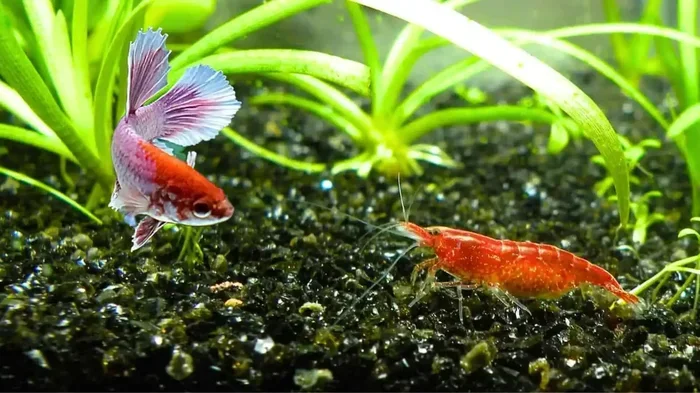
- Shrimp: Ghost shrimp or cherry shrimp are small and generally safe with bettas.
- African Dwarf Frogs: These can work, but they need careful monitoring.
Avoid adding other fish that require lots of swimming space or that might nip at betta fins. For more information on compatible tank mates, read can betta fish live in a tank with other fish.
Can Two Betta Fish Share a 5 Gallon Tank?
No. Two male bettas should never share a 5 gallon tank. They will fight and can seriously injure or kill each other. Even two female bettas need more space than 5 gallons to establish a safe hierarchy. Stick with one betta per 5 gallon tank.
How Long Do Betta Fish Live in a 5 Gallon Tank?
With proper care, a betta fish can live 3 to 5 years in a 5 gallon tank. Some bettas have even reached 7 years with excellent water quality and a healthy diet. The key factors that influence lifespan include tank setup, diet, water changes, and stress levels.
A well-maintained 5 gallon tank provides a stable environment that supports long-term health. On the other hand, a neglected 5 gallon tank can lead to illness and a much shorter life. Consistency is everything.
For a deeper look at betta lifespan in this tank size, read our article on how long do betta fish live in a 5 gallon tank.
Common Mistakes to Avoid
Even experienced fish keepers make mistakes. Here are the most common ones when keeping a betta in a 5 gallon tank:
- Skipping the cycle. Never add a betta to an uncycled tank. Ammonia spikes can be fatal within hours.
- Overfeeding. Betta fish have small stomachs. Feed them 2 to 3 pellets twice a day. Remove any uneaten food after 5 minutes.
- Using a too-strong filter. A powerful filter creates currents that tire out bettas. Always use a gentle filter.
- Neglecting water changes. A 5 gallon tank needs weekly attention. Skipping water changes leads to toxic buildup.
- Adding too many decorations. Leave open swimming space. Too many decorations make the tank feel cramped and reduce water quality.
- Keeping the tank in direct sunlight. This causes algae blooms and temperature swings. Place the tank in a stable, indirect light area.
Quick Tips for a Thriving 5 Gallon Betta Tank
Here are some bonus tips to keep your betta happy and healthy:
- Add a few live plants like java fern or anubias. They help absorb nitrates and provide natural hiding spots.
- Use a gentle sponge filter that does not create strong currents.
- Keep the tank lid on. Betta fish are jumpers and can escape if the tank is open.
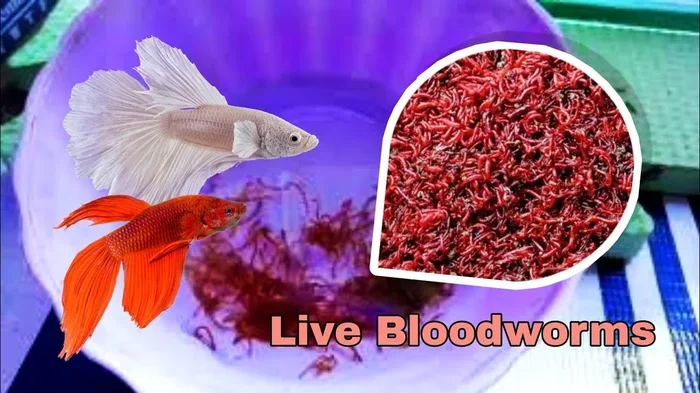
- Feed a varied diet including high-quality pellets, frozen bloodworms, and daphnia.
- Observe your betta daily. Watch for signs of stress like clamped fins, loss of color, or hiding constantly.
- Do not place the tank near doors or loud appliances. Betta fish are sensitive to vibrations and noise.
Expert Insights on 5 Gallon Betta Tanks
Many fish keeping experts agree that a 5 gallon tank strikes the perfect balance between ease of maintenance and quality of life for a betta. According to the Betta Fish Information resource, a 5 gallon tank is the minimum recommended size for a single betta, and it provides enough biological filtration capacity when properly cycled.
Experienced aquarists also emphasize the importance of enrichment. A 5 gallon tank should not feel empty. Plants, caves, and gentle water flow all contribute to a betta feeling secure and active. A stressed betta is a sick betta, so creating a comfortable environment is the foundation of good care.
If you are considering upgrading from a smaller tank, a 5 gallon setup is the best first step. It gives you room to add basic equipment without overwhelming your space or your budget.
Conclusion
Can a betta fish live in a 5 gallon tank? Absolutely. A 5 gallon tank is one of the best choices for keeping a single betta fish healthy and happy. It offers enough space for swimming, enough water volume for stable parameters, and is easy to maintain for beginners and experts alike.
The key is to set up the tank properly, maintain a consistent cleaning schedule, and avoid common mistakes like overstocking or skipping the nitrogen cycle. With the right care, your betta can thrive for years in a 5 gallon aquarium.
Remember that every betta fish deserves a home that supports its natural behaviors and needs. A 5 gallon tank, when set up correctly, does exactly that. Start your setup today and give your betta the healthy, comfortable life it deserves.
Frequently Asked Questions
Is a 5 gallon tank too small for a betta fish?
No, a 5 gallon tank is not too small. In fact, it is the minimum recommended size for a single betta fish. It provides enough water volume to keep parameters stable and gives your betta room to swim and explore comfortably.
Can two betta fish live together in a 5 gallon tank?
No, two betta fish should never share a 5 gallon tank. Male bettas will fight aggressively, and even two females need more space. Keep only one betta per 5 gallon tank to ensure safety and reduce stress.
Do betta fish need a filter in a 5 gallon tank?
While bettas can technically survive without a filter, using a gentle sponge filter is highly recommended. A filter helps maintain clean water, supports beneficial bacteria, and reduces the frequency of water changes needed.
How often should I do water changes in a 5 gallon betta tank?
Perform a 25 to 30 percent water change every week. Because a 5 gallon tank is small, waste and toxins accumulate quickly. Weekly water changes keep ammonia and nitrite levels at zero and keep your betta healthy.
Can betta fish live with snails in a 5 gallon tank?
Yes, a single mystery snail or nerite snail can live peacefully with a betta in a 5 gallon tank. Snails help clean up algae and leftover food. Just avoid adding too many snails, as they can contribute to waste buildup in a small tank.
What is the best heater for a 5 gallon betta tank?
A 25-watt submersible heater is ideal for a 5 gallon tank. Look for a model with a built-in thermostat and adjustable temperature setting. Pair it with a separate thermometer to monitor the water temperature accurately.