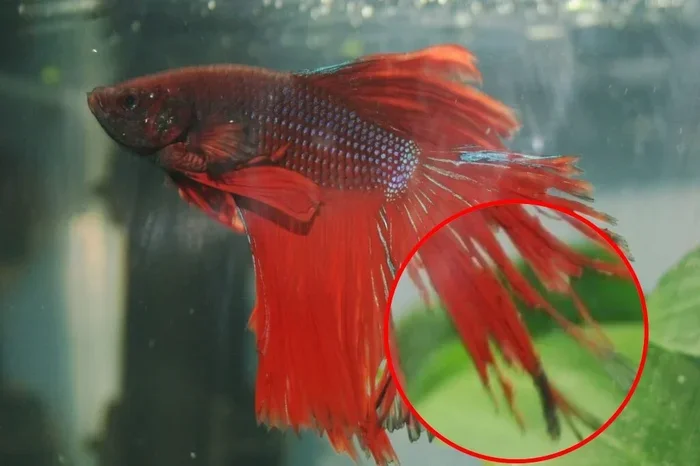
What Should a Betta Fish Tank Temperature Be

The ideal betta fish tank temperature stays between 76°F and 82°F (24°C to 28°C). Keeping your betta fish water temperature stable is the single most important thing you can do for your fish’s health and happiness. This guide covers everything you need to know about setting and maintaining the perfect betta fish tank temperature.
Keeping your betta fish tank temperature right is the foundation of good fish care. If the water is too cold, too hot, or constantly changing, your betta will get sick. A stable, warm environment helps your fish stay active, colorful, and full of life.
Many new betta owners make the mistake of guessing the temperature or relying on room temperature alone. That approach almost always leads to problems. Betta fish are tropical creatures. They need consistent warmth to thrive. In this guide, we will walk you through everything you need to know about the right betta fish tank temperature, from ideal ranges to equipment choices and common mistakes.
Key Takeaways
- Keep it between 76°F and 82°F: This is the safe and comfortable range for betta fish.
- Use a heater and thermometer: These two tools are essential for stable temperature control.
- Avoid sudden changes: Rapid temperature swings cause stress and illness in bettas.
- Room temperature is not enough: Most homes are too cool for bettas, especially in winter.
- Watch for warning signs: Clamped fins, lethargy, and loss of appetite often signal temperature problems.
- Place the tank away from drafts: Windows, doors, and vents can cause unwanted temperature fluctuations.
📑 Table of Contents
- The Ideal Betta Fish Tank Temperature Range
- Why Temperature Matters for Your Betta Fish
- How to Monitor and Maintain Tank Temperature
- Common Temperature Mistakes to Avoid
- What Equipment Do You Need for Temperature Control
- Temperature and Betta Fish Health
- Quick Tips for Maintaining the Perfect Temperature
- Final Thoughts on Betta Fish Tank Temperature
The Ideal Betta Fish Tank Temperature Range
The best temperature for a betta fish tank falls between 76°F and 82°F (24°C to 28°C). This range mimics the warm, slow-moving waters of Southeast Asia where bettas naturally live. Within this zone, your fish’s immune system works at its best, digestion stays smooth, and energy levels stay high.
Why 76°F to 82°F Is the Sweet Spot
At temperatures below 76°F, bettas become sluggish. Their metabolism slows down. Food does not digest properly. Over time, this weakens their immune system and opens the door to diseases like ich and fin rot. On the other hand, temperatures above 82°F reduce oxygen levels in the water. Your betta may start gasping at the surface or show signs of stress.
The sweet spot around 78°F to 80°F is where most bettas feel their best. This middle ground offers warmth without the risks of overheating. It supports healthy swimming, strong appetite, and vibrant colors.
How Temperature Differs by Tank Size
Tank size plays a role in temperature stability. Smaller tanks, like 2-gallon setups, lose heat faster than larger ones. A bigger tank holds heat more evenly, which makes temperature management easier. However, even large tanks need a heater in cooler rooms. No matter the size, consistency matters more than the exact number.
Why Temperature Matters for Your Betta Fish
Temperature is not just a number on a dial. It directly affects how your betta feels, eats, and fights off illness. Understanding this connection helps you become a better fish owner.
Temperature and the Immune System
A betta fish water temperature within the ideal range keeps the immune system strong. When the water stays warm and stable, your fish can efficiently fight off bacteria, fungi, and parasites. Cold water suppresses immune function. This is why bettas kept in cool tanks often develop infections that healthy fish would easily resist.
Metabolism and Digestion
Bettas are cold-blooded animals. Their body temperature matches the water around them. In warm water, their metabolism works at a normal pace. They digest food well and absorb nutrients. In cold water, digestion slows way down. Undigested food can rot in the gut, leading to bloating and other serious health issues.
Behavior and Activity Levels
Have you ever noticed your betta floating listlessly near the top of the tank? Temperature could be the cause. Bettas in water that is too cold tend to hide and move slowly. Bettas in the right temperature range explore their tank, build bubble nests, and display their beautiful fins. A warm, stable environment brings out the best in your fish.
How to Monitor and Maintain Tank Temperature
Monitoring is just as important as setting the right temperature. You need to know what is happening inside the tank at all times. Here is how to do it the right way.
Use a Reliable Thermometer
A good aquarium thermometer is non-negotiable. Stick-on thermometers are affordable and easy to read. Digital thermometers offer more precision. Place the thermometer on the opposite side of the tank from the heater. This gives you a true reading of the overall water temperature.
Check the Temperature Twice Daily
Make it a habit to check your betta fish tank temperature every morning and evening. Temperature can shift overnight, especially in rooms that get cold after sunset. A quick two-second check each day can prevent serious problems before they start.
Avoid Placing the Tank Near Drafts
Keep your betta tank away from windows, doors, and air vents. Cold drafts from windows in winter or air conditioning in summer can lower the water temperature fast. Even a small drop can stress your fish. Choose a spot against an interior wall where the temperature stays steady throughout the day.
What Temperature Should a Betta Fish Tank Be in Celsius?
If you prefer working in Celsius, the ideal range is 24°C to 28°C. The sweet spot sits around 25.5°C to 26.5°C. Understanding the Celsius scale is helpful for fish owners outside the United States, since most aquarium heaters and thermometers sold internationally use Celsius markings.
Common Temperature Mistakes to Avoid
Even experienced fish keepers sometimes make temperature mistakes. Knowing what to avoid saves your fish from unnecessary stress.
Relying on Room Temperature Alone
Many people assume their home is warm enough for a betta. This is rarely true. Most homes stay between 65°F and 72°F, which is too cold for bettas. During winter months, room temperatures can drop even further. A heater is not optional. It is essential equipment for any betta tank.
Using a Heater That Is Too Weak
A small heater in a large tank will struggle to maintain the right temperature. As a general rule, use 5 watts of heating power per gallon of water. A 10-gallon tank needs a 50-watt heater. The right heater is just one part of a complete setup, but it is one of the most important pieces.
Cranking the Heat Too High
Some owners set the heater too high, thinking warmer is always better. Water above 84°F becomes dangerous. Oxygen dissolves less readily in hot water, and your betta may suffocate. Always keep the temperature within the 76°F to 82°F range and use a thermometer to verify.
Ignoring Temperature Fluctuations
It is not just the average temperature that matters. Frequent swings between hot and cold are very harmful. A tank near a window might be 78°F during the day and 72°F at night. That 6-degree drop in a few hours is enough to shock your fish. Stable temperature matters more than hitting the perfect number.
What Equipment Do You Need for Temperature Control
Setting up proper temperature control does not have to be expensive or complicated. A few key pieces of equipment make all the difference.
The Right Heater
An adjustable aquarium heater is the most important purchase for temperature control. Look for a heater with a built-in thermostat. This allows you to set a target temperature, and the heater will turn on and off automatically to maintain it. Submersible heaters work well for most betta tanks and are easy to position.
A Good Thermometer
You need a way to verify the temperature. Digital thermometers are fast and accurate. Analog stick-on thermometers are cheaper but less precise. Either option works, but a digital thermometer gives you the most confidence in your readings.
Tank Lid or Hood
A lid does more than prevent jumps. It reduces heat loss from the water surface. Warm water evaporates faster than cool water, and evaporation carries heat away. A tight-fitting lid slows this process and helps maintain a stable betta fish tank temperature overnight.
Optional: Temperature Controller
For extra peace of mind, consider a temperature controller. This device plugs between the heater and the outlet. If the temperature drifts outside your set range, the controller cuts power to the heater. It is a great backup system, especially if you travel often or live in a climate with big seasonal swings.
Temperature and Betta Fish Health
The connection between betta fish tank temperature and health is direct and powerful. Let us look at what happens when things go wrong and what happens when things go right.
Signs of Temperature Stress
Watch for these warning signs that your betta is uncomfortable:
- Clamped fins: Fins held close to the body signal stress or cold.
- Lethargy: Your betta stops swimming and stays near the bottom or top.
- Loss of appetite: A betta that refuses food may be too cold or too hot.
- Rapid gill movement: Fast breathing often means low oxygen from overheating.
- Fading colors: Stress and temperature swings can dull your betta’s vibrant hues.
- Hiding constantly: A healthy betta is curious. Hiding is a red flag.
How the Right Temperature Boosts Health
When your betta fish water temperature stays in the ideal range, you will notice real differences. Your fish will swim actively, eat eagerly, and build bubble nests. Colors become more intense. The immune system stays strong, which means fewer trips to the fish medicine cabinet. Proper temperature is the simplest and most effective form of betta fish care you can provide.
Can Room Temperature Work for a Betta Fish?
In tropical climates where room temperatures naturally stay above 76°F, a heater may not be necessary. However, most indoor environments fall below this threshold, especially at night. If you live in a cooler climate, relying on room temperature alone will leave your betta in water that is too cold for long-term health. Always verify with a thermometer before deciding that room temperature is sufficient.
Quick Tips for Maintaining the Perfect Temperature
- Set your heater to 78°F for the easiest, most stable results.
- Place the heater near the filter output for even heat distribution.
- Do water changes with water that matches the tank temperature.
- Never place the tank in direct sunlight. It causes wild temperature swings.
- Use a thermometer even if your heater has a built-in display.
- Check the heater regularly to make sure it is working properly.
- Keep the tank away from exterior walls in cold climates.
Maintaining the right betta fish tank temperature is not complicated. It just requires a little attention and the right tools. A heater, a thermometer, and a consistent routine will keep your betta healthy for years to come.
Final Thoughts on Betta Fish Tank Temperature
The answer to what should a betta fish tank temperature be is simple: keep it between 76°F and 82°F, aim for stability, and never guess. Your betta fish depends entirely on you to create the right environment. A good heater, a reliable thermometer, and a consistent checking routine are all it takes.
Temperature is the backbone of betta fish care. Get this right, and everything else falls into place. Your fish will be happier, healthier, and more colorful. Start today. Check your tank temperature, adjust your heater if needed, and enjoy the peace of mind that comes with knowing your betta is in the perfect environment.
For more details on the ideal temperature for a betta fish, check out our guide on what the ideal temperature for a betta fish should be. Understanding the science behind temperature helps you make better decisions every day.
Frequently Asked Questions
What is the best temperature for a betta fish tank?
The best temperature for a betta fish tank is between 76°F and 82°F (24°C to 28°C). Most experts agree that 78°F to 80°F is the sweet spot where bettas thrive the most. This range supports a strong immune system, healthy digestion, and vibrant colors.
Can betta fish survive in cold water?
Betta fish can survive in cold water for a short time, but they will become stressed and eventually fall ill. Cold water slows their metabolism and weakens their immune system. Over time, prolonged exposure to temperatures below 74°F can lead to serious disease or death.
Do betta fish need a heater?
Yes, betta fish need a heater in most homes. Room temperature is usually too cool for tropical fish like bettas. A heater keeps the water within the safe and comfortable range, especially during colder months when indoor temperatures drop.
What happens if the betta fish tank is too hot?
If the tank temperature exceeds 84°F, oxygen levels drop and your betta may start gasping for air. High temperatures also increase stress and can trigger aggressive behavior. Always keep the tank below 82°F and use a thermometer to monitor the water.
How often should I check my betta fish tank temperature?
You should check the temperature at least twice a day, once in the morning and once in the evening. Temperature can change overnight, especially in cooler rooms. A quick daily check takes only a few seconds and helps prevent problems before they start.
Can I use a lamp to heat my betta fish tank?
A tank lamp is not a reliable way to heat a betta tank. Lights turn off at night, causing temperature drops that stress your fish. A proper aquarium heater with a thermostat is the safest and most effective way to maintain a consistent betta fish tank temperature.