Can You Put Other Fish in a Betta Tank

Wondering if you can put other fish in a betta tank? The short answer is yes—if you choose the right species, provide enough space, and keep the water conditions stable. Follow these simple guidelines and you’ll create a harmonious home where both your betta and its new companions can thrive.
Key Takeaways
- Tank size matters: A minimum of 10‑gal is recommended for most community setups.
- Choose peaceful tank mates: Small, non‑aggressive fish and certain invertebrates are the safest bets.
- Watch the betta’s temperament: Every betta is unique; monitor behavior closely after introductions.
- Maintain water quality: Good filtration and regular water changes keep stress low for all inhabitants.
- Provide plenty of hiding spots: Plants, caves, and décor reduce territorial fights.
- Introduce gradually: Use a quarantine or a “neutral” tank to let fish meet without direct contact.
- Know the red flags: Aggression, fin nipping, and gasping are signs to separate the fish immediately.
📑 Table of Contents
Introduction: The Big Question
If you’ve ever set up a beautiful, flowing betta tank and then thought, “Can you put other fish in a betta tank?” you’re not alone. Betta fish (Betta splendens) are famous for their vivid colors and flamboyant fins, but they also have a reputation for being territorial. This reputation can make many hobbyists hesitate before sharing the space.
In this guide we’ll walk through everything you need to know to answer that question confidently. From the science behind betta behavior to the best tank mates, water parameters, and step‑by‑step introductions, you’ll get a clear roadmap for a peaceful community tank. Let’s dive in!
Understanding Betta Behavior
Why Betta Fish Guard Their Territory
Betta fish evolved in shallow, slow‑moving waters of Thailand where they often had to defend a small patch of surface. Their long, flowing fins make them look elegant, but those same fins are also a signal to rivals. The male’s bright colors and aggressive flares are meant to say, “This is my space.”
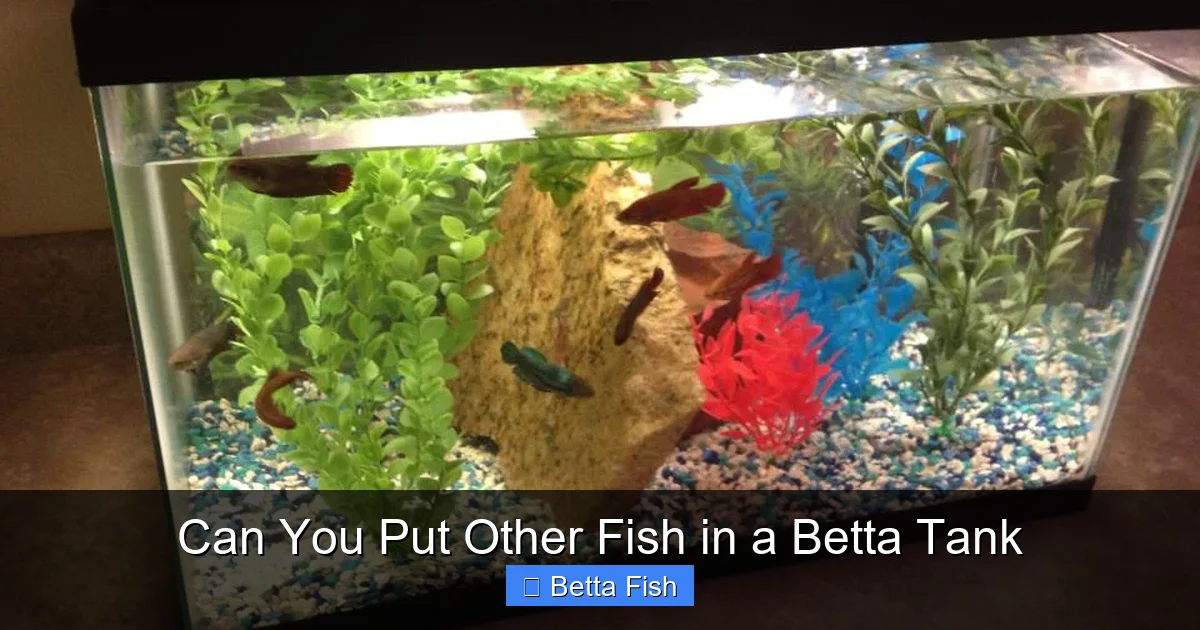
Visual guide about Can You Put Other Fish in a Betta Tank
Image source: bettafishcaretaker.com
Male vs. Female Temperament
Male bettas are generally more aggressive than females. A female can coexist with other fish more easily, but she still needs a calm environment. If you’re planning a mixed‑species tank, knowing whether you have a male or female betta will shape your choices.
Individual Personality
Even within the same gender, personalities differ. Some bettas are surprisingly docile, while others will flare at the slightest movement. The only way to know is to observe your own fish. This is why many experts suggest a “trial period” before committing to permanent tank mates.
Tank Size and Setup: The Foundation
Minimum Volume
Most sources agree that a 10‑gallon (38 L) tank is the smallest safe size for a community betta setup. Anything less can quickly become crowded, leading to stress and disease. A larger tank also dilutes waste, making water quality easier to maintain.
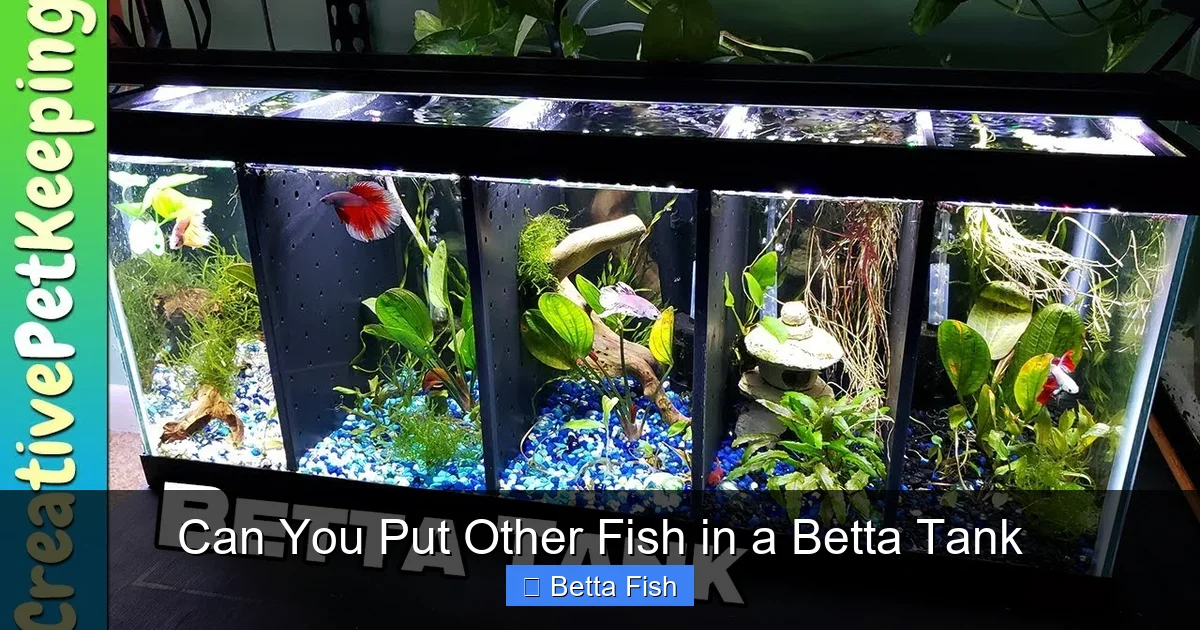
Visual guide about Can You Put Other Fish in a Betta Tank
Image source: i.ytimg.com
Filtration and Flow
Betta fish prefer calm water, but they still need gentle filtration to keep the water clear. A sponge filter or a low‑flow hang‑on‑back (HOB) unit works well. The flow should be adjustable so you can create a “quiet corner” where the betta can rest.
Plants, Hides, and Décor
Live plants such as Java fern, Anubias, and Amazon swords not only improve water quality but also give your betta places to hide. If live plants aren’t an option, silk or plastic plants with soft leaves work fine. Add caves, driftwood, and PVC pipes to break line of sight and reduce territorial aggression.
Lighting and Temperature
Betta fish thrive at 76‑82 °F (24‑28 °C). Use an aquarium heater to maintain a stable temperature. A 10‑hour light cycle mimics natural conditions and encourages healthy plant growth.
Can You Put Other Fish in a Betta Tank? The Safe Choices
The short answer is yes—if you pick the right companions. Below are the most reliable tank mates, grouped by category.

Visual guide about Can You Put Other Fish in a Betta Tank
Image source: healthjade.net
Peaceful Small Tetras
Neon tetras, ember tetras, and celestial tetras are popular choices. They stay near the top but are fast enough to avoid a curious betta. Keep the school size at least six individuals; this reduces stress for the tetras and gives the betta less reason to chase them.
Harlequin Rasboras
These fish are slightly larger than tetras and have a striking black‑orange pattern. They swim in the middle of the tank, providing a visual barrier between the betta and any bottom‑dwelling species.
Corydoras Catfish
Corys are gentle bottom‑feeders that love to dig in the substrate. Their calm nature makes them excellent companions for a betta, and they help keep the tank clean by eating leftover food.
Snails
Apple snails, mystery snails, and nerite snails are great for algae control and are usually ignored by bettas. Snails also add interesting movement without competing for the same space.
For more details on snails with bettas, see Can You Put Snails In With Betta Fish.
Small Shrimp
Cherry shrimp and ghost shrimp can coexist with a betta if the betta’s temperament is mild. Shrimp add color and help clean up detritus, but be prepared for occasional predation if the betta is particularly bold.
What to Avoid
- Fin‑nipping species such as guppies, serpae tetras, or any fish with long, flowing fins.
- Large, aggressive fish like cichlids or gouramis.
- Other male bettas—unless you have a massive tank with plenty of visual barriers (see Can You Have Two Betta Fish In A Tank for a deeper dive).
Step‑by‑Step: Introducing New Fish
1. Quarantine New Arrivals
Before adding any fish to the community tank, quarantine them for at least two weeks. This prevents the spread of disease and lets you observe the new fish’s health.
2. Prepare a Neutral “Acclimation” Tank
Set up a small, empty tank (5‑gallon) with the same water parameters as your betta tank. Move the new fish into this neutral space for 24‑48 hours. This gives both the new fish and the betta a chance to adjust to each other’s scent without direct contact.
3. Use a “Dividing Net” or Clear Partition
Place a clear acrylic divider in the main tank. This lets the fish see each other without physical interaction. Watch for aggressive flaring from the betta. If the betta stays calm, you can move to the next step.
4. Slow Release
Turn off the filter for a few minutes, then gently add a cup of tank water to the bag containing the new fish. Float the bag for 15‑20 minutes, gradually adding more tank water every 5 minutes. This equalizes temperature and pH.
5. Observe and React
After release, keep a close eye on the betta for at least the first hour. Look for signs of stress: constant flaring, chasing, or nipping at fins. If any of these occur, be ready to separate the fish immediately.
6. Maintain Consistent Care
Feed the community with a varied diet: high‑quality betta pellets, frozen or live daphnia for the betta, and micro‑pellets or algae wafers for the other fish. Perform 20‑25% water changes weekly to keep ammonia and nitrite levels low.
Common Problems and How to Fix Them
Aggression and Flaring
If the betta flares repeatedly, increase hiding spots and consider rearranging décor to break line of sight. Sometimes moving the filter output away from the betta’s favorite spot reduces territorial claims.
Fin Nipping
Fin nipping usually indicates stress or a mismatch in size. Remove the offending fish and provide a separate “hospital” tank for recovery. Adding more plants can also give the nipped fish a place to hide.
Water Quality Issues
Betta fish produce a lot of waste relative to their size. Test water weekly for ammonia, nitrite, nitrate, and pH. If levels rise, increase the frequency of water changes and consider adding more live plants for natural filtration.
Compatibility with Shrimp
While many bettas ignore shrimp, some will view them as food. If you notice predatory behavior, move the shrimp to a separate tank or provide a fully planted “refuge” area where the betta cannot reach them.
Conclusion: Making the Decision
So, can you put other fish in a betta tank? Absolutely—provided you respect the betta’s nature, give enough space, and choose compatible species. By following the guidelines above, you’ll create a vibrant, stress‑free community that showcases the beauty of your betta alongside its new friends.
Remember, patience is key. Observe, adjust, and never rush introductions. With a little care, the answer to that lingering question will be a resounding “yes,” and you’ll enjoy a lively aquarium that’s both beautiful and healthy.
Frequently Asked Questions
Can a male betta live with other fish?
Yes, a male betta can live with peaceful, small fish if the tank is at least 10 gallons and there are plenty of hiding spots. Monitor for aggression and be ready to separate if needed.
What are the best fish to keep with a betta?
Neon tetras, harlequin rasboras, corydoras catfish, and small snails are among the safest companions. They are fast enough to avoid the betta’s attention and do not have long fins that can be nipped.
How long should I wait before adding new fish to my betta tank?
Allow the betta to acclimate to its new tank for at least two weeks before introducing any new fish. This gives the betta time to establish a territory and reduces stress.
Can I keep a betta with a female guppy?
Generally no. Guppies have flowing fins that can trigger a betta’s aggressive instincts, leading to fin nipping or serious injury.
Do bettas need a heater when kept with other fish?
Yes. Betta fish thrive at 76‑82 °F (24‑28 °C). Maintaining a stable temperature is crucial for both the betta and its tank mates.
Is a 5‑gallon tank enough for a betta and snails?
A 5‑gallon tank can work for a single betta and a few snails if the water is well‑filtered and changes are frequent. However, a larger tank offers more stability and room for future additions.