Can You Put Anything With a Betta Fish Safe Tank Mates
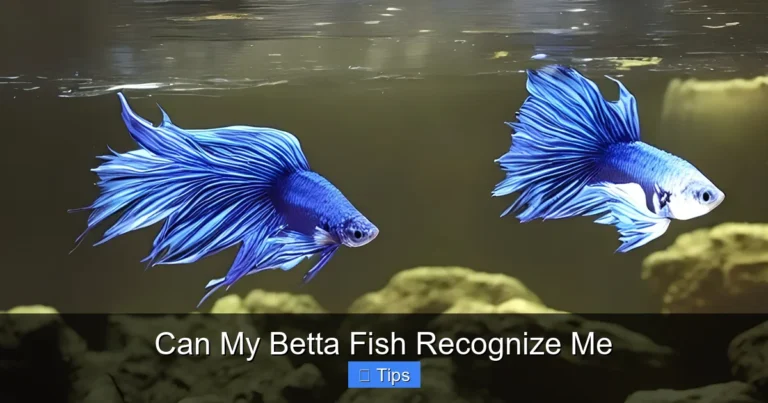
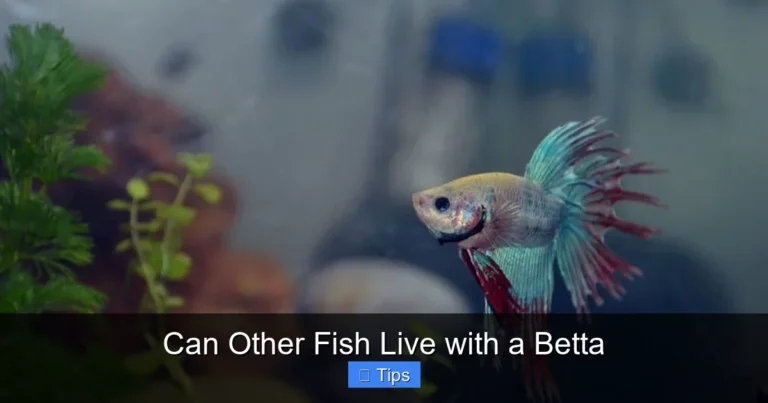
Can you put anything with a betta fish? Yes—some peaceful fish, snails, and shrimp can work, but tank size, water quality, and your betta’s temperament matter most. This guide shows the safest tank mates, fish to avoid, and the best way to add companions without stress.
A betta can do well alone. This is not a sad life if the tank is warm, clean, and fun to explore. Still, a well-planned community tank can work.
When people ask can you put anything with a betta fish, they often mean another fish. The answer is yes for some fish, but not for every pet. The betta’s mood, tank size, and tank mate’s body shape all matter.
Here, you will learn what makes a safe match. You will also see good species, risky species, and a calm way to add new tank life. These steps help protect fins, reduce stress, and keep the water healthy.
Key Takeaways
- Yes, but not with anything: Some fish, snails, and shrimp can live with a betta, while many pets cannot.
- Temperament comes first: A calm betta may accept tank mates, but an aggressive betta should live alone.
- Give the tank room: Five gallons suits one betta. Use at least 10 gallons for a small companion group, with more space preferred.
- Choose peaceful species: Small schools, sturdy snails, adult shrimp, and suitable bottom fish can be good choices.
- Avoid risky pets: Keep out fin nippers, goldfish, other bettas, tiny prey fish, and animals with different water needs.
- Go slow: Cycle the tank, quarantine new pets, add one species at a time, and watch for stress.
📑 Table of Contents
Can You Put Anything With a Betta Fish? The Short Answer
There is no universal yes. A calm male may ignore rasboras. A female betta may chase a snail. One fish may flare at every shape that moves.
Use four simple checks:
- The pet needs the same warm, fresh water.
- It is too large to fit in the betta’s mouth.
- It has short fins and does not nip.
- It uses space without crowding the betta.
As a rule, a 5-gallon tank is best for one betta. Add tank mates only in a 10-gallon tank or larger. A 20-gallon long tank gives more floor space and more escape routes.
Read your betta’s signals
Before you buy a tank mate, watch how your betta acts near other tanks. Brief flaring can be normal. A stiff body, locked gills, glass surfing, and repeated lunges are stronger warning signs.
A betta that eats well, rests often, and soon loses interest in nearby fish has a better chance in a community tank. Do not test this by placing unknown fish inside. Watch first and plan with care.
When a betta should live alone
If your betta has torn another fish’s fins, rammed snails, or guards the whole tank, keep it alone. A peaceful solo home is not a failure. It is the safest choice for that fish.
How to Choose Safe Tank Mates for a Betta Fish
Good betta tank mates share more than a tank. They need the same water, room to swim, and places to hide. Start with these rules.
Choose space before species
Floor space matters more than tall water. Bettas need rest spots near the top. Bottom fish need clear space below. A wide 20-gallon aquarium is often easier than a tall, narrow tank.
A 10-gallon tank can hold one betta and one small school. Do not fill it with many species. More fish means more waste and more chances for conflict.
Match the water needs
Bettas need a tropical temperature of about 78–80°F (25–27°C). Keep the pH stable, usually near 6.5–7.5. Ammonia and nitrite should stay at 0 ppm, which means none is found. Low nitrate and clean water also matter.
Use an aquarium heater and a low-flow filter. The filter must be cycled first. This means helpful germs have built up and can turn fish waste into less harmful material.
Watch fins, size, and behavior
Short-finned, calm fish often do better than fish with bright, flowing tails. Avoid known fin nippers. Also skip any fish small enough to become food.
Male fish are often more territorial, so review the limits of keeping other fish with a male betta before you buy.
Use each water level
Bettas swim near the top and middle. A small school can use the middle area. Peaceful bottom dwellers can use the floor. Do not stack two bottom groups into one tank.
Leave open swim lanes too. Add plants to break long sight lines. This gives each fish a chance to move away before a small dispute grows.
Buy a group, not a crowd
Many peaceful fish feel safer in a school. A group can also spread out any mild attention from the betta. But the group must fit the tank.
This added bioload, or total waste made by the tank’s pets, calls for good filtration and routine water tests.
Expert insight: match the whole tank
A good species can be a bad match in the wrong setup. Choose for the tank size, water, layout, and your betta’s mood. A compatibility list is only a starting point.
Best Tank Mates for a Betta Fish
No list can promise peace. Still, some animals have a better chance. Pick one option at first. Do not add every animal in this table to one small tank.
Note: Tank sizes below assume a mature, cycled tank and a calm betta. Larger water is safer.
| Option | Suggested Minimum | Group Size | Main Caution |
|---|---|---|---|
| Nerite snail | 10 gallons | One | Hard shell, but may be nipped |
| Mystery snail | 10 gallons | One | Adds waste and needs room |
| Amano shrimp | 10 gallons | Two or more | Use adults that may still be hunted |
| Ember tetra | 10 gallons | Eight or more | Needs a calm betta |
| Harlequin rasbora | 10 gallons; 20 is better | Six or more | Must be kept as a school |
| Small corydoras | 20 gallons | Six or more | Needs sand and floor room |
| Kuhli loach | 20-gallon long | Six or more | Needs caves and soft sand |
Snails
Snails are simple companions, but they do not erase tank waste. A nerite stays small and has a hard shell. A mystery snail grows larger and needs room to move.
Learn when it is safe to put a snail with a betta fish. Watch for nips at the snail’s feelers and give it a safe place to rest.
Shrimp
Amano shrimp are larger and faster than cherry shrimp. That makes them a better choice, but not a safe bet. Adult shrimp may work in a planted tank.
Baby shrimp often become snacks. Dense moss gives them cover, but it cannot stop a determined betta. Shrimp also need their own food and regular water care.
Small schooling fish
Ember tetras, neon tetras, and harlequin rasboras can work with a calm betta. Keep at least six, though eight to ten is often better.
A lone tetra may feel stressed and draw more attention. Plants break lines of sight, while open water lets the school move. Read our guide to schooling fish with a betta before you choose a group.
Peaceful bottom dwellers
Small corydoras and Kuhli loaches are peaceful bottom dwellers. They need their own kind, soft sand, and hiding spots. They also need a wide tank.
Never keep a group in a bowl or tiny tank. Feed sinking food after the lights dim so they get their share. Research the adult size of each species before you buy it.
Fish and Pets You Should Not Put With a Betta
Some pets look calm in a shop but fail in a betta tank. Avoid these common choices:
- Other bettas: Male bettas fight. A male and female should only meet for expert breeding and brief, watched care.
- Fin nippers: Tiger barbs and serpae tetras may chew betta fins.
- Goldfish: They need cooler water, make heavy waste, and have different food needs.
- Tiny fish: Small prey fish may fit in a betta’s mouth, even if sold as community fish.
- Large or rough fish: Cichlids, large gouramis, and many plecos can harm or outgrow the tank.
- Turtles and invertebrate pets: Crabs, crayfish, and turtles may bite. Most also need very different setups.
Popular choices that need extra care
Fancy guppies may work, but bright tails can draw nips. African dwarf frogs need deep, calm water and may beat the betta to food. Plecos create more waste and often grow too large.
These are not good first choices for a new keeper. If a species needs cold water, a huge tank, or special care, choose a safer option.
Also ignore the term cleaning fish. No fish can clean a tank. Every added pet makes more work and adds more waste.
How to Add Tank Mates Without Causing Stress
A slow plan gives every fish a better chance. Follow these steps:
- Cycle the tank: Test until ammonia and nitrite stay at 0 ppm.
- Pick one species: Add the right group size. Do not start with several kinds of fish.
- Quarantine new pets: Keep them in a separate tank for two to four weeks. This helps you spot disease.
- Add cover: Use live plants, broad leaves, and smooth caves. If the betta already lives there, move decor before the introduction to reset the space.
- Acclimate slowly: Float the bag, then mix small amounts of tank water into it. Take 20 to 30 minutes.
- Add them in the morning: Dim the lights. This gives the fish a full day to settle under your watch.
- Feed and watch: Feed the betta a normal meal. Then watch the tank for the next 24 to 48 hours.
- Have a backup: Keep a spare tank or tank divider ready. Never wait for a fight to end on its own.
A brief chase may be normal. Constant chasing is not. Remove a tank mate at once if you see clamped fins, pale color, hiding, lost scales, torn fins, or a fish that will not eat.
Do not let fish fight to “prove” they can live together. If the betta fixes on one pet again and again, that animal is not a good match.
If trouble starts
Dim the lights and separate the fish at once. Use a tank divider or move one pet to a ready tank. Do not chase either fish around the tank with a net unless there is no other choice.
Test the water after any fight. Poor water can raise stress and make aggression worse. Give injured fish quiet care and seek help if wounds do not heal.
A Simple Betta Tank Setup That Gives Tank Mates the Best Chance
Two safe stocking examples
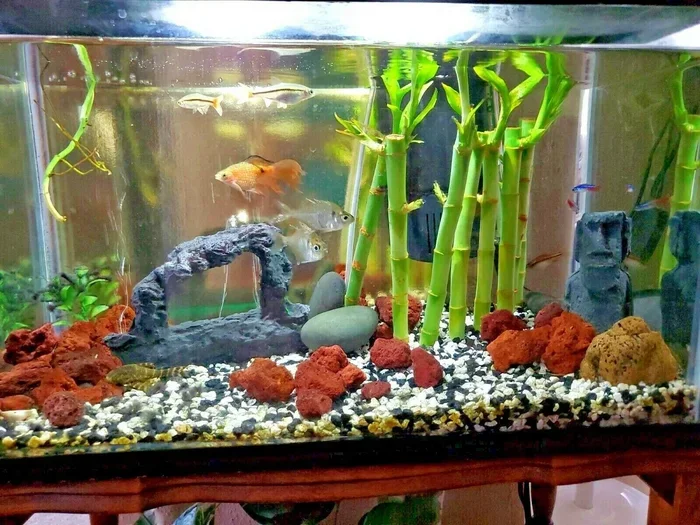
For a 10-gallon tank, try one betta with eight ember tetras or six harlequin rasboras. Do not keep both groups in that small space. One nerite snail may also fit if water tests stay good.
For a 20-gallon long tank, try one betta with six small corydoras or six Kuhli loaches. Add plenty of plants and hides. Do not stack every bottom species into the tank at once.
Add animals slowly
Wait at least two weeks between new groups. Test the water before each addition. Stop if nitrate rises fast or the betta shows signs of stress.
A full tank does not need many species. A betta, live plants, one small school, and clean water can make a rich home.
Daily and weekly care
Keep heat steady and the filter gentle. Add a tight lid because bettas can jump. Use live plants and soft decor to make rest spots.
Test the water each week. Change 20% to 30% when tests call for it. Remove old food and keep the filter clean with removed tank water.
Common mistakes to avoid
- Buying a pet only because a shop calls it compatible.
- Adding too many species in one day.
- Using a bowl, cold water, or no filter.
- Skipping the quarantine period.
- Expecting a snail or fish to clean the tank.
- Mixing a male and female betta at home.
Quick tips for long-term peace
- Add the betta last when setting up a new tank.
- Break long sight lines with plants and driftwood.
- Feed each group where it can reach the food.
- Watch body language after every water change or new addition.
- Keep a backup plan before you buy any tank mate.
Conclusion: Start with your betta’s welfare
Conclusion: So, can you put anything with a betta fish? You can add some peaceful, warm-water companions, but only when the tank is large enough and the betta is calm. Start small, watch body language, and put fish welfare above the dream tank. A happy betta alone is always better than a crowded tank full of stress.
Frequently Asked Questions
Can I put any fish with my betta?
You can put some peaceful, warm-water fish with a betta, but not any fish. The best choice depends on the betta’s mood, tank size, water conditions, and the other fish’s fins and behavior.
What is the safest tank mate for a betta fish?
A nerite snail or a small school of ember tetras is often a good choice for a calm betta. Even then, you should use a cycled 10-gallon tank or larger and watch for aggression.
Can two bettas live in the same tank?
Two male bettas should never share a tank because they will usually fight. A male and female should only meet for expert breeding, and female betta sororities need advanced care and a large tank.
Is a 5-gallon tank enough for a betta and tank mates?
A 5-gallon tank is best for one betta without other fish. Add tank mates only in a 10-gallon tank or larger, with a 20-gallon long tank giving more room and safer escape paths.
Can a betta live with snails and shrimp?
Some bettas live well with adult snails and Amano shrimp, but others chase them. Snails need intact shells, while shrimp need dense plants and may still lose babies to the betta.
How do I know a betta tank mate is not working?
Watch for constant chasing, torn fins, clamped fins, hiding, or a fish that will not eat. Separate the animals at once and check the water for stress or poor conditions.