Can You Put Bamboo in a Betta Fish Tank Complete Guide
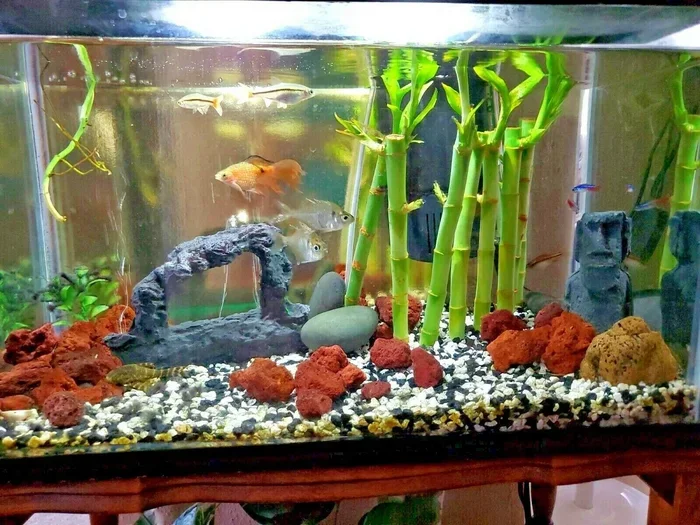
Wondering if you can put bamboo in a betta fish tank? Yes, but only the right kind works. This guide shows you exactly which bamboo is safe, how to set it up, and how to keep your betta thriving.
If you’re a betta fish owner looking to add some natural beauty to your aquarium, you’ve probably asked yourself, can you put bamboo in a betta fish tank? This is one of the most common questions new and experienced betta keepers encounter. The short answer is yes, but with important caveats. In this comprehensive guide, we’ll explore everything you need to know about adding bamboo to your betta’s home, from safe varieties to proper setup, water quality maintenance, and common pitfalls to avoid.
Betta fish are known for their vibrant colors and flowing fins, and a well-planned tank environment can enhance their natural beauty while providing enrichment. Adding the right kind of bamboo can create a stunning visual display, but placing the wrong type can harm your fish. Let’s dive into the details so you can make an informed decision for your finned friend.
Key Takeaways
- Point 1: Only lucky bamboo or specific aquatic bamboo is safe; avoid lucky bamboo sold for home decor as it may be treated with chemicals.
- Point 2: Plant bamboo properly with roots submerged but leaves above water to prevent rot and maintain water quality.
- Point 3: Regular water changes and monitoring of ammonia and nitrate levels are essential when adding any plant to a betta tank.
- Point 4: Provide adequate lighting and avoid direct sunlight to prevent algae growth on bamboo stems.
- Point 5: Consider alternative live plants like java moss if you’re unsure about bamboo compatibility with your betta.
- Point 6: Always quarantine new plants before adding them to your main tank to avoid introducing pests or diseases.
- Point 7: Balance plant coverage with swimming space to reduce stress and keep your betta active and happy.
📑 Table of Contents
Understanding Bamboo Varieties for Betta Tanks
Not all bamboo is created equal, and this is the first thing to understand when considering adding it to your aquarium. The term “bamboo” is often used loosely in the pet trade, but there are significant differences between true aquatic bamboo and terrestrial varieties sold as decorative stalks.
Lucky bamboo, scientifically known as Dracaena sanderiana, is the most commonly seen “bamboo” in fish stores. Despite its name, it’s not true bamboo at all—it’s a member of the asparagus family. This distinction matters because lucky bamboo is often grown in water with pebbles and may be treated with preservatives or waxes that aren’t safe for aquarium inhabitants.
True aquatic bamboo, such as Phyllostachys species or other water bamboo varieties, can sometimes be submerged partially or fully, but they require specific conditions to thrive. Some pet stores sell “fish tank bamboo” that’s actually a type of lucky bamboo that’s been specially treated or grown emersed (partially out of water).
When shopping for your tank, always check the label and ask store employees about the plant’s origin and growing conditions. If it’s not explicitly marked as safe for submerged aquatic use, it’s best to err on the side of caution. Researching the scientific name can also help you distinguish between safe and unsafe options.
Another important consideration is whether the bamboo will be fully submerged, partially submerged, or kept emersed. Betta fish are labyrinth fish, meaning they breathe air from the surface, so having some plant material above the water line can actually be beneficial. However, fully submerged plant matter can quickly decompose and affect water chemistry if not managed properly.
Safe Setup: How to Introduce Bamboo to Your Betta Tank
Once you’ve selected a safe bamboo variety, the next step is proper installation. The method you use will depend on whether you’re using lucky bamboo stalks, true aquatic bamboo, or a combination of plants.
For lucky bamboo stalks, many hobbyists prefer to keep the roots submerged while keeping the stalks and leaves above the water line. This can be achieved by placing the bamboo in a separate container with pebbles or substrate, then positioning it so the base sits in the tank’s water while the top remains dry. Some betta owners use specialized bamboo planters or floating rings to keep the plant in place.
If you’re using true aquatic bamboo that can handle partial submersion, you’ll want to plant it in a small pot with aquarium-safe substrate, then place the pot in your tank’s substrate or attach it to a rock or driftwood using fishing line or plant weights. This keeps the roots anchored and prevents the bamboo from floating away or rotting quickly.
Regardless of the method, rinse your bamboo thoroughly under dechlorinated water before adding it to your tank. This removes any dust, debris, or residual treatments that could cloud your water or harm your betta. Avoid using soap or chemical cleaners, as even tiny residues can be toxic to fish.
Placement matters more than you might think. Position the bamboo where it won’t obstruct your betta’s swimming path or block access to the surface for air. Bettas appreciate open swimming areas near the top, and overcrowding the tank with plants—even safe ones—can cause stress and make it harder for you to monitor your fish’s health.
Water Quality and Maintenance Considerations
Adding any new element to your aquarium affects water chemistry, and bamboo is no exception. As plant matter, bamboo can release organic compounds as it degrades, which can impact ammonia, nitrite, and nitrate levels.
The nitrogen cycle is the heart of a healthy fish tank. Beneficial bacteria break down fish waste into less harmful substances, but decaying plant material can add to the organic load. When you first introduce bamboo, monitor your water parameters closely for the first two to four weeks. Test for ammonia, nitrite, and nitrate using a reliable aquarium test kit.
If you notice a spike in ammonia or nitrite, perform a partial water change (25-30%) and consider adding a biological booster or increasing filtration flow slightly. Nitrate levels should ideally stay below 20-30 ppm for betta fish, though some keepers tolerate slightly higher levels with regular water changes.
Water changes become even more important when plants are present. A good rule of thumb is to change 20-25% of the water weekly, and vacuum the substrate to remove any fallen leaves or plant debris. If bamboo leaves begin to yellow or translucent, remove them promptly to prevent them from decaying in the tank.
Lighting also plays a role. Bettas thrive under moderate lighting, and too much intense light can encourage algae growth on bamboo stems and leaves. Algae not only looks unsightly but can compete with your plants for nutrients. Use a timer to provide 8-10 hours of light per day, and consider adding a floating plant like duckweed to diffuse light and absorb excess nutrients.
Fertilization is another area where caution is needed. If you dose liquid fertilizers or root tabs, ensure they’re safe for betta tanks and follow the manufacturer’s instructions carefully. Over-fertilizing can lead to algae blooms and water quality issues that stress your fish. In many cases, betta waste and uneaten food provide sufficient nutrients for low-demand plants like bamboo.
Common Mistakes to Avoid
Even well-meaning betta keepers can make errors when introducing bamboo. Here are the most frequent mistakes and how to avoid them:
- Using treated lucky bamboo: Many commercial lucky bamboo arrangements come with decorative rocks, wax-coated stems, or glued-on accents. These are not aquarium-safe and can leach chemicals into the water. Always choose plain stalks without any added coatings or ornaments.
- Submerging leaves completely: Bettas need access to the surface for air. If bamboo leaves are fully submerged, they’ll decay faster and can deplete oxygen levels. Keep at least some foliage above the water line.
- Overcrowding the tank: Adding too much bamboo or other plants can leave your betta with insufficient swimming space. A good guideline is to cover no more than 50-60% of the tank’s surface area with plant matter.
- Skipping the quarantine: Even store-bought plants can carry snail eggs, algae spores, or harmful bacteria. Quarantine new plants in a separate container with dechlorinated water for one to two weeks before introducing them to your main tank.
- Ignoring water parameter changes: Bamboo decomposition can affect pH and hardness. Test your water before and after adding bamboo, and be prepared to adjust your maintenance routine if needed.
By avoiding these common pitfalls, you’ll create a safer, more stable environment for your betta while enjoying the aesthetic benefits of bamboo.
Comparison: Live Bamboo vs. Artificial Plants
| Feature | Live Bamboo | Artificial Plants |
|---|---|---|
| Water Quality Impact | Can affect parameters as it decomposes; requires monitoring | No impact; inert and stable |
| Oxygen Production | Produces oxygen during photosynthesis | No oxygen production |
| Maintenance | Regular trimming, leaf removal, water changes | Occasional cleaning to remove algae |
| Betta Health | Provides natural enrichment, hiding spots | Smooth edges safer; no biological benefits |
| Aesthetics | Natural look, grows and changes over time | Consistent appearance, many styles available |
This comparison highlights the trade-offs between live bamboo and artificial decorations. Live bamboo offers biological benefits and a natural aesthetic, but requires more hands-on care. Artificial plants provide a low-maintenance alternative that still adds visual interest and safety, especially for bettas prone to fin nipping on real foliage.
Alternative Plants for Betta Tanks
If you’re unsure about bamboo or want to diversify your tank’s vegetation, several other plants are excellent choices for betta habitats. Java moss, java fern, anubias, and hornwort are all beginner-friendly, hardy, and generally safe for bettas. These plants can be attached to driftwood or left floating, and they provide similar benefits such as water filtration, hiding spots, and surface coverage.
Live plants also compete with algae for nutrients, which can reduce algae growth and make tank maintenance easier. When selecting plants, always ensure they’re compatible with your tank’s lighting and water conditions, and introduce them gradually to allow your betta and beneficial bacteria to adjust.
Remember, whether you choose bamboo, java fern, or artificial decor, the goal is to create a stimulating yet stress-free environment for your betta. A well-planned tank with appropriate vegetation can enhance your fish’s color, reduce stress, and give you a beautiful underwater scene to enjoy daily.
Expert Insights and Final Thoughts
Experienced betta keepers often recommend starting with one or two plants before adding more, allowing you to observe how your fish reacts and how the tank’s ecosystem adjusts. If you do decide to add bamboo, lucky bamboo stalks arranged with roots submerged and leaves above water are the most reliable option for beginners.
Always prioritize your betta’s health over aesthetics. A minimalist tank with a single safe plant and plenty of swimming space is far better than an overcrowded tank with questionable decorations. Regular water testing, consistent maintenance, and observing your fish’s behavior are the best tools you have to ensure a thriving environment.
If you ever feel uncertain about a plant’s safety, consult reputable aquarium forums, your local fish store, or veterinarians who specialize in fish health. The betta keeping community is large and supportive, and there’s no shame in doing extra research before making changes to your tank.
In summary, can you put bamboo in a betta fish tank? Absolutely—just choose the right type, set it up properly, and maintain your water quality diligently. With the knowledge from this guide, you’re well-equipped to create a beautiful, healthy home for your betta that incorporates the natural elegance of bamboo.
Thank you for reading, and happy fish keeping!
Frequently Asked Questions
Can you put lucky bamboo in a betta fish tank?
Yes, lucky bamboo can be used in a betta fish tank, but only if the roots are kept submerged while the stalks and leaves remain above the water line. Lucky bamboo sold for home decor often comes with waxes, glues, or chemical treatments that can leach into the water and harm your betta. Always rinse the stalks thoroughly and choose plain, untreated stems for the safest setup.
Is real bamboo better than artificial plants for bettas?
Both have their advantages. Live bamboo provides natural enrichment, produces oxygen, and helps maintain water quality through photosynthesis. However, it requires monitoring for decomposition and water parameter changes. Artificial plants are low-maintenance, don’t affect water chemistry, and have smooth surfaces that won’t snag delicate fins. The choice depends on your willingness to maintain live plants and your betta’s specific needs.
How often should I change water when bamboo is in the tank?
When bamboo is present, it’s recommended to change 20-25% of the water weekly. Bamboo can release organic matter as it ages, which may increase ammonia and nitrate levels. Regular water changes, combined with substrate vacuuming to remove fallen leaves, will help keep parameters stable and your betta healthy.
Can bamboo cause algae growth in a betta tank?
Bamboo itself doesn’t directly cause algae, but if lighting is too intense or if excess nutrients from overfeeding are present, algae can grow on bamboo stems and leaves. To prevent this, use a timer for 8-10 hours of light per day, avoid overfeeding, and consider adding floating plants to absorb excess nutrients and diffuse light.
What should I do if my bamboo starts rotting in the tank?
If you notice bamboo stems becoming soft, mushy, or discolored, remove the affected portions immediately with clean scissors. Rotting plant material can spike ammonia levels and harm your betta. Trim away the decaying parts, perform a partial water change, and monitor your water parameters closely for the next few days.
Do bettas like bamboo in their tank?
Bettas often enjoy having plants in their tank, as they provide hiding spots and visual enrichment. However, each betta has a unique personality—some may ignore bamboo entirely, while others may rest near it or use the roots as a sheltered area. Observe your betta’s behavior after introducing bamboo to ensure it’s not causing stress or obstructing swimming space.